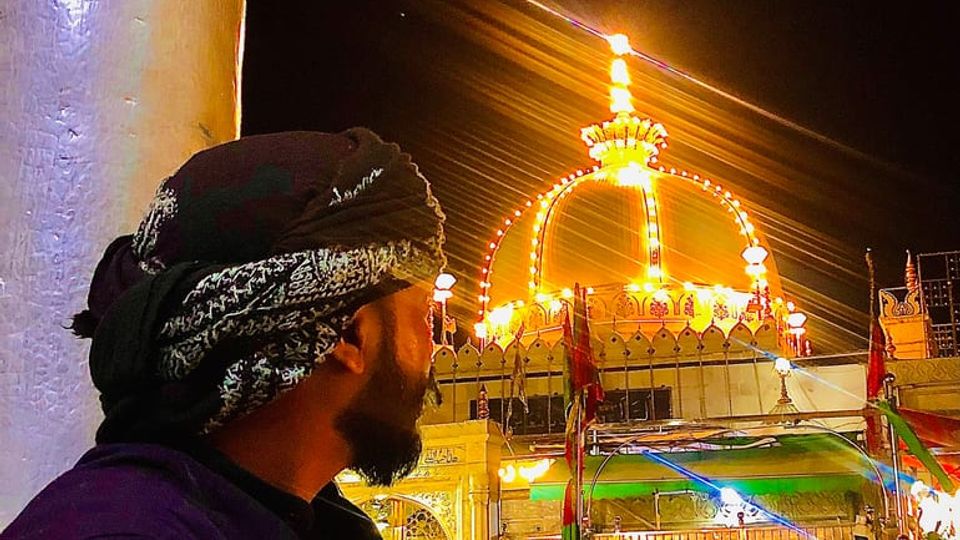
Ajmer district offers a rich tapestry of cultural and historic attractions that draw visitors from across India. The Ajmer Sharif Dargah, perched at the foot of Taragarh hill, is a major pilgrimage centre dedicated to the Sufi saint Khwaja Moinuddin Chishti. Its white‑marble courtyards, the massive gate gifted by the Nizam of Hyderabad, and the Akbari Mosque built by Shah Jahan welcome hundreds of thousands of pilgrims daily, while the annual Urs festival commemorates the saint’s death.
Overlooking the city, the ancient Taragarh Fort stands on a hill 2,855 ft above sea level. Built by King Ajaypal Chauhan, the fort once guarded the Chauhan rulers and later served as a British sanatorium. Its massive stone walls, a shrine to the Muslim saint Saiyid Husain, and the remnants of a Mughal garden‑house in the valley below illustrate the layered history of the region.
The city’s heritage is further showcased at the Akbari Fort and Museum, a Mughal‑era square complex commissioned by Akbar in 1570. Once the residence of Prince Salīm, it now houses collections of Mughal and Rajput armour and sculpture, and its surrounding walls still bear the historic gates that once marked the city’s entrances.
Ajmer’s educational legacy is embodied in Mayo College, founded in 1875 as an “Indian Eton.” Its white‑marble Indo‑Saracenic main building, set within a 167‑acre park, reflects the colonial era’s architectural ambition and the institution’s role in training the sons of Indian princes.
Beyond Ajmer, the nearby town of Pushkar adds a distinct spiritual dimension with its sacred lake and the 14th‑century Brahma Temple, the only major shrine dedicated to the deity. The lake’s pilgrimage significance is recorded in the Padma Purana, making Pushkar a complementary destination for those exploring the district’s religious landscape.
Natural and recreational sites complement the historic attractions. Ana Sagar Lake, a man‑made reservoir created by Maharaja Anaji, is flanked by the Daulat Bagh garden and the Baradari pavilions added by Shah Jahan, though the Baradari is now closed to the public. Further west, the artificial Lake Foy Sagar, built as a famine relief project in 1892, offers scenic views of the Aravalli range and serves as a haven for migrating birds, recalling its former role as the city’s water supply.