Thewa art
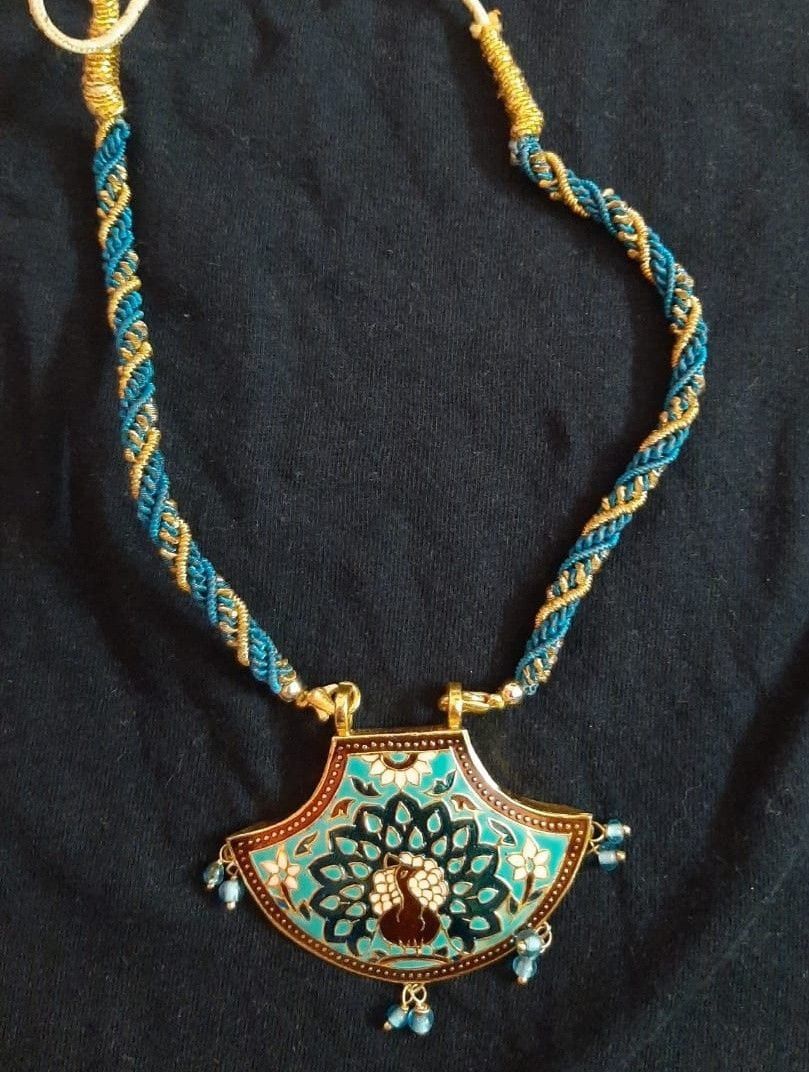
Welcome to the visual story of Thewa art, showcasing the sparkle and heritage of Rajasthani craftsmanship.
TIMES of RAJASTHAN · DARSHAN
Thewa art
Welcome to the visual story of Thewa art, showcasing the sparkle and heritage of Rajasthani craftsmanship.
In detail
Thewa is a unique jewelry art that fuses intricately worked sheet gold onto molten glass, creating stunning pieces. Originating in Pratapgarh district of Rajasthan, its roots trace back to the Rajput era.
History and origins
Nathu ji Soni invented the process in 1767, and the secrets of the craft have passed directly from father to son over the generations, remaining within the family that calls themselves ‘Raj‑Sonis’. Many members of this family have been awarded by UNESCO, the National and State Government. Some of the finest examples of this unique form of decorative art are in local museum collections in India as well as abroad, including the Metropolitan Museum of Art and the Victoria & Albert.
The word THEWA comes from the local Rajasthani language and means “SETTING”. The technique begins with a 23‑carat gold piece that is beaten into a very thin sheet. Intricate designs are inscribed onto these gold sheets with a very fine chisel. The gold sheet, called “Thewa Ki Patti”, is fixed to a lac‑resin compound spread on a board by slightly warming the lac and then pressing the gold sheet onto it. An open‑work pattern is pierced through these gold sheets placed on the lac‑resin covered board by knocking off portions, ultimately creating the intricate design. The gold sheet is gently peeled off by heating it.
The Pratapgarh district produces many different kinds of artisan items, including Thewa. In addition to traditional handicraft items, glass photo frames, trays, glass art ware, glass jewelry boxes, lamp shades, flower vases, crystal wine glasses, flasks, glass pots, antique crystal chandeliers, glass coasters, glass lamp shades and glass paintings are made. Pratapgarh also makes Thewa with coloured glass bases that are embossed with golden miniature artwork. Floral patterns are etched on gold foil and superimposed on glass moulds, and the glassware is cast in such moulds.
Ramprasad Rajsoni was the first awardee in the thewa‑kala for his master‑craftsmanship in 1966. Like many others of the local craftsmen, Jagdish Lal Raj Soni, Beni Ram Soni, Girish Rajsoni and craftspersons from Pratapgarh in Rajasthan state in India were also awarded the Shilp Guru Award for Thewa art.
Recently one craftsman, Mahesh Raj Soni of the traditional artisan family, won another national award and Padma Shree 2015 for his excellent Thewa handicraft. With this his family has been featured in the LIMCA yearbook 2011 as “Eight national awards in one family”. Hitesh RajSoni (2004) and Girish Rajsoni have been awarded by the UNESCO Seal of Excellence Award. They are among the youngest personalities in the Rajsoni Family who received this award. One such young artist, Raghav Rajsoni, is the only one by whom Thewa kala got honoured in Taraz Kazaksthan as the first International award.
What it is like
Thewa is a hand‑crafted art form that takes about a month to complete each piece. Skilled artisans begin by grinding broken terracotta into a fine paste, which they mix with chemicals and oil to create a thick consistency. This paste is then spread onto a wooden base.
A 23‑carat gold sheet, 40 gauge in thickness, is laid over the paste and the design is free‑hand etched onto it. Black paint is applied over the gold sheet, making the etched pattern stand out and allowing the artisan to see the design clearly for further detailed work.
Using fine tools, the craftsman removes excess gold to reveal motifs that often depict Hindu mythology, Mughal court scenes, historical events, or flora and fauna. The final piece is treated with a special process that gives it a glittering effect, highlighting the intricate gold work and giving the artwork a sense of movement and life.
Thewa pieces are typically used on jewellery, and the motifs reflect Rajasthan’s culture, heritage, tales of romance and valor, and its connection to nature and happiness. The meticulous process and the time invested result in a finely crafted artwork that showcases the region’s artistic traditions.
Based on: the Wikipedia article (CC BY-SA 4.0) — facts from that source; edited and translated by Times of Rajasthan.
More visual stories
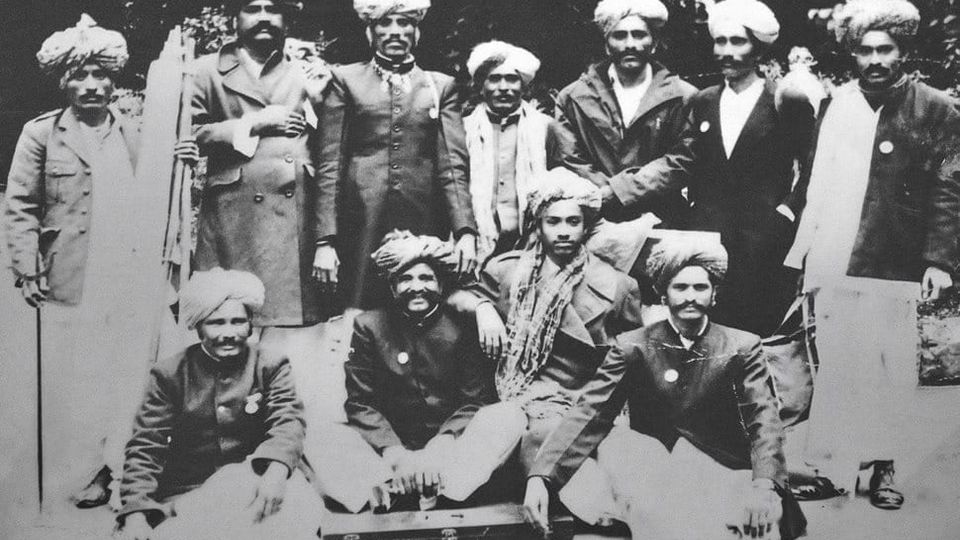 Folk musicKesariya Balam — the songs of the ManganiyarsMaand singing from the Thar, the hum of the kamaicha and the clack of the khartal.5 scenes · with music · ♥ 11
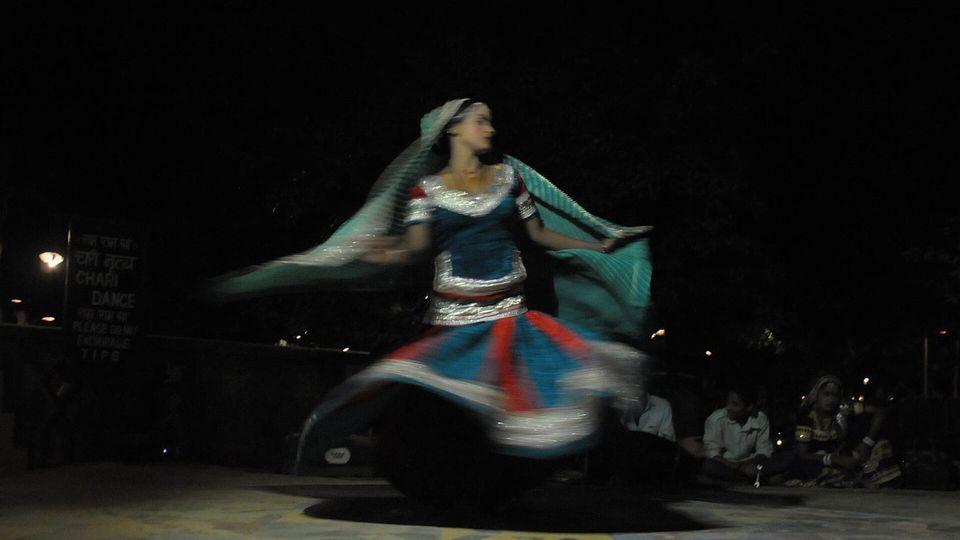 Folk danceGhoomar — the dance of the swirling skirtSwirling ghagras, flowing veils and clapping rhythms at Gangaur, Teej and weddings.3 scenes · with music · ♥ 13
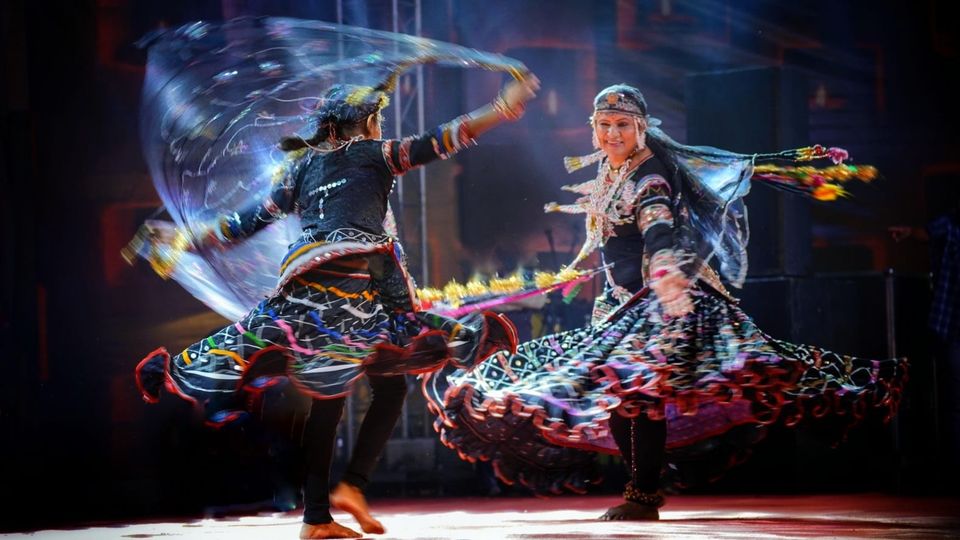 Folk danceKalbeliya — the serpent dance, a UNESCO heritageBodies sway like serpents to the pungi; on UNESCO’s intangible heritage list since 2010.4 scenes · with music · ♥ 1
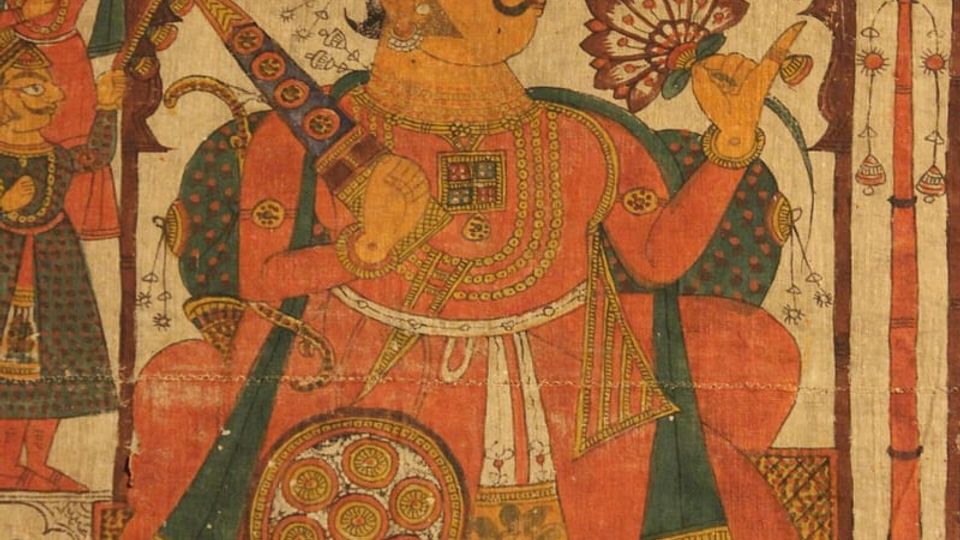 PaintingPhad and Ravanahatha — a story that travelsThrough the night, the bhopa and bhopi sing the epic of folk deities before the phad, to the ravanahatha.4 scenes · with music · ♥ 5