Kalbeliya — the serpent dance, a UNESCO heritage
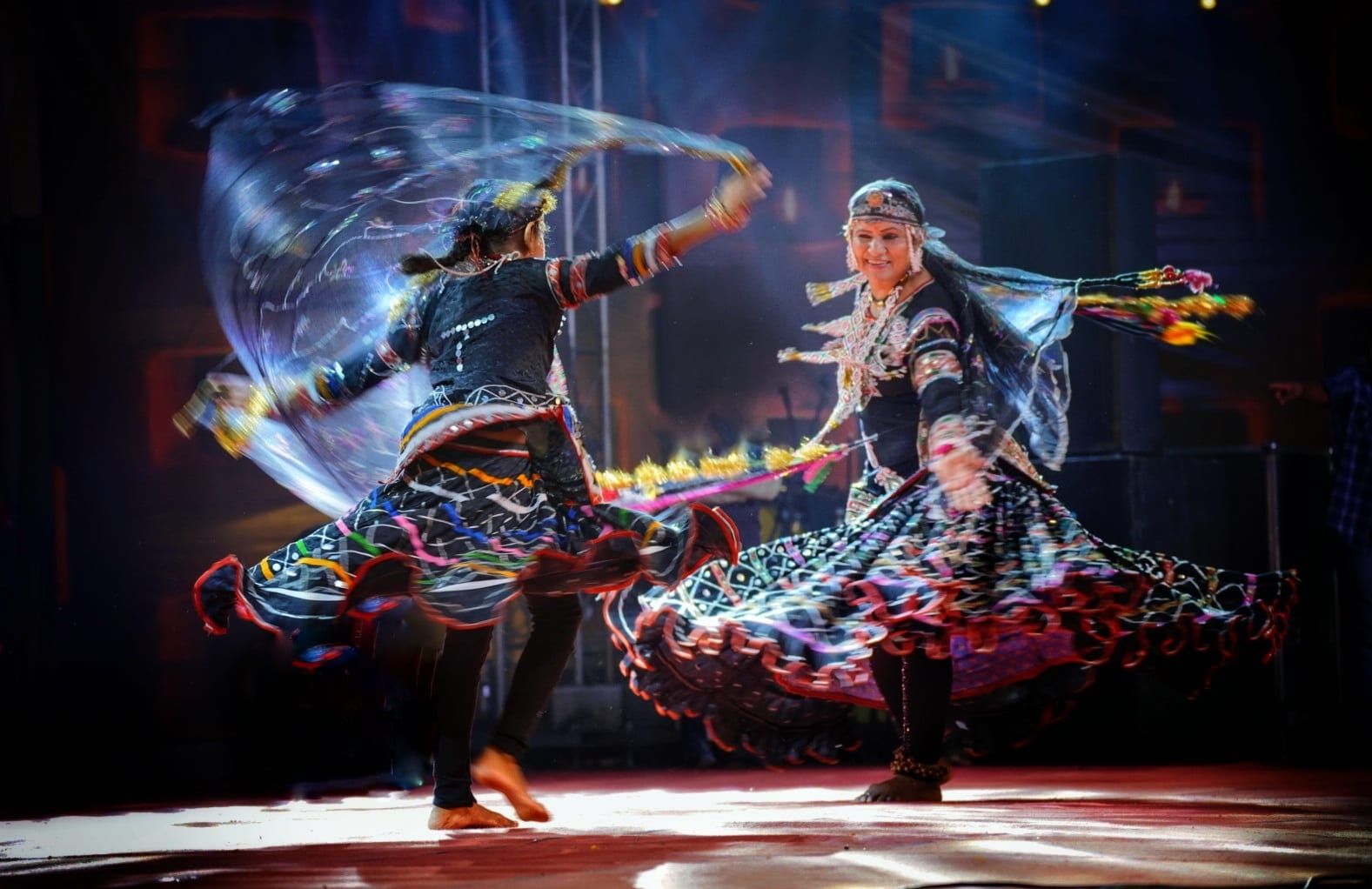
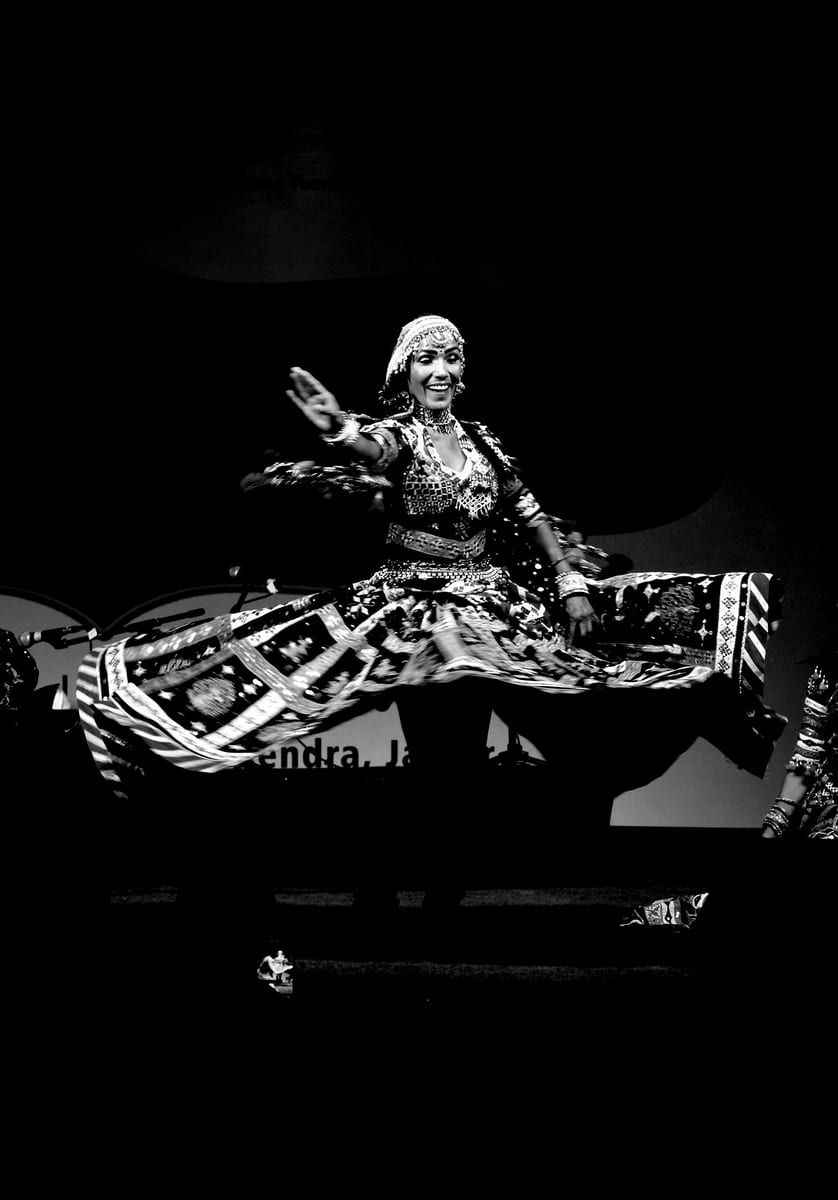
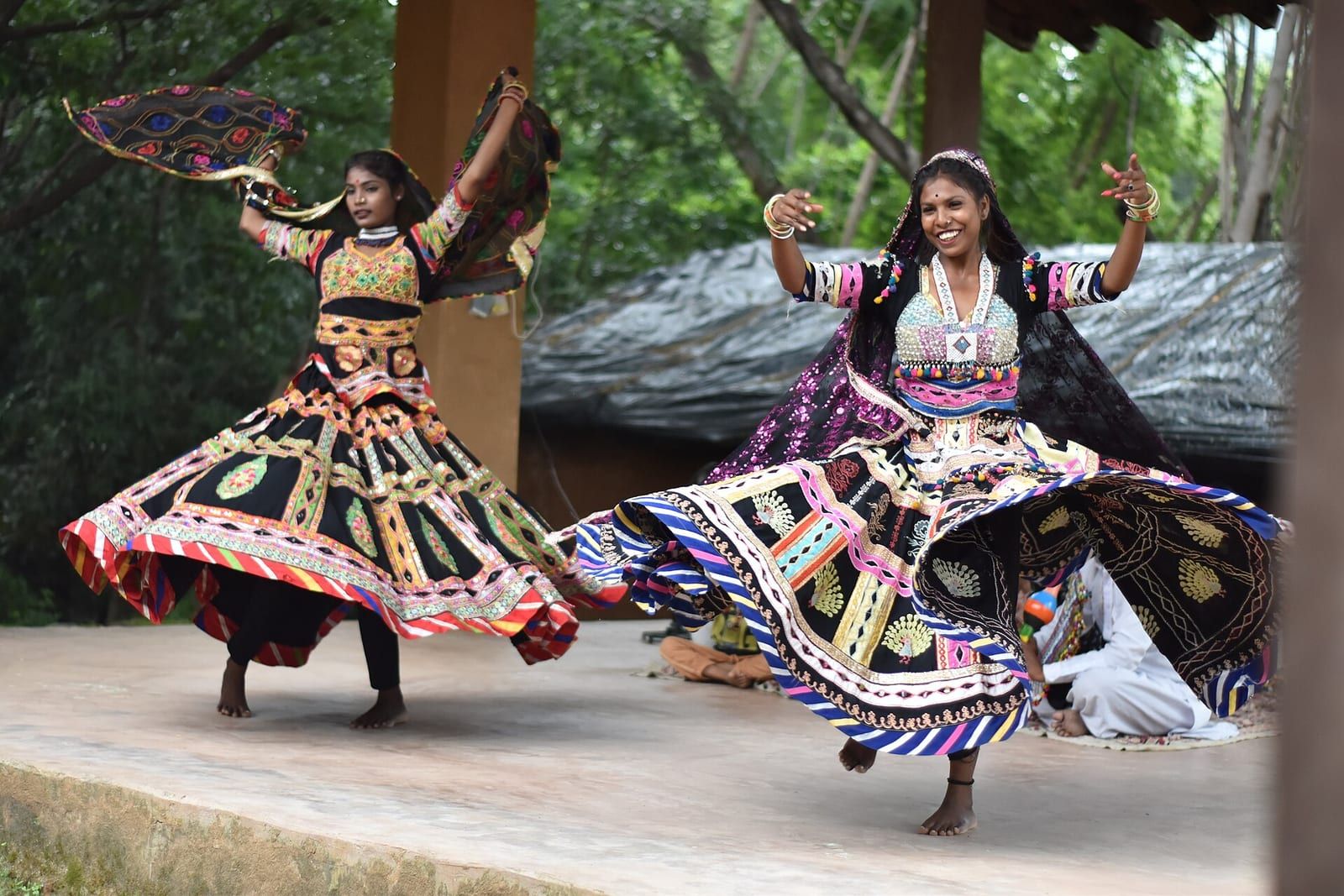
Bodies sway like serpents to the pungi; on UNESCO’s intangible heritage list since 2010.

TIMES of RAJASTHAN · DARSHAN
Kalbeliya — the serpent dance, a UNESCO heritage
Bodies sway like serpents to the pungi; on UNESCO’s intangible heritage list since 2010.
In detail
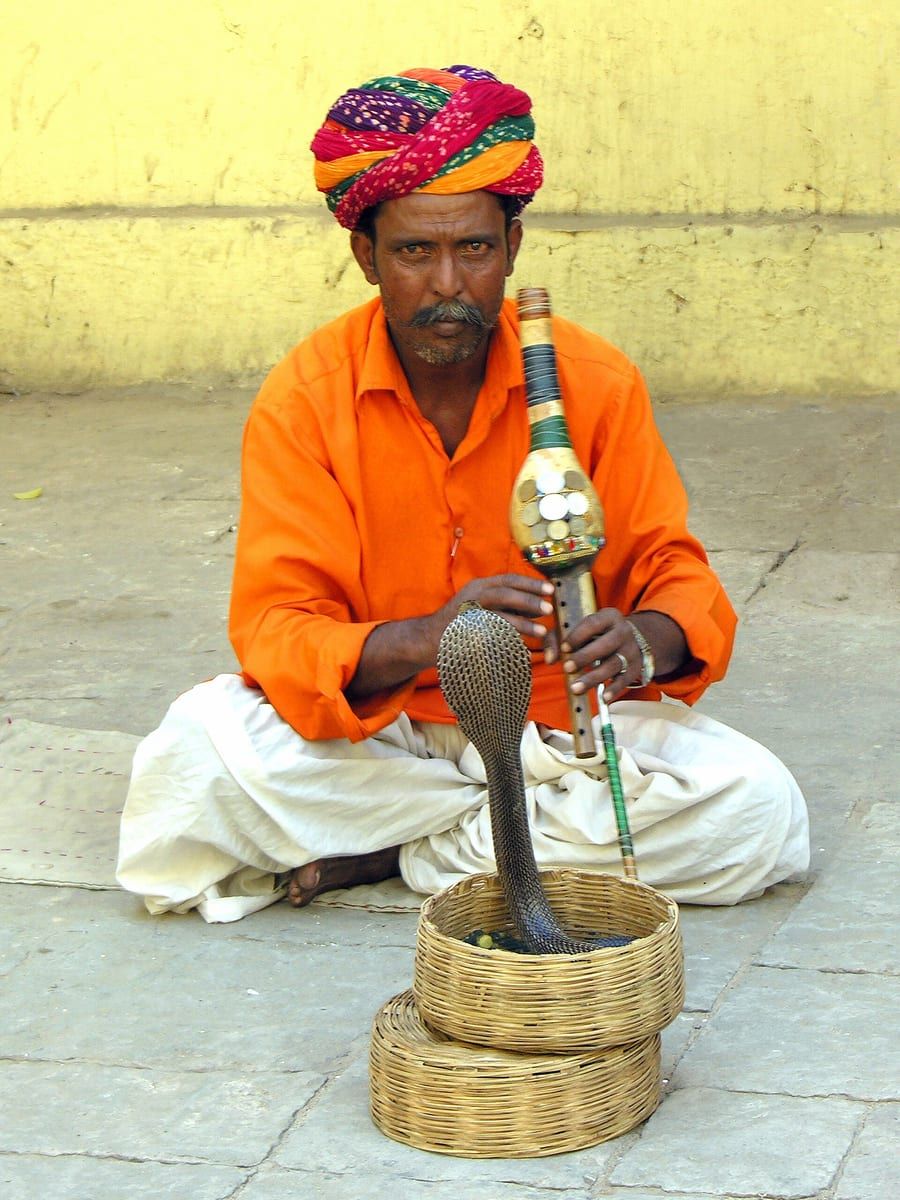
The Kalbeliya are a snake‑charming tribe from Rajasthan’s Thar Desert whose dance is a vital cultural expression performed by both men and women. They belong to the Nath Shaiva sect and follow Sage Kanifnath, famed for drinking poison and gaining control over venomous creatures.
Overview
The Kalbelia are a snake‑charming tribe native to the Thar Desert of Rajasthan, India. Their cultural identity is closely tied to the art of snake handling, and dance forms a central part of everyday life, performed by both men and women within the community.
The community follows the Nath Shaiva sect, revering Sage Kanifnath as their spiritual ancestor. According to legend, Kanifnath drank a bowl of poison and was granted mastery over venomous snakes and other animals, a myth that underpins the tribe’s traditional practices and their reputed ability to charm and control snakes.
These beliefs and rituals are expressed through their distinctive dance, which reflects the movements and spirit of serpents. The performances serve not only as entertainment but also as a living embodiment of the tribe’s heritage and their connection to the mystical legacy of Kanifnath.
History and origins
The Kalbeliya community traces its cultural zenith to the 12th and 13th centuries, which they refer to as their golden age. Their fortunes began to wane after the defeat of the Rajput king Prithviraj Chauhan by Muhammad Ghori, an event that marked a turning point for the tribe. In the 14th century, facing persecution and forced conversions under Islamic rulers, the Kalbeliya migrated from present‑day Rajasthan to regions of Gujarat, Madhya Pradesh and Maharashtra. Despite these hardships, they later found patronage in the Mughal courts, where they were invited to perform snake‑handling tricks and their traditional dance, showcasing their unique artistry.
During the period of British colonial rule, the Kalbeliya played a covert role in the Indian freedom movement. Their intimate knowledge of the harsh desert terrain enabled them to convey secret messages, provide safe passage, and guide revolutionaries across remote routes that lay beyond British‑monitored roads. Nevertheless, their nomadic lifestyle placed them outside formal administrative structures, and the colonial authorities classified them under the Criminal Tribes Act, labeling them as ‘habitual criminals’. This designation inflicted lasting social stigma and marginalisation.
After India gained independence, the Criminal Tribes Act was repealed in 1952, and the Kalbeliya were officially “denotified.” While the legal label was removed, the community continues to grapple with the lingering effects of historical discrimination, facing ongoing social and economic marginalisation rooted in the legacy of the colonial era.
Based on: the Wikipedia article (CC BY-SA 4.0) — facts from that source; edited and translated by Times of Rajasthan.
Instruments
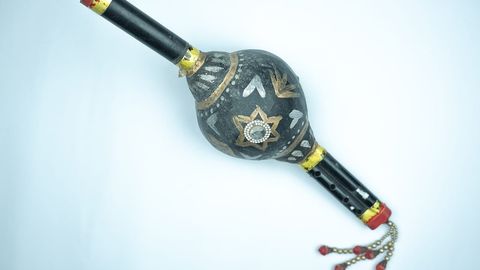
Pungi (been)
A gourd wind instrument — the signature sound of Kalbeliya music.
Daf
The large frame drum that sets the pace of the dance.
Khanjari
A small tambourine with jingles.
Artists & communities
The Kalbeliya community
A traditionally nomadic community of snake-charmers whose dance and songs are their identity.
More visual stories
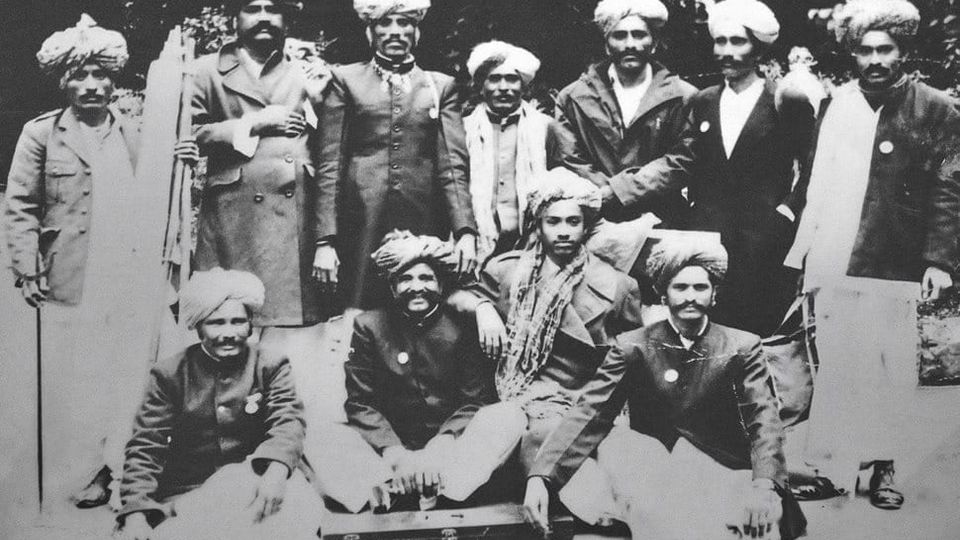 Folk musicKesariya Balam — the songs of the ManganiyarsMaand singing from the Thar, the hum of the kamaicha and the clack of the khartal.5 scenes · with music · ♥ 11
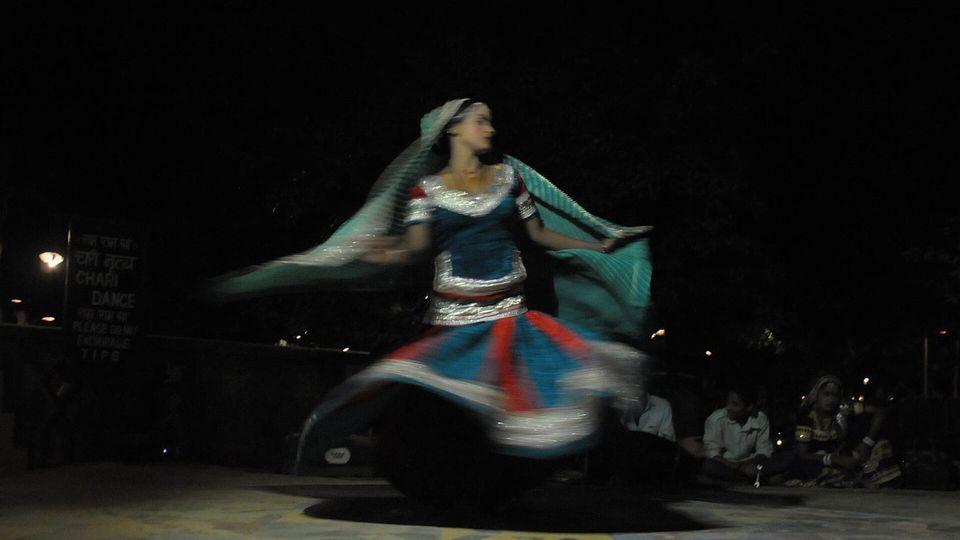 Folk danceGhoomar — the dance of the swirling skirtSwirling ghagras, flowing veils and clapping rhythms at Gangaur, Teej and weddings.3 scenes · with music · ♥ 13
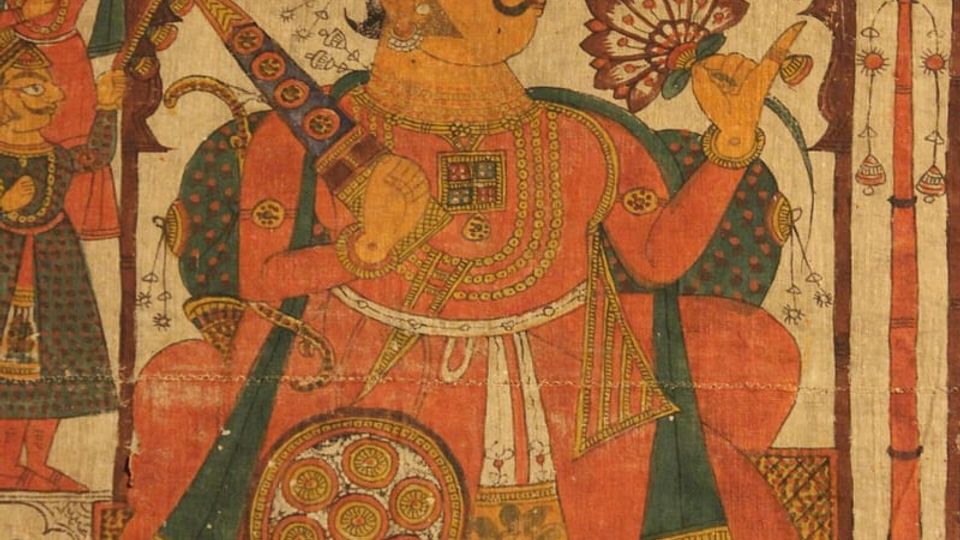 PaintingPhad and Ravanahatha — a story that travelsThrough the night, the bhopa and bhopi sing the epic of folk deities before the phad, to the ravanahatha.4 scenes · with music · ♥ 5
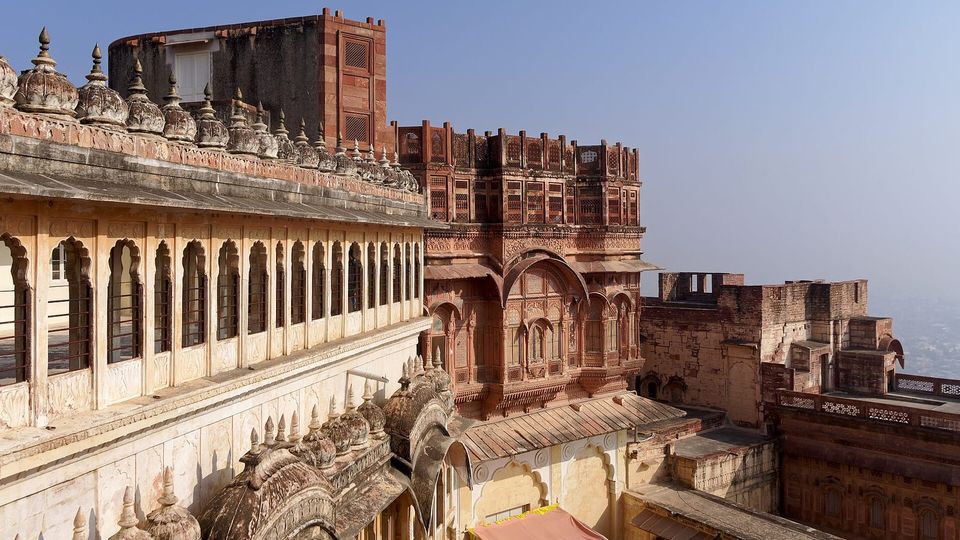 FortsMehrangarh — the crown of the Sun CityFounded by Rao Jodha on the Chidiatunk hill in 1459, above the blue city of Jodhpur.4 scenes · with music · ♥ 4
Photos: Prajeshdutta / Wikimedia Commons (CC BY-SA 4.0) · Manojmeena / Wikimedia Commons (CC BY-SA 4.0) · Dennis G. Jarvis / Wikimedia Commons (CC BY-SA 2.0) · Kenneth Lewis / Wikimedia Commons (CC BY-SA 4.0) · Moheen / Wikimedia Commons (CC BY-SA 4.0)