Ghoomar — the dance of the swirling skirt
Swirling ghagras, flowing veils and clapping rhythms at Gangaur, Teej and weddings.
TIMES of RAJASTHAN · DARSHAN
Ghoomar — the dance of the swirling skirt
Swirling ghagras, flowing veils and clapping rhythms at Gangaur, Teej and weddings.
In detail
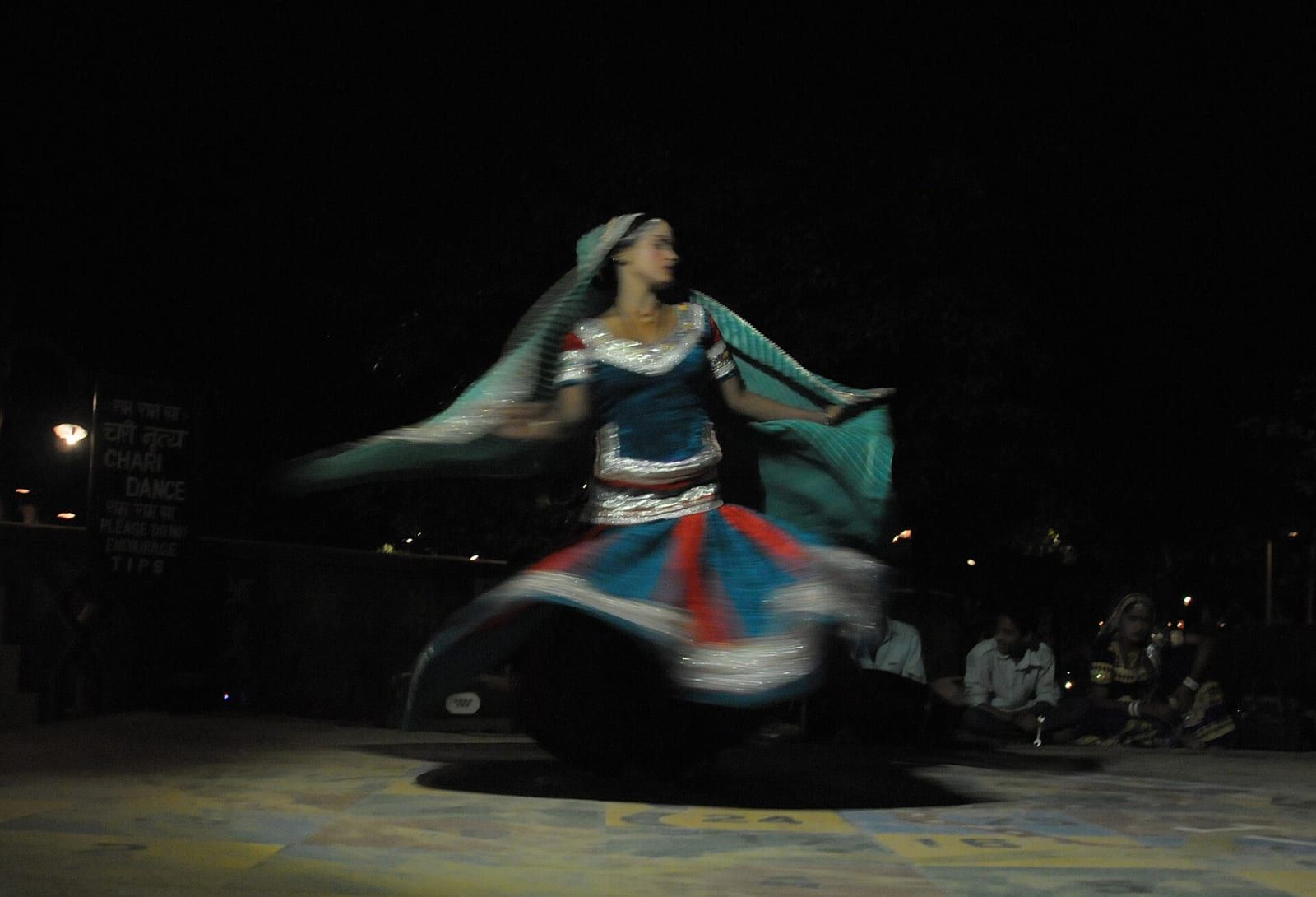
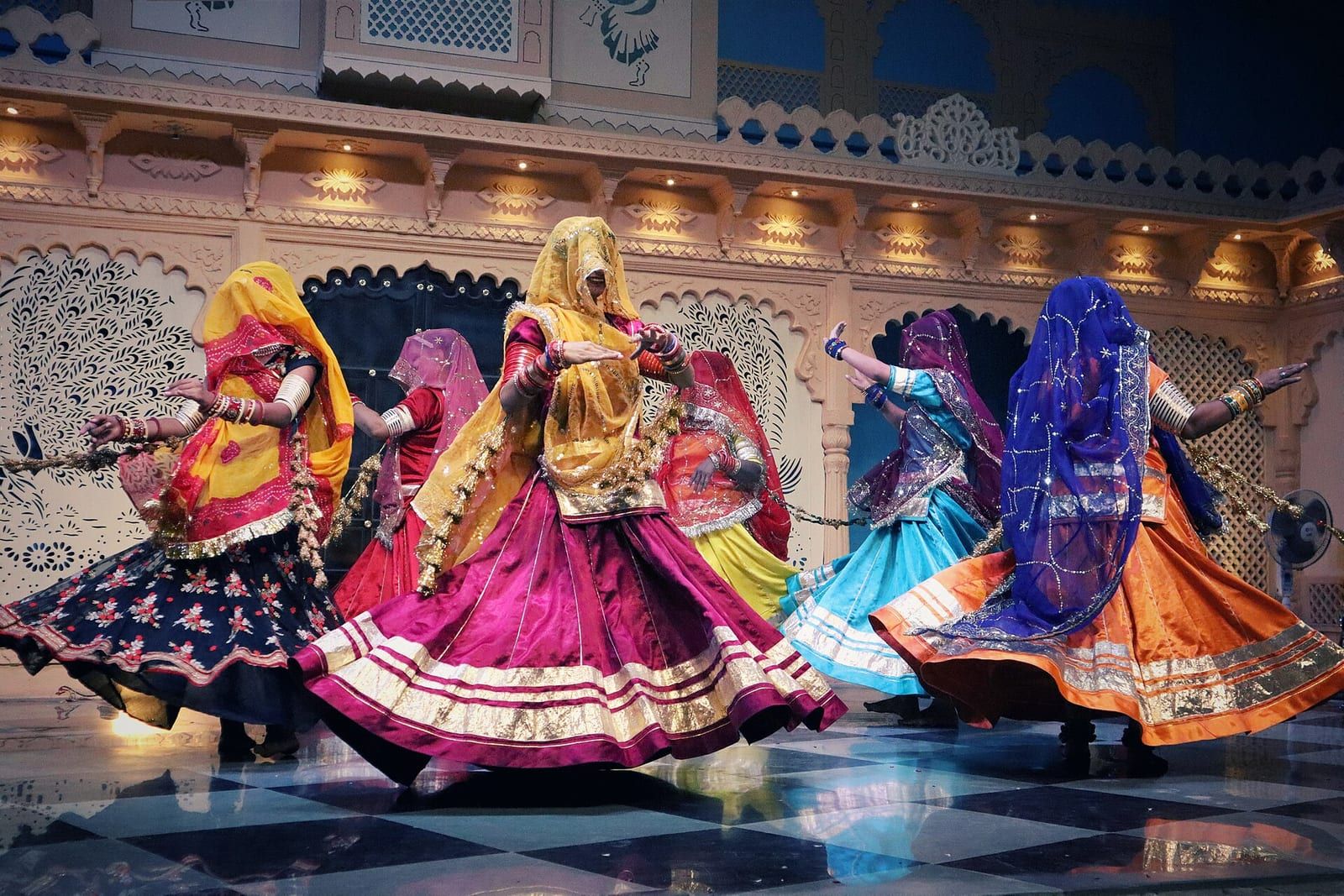
Ghoomar is a traditional folk dance of Rajasthan performed by veiled women in flowing ghaghara, characterized by pirouettes in a wide circle. It originated with the Bhil tribe worshipping Goddess Saraswati and later adopted by Rajputs, often performed at weddings, festivals, and religious occasions, sometimes lasting hours.
Overview
Ghoomar is a traditional folk dance of Rajasthan that originated with the Bhil tribe, who performed it to worship Goddess Saraswati. The dance was later embraced by the Rajputs.
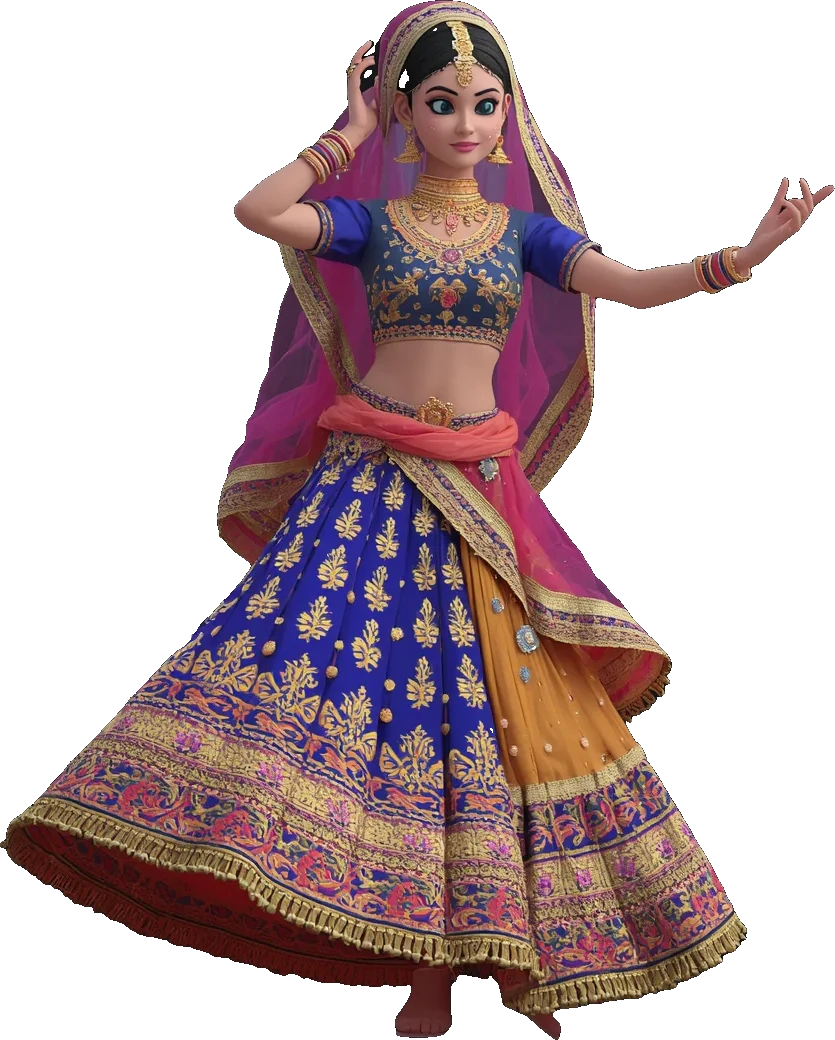
The performers are veiled women who wear flowing dresses called ghaghara. They pirouette while moving in and out of a wide circle, creating a swirling effect that gives the dance its name. The word ghoomna, meaning to twirl, is the basis of the word ghoomar.
According to traditional rituals, a newly married bride is expected to dance ghoomar when she is welcomed into her new marital home. The dance is often performed on special occasions such as weddings, festivals, and religious events, and can sometimes last for hours.
History and origins
Ghoomar is a dance that originated with the Bhil tribe, who performed it as a form of worship to the goddess Sarasvati. The Bhils were a powerful community at the time and were frequently in conflict with the Rajput kings. After a period of warfare, peace was established and the two groups began to interact more closely.
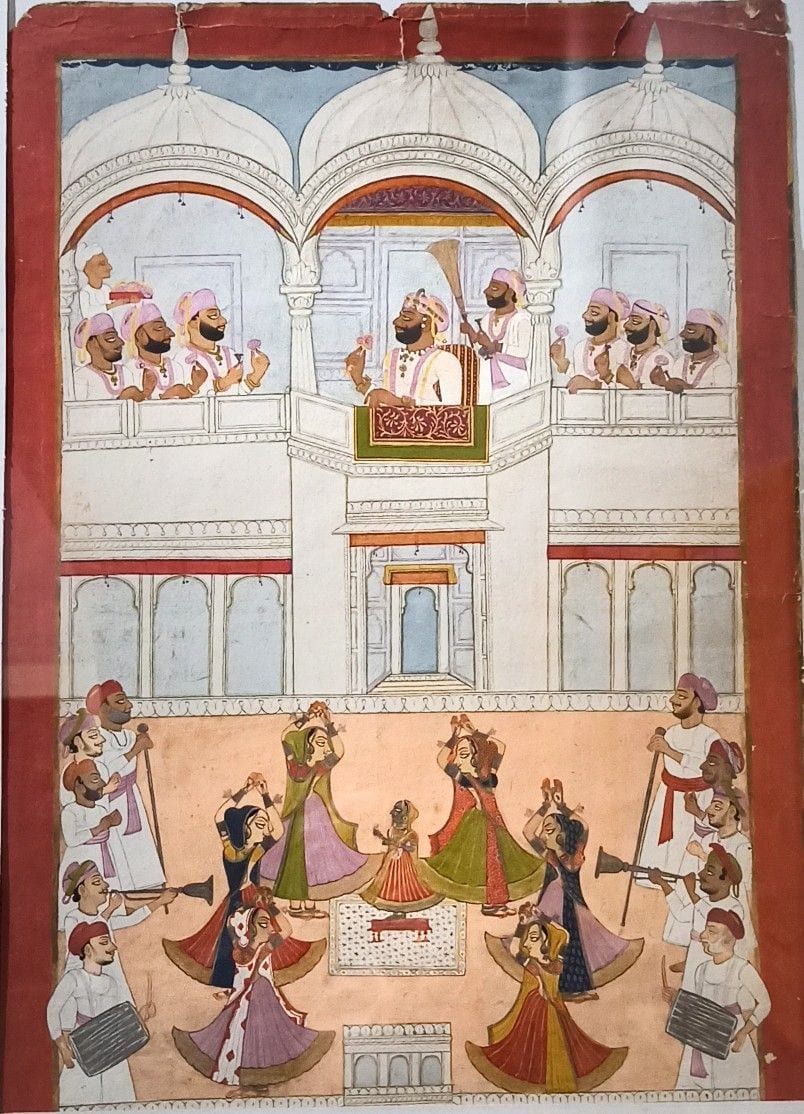
During the period of Rajput rule, the dance spread beyond the Bhils and was adopted by local women throughout Rajputana. The Rajput elite women eventually joined in, and the dance became a popular cultural expression in the Indian state of Rajasthan. Men were not permitted to participate in these performances.
Ghoomar is typically performed by women on auspicious occasions, with each dancer wearing a ghoonghat that covers her face. The style of the dance and the attire vary slightly across different regions of Rajasthan. In areas near Gujarat, the dance is performed to faster beats and the steps resemble those of garba. In the Dhaulpur Karauli Braj kshetra, the beats are slower, and similar regional variations can be seen in Udaipur, Kota, Bundi, and other parts of the state.
Based on: the Wikipedia article (CC BY-SA 4.0) — facts from that source; edited and translated by Times of Rajasthan.
Song
Ghoomar (traditional folk song)
Mhaari ghoomar chhe nakhraali ae maa
(My ghoomar is so graceful, O mother)
Ghoomar ramva mhain jaasyaan (I will go to dance the ghoomar)
Instruments
Dhol
The big drum whose beat sets the circle turning.
Shehnai
The reed instrument of every auspicious occasion.
Artists & communities
Bhil and Rajput traditions
Ghoomar is traced to the Bhil community and was later taken up by the women of Rajput royal households.
More visual stories
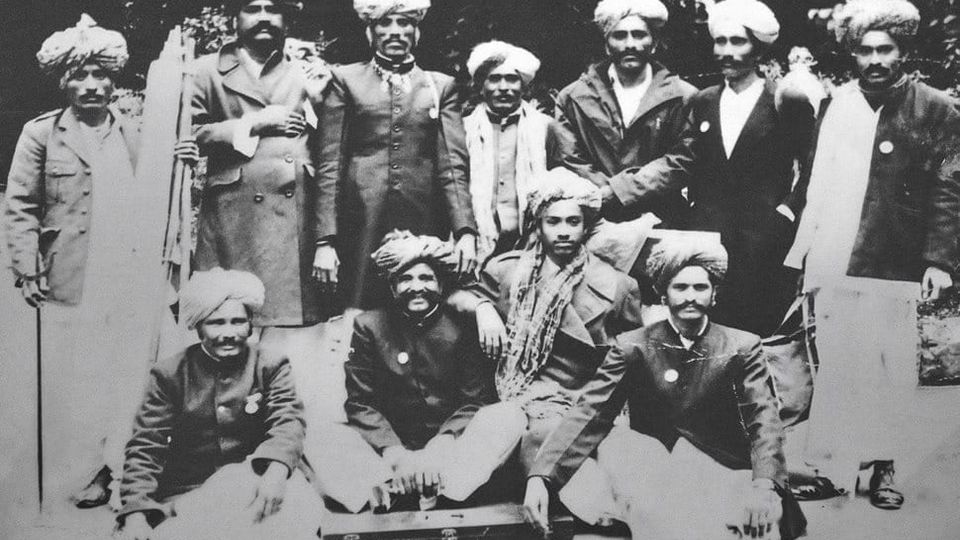 Folk musicKesariya Balam — the songs of the ManganiyarsMaand singing from the Thar, the hum of the kamaicha and the clack of the khartal.5 scenes · with music · ♥ 11
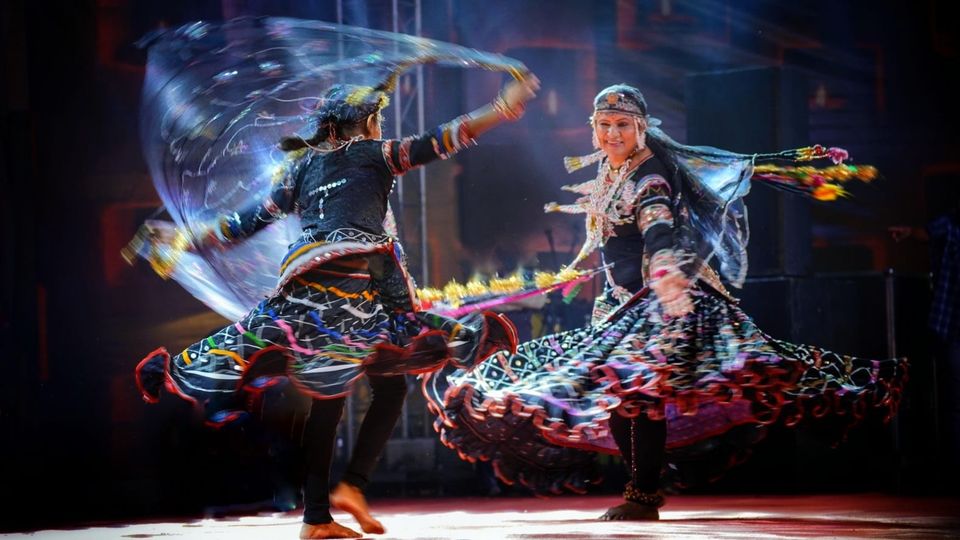 Folk danceKalbeliya — the serpent dance, a UNESCO heritageBodies sway like serpents to the pungi; on UNESCO’s intangible heritage list since 2010.4 scenes · with music · ♥ 1
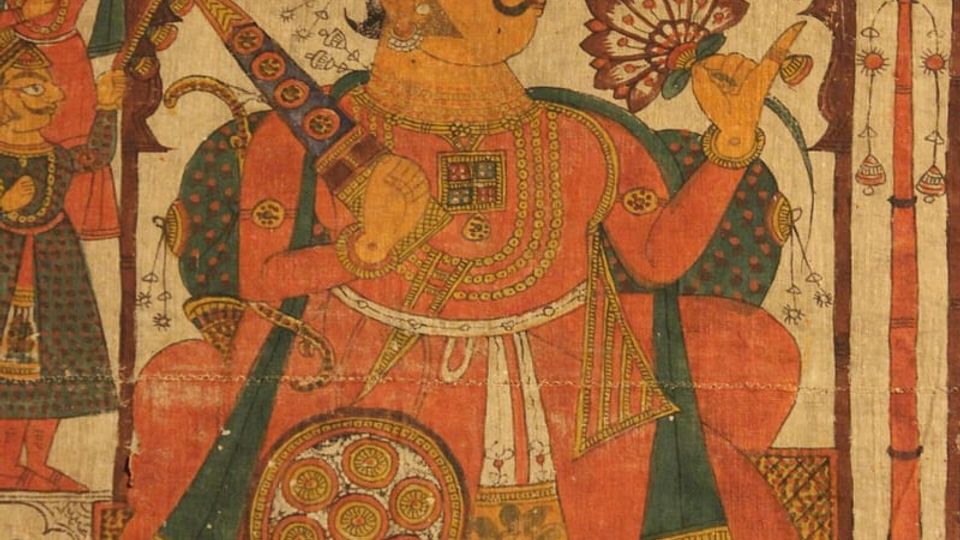 PaintingPhad and Ravanahatha — a story that travelsThrough the night, the bhopa and bhopi sing the epic of folk deities before the phad, to the ravanahatha.4 scenes · with music · ♥ 5
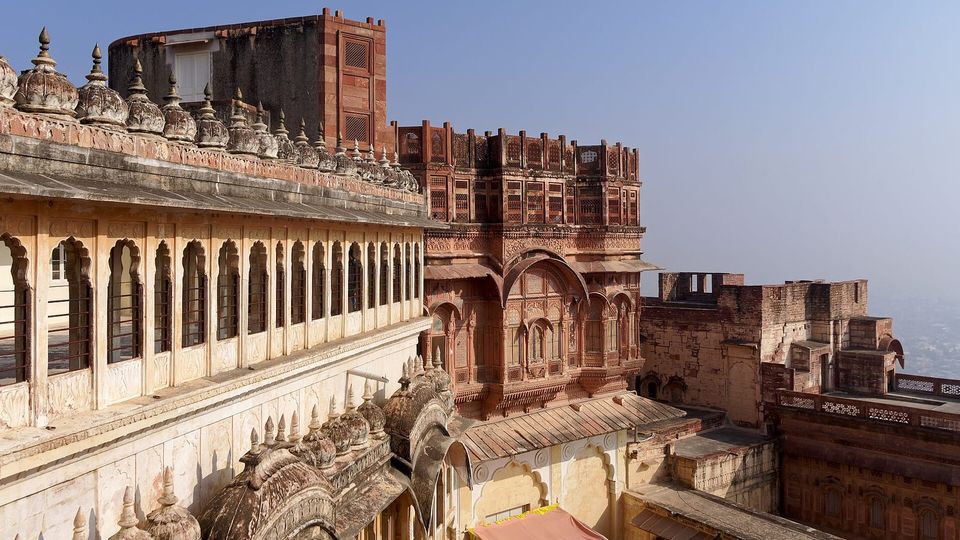 FortsMehrangarh — the crown of the Sun CityFounded by Rao Jodha on the Chidiatunk hill in 1459, above the blue city of Jodhpur.4 scenes · with music · ♥ 4
Photos: Ktorrespr / Wikimedia Commons (CC BY-SA 4.0) · Aali Jain / Wikimedia Commons (CC BY-SA 4.0) · SpeakingArch / Wikimedia Commons (CC BY-SA 4.0)