Stepwells of Rajasthan
Step into the story of Rajasthan's stepwells, where each descent reveals the art and calm of water heritage.

TIMES of RAJASTHAN · DARSHAN
Stepwells of Rajasthan
Step into the story of Rajasthan's stepwells, where each descent reveals the art and calm of water heritage.
In detail
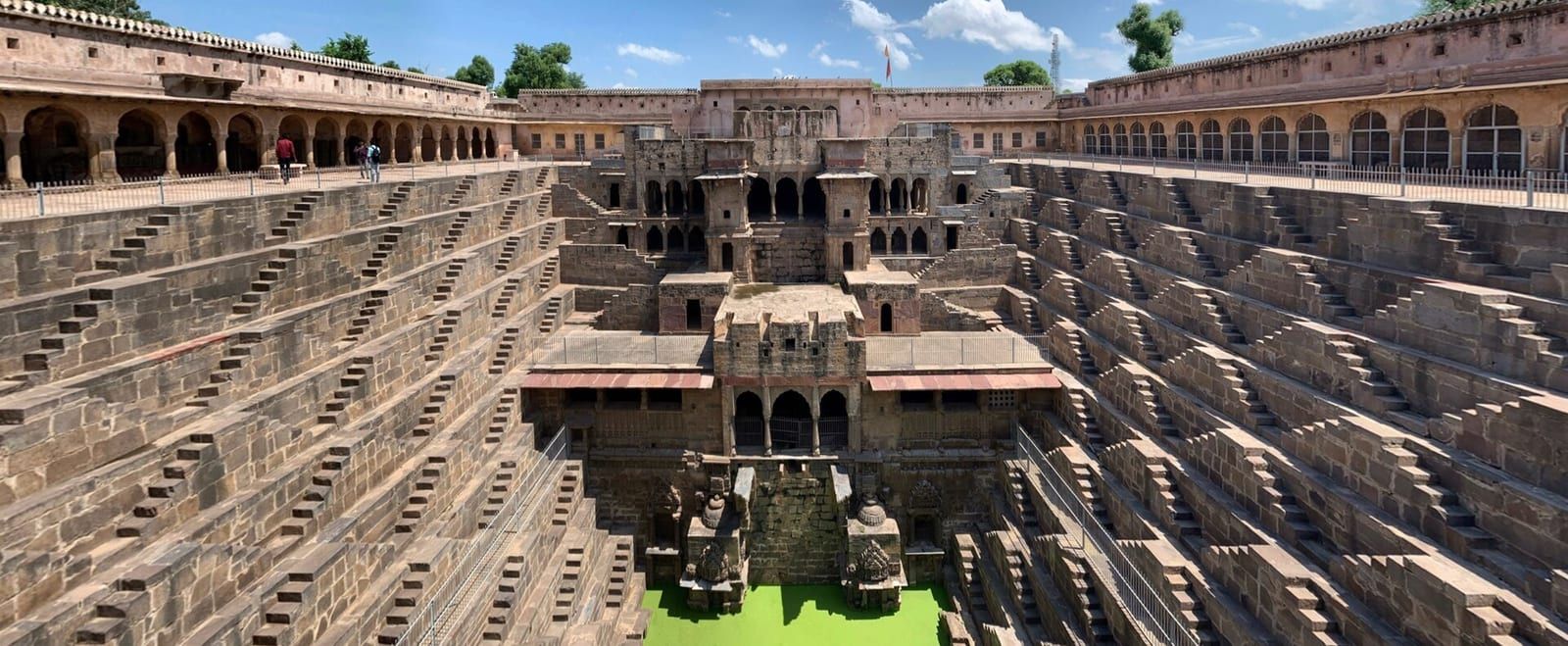
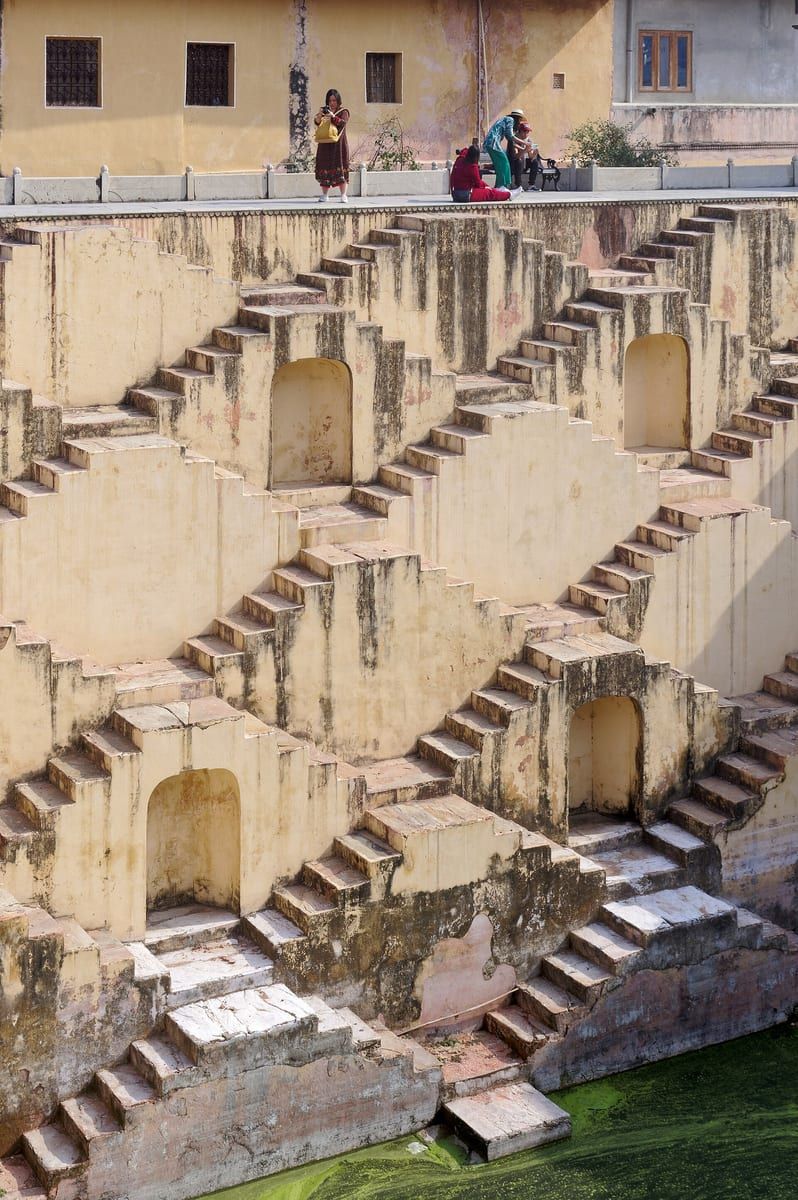
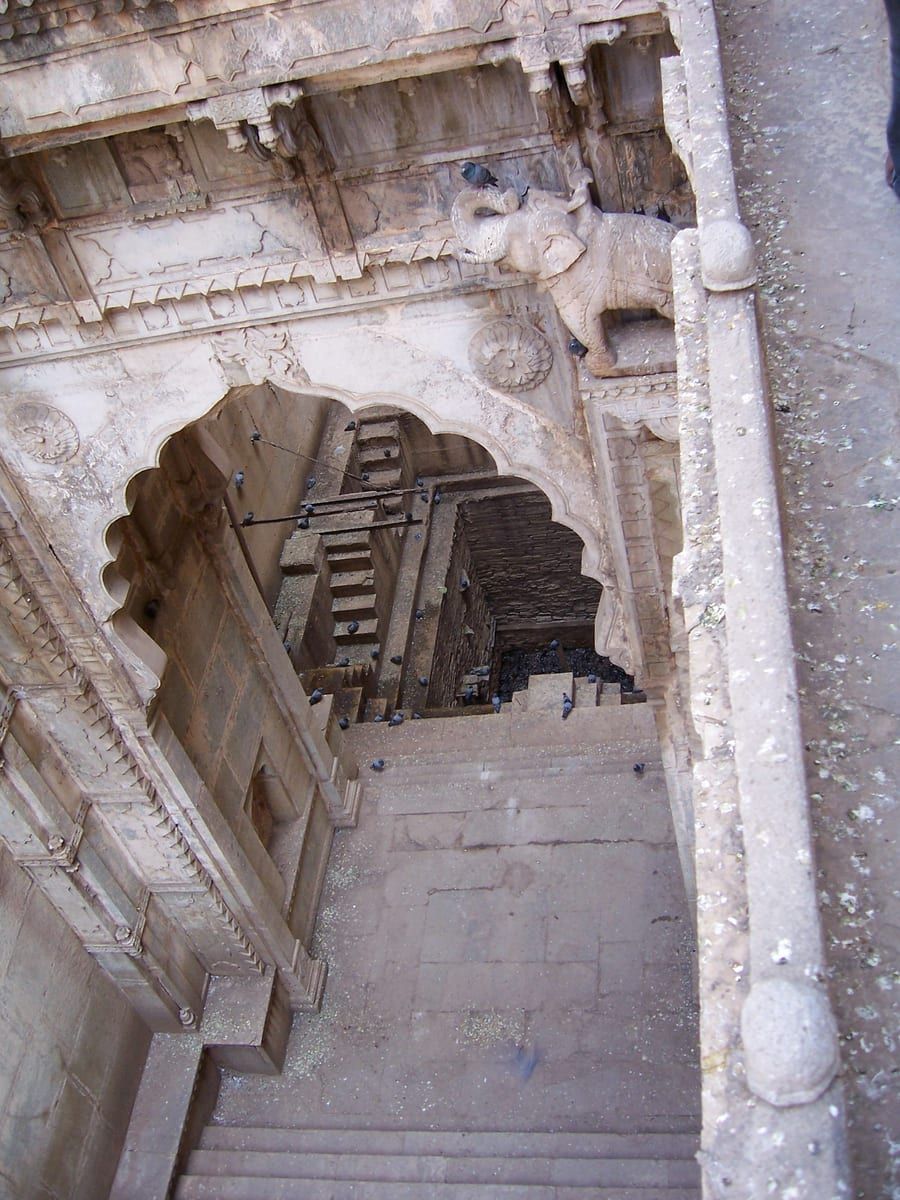
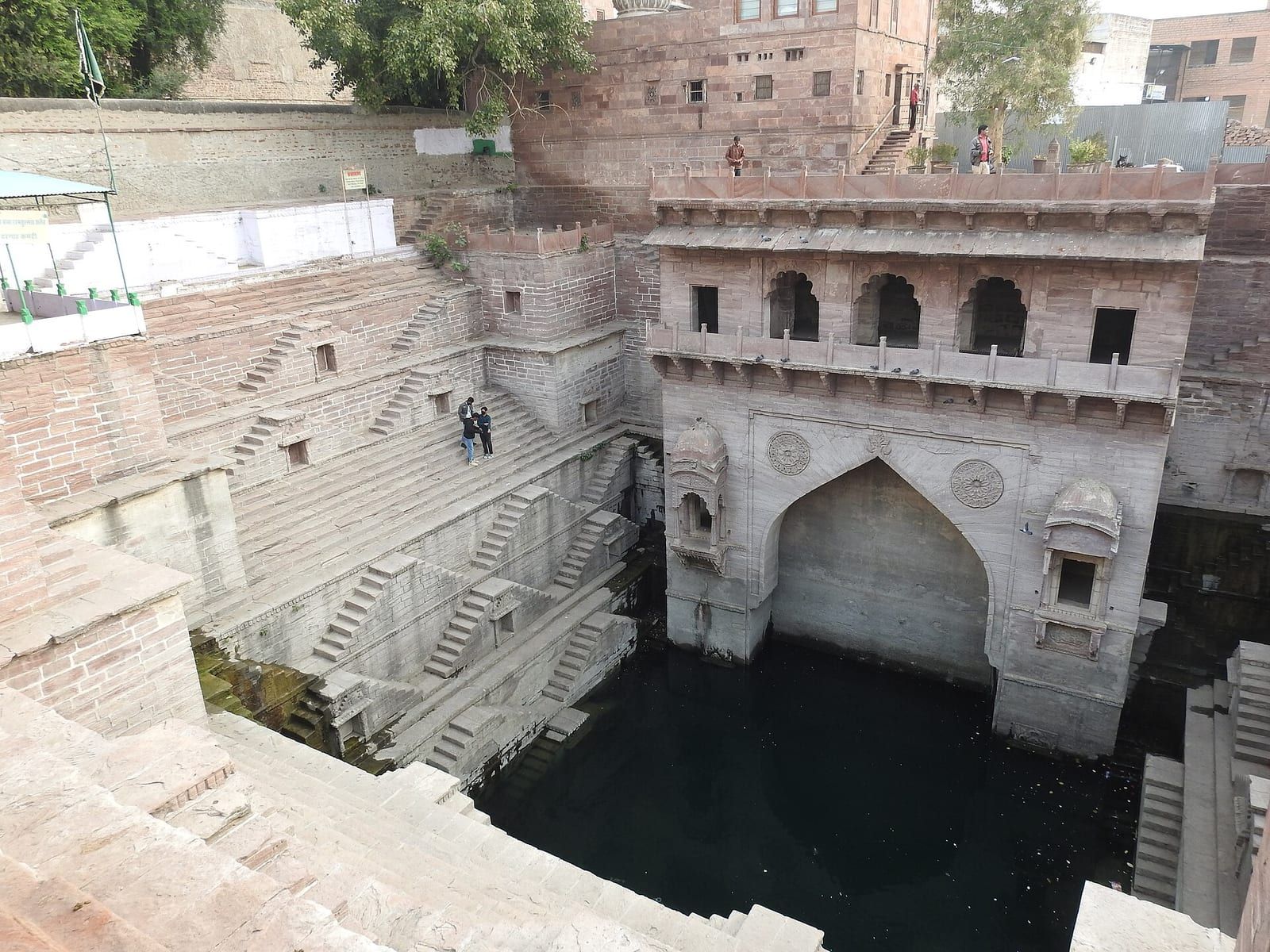
Stepwells, known as vav in Gujarati and baori in Hindi, are wells with long stepped corridors that descend to the water level and were prominent in western India from the 7th to the 19th century. They served primarily utilitarian purposes, sometimes featuring architectural embellishments and even Persian‑wheel mechanisms for water lifting.
History and origins
The tradition of stepwells in India appears to have begun as a response to drought, providing reliable access to water. Archaeological traces of early stepwell-like structures are found at the Indus‑civilisation site of Dholavira, and the great bath at Mohenjo‑daro also featured steps leading down to water. By the time of Emperor Ashoka (3rd century BC), the practice was already well established; his inscriptions record that wells with stepped descents were dug at regular intervals along major roads, a custom that earlier kings had also followed.
The first rock‑cut stepwells in the subcontinent date from the early centuries of the Common Era. Examples include the 4th‑century Uperkot caves in Junagadh, which contain a bath‑like pond reached by steps, and the Navghan Kuvo, a circular‑staircase well whose construction is attributed to either the Western Satraps (200–400 AD) or the Maitrakas (600–700 AD). In Gujarat, the Adi Kadi Vav was built sometime between the late 10th and 15th centuries, while the stepwells at Dhank (550–625 AD) and the stepped ponds at Bhinmal (850–950 AD) illustrate a gradual regional development.
From around 600 AD, stepwell construction spread northward from southwestern Gujarat into Rajasthan and further into north‑ and west‑India. Initially a Hindu artistic expression, the building of stepwells reached its zenith under Muslim rule between the 11th and 16th centuries, when increasingly elaborate multi‑storey designs were created. The Mughal emperors continued to support this tradition, and stepwells remained functional and culturally significant well into the British period, when colonial authorities began to replace them with modern pipe and pump systems. In recent decades, renewed water scarcity has prompted the restoration of several historic stepwells, reviving their original purpose.
Where and when
Stepwells are typically situated either as extensions of temples or on the outskirts of villages. When they are linked to a temple or shrine, the water structure is placed either opposite the temple wall or directly in front of it, creating a spatial relationship that integrates the sacred and utilitarian functions.
Examples of this arrangement can be seen in several Indian stepwells that incorporate shrines within their design. The Sindhvai Mata stepwell in Patan, the Mata Bhavani stepwell in Ahmedabad, and the Ankol Mata stepwell in Davad each demonstrate how a stepwell can house a shrine, reinforcing the connection between water worship and temple activity.
Based on: the Wikipedia article (CC BY-SA 4.0) — facts from that source; edited and translated by Times of Rajasthan.
More visual stories
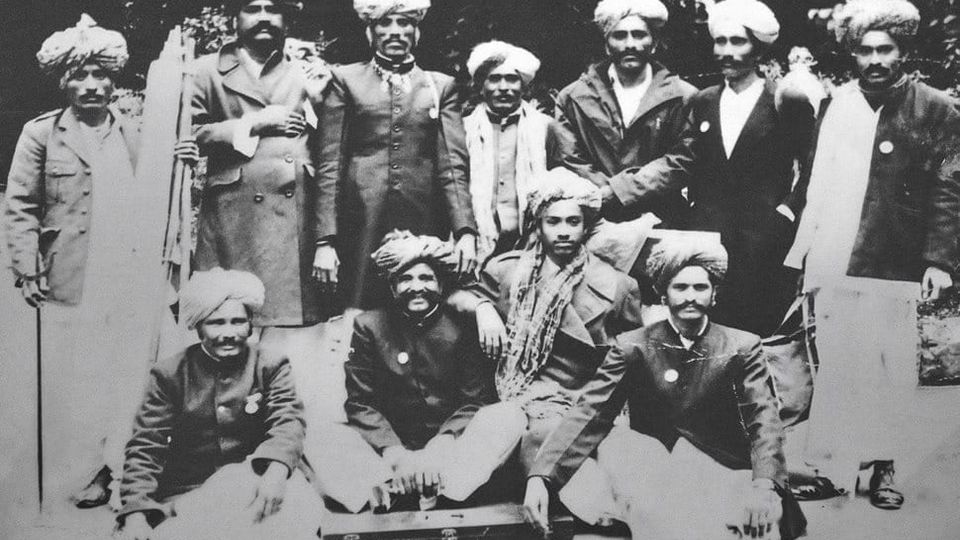 Folk musicKesariya Balam — the songs of the ManganiyarsMaand singing from the Thar, the hum of the kamaicha and the clack of the khartal.5 scenes · with music · ♥ 11
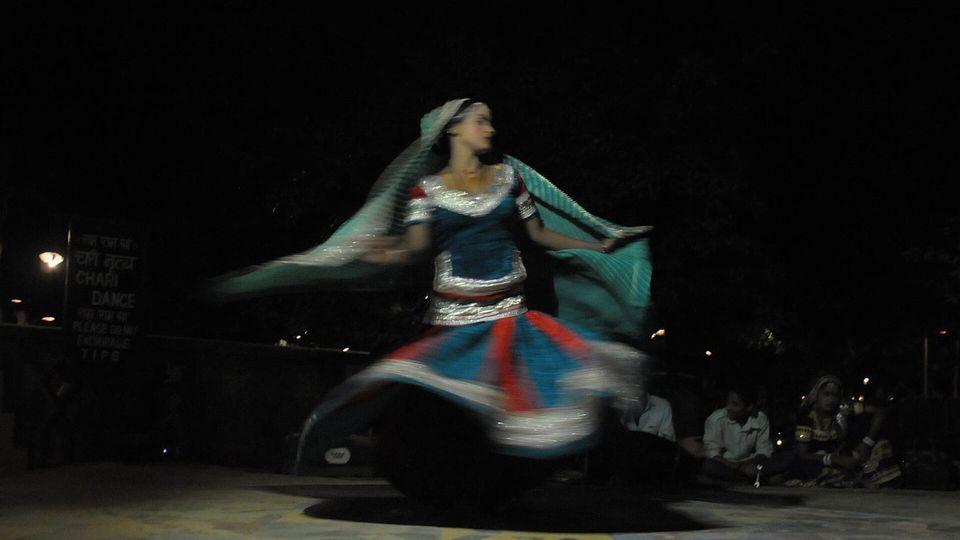 Folk danceGhoomar — the dance of the swirling skirtSwirling ghagras, flowing veils and clapping rhythms at Gangaur, Teej and weddings.3 scenes · with music · ♥ 13
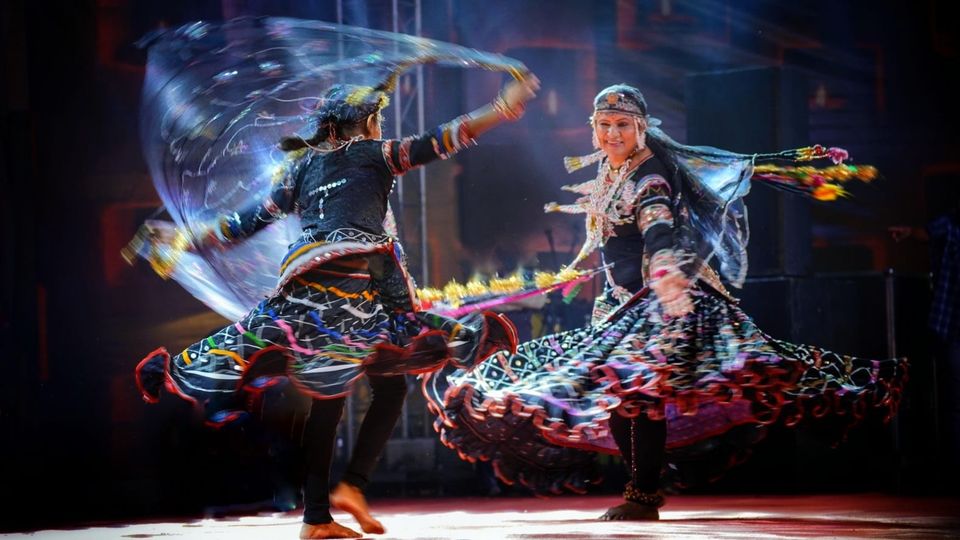 Folk danceKalbeliya — the serpent dance, a UNESCO heritageBodies sway like serpents to the pungi; on UNESCO’s intangible heritage list since 2010.4 scenes · with music · ♥ 1
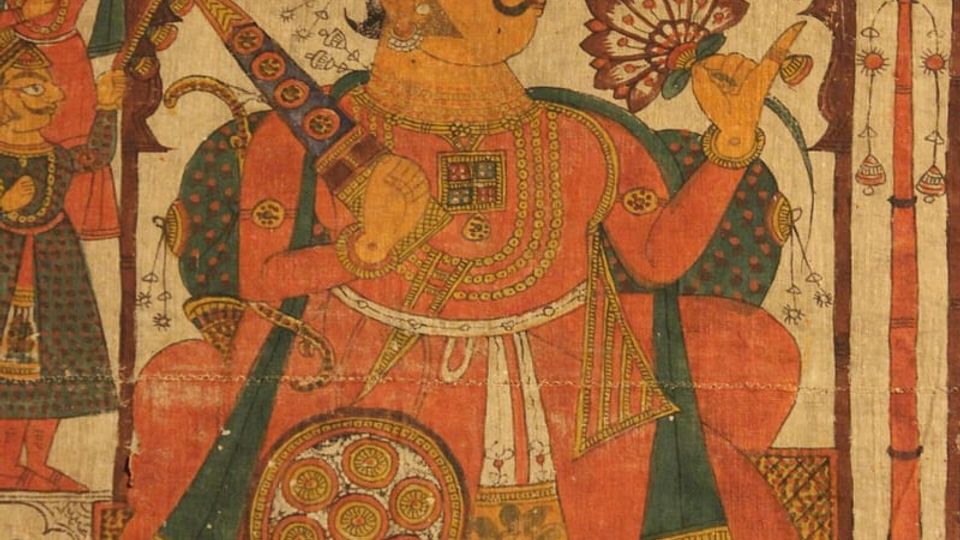 PaintingPhad and Ravanahatha — a story that travelsThrough the night, the bhopa and bhopi sing the epic of folk deities before the phad, to the ravanahatha.4 scenes · with music · ♥ 5
Photos: Chainwit. / Wikimedia Commons (CC BY-SA 4.0) · Jakub Hałun / Wikimedia Commons (CC BY-SA 4.0) · Justin Morgan from Richmond, Virginia, USA / Wikimedia Commons (CC BY-SA 2.0) · Dr. Raju Kasambe / Wikimedia Commons (CC BY-SA 4.0)