Painted havelis of Shekhawati
Welcome to the visual tale of Shekhawati's painted havelis.
TIMES of RAJASTHAN · DARSHAN
Painted havelis of Shekhawati
Welcome to the visual tale of Shekhawati's painted havelis.
In detail
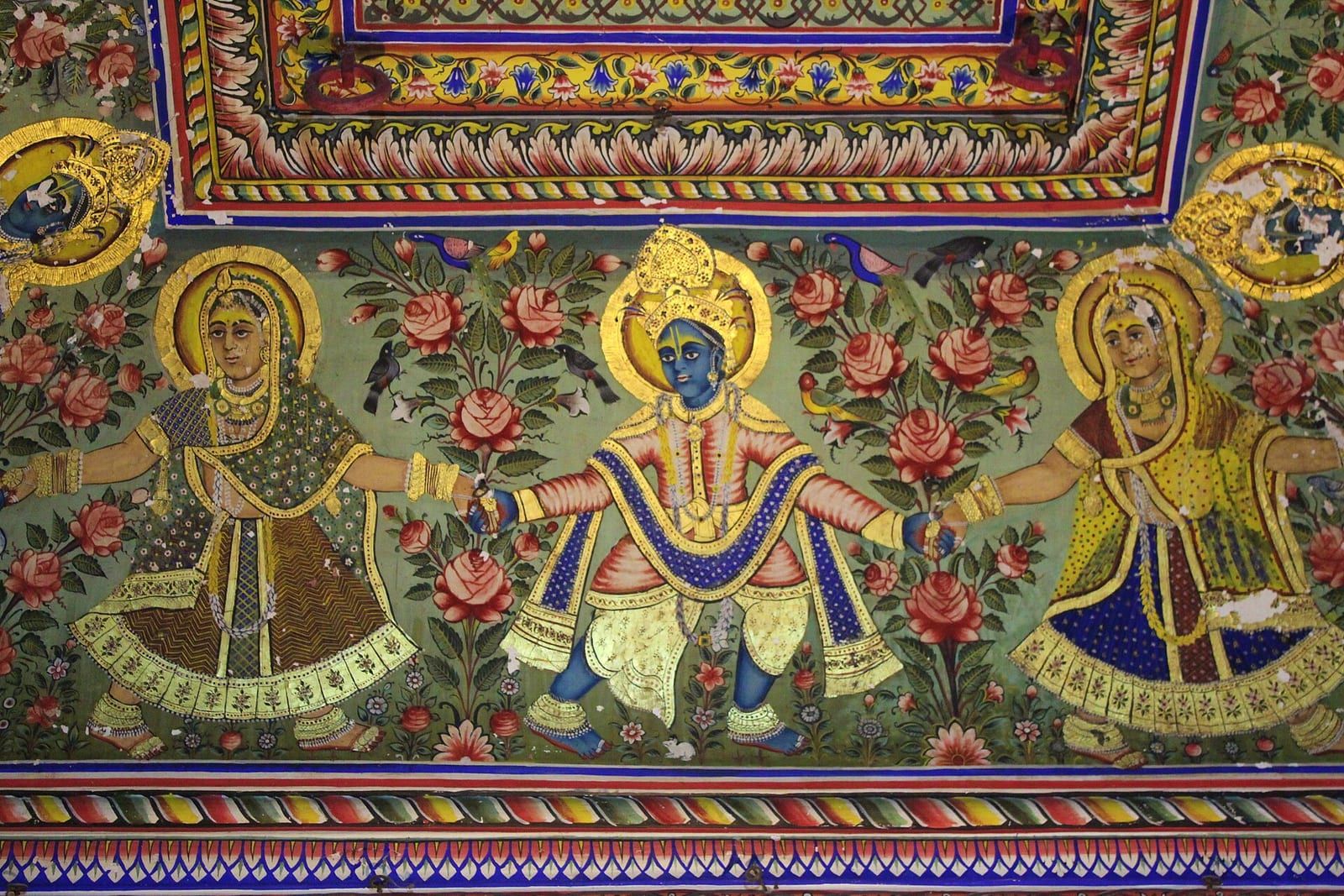
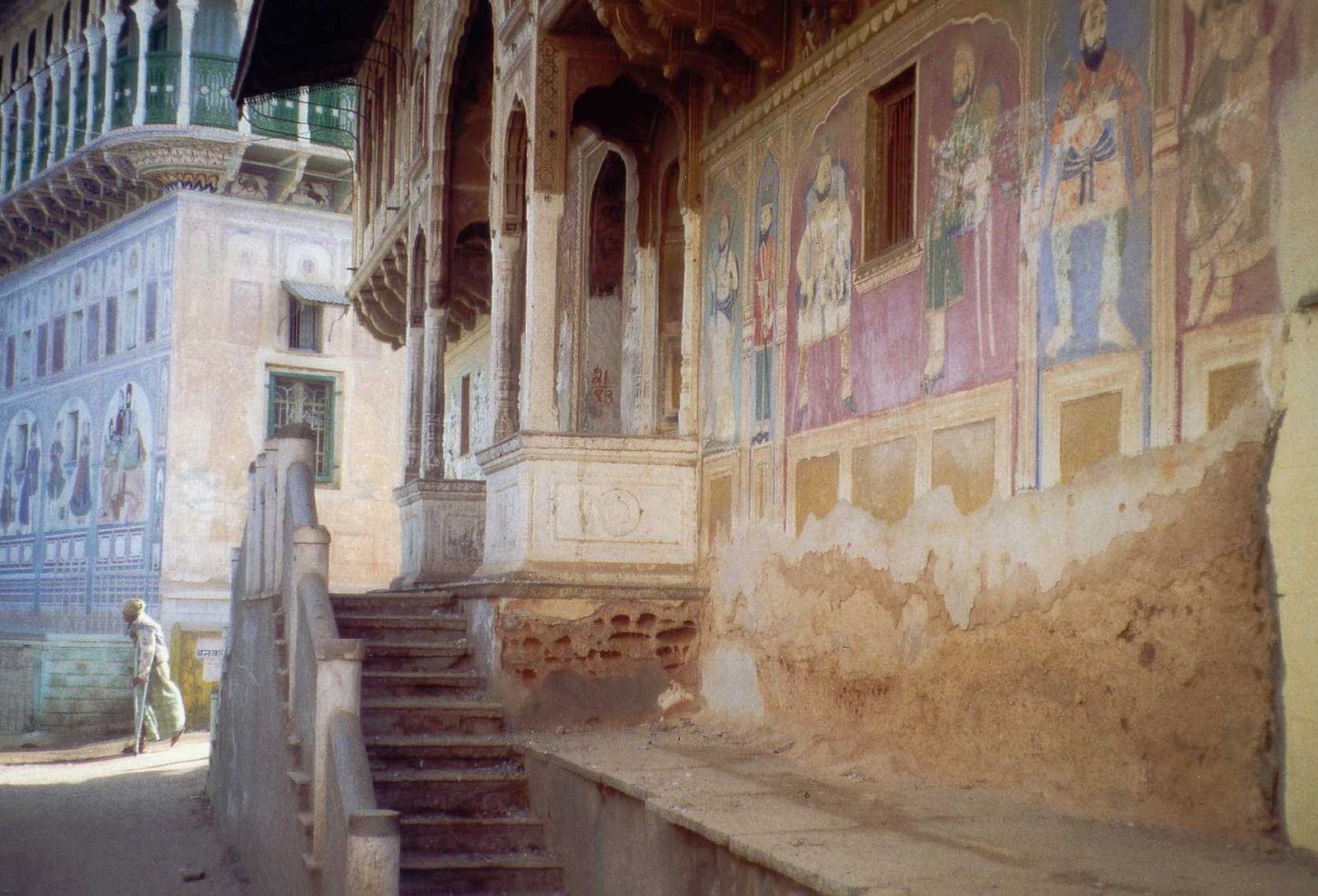
Shekhawati, a region in northern Rajasthan covering Sikar, Jhunjhunu and Churu districts, is famed for its grand mansions adorned with elaborate paintings. Between the 17th and 19th centuries Marwari merchants and Shekhawat kings erected havelis, temples and stepwells, all richly mural‑decorated.
Overview
Shekhawati, located in the northern part of Rajasthan, encompasses the districts of Sikar, Jhunjhunu, and Churu. The region is distinguished by its unique language, also called Shekhawati, which belongs to the eight dialects of the Rajasthani language. Its cultural identity is closely tied to the distinctive architecture and paintings that adorn its buildings.
From the 17th to the 19th centuries, the area saw the construction of numerous havelis by Marwari merchants and the Shekhawat kings. These grand mansions, along with other structures such as houses, temples, and stepwells, are renowned for their elaborate painted murals. The artwork decorates both the interiors and exteriors, creating a vivid visual record of the region’s artistic heritage.
The painted murals that cover the havelis and other edifices form a defining characteristic of Shekhawati, making the region a notable destination for those interested in architectural splendor and traditional Indian wall art.
What it is like
The Shahpura Haveli, a three‑century‑old palace built in the 17th century by Rao Pratap Singh, offers a vivid glimpse into the lived experience of Shekhawati’s historic homes. Visitors step into the zenana, the women’s quarters, where each room presents a distinct theme: one displays antique murals that echo traditional artistic motifs, another houses a marble fountain that adds a cool, reflective element, and the turret room impresses with walls that are seven feet thick, underscoring the solidity of the structure.
Beyond the private spaces, the Diwankhana serves as the formal drawing room. Its walls are lined with family portraits, creating a sense of lineage and continuity, while an array of antique armour adds a martial flair that hints at the region’s historic ties to warfare and protection. The combination of visual art, personal artifacts, and architectural heft conveys a layered atmosphere that blends domestic intimacy with the grandeur of a princely residence.
In recent years the haveli has been restored under the direction of Maharaj Surendra Singh and repurposed as a heritage hotel. The renovation respects the original design while providing modern comforts, allowing guests to inhabit the same spaces once reserved for the elite. Recognition as one of the Historic Hotels in the World in 2018 further underscores the building’s ability to convey the sensory and cultural richness of Shekhawati’s painted havelis to contemporary visitors.
Based on: the Wikipedia article (CC BY-SA 4.0) — facts from that source; edited and translated by Times of Rajasthan.
More visual stories
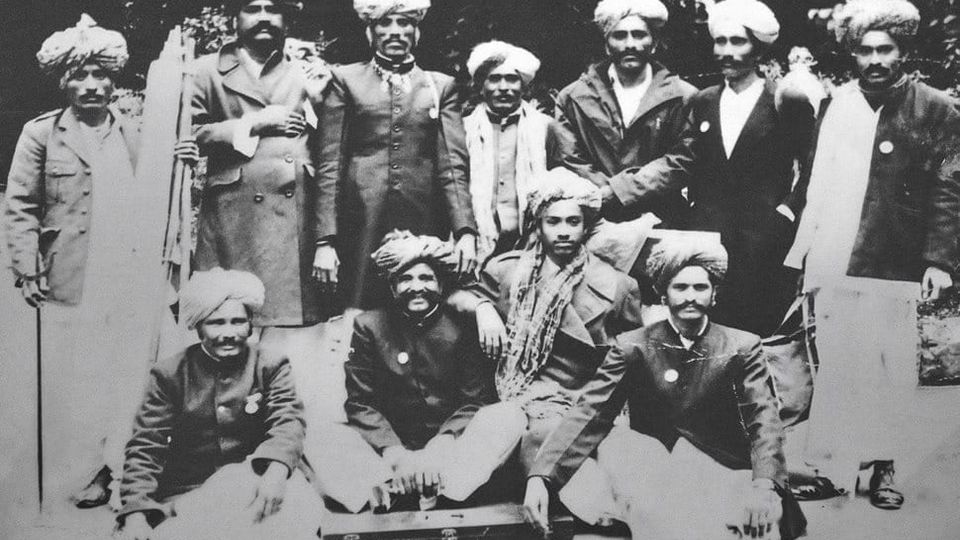 Folk musicKesariya Balam — the songs of the ManganiyarsMaand singing from the Thar, the hum of the kamaicha and the clack of the khartal.5 scenes · with music · ♥ 11
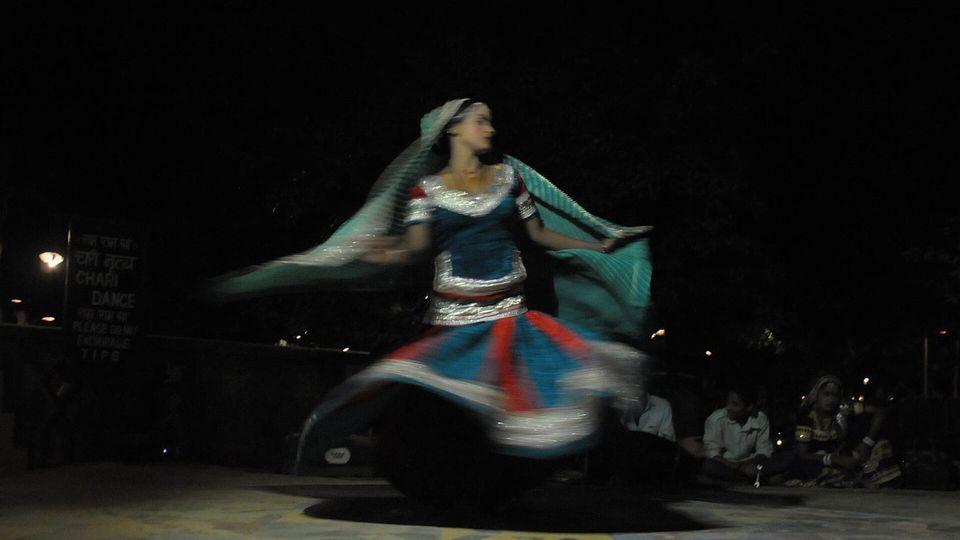 Folk danceGhoomar — the dance of the swirling skirtSwirling ghagras, flowing veils and clapping rhythms at Gangaur, Teej and weddings.3 scenes · with music · ♥ 13
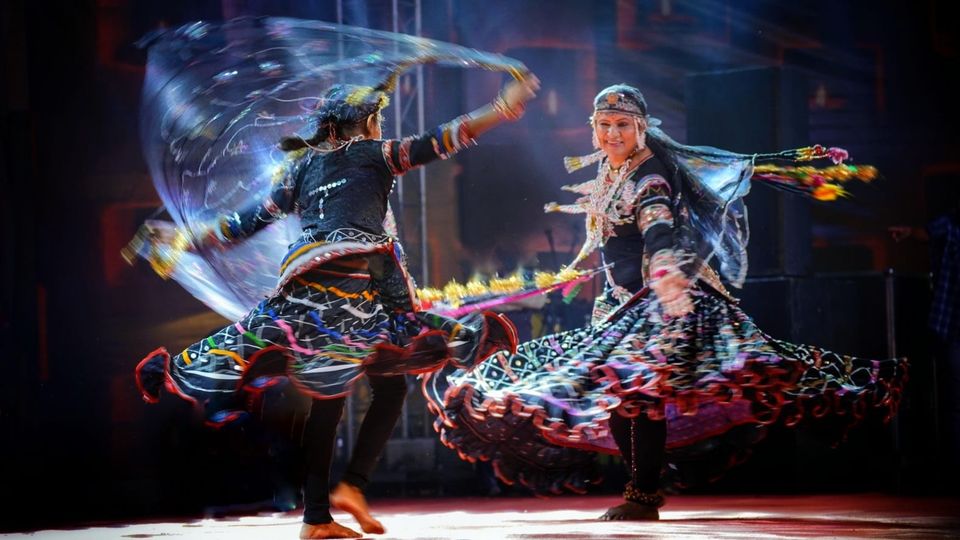 Folk danceKalbeliya — the serpent dance, a UNESCO heritageBodies sway like serpents to the pungi; on UNESCO’s intangible heritage list since 2010.4 scenes · with music · ♥ 1
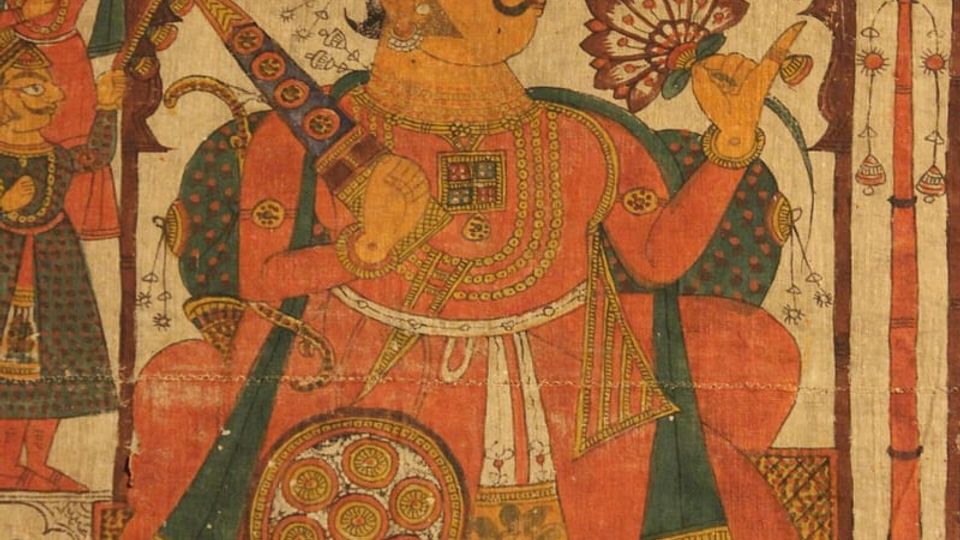 PaintingPhad and Ravanahatha — a story that travelsThrough the night, the bhopa and bhopi sing the epic of folk deities before the phad, to the ravanahatha.4 scenes · with music · ♥ 5
Photos: Priyaparul6 / Wikimedia Commons (CC BY-SA 4.0) · Ahron de Leeuw / Wikimedia Commons (CC BY 2.0) · Jean-Pierre Dalbéra from Paris, France / Wikimedia Commons (CC BY 2.0)