Sariska
Explore the natural charm and wildlife of Sariska.
TIMES of RAJASTHAN · DARSHAN
Sariska
Explore the natural charm and wildlife of Sariska.
In detail
Sariska Tiger Reserve is a tiger reserve located in Alwar district of Rajasthan, covering an area of 1,203.34 km² with a core zone of 881 km² and a buffer zone of 322.23 km². It was first recognized as a wildlife reserve in 1955, became a tiger reserve in 1978, and was declared a national park in 1982.
Overview
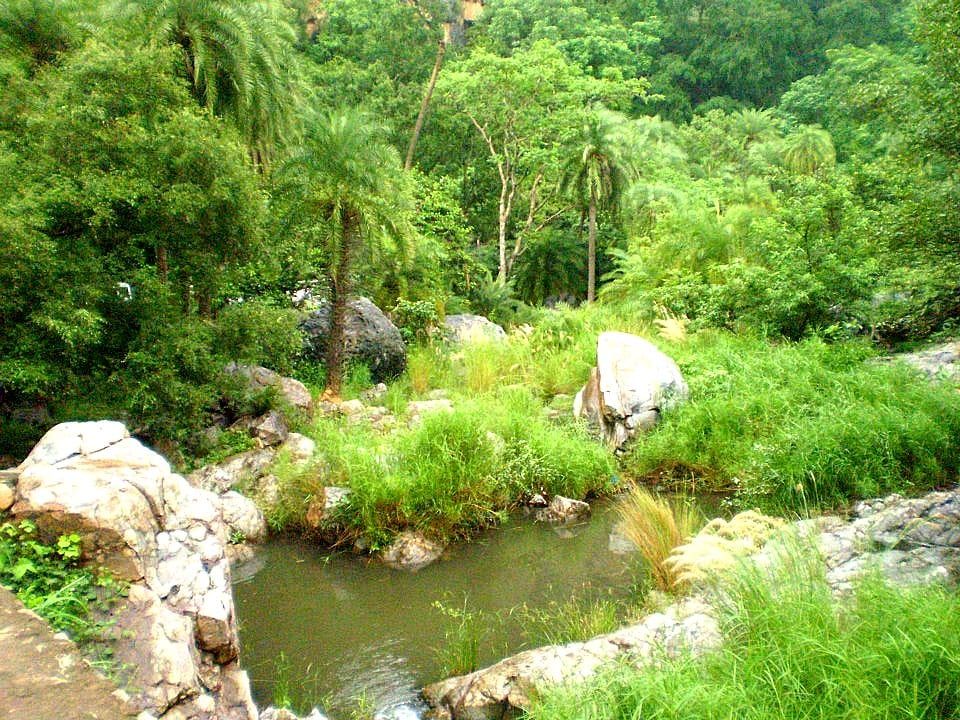
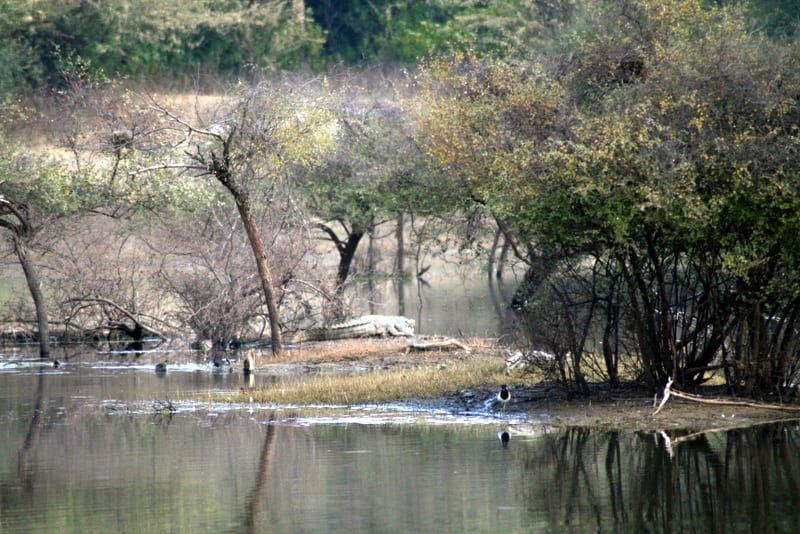
Sariska Tiger Reserve is located in Alwar district of Rajasthan, India. It covers a total area of 1,203.34 km2, which includes a core zone of 881 km2 and a buffer zone of 322.23 km2. The landscape is characterized by scrub‑thorn arid forests, dry deciduous forests, grasslands, and rocky hills.
The forest area that now forms the reserve was first recognized as a wildlife reserve in 1955. It was originally preserved for hunting by the Alwar state and was declared a wildlife sanctuary in 1958.
In 1978 the sanctuary was given the status of a tiger reserve, becoming part of India's Project Tiger. Four years later, in 1982, it was declared a national park with a total area of about 273.8 km2.
Where and when
In 2005, the Government of Rajasthan, together with the Government of India and the Wildlife Institute of India, began planning the re‑introduction of tigers to Sariska and the relocation of villages. The plan also included the construction of a bypass. The decision was made to import one male and two females from Ranthambore National Park. The Wildlife Institute of India and the Government of Rajasthan started tracking the relocated tigers using ISRO’s reconnaissance satellites.
The first aerial translocation of the male tiger from Ranthambhore to Sariska was carried out on 28 June 2008 by helicopter. Only two of the four villages that were to be moved were actually relocated; the second village, Kankwari, was shifted long after the tigers were re‑introduced. The first relocated village was Bhagani. The state tourism department has renovated Kankwari fort, which may potentially violate wildlife protection norms. The diversion of roads crossing the reserve remains a critical issue for the survival of its wildlife.
In February 2009, another tigress was shifted to Sariska from Ranthambhore, and on 28 July 2010, a further tigress was brought from Ranthambhore National Park. By November 2010, five tigers—two males and three females—were living in the reserve. The first relocated tiger died due to poisoning in November 2010. The first three of the relocated tigers came from one father, and the first two tigresses share the same mother.
Based on: the Wikipedia article (CC BY-SA 4.0) — facts from that source; edited and translated by Times of Rajasthan.
More visual stories
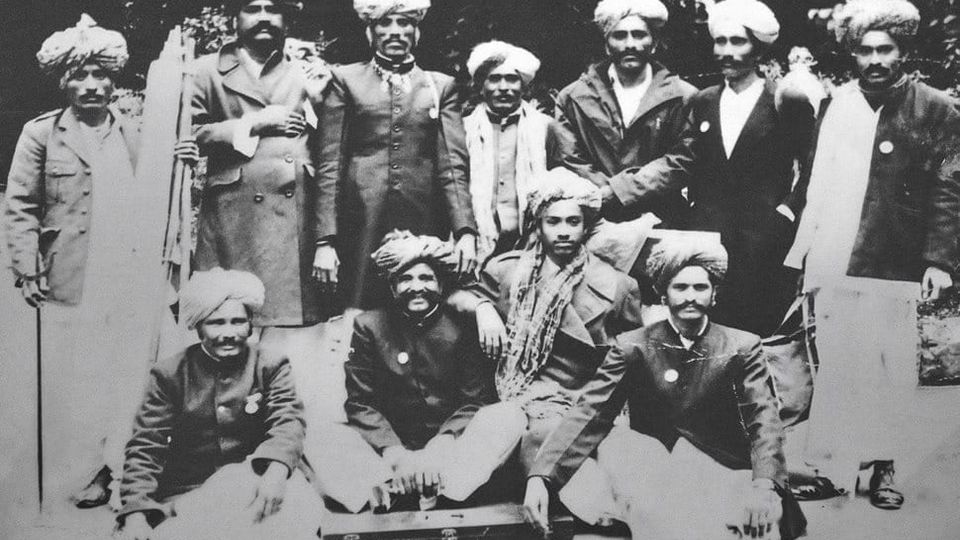 Folk musicKesariya Balam — the songs of the ManganiyarsMaand singing from the Thar, the hum of the kamaicha and the clack of the khartal.5 scenes · with music · ♥ 11
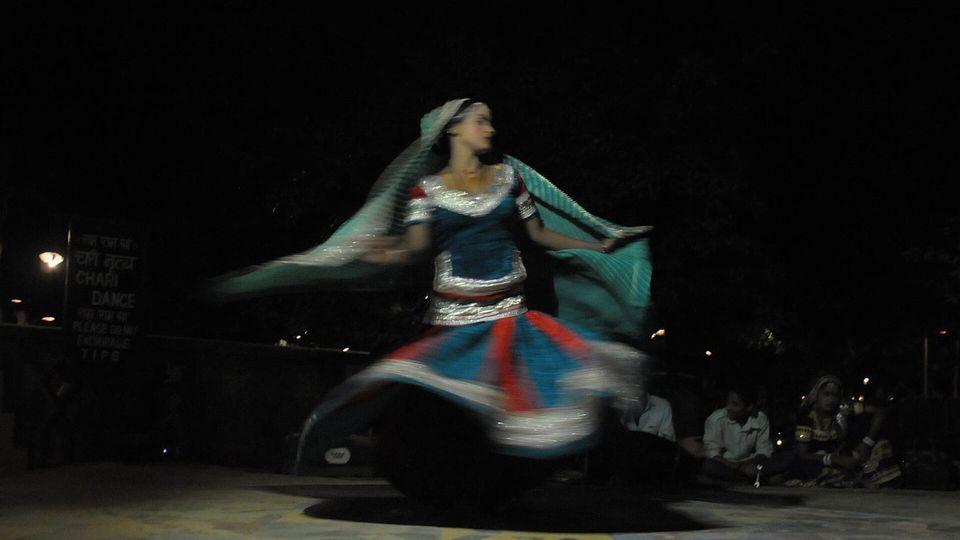 Folk danceGhoomar — the dance of the swirling skirtSwirling ghagras, flowing veils and clapping rhythms at Gangaur, Teej and weddings.3 scenes · with music · ♥ 13
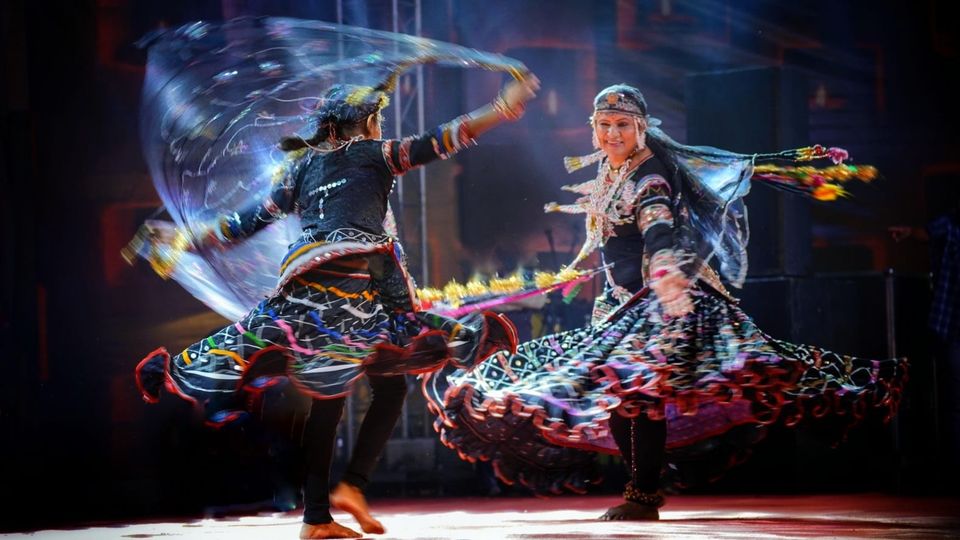 Folk danceKalbeliya — the serpent dance, a UNESCO heritageBodies sway like serpents to the pungi; on UNESCO’s intangible heritage list since 2010.4 scenes · with music · ♥ 1
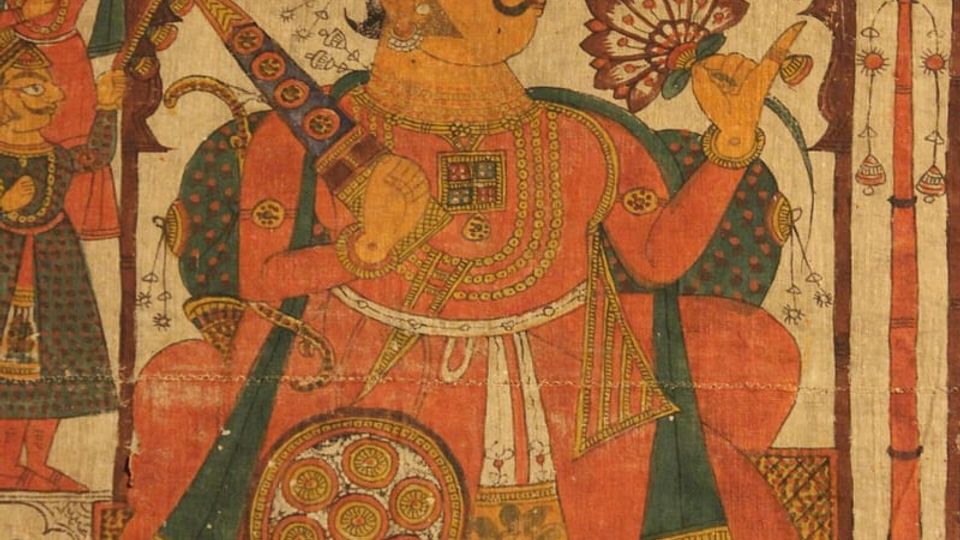 PaintingPhad and Ravanahatha — a story that travelsThrough the night, the bhopa and bhopi sing the epic of folk deities before the phad, to the ravanahatha.4 scenes · with music · ♥ 5
Photos: Shivalir / Wikimedia Commons (CC BY-SA 4.0) · Ramesh Lalwani / Wikimedia Commons (CC BY 2.0)