Salasar Balaji
Experience the essence of Salasar Balaji in this visual story.
TIMES of RAJASTHAN · DARSHAN
Salasar Balaji
Experience the essence of Salasar Balaji in this visual story.
In detail
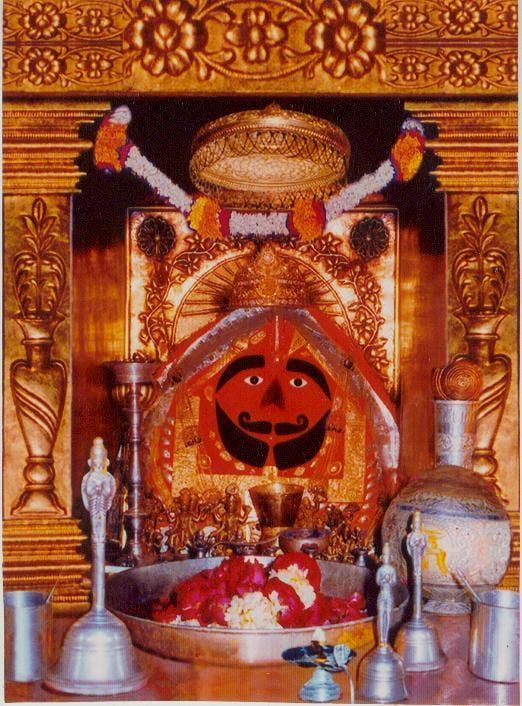
Salasar Balaji Temple is a Hindu shrine dedicated to Lord Hanuman, located in the town of Salasar near Sujangarh in Churu district, Rajasthan. Two major fairs are held annually during the months of Chaitra (March–April) and Ashwin (September‑October).
Overview
Salasar Balaji Temple is a Hindu temple dedicated to the worship of the god Hanuman. It is situated in the town of Salasar, which lies near Sujangarh in the Churu district of Rajasthan, India. The temple occupies a central position in the heart of Salasar town, making it a focal point for local devotees.
The temple is known for hosting two major fairs each year. These gatherings take place during the months of Chaitra, which corresponds to March–April, and Ashwin, which falls in September–October. The fairs attract devotees from the surrounding regions, who come to offer prayers and participate in the celebrations.
The annual fairs are significant cultural events for the community, providing an opportunity for collective worship and social interaction. They reflect the temple’s role as a spiritual hub within the town and its importance to the devotees of Hanuman in the region.
History and origins
According to local legend, the origins of the Salasar Balaji temple are tied to a farmer from the village of Asota in Rajasthan. While ploughing his field, the farmer’s plough struck an object and stopped. Upon investigation he discovered a stone, and after digging further he uncovered an idol of Balaji, identified with the deity Hanuman. The farmer’s wife, who arrived with her lunch, had prepared churma made from bajra, which the farmer offered to the idol. From that moment, offering churma to Shree Balaji Maharaj became a continuing ritual.
The incident is said to have occurred on a Tuesday, on Navami, the ninth day of the bright half of the Shravan month (July–August). The farmer shared the event with the local community, spreading the news of the discovery.
On the same day, the landlord of the area reportedly experienced a dream in which Lord Hanuman instructed him to install the idol in a temple at Salasar. That night, another resident of Salasar named Mohandas also dreamed that Lord Hanuman directed him to transport the idol from Asota to Salasar, thereby establishing its presence there.
Based on: the Wikipedia article (CC BY-SA 4.0) — facts from that source; edited and translated by Times of Rajasthan.
More visual stories
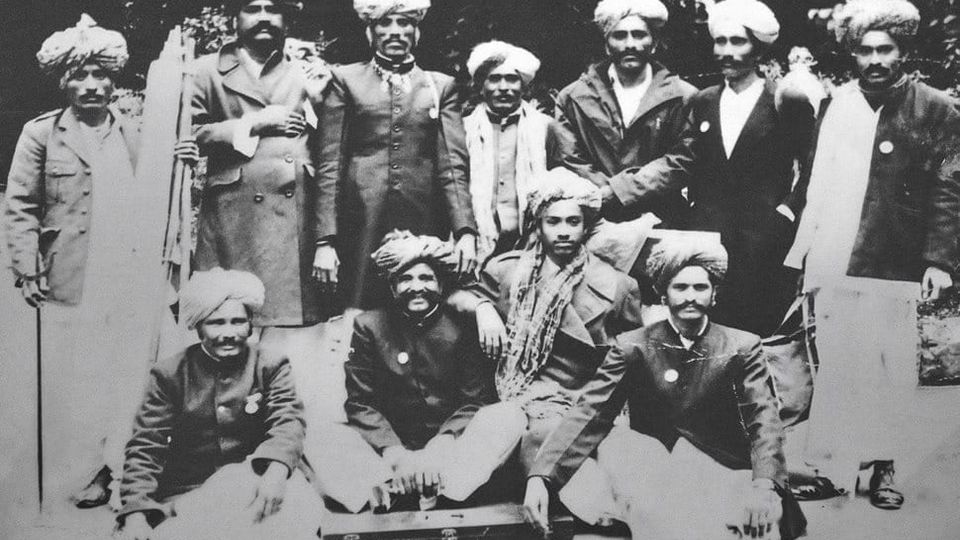 Folk musicKesariya Balam — the songs of the ManganiyarsMaand singing from the Thar, the hum of the kamaicha and the clack of the khartal.5 scenes · with music · ♥ 11
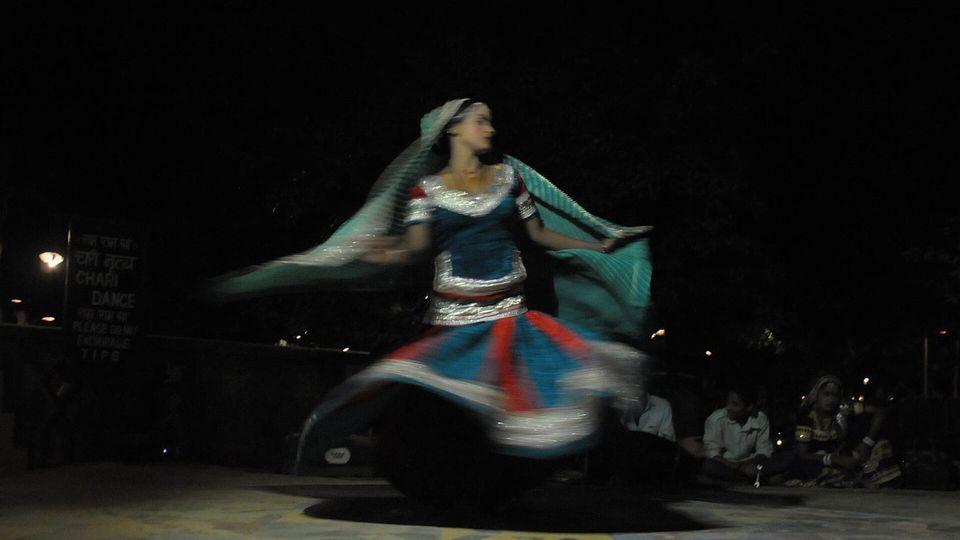 Folk danceGhoomar — the dance of the swirling skirtSwirling ghagras, flowing veils and clapping rhythms at Gangaur, Teej and weddings.3 scenes · with music · ♥ 13
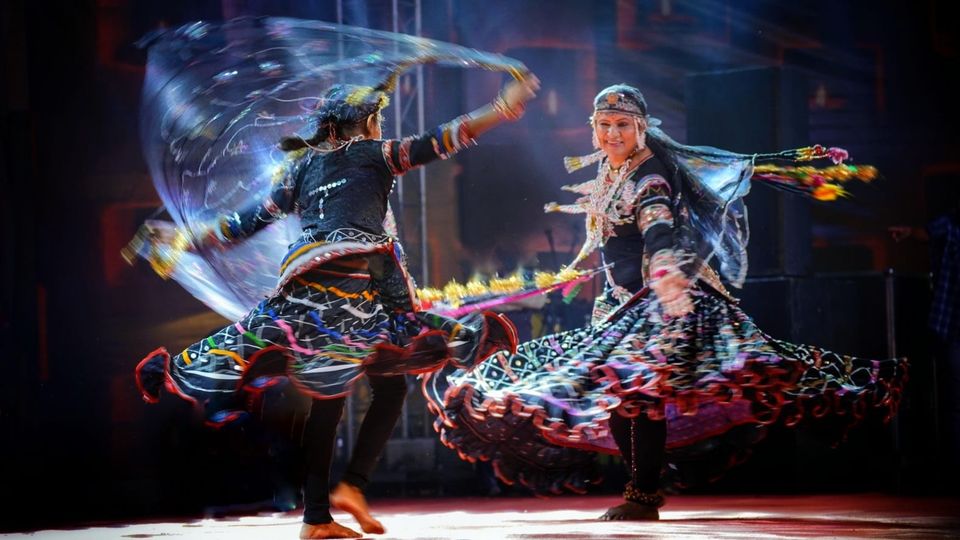 Folk danceKalbeliya — the serpent dance, a UNESCO heritageBodies sway like serpents to the pungi; on UNESCO’s intangible heritage list since 2010.4 scenes · with music · ♥ 1
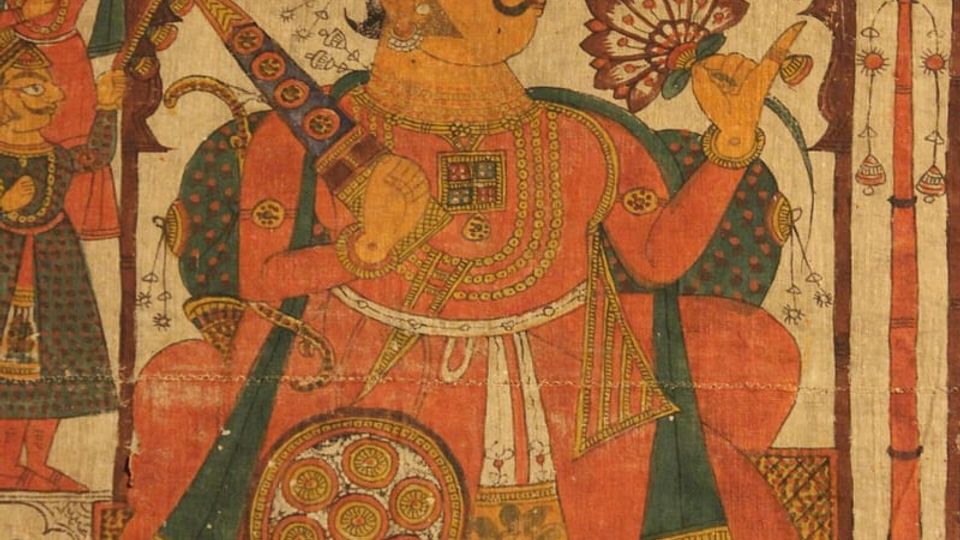 PaintingPhad and Ravanahatha — a story that travelsThrough the night, the bhopa and bhopi sing the epic of folk deities before the phad, to the ravanahatha.4 scenes · with music · ♥ 5