Shrinathji, Nathdwara
A visual story of Shrinathji Temple in Nathdwara and its art
TIMES of RAJASTHAN · DARSHAN
Shrinathji, Nathdwara
A visual story of Shrinathji Temple in Nathdwara and its art
In detail
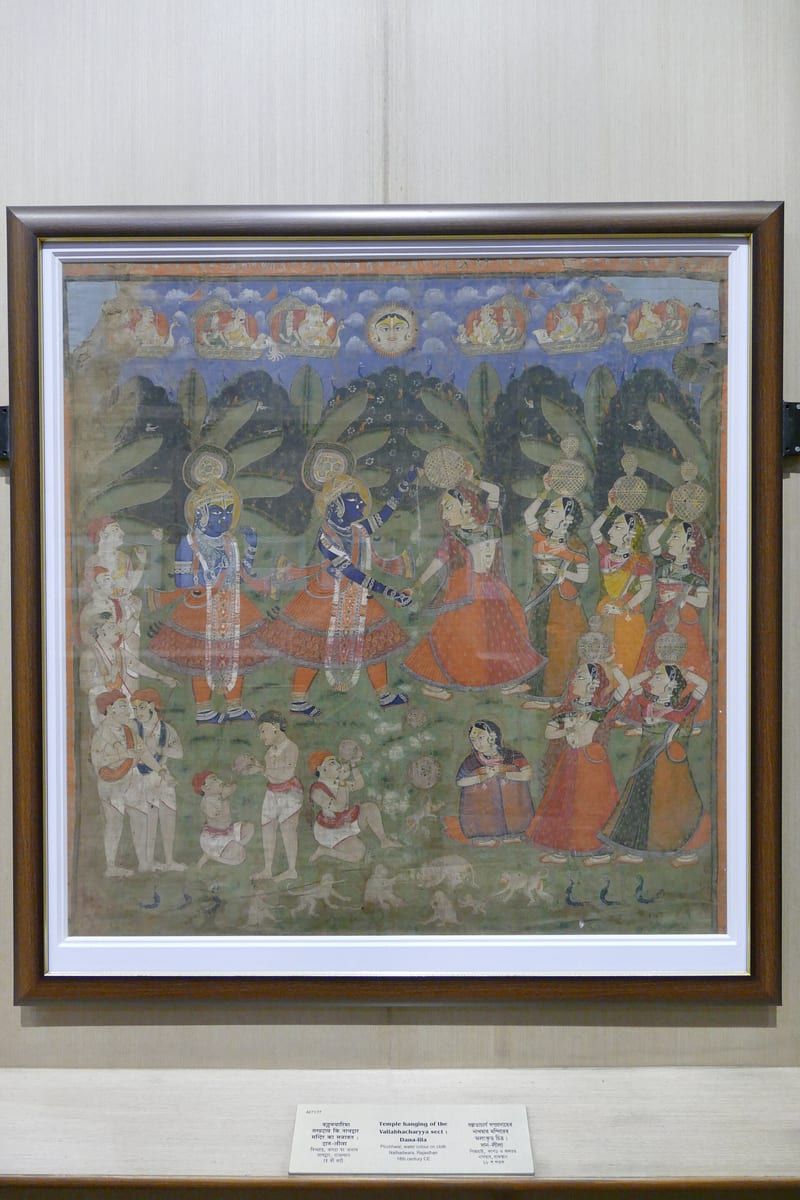
Shrinathji is a seven‑year‑old form of Krishna and the central deity of the Pushtimarg sect founded by Vallabhacharya. The deity is worshipped mainly by Vaishnavas in Gujarat and Rajasthan, with its main shrine located in Nathdwara, a town also known as Shrinathji.
Overview
Shrinathji is a form of Krishna manifested as a seven‑year‑old child and is the central presiding deity of the Vaishnava sect known as Pushtimarg, or the Vallabha Sampradaya, which was established by saint Vallabhacharya.
The worship of Shrinathji is primarily carried out by followers of Bhakti Yoga and Vaishnavas in Gujarat and Rajasthan, as well as by the Bhatia community. The deity’s devotion is institutionalised by Vitthal Nathji, the son of Vallabhacharya, who established the worship of Shrinathji in Nathdwara.
Because of Shrinathji’s popularity, the city of Nathdwara itself is often referred to as ‘Shrinathji’ and is also called Bava’s Nagri. Initially, the child Krishna deity was called Devadāman, meaning ‘the conqueror of Gods’, a reference to Krishna’s overpowering of Indra during the lifting of Govardhan hill. Vallabhacharya later named the deity Gopala and the place of worship Gopalpur, before Vitthal Nathji renamed the deity Shrinathji.
Shrinathji’s seva, or service, is performed in eight parts of the day. The principal shrine of the deity is the Shrinathji Temple, located in the temple city of Nathdwara, which lies 48 kilometres north‑east of Udaipur city in Rajasthan, India.
History and origins
According to legend, the icon of Shrinathji self‑manifested from stone and emerged from Govardhan Hill. Historically, the image was first worshipped at Govardhan hill near Mathura. It was shifted from Mathura in 1672 A.D. along the river Yamuna and was retained at Agra for almost six months to safeguard it from the Mughal ruler Aurangzeb, who wanted to destroy the idol. Subsequently, the image was transferred further south on a chariot to a safer place to protect it from the iconoclasm of Aurangzeb. When the icon reached the spot at village Sihad or Sinhad in Mewar, the wheels of the chariot are said to have sunken into the mud and could not be moved any further. The accompanying priests realized that the place was the Shrinathji's chosen spot and, accordingly, the icon was installed in a temple there under the rule and protection of the then Maharana Raj Singh of Mewar. No other Hindu ruler was ready to take the image into his kingdom, as it would mean opposing Aurangzeb, who was the most intolerant man in India at that time.
In the anomical environment of the late 18th and early 19th centuries, the temple of Shrinathji was attacked by the Medas and the Pindaris. Accordingly, the icon was shifted again and was protected at Udaipur and Ghasiyar under the patronage of Maharana Bheem Singh of Mewar.
The gopikas of Vraj used to love the Lord so much, they would be at Yashoda's door at all hours, finding any excuse to see their beloved Nanda Gopal. Mother Yashoda was very protective of her darling child. Concerned that with all these adoring gopis hanging around her house at all hours of the day, her darling child will never get any time to rest or play properly with his friends. So she decided that all those who wish to visit her beloved Bala Gopal could do so after he had finished a snack or a meal, and was resting before going out again.
Where and when
Shrinathji temple is located in Nathdwara, a town in Rajasthan, India. The temple is the focal point for devotees who come from Rajasthan, Gujarat, and Maharashtra to witness the worship of the deity. The inner sanctum of the temple is opened eight times a day, allowing devotees to undertake sacred darshan of the deity. The temple’s daily routine includes bathing, dressing, and feeding the icon, which is treated as a living child.
The temple celebrates an average of three festivals each week, with major occasions such as Janmashtami, Radhashtami, Sharad Purnima, Holi, and Diwali drawing large crowds. During Krishna Janmashtami, the temple is illuminated with attractive lighting and the sound of drums, trumpets, and clarinets reverberates through the city. The celebration includes the salute of cannons and guns, and the deity is adorned with appropriate dresses for the time of day or night.
The festival schedule is carefully organized by the temple trust, which arranges security at police and administrative levels. The main entrance of the temple is decorated and the city of Nathdwara reverberates with music during the celebrations. The Nandamahotsav, a part of the Janmotsav, is celebrated on the second day with the affirmation of ‘Nand Gher Anand Bhayo, Jai Kanhaiya Lal ki’ in the presence of Tilakayat Maharaj Shree, his family, Brajvasi Sevakgan, Mukhiyaji, and Shrinathji, accompanied by spattering of milk and curd while dancing.
The rituals at the temple are elaborate and complex, reflecting a confluence of bhakti traditions of Krishna and Pushti Margi Shri Vallabhacharya. The gadipatis and acharyas in the Havelis of Shrinathji are believed to be descendants of Shri Mahaprabhuji Vallabhacharya, the founder of the deity’s icon at Govardhan hill near Mathura. Priests from this lineage continue to worship Shrinathji, while a Gurjar of a special sect with initiation and agya performs worship in other parts of the world.
Based on: the Wikipedia article (CC BY-SA 4.0) — facts from that source; edited and translated by Times of Rajasthan.
More visual stories
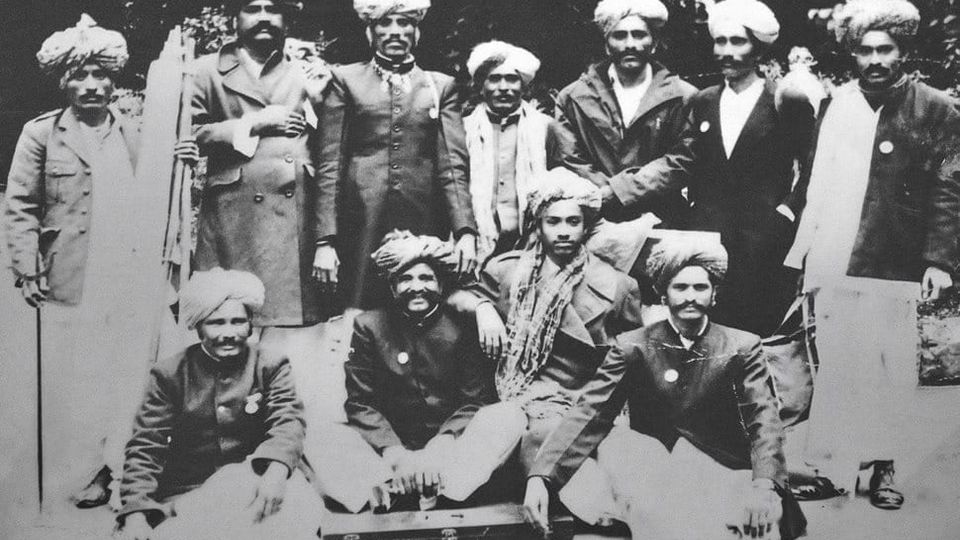 Folk musicKesariya Balam — the songs of the ManganiyarsMaand singing from the Thar, the hum of the kamaicha and the clack of the khartal.5 scenes · with music · ♥ 11
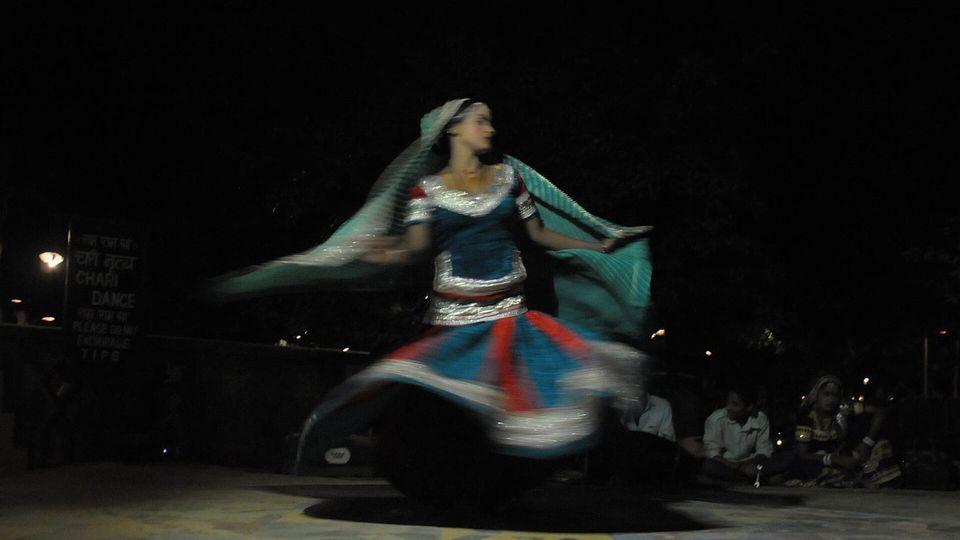 Folk danceGhoomar — the dance of the swirling skirtSwirling ghagras, flowing veils and clapping rhythms at Gangaur, Teej and weddings.3 scenes · with music · ♥ 13
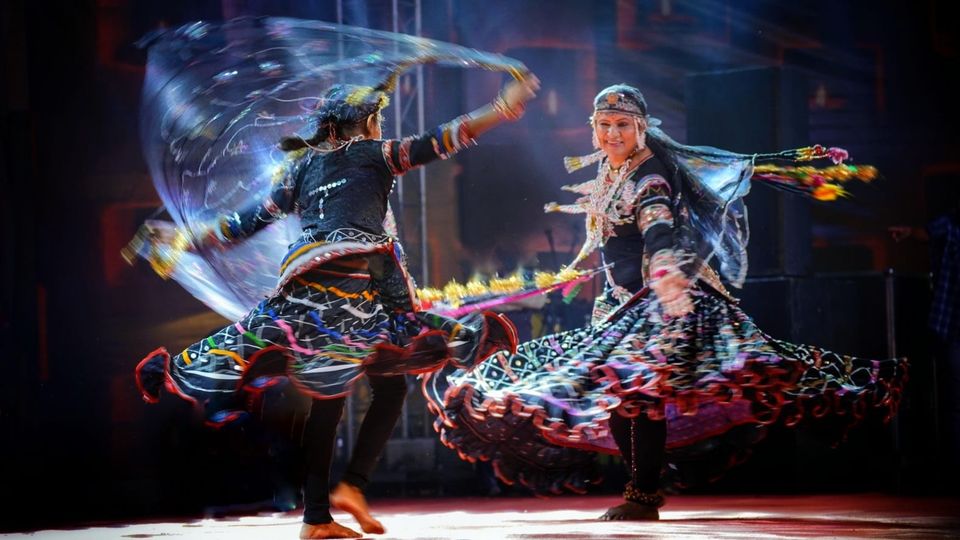 Folk danceKalbeliya — the serpent dance, a UNESCO heritageBodies sway like serpents to the pungi; on UNESCO’s intangible heritage list since 2010.4 scenes · with music · ♥ 1
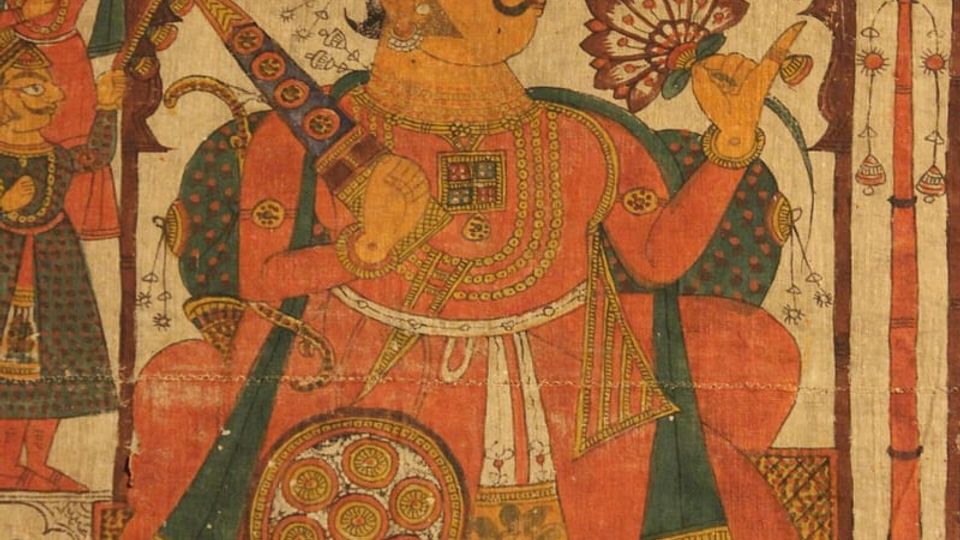 PaintingPhad and Ravanahatha — a story that travelsThrough the night, the bhopa and bhopi sing the epic of folk deities before the phad, to the ravanahatha.4 scenes · with music · ♥ 5