Nahargarh Fort
Explore the story of Nahargarh Fort in three vivid scenes.
TIMES of RAJASTHAN · DARSHAN
Nahargarh Fort
Explore the story of Nahargarh Fort in three vivid scenes.
In detail
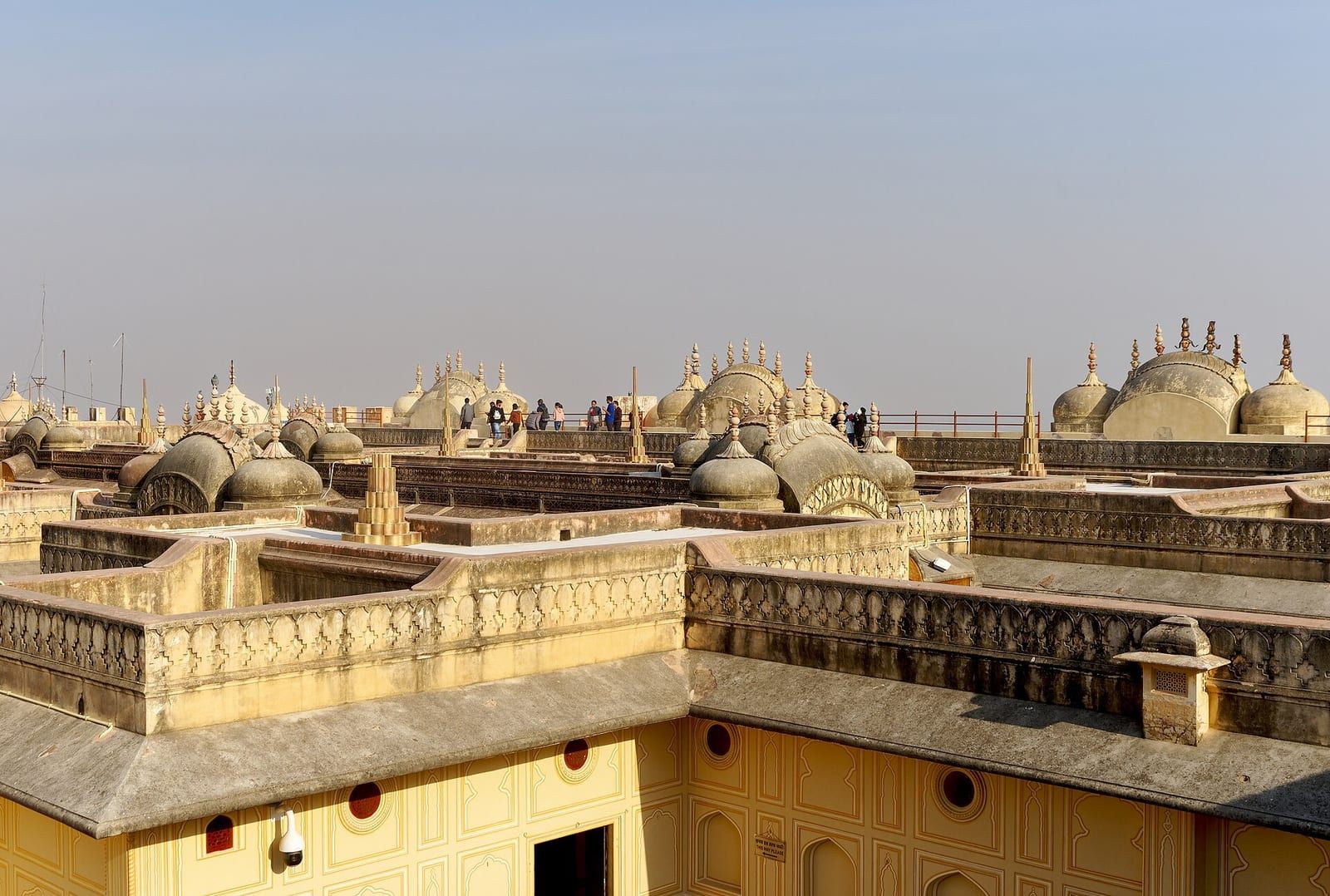
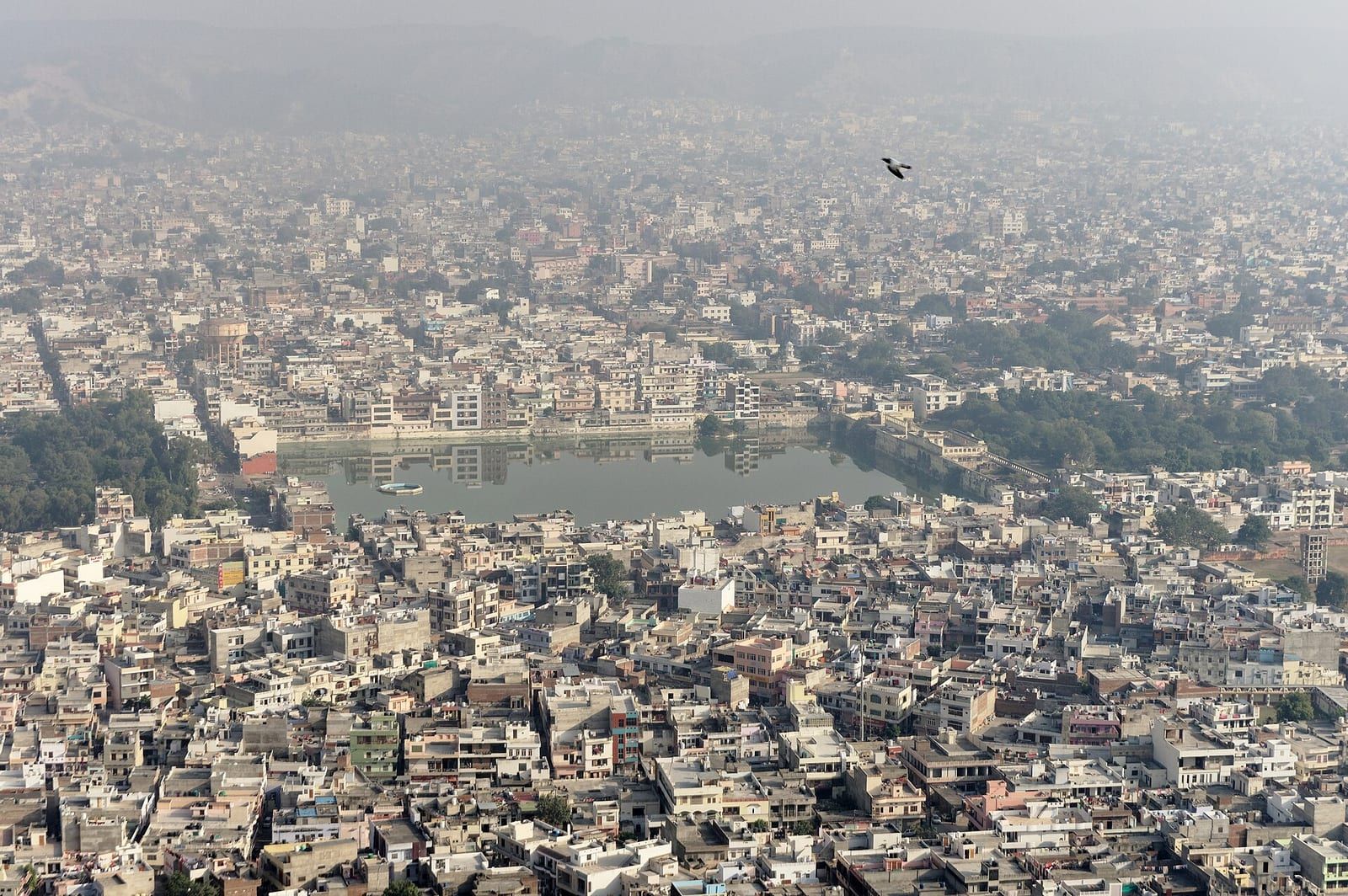
Nahargarh Fort stands on the edge of the Aravalli Hills, overlooking the city of Jaipur in Rajasthan. It was originally named Sudershangarh and later became known as Nahargarh, meaning 'abode of tigers', after the spirit of Nahar Singh Bhomia was pacified by building a temple within the fort.
Overview
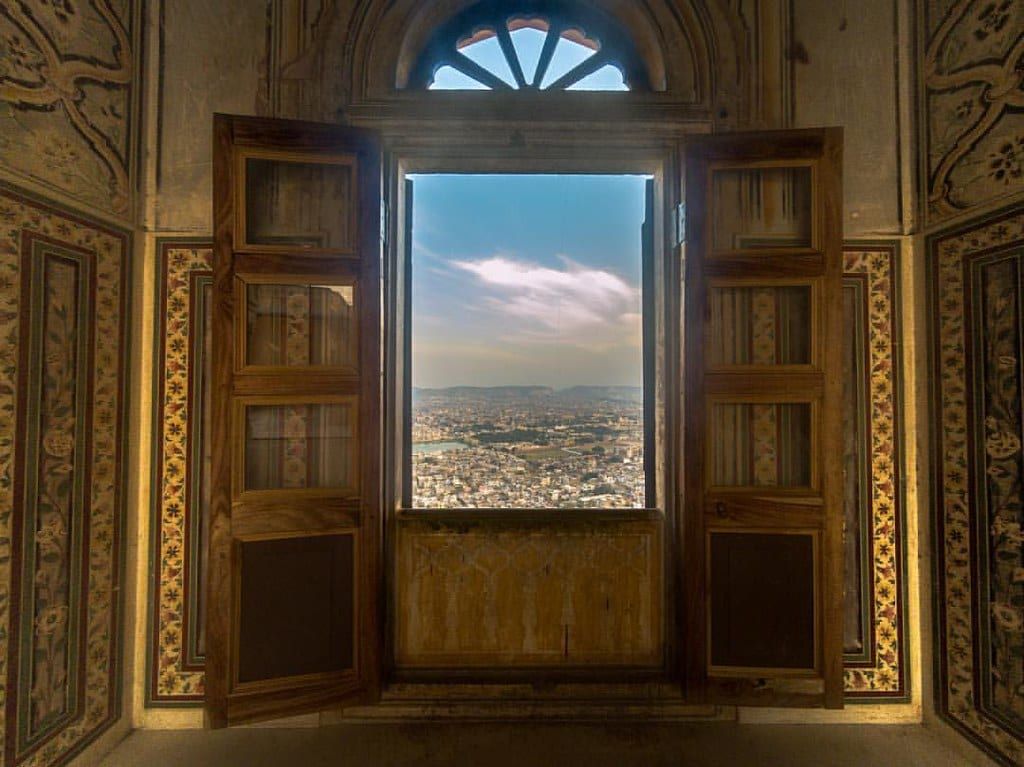
Nahargarh Fort stands on the edge of the Aravalli Hills, overlooking the city of Jaipur in the Indian state of Rajasthan. Its position on the hills gives it a commanding view of the surrounding area.
The fort was originally named Sudershangarh. Over time it became known as Nahargarh, a name that means "abode of tigers".
A popular belief holds that the name Nahar refers to Nahar Singh Bhomia. According to this belief, his spirit haunted the place and obstructed the construction of the fort.
The spirit of Nahar Singh Bhomia was pacified by building a temple in his memory within the fort. After this temple was erected, the fort became known by his name, Nahargarh.
History and origins
Built mainly in 1734 by Maharaja Sawai Jai Singh, the fort was constructed as a place of retreat on the summit of the ridge above the city. Walls extended over the surrounding hills, forming fortifications that connected this fort to Jaigarh, the fort above the old capital of Amber. Though the fort never came under attack during its history, it did see some historical events, notably, including treaties with the Maratha forces who warred with Jaipur in the 18th century. During the Indian Mutiny of 1857, the Europeans of the region, including the British Resident's wife, were moved to Nahargarh fort by Sawai Ram Singh, the king of Jaipur, for their protection.
The fort was extended in 1868, during the reign of Sawai Ram Singh. In 1883–92, a range of palaces was built at Nahargarh by Dirgh Patel at a cost of nearly three and a half lakh rupees. The Madhavendra Bhawan, built by Sawai Madho Singh had suites for the queens of Jaipur and at the head was a suite for the king himself. The rooms are linked by corridors and still have some delicate frescoes. Nahargarh was also a hunting residence of the Maharajas.
Until April 1944, the Jaipur State government used for its official purposes solar time read from the Samrat Yantra in the Jantar Mantar Observatory, with a gun fired from Nahargarh Fort as the time signal.
Some scenes in the films Rang De Basanti, Shuddh Desi Romance and Sonar Kella were shot at Nahargarh Fort.
Based on: the Wikipedia article (CC BY-SA 4.0) — facts from that source; edited and translated by Times of Rajasthan.
More visual stories
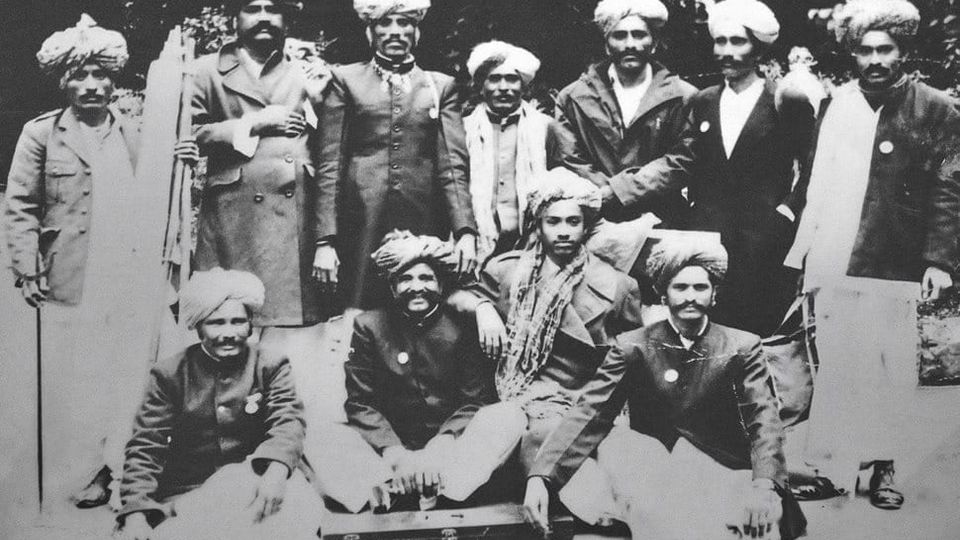 Folk musicKesariya Balam — the songs of the ManganiyarsMaand singing from the Thar, the hum of the kamaicha and the clack of the khartal.5 scenes · with music · ♥ 11
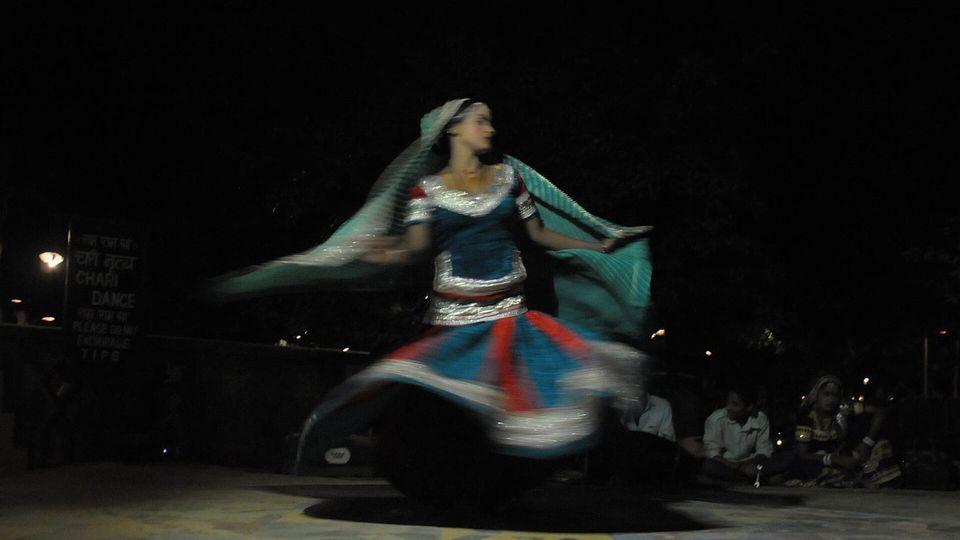 Folk danceGhoomar — the dance of the swirling skirtSwirling ghagras, flowing veils and clapping rhythms at Gangaur, Teej and weddings.3 scenes · with music · ♥ 13
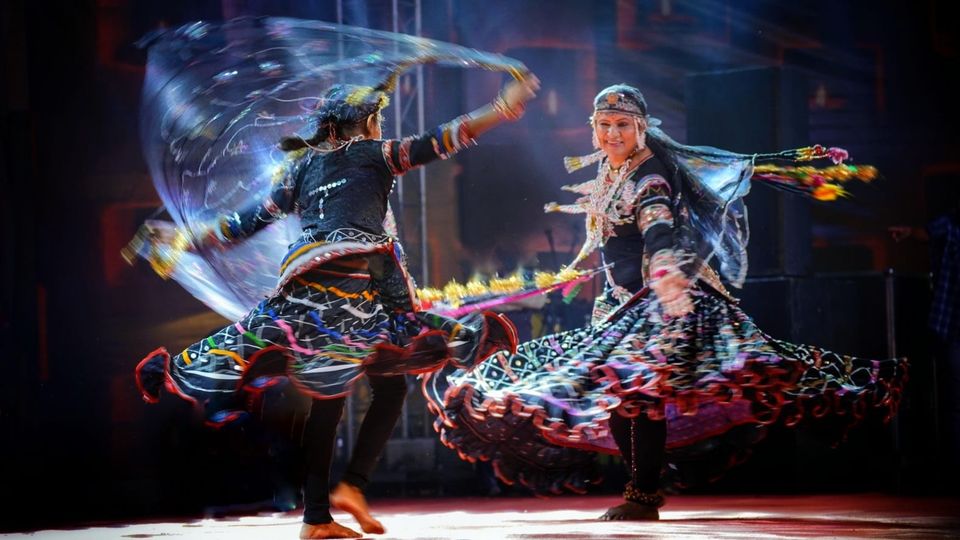 Folk danceKalbeliya — the serpent dance, a UNESCO heritageBodies sway like serpents to the pungi; on UNESCO’s intangible heritage list since 2010.4 scenes · with music · ♥ 1
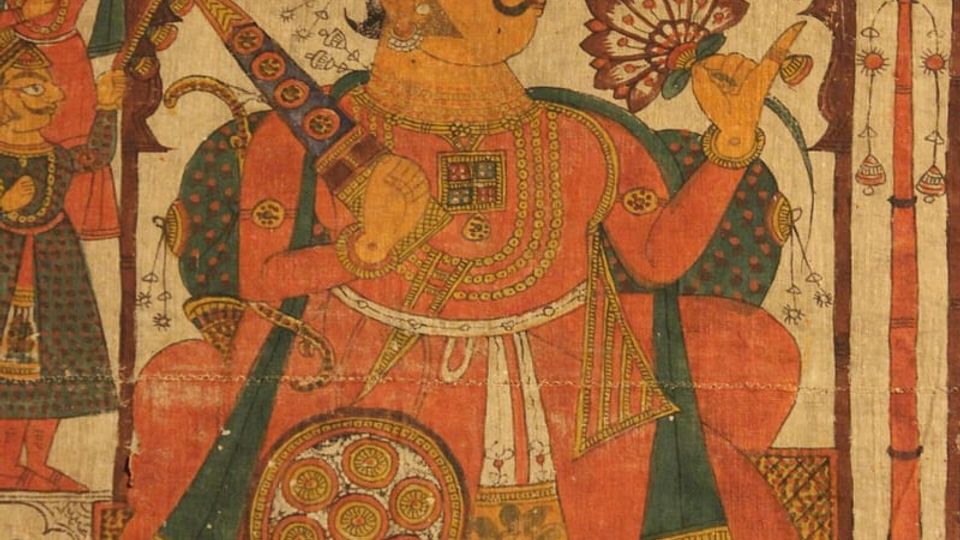 PaintingPhad and Ravanahatha — a story that travelsThrough the night, the bhopa and bhopi sing the epic of folk deities before the phad, to the ravanahatha.4 scenes · with music · ♥ 5
Photos: Jakub Hałun / Wikimedia Commons (CC BY-SA 4.0) · Manvendr / flickr (CC BY 2.0) · Jakub Hałun / Wikimedia Commons (CC BY-SA 4.0)