Mehrangarh — the crown of the Sun City
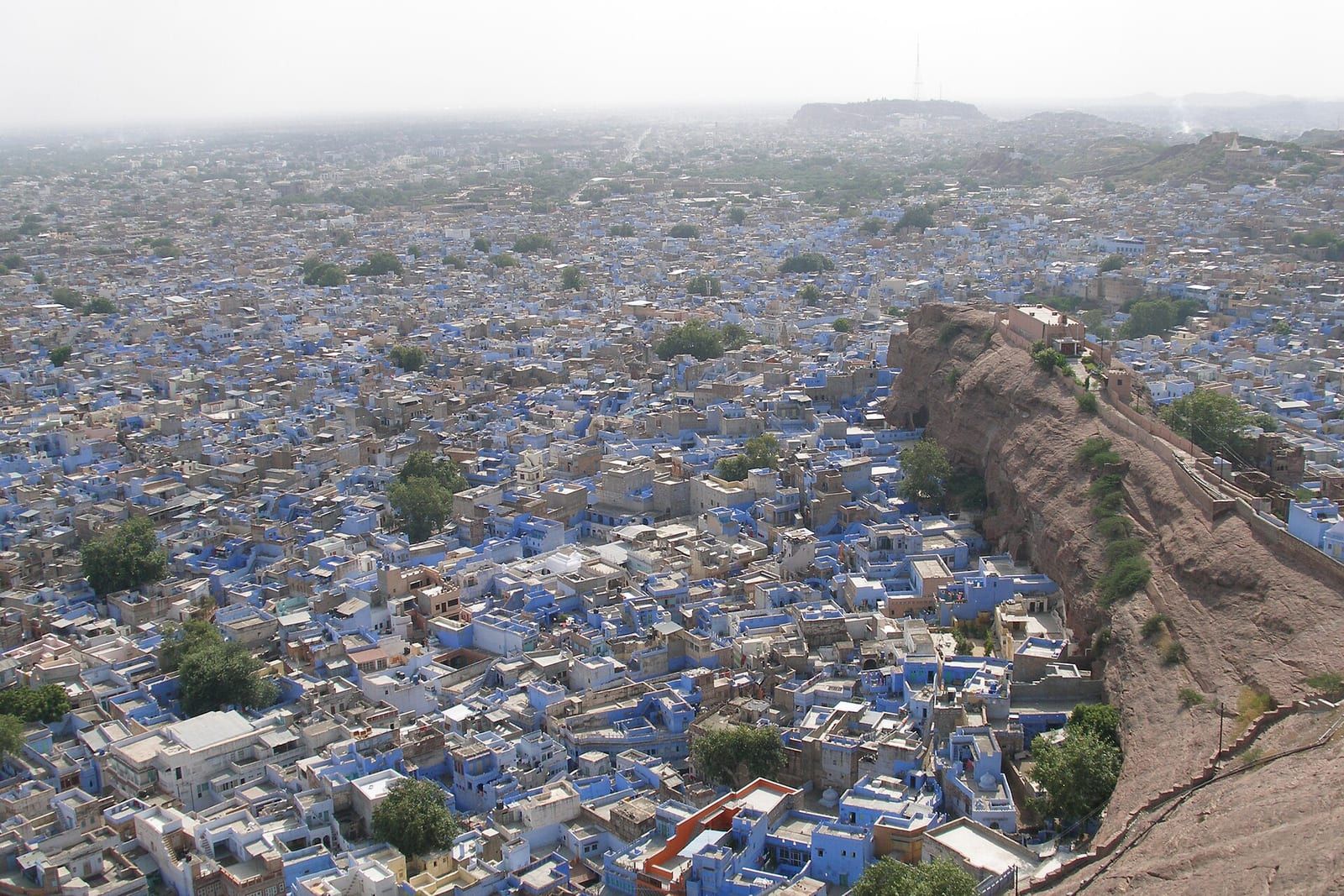
Founded by Rao Jodha on the Chidiatunk hill in 1459, above the blue city of Jodhpur.
TIMES of RAJASTHAN · DARSHAN
Mehrangarh — the crown of the Sun City
Founded by Rao Jodha on the Chidiatunk hill in 1459, above the blue city of Jodhpur.
In detail
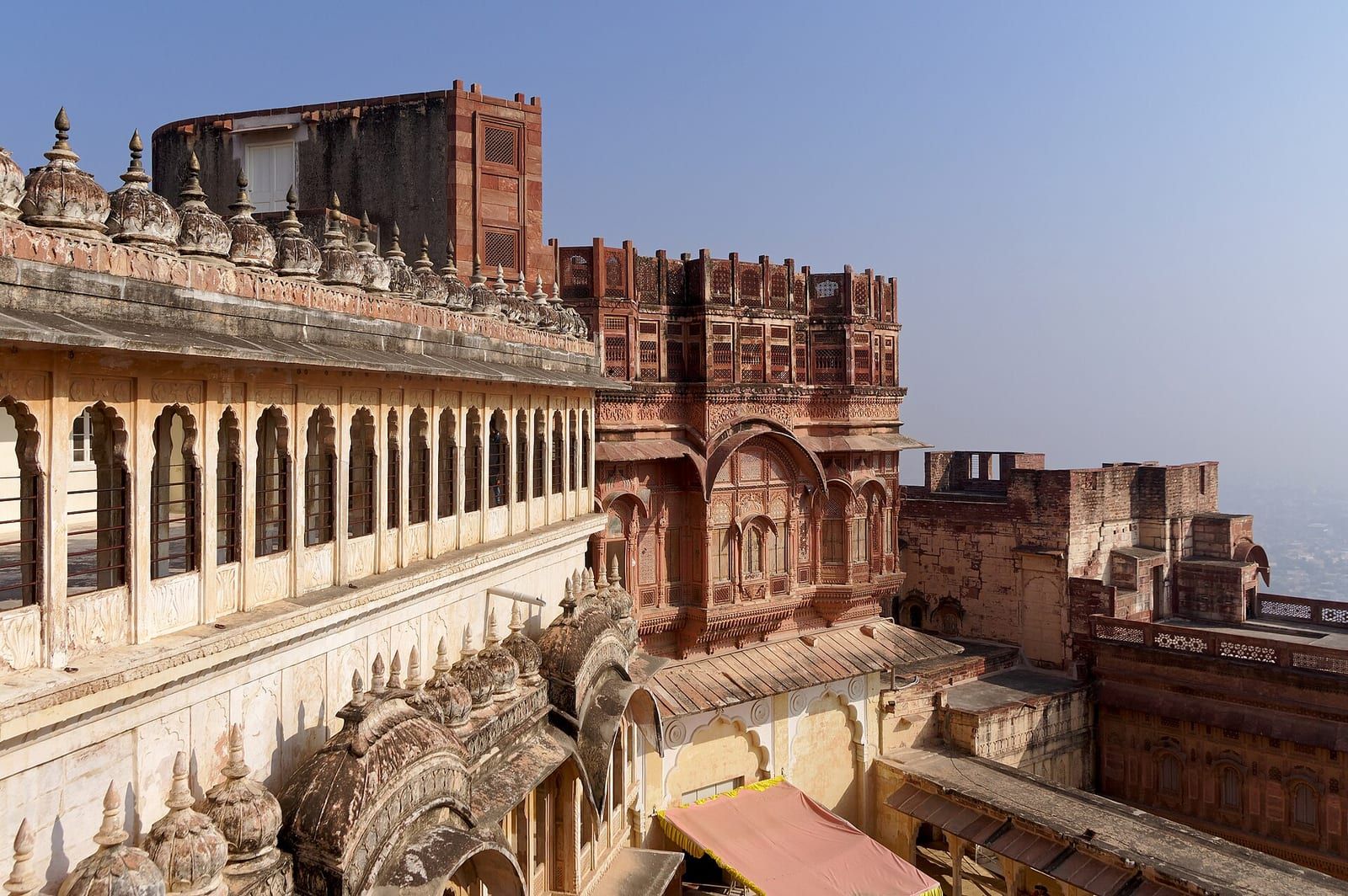
Mehrangarh is a historic fort in Jodhpur, Rajasthan, standing 122 m above the plains and covering 1,200 acres. It was originally built in 1459 by Rao Jodha and largely rebuilt in the 17th century, featuring seven gates, palaces, a Chamunda Mataji Temple, and a museum.
Overview
Mehrangarh is a historic fort located in Jodhpur, Rajasthan, India. It stands on a hilltop, rising about 122 m (400 ft) above the surrounding plains, and the complex spans 1,200 acres (486 hectares). The fort was initially built around 1459 by the Rajput ruler of the Rathore clan Rao Jodha, though most of the existing structure is from the 17th century built by his successors.
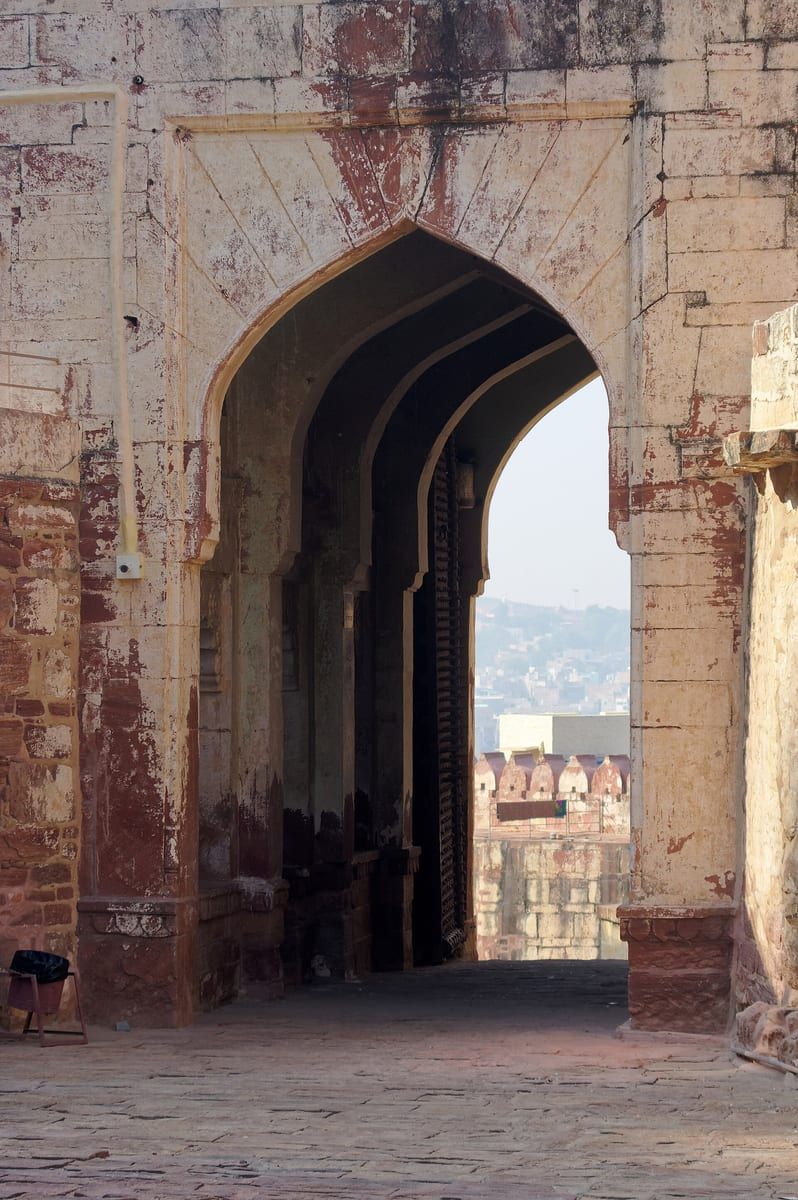
The fort has seven gates, including the main entrance, Jai Pol, meaning "victory gate," built by Maharaja Man Singh to commemorate his victories over the Jaipur and Bikaner armies in 1806. The Fattehpol, also a victory gate, commemorates the victory of Maharaja Ajit Singh over the Mughals. Rudyard Kipling, the English writer and Nobel Prize winner, described the fort as "a palace that might have been built by Titans and colored by the morning sun."
Within its boundaries are several palaces known for their intricate carvings and expansive courtyards, a Chamunda Mataji Temple, and a museum that houses various relics. A winding road leads to and from the city below. The imprints of the impact of cannonballs fired by attacking armies of Jaipur can still be seen on the second gate. At the north‑east of the fort is the chhatri of Kirat Singh Sodha, a soldier who fell on the spot defending Mehrangarh.
Some of the notable festivals taking place here include the World Sacred Spirit Festival and the Rajasthan International Folk Festival.
History and origins
Mehrangarh derives its name from the Sanskrit words ‘Mihir’ meaning sun and ‘garh’ meaning fort, reflecting the Rathore clan’s mythical descent from the sun god Surya. The fort was originally called Mihirgarh, meaning ‘fort of the sun’, and over time it evolved into the Rajasthani form Mehrangarh.
The foundation of the fort dates to 12 May 1459, when Rao Jodha, the fifteenth Rathore ruler and son of Ranmal, chose a rocky hill known as Bhakurcheeria, the mountain of birds, to establish a new capital for Marwar. After moving the capital from the ancient Mandore fort, Rao Jodha subdued the Mewar forces at Mandore with the help of Rao Nara, who was then given the title of Diwan. The hill’s sole human inhabitant, the hermit Cheeria Nathji, resisted relocation until the Hindu warrior sage Karni Mata of Deshnoke intervened, after which the hermit left and cursed the king. Rao Jodha appeased him by building a house and a temple within the fort, and Karni Mata laid the foundation stone of Mehrangarh.
To ensure the site’s auspiciousness, Rao Jodha buried a man of the Meghwal caste, Raja Ram Meghwal, in the foundations, promising his family protection and land. His descendants remain in Raj Bag near Soor Sagar. Though the fort began in 1459, most of the structure that stands today was constructed during the reign of Maharaja Jaswant Singh (1638–78). The fort covers an area of five kilometres on a high hill, with walls up to 36 metres high and 21 metres wide.
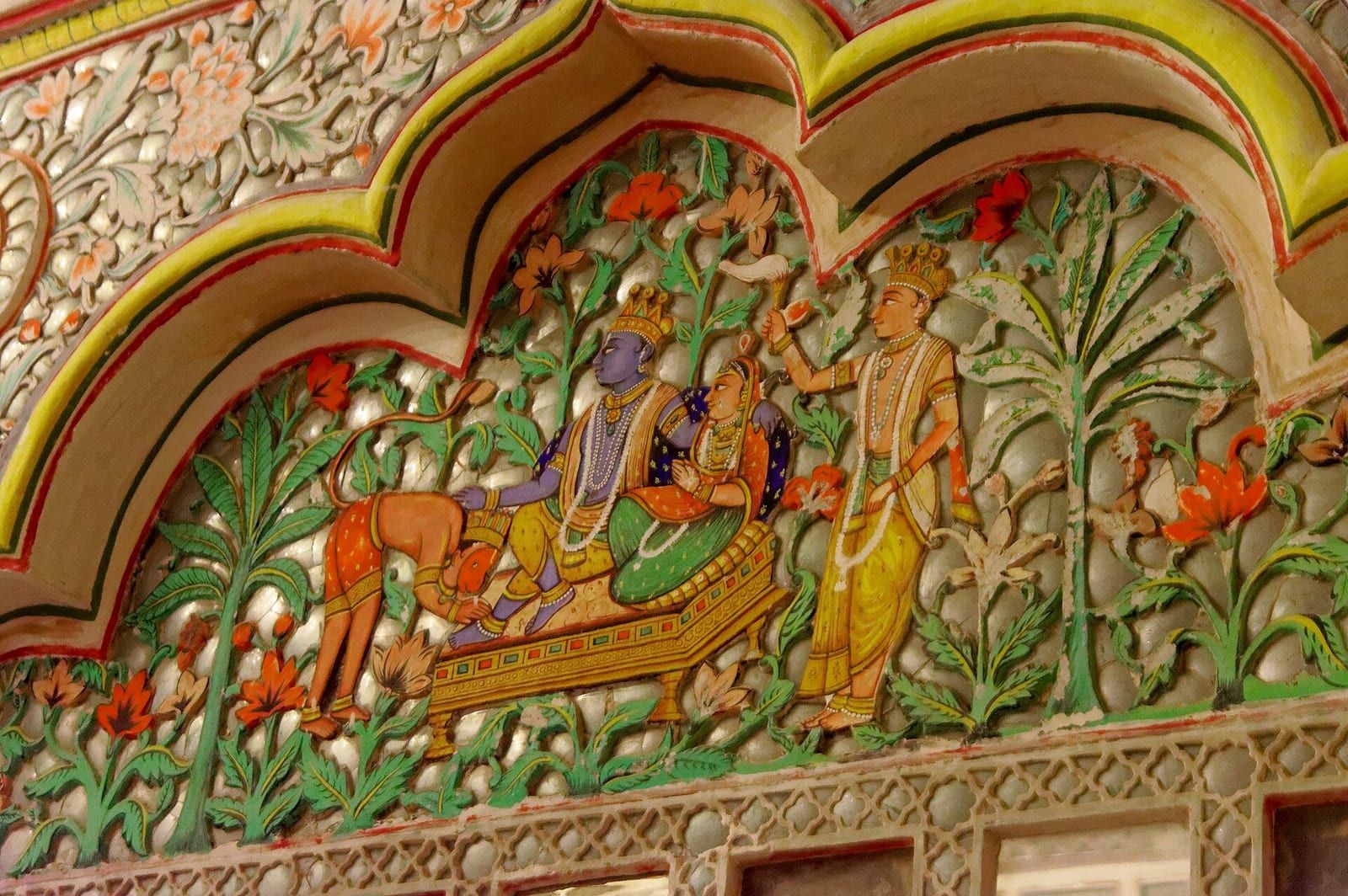
The fort’s entrance is marked by seven gates, each commemorating a victory or event: Jai Pol, built by Maharaja Man Singh in 1806; Fateh Pol, celebrating a 1707 victory over the Mughals; Gopal Pol; Dedh Kangra Pol, scarred by cannonballs; Amruti Pol; Loha Pol, the final gate into the main complex; and Suraj Pol, the innermost gate leading to the palace complex and Daulat Khana Chauk. Inside, the fort houses decorated palaces such as Moti Mahal, Phool Mahal, Sheesha Mahal, Sileh Khana, and Daulat Khana, along with a museum that displays palanquins, howdahs, royal cradles, miniatures, musical instruments, costumes, and furniture. The ramparts contain preserved cannons, including the Kilkila cannon, offering views of the city.
Based on: the Wikipedia article (CC BY-SA 4.0) — facts from that source; edited and translated by Times of Rajasthan.
More visual stories
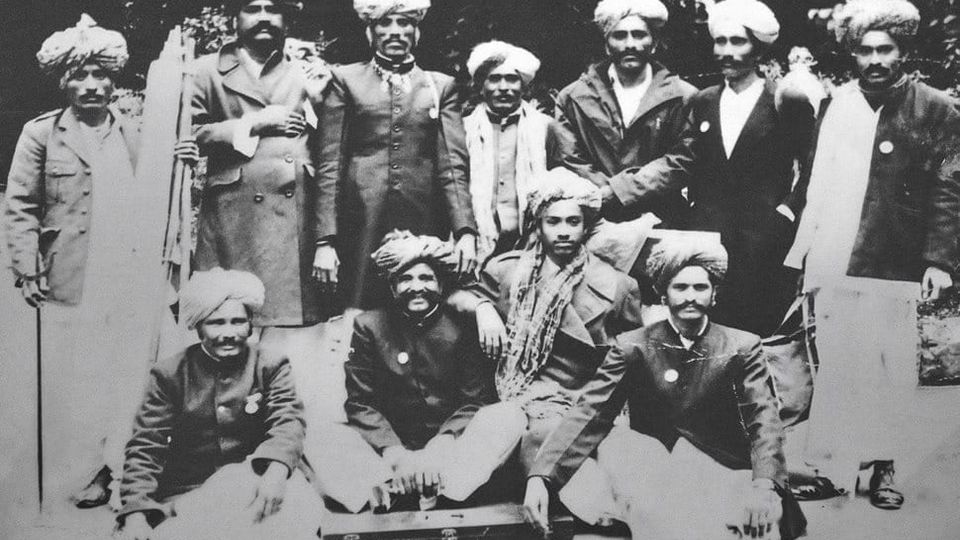 Folk musicKesariya Balam — the songs of the ManganiyarsMaand singing from the Thar, the hum of the kamaicha and the clack of the khartal.5 scenes · with music · ♥ 11
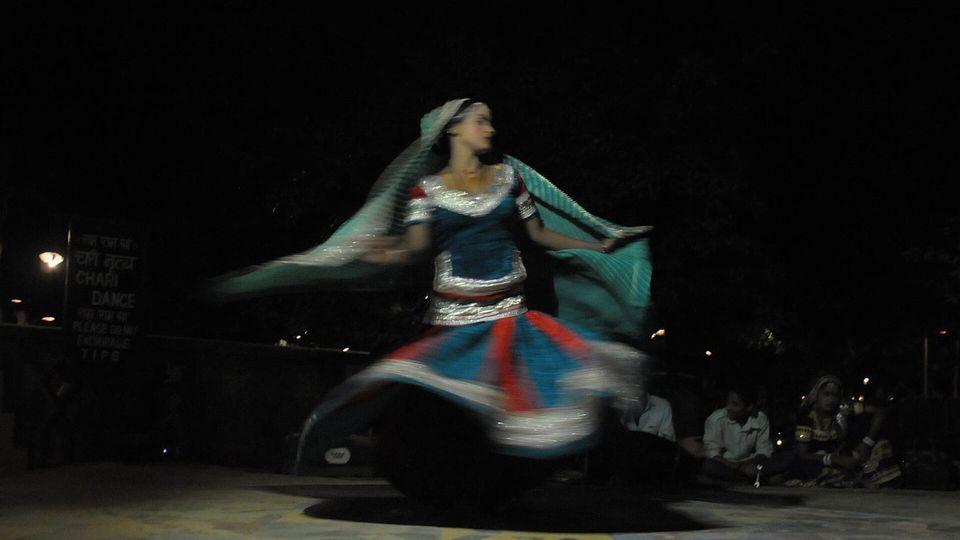 Folk danceGhoomar — the dance of the swirling skirtSwirling ghagras, flowing veils and clapping rhythms at Gangaur, Teej and weddings.3 scenes · with music · ♥ 13
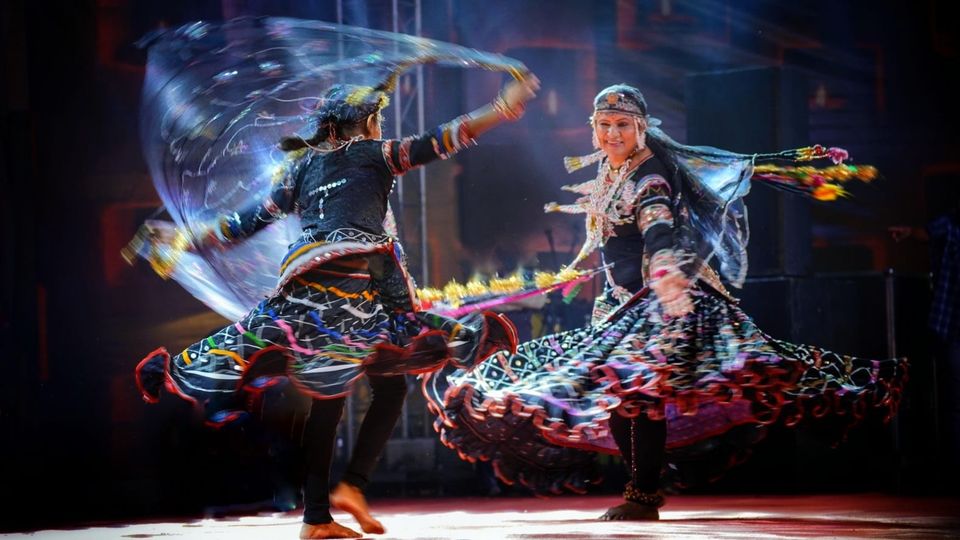 Folk danceKalbeliya — the serpent dance, a UNESCO heritageBodies sway like serpents to the pungi; on UNESCO’s intangible heritage list since 2010.4 scenes · with music · ♥ 1
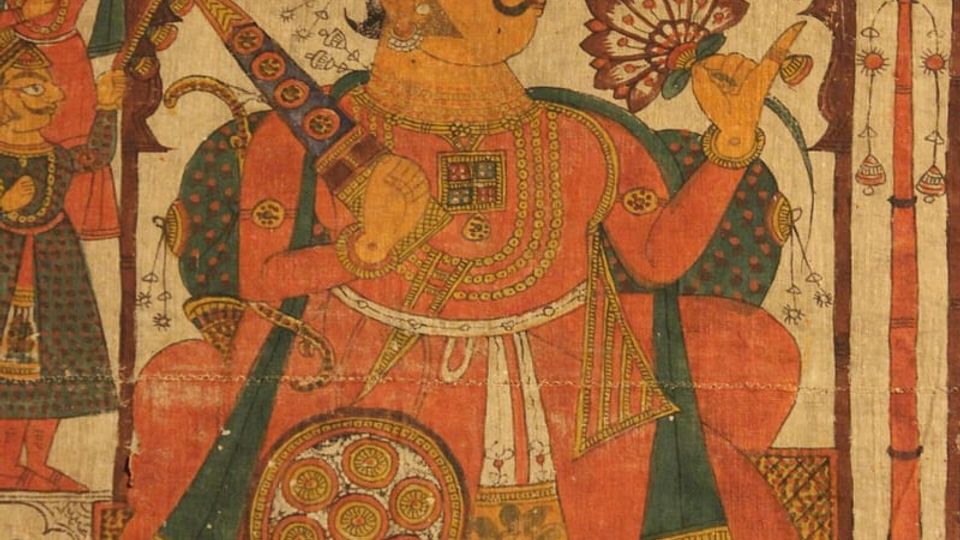 PaintingPhad and Ravanahatha — a story that travelsThrough the night, the bhopa and bhopi sing the epic of folk deities before the phad, to the ravanahatha.4 scenes · with music · ♥ 5
Photos: Jakub Hałun / Wikimedia Commons (CC BY-SA 4.0) · Vyacheslav Argenberg / Wikimedia Commons (CC BY 4.0) · Jakub Hałun / Wikimedia Commons (CC BY-SA 4.0) · Jakub Hałun / Wikimedia Commons (CC BY-SA 4.0)