Kota Doria
Welcome to the story of Kota Doria, where weaving art meets the scent of colors.
TIMES of RAJASTHAN · DARSHAN
Kota Doria
Welcome to the story of Kota Doria, where weaving art meets the scent of colors.
In detail
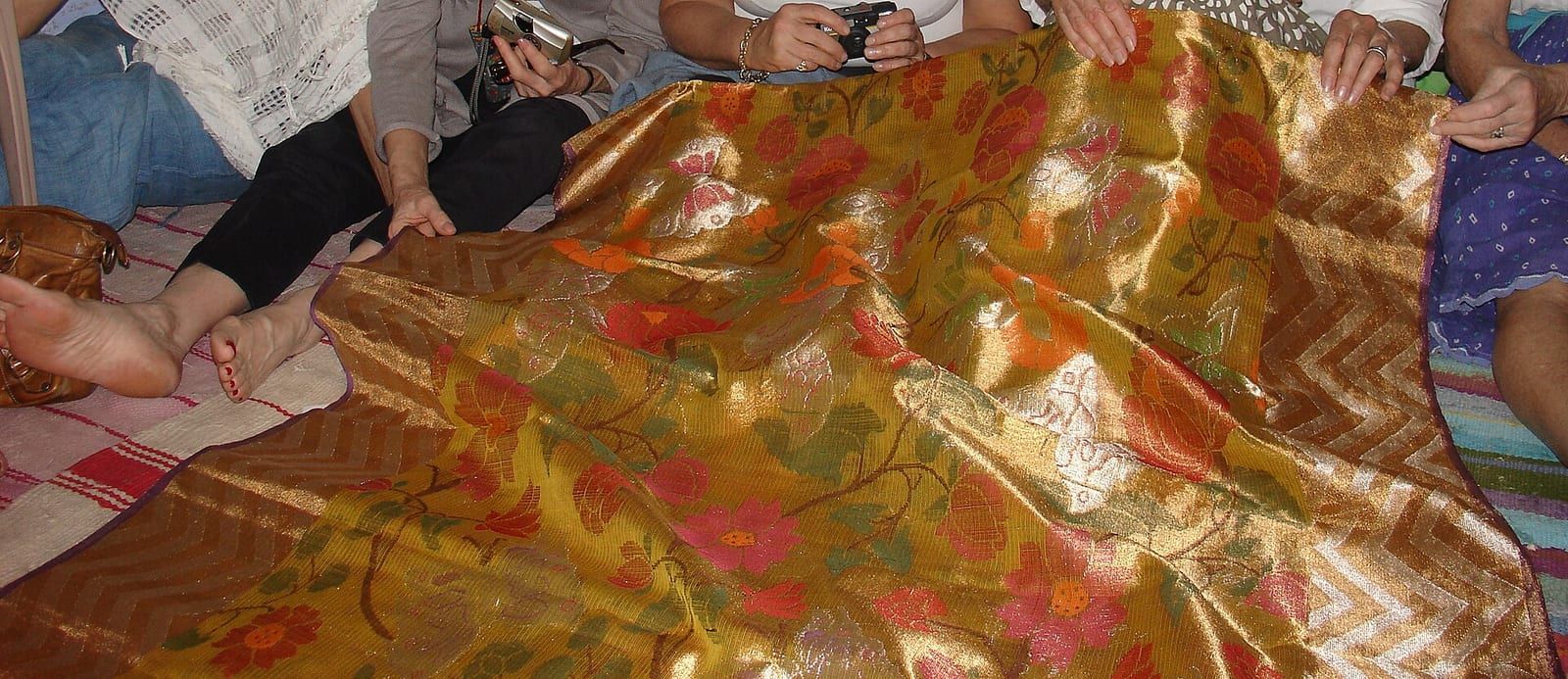
Kota Doria is a light woven fabric made of tiny woven squares, traditionally handwoven on pit looms in Kaithoon near Kota, Rajasthan. It is used to make sarees that feature square patterns called khats, and is prized for its lightweight, comfortable feel.
Overview
Kota Doria is a light woven fabric that features tiny woven squares known as khats. The fabric is still produced by hand on traditional pit looms in Kaithoon, a town near Kota in Rajasthan, and in several surrounding villages.
The sarees made from Kota Doria are crafted from pure cotton and silk. Their distinctive square patterns give the cloth a chequered appearance that is highly regarded for its lightweight quality.
Because of its fine weave and minimal weight, Kota Doria is prized for comfortable wear. The fabric’s delicate construction makes it a popular choice for those seeking a light and airy garment.
History and origins
It is said that jhala zalim singh of Kotah brought weavers from Mysore in Karnataka to Kotah, in the mid 17th century, as they wove a characteristic small squared lightweight cotton fabric that looks like graph paper and is suitable for turbans.
Rao Kishore Singh died in a battle in Karnataka in 1696 while fighting for the Mughal Emperor Aurangzeb.
Based on: the Wikipedia article (CC BY-SA 4.0) — facts from that source; edited and translated by Times of Rajasthan.
More visual stories
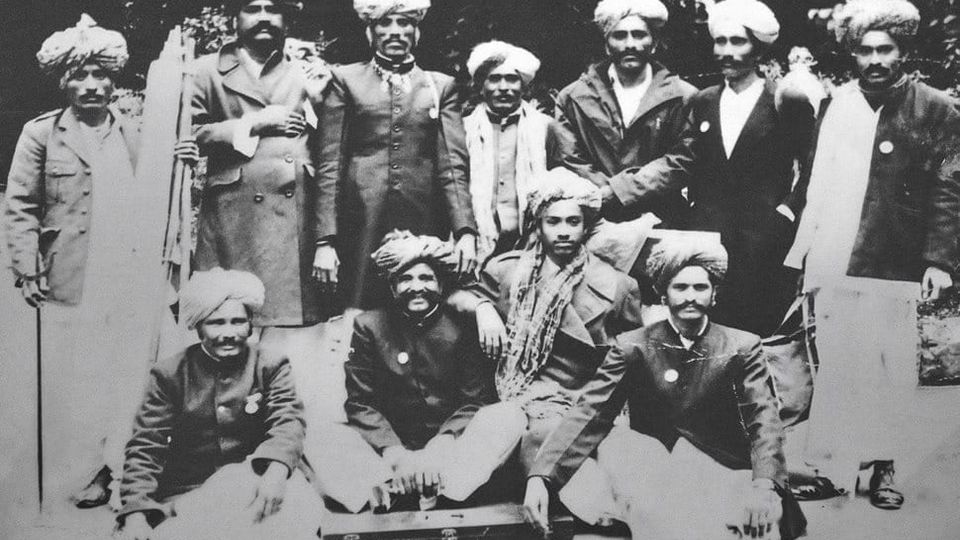 Folk musicKesariya Balam — the songs of the ManganiyarsMaand singing from the Thar, the hum of the kamaicha and the clack of the khartal.5 scenes · with music · ♥ 11
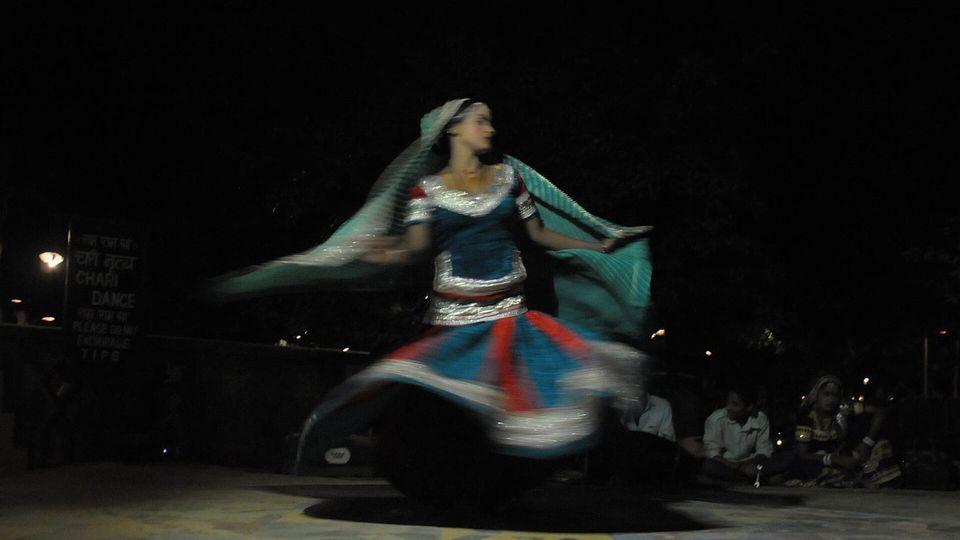 Folk danceGhoomar — the dance of the swirling skirtSwirling ghagras, flowing veils and clapping rhythms at Gangaur, Teej and weddings.3 scenes · with music · ♥ 13
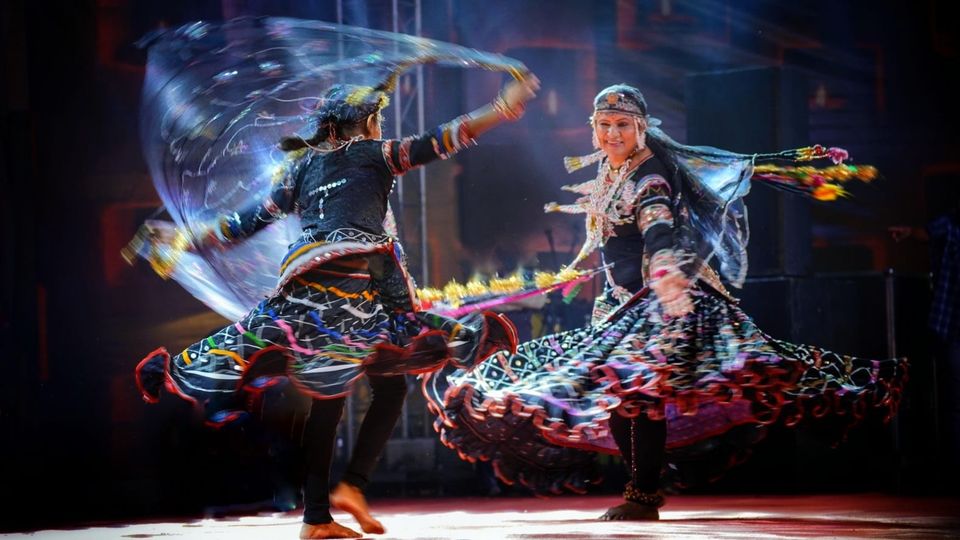 Folk danceKalbeliya — the serpent dance, a UNESCO heritageBodies sway like serpents to the pungi; on UNESCO’s intangible heritage list since 2010.4 scenes · with music · ♥ 1
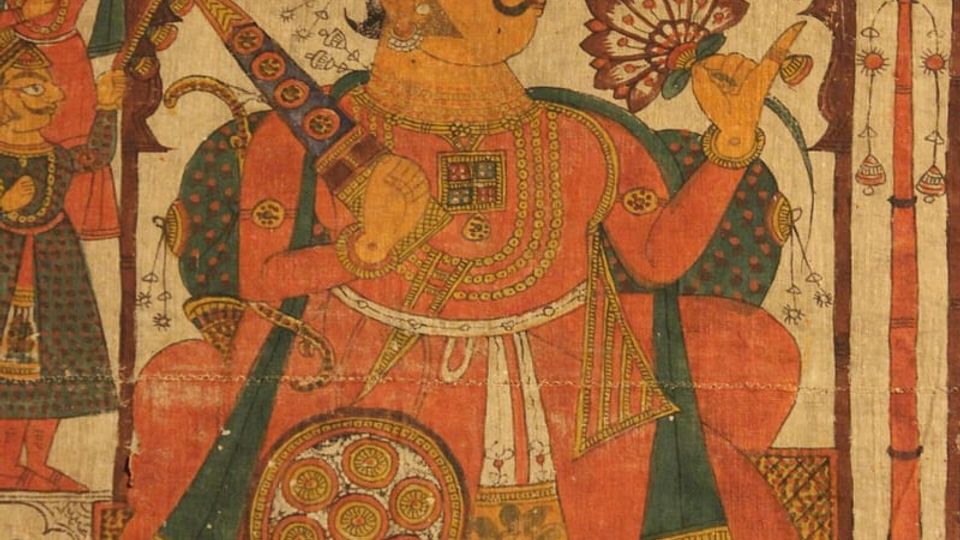 PaintingPhad and Ravanahatha — a story that travelsThrough the night, the bhopa and bhopi sing the epic of folk deities before the phad, to the ravanahatha.4 scenes · with music · ♥ 5