Keoladeo bird sanctuary
Welcome to the visual story of Keoladeo Bird Sanctuary.
TIMES of RAJASTHAN · DARSHAN
Keoladeo bird sanctuary
Welcome to the visual story of Keoladeo Bird Sanctuary.
In detail
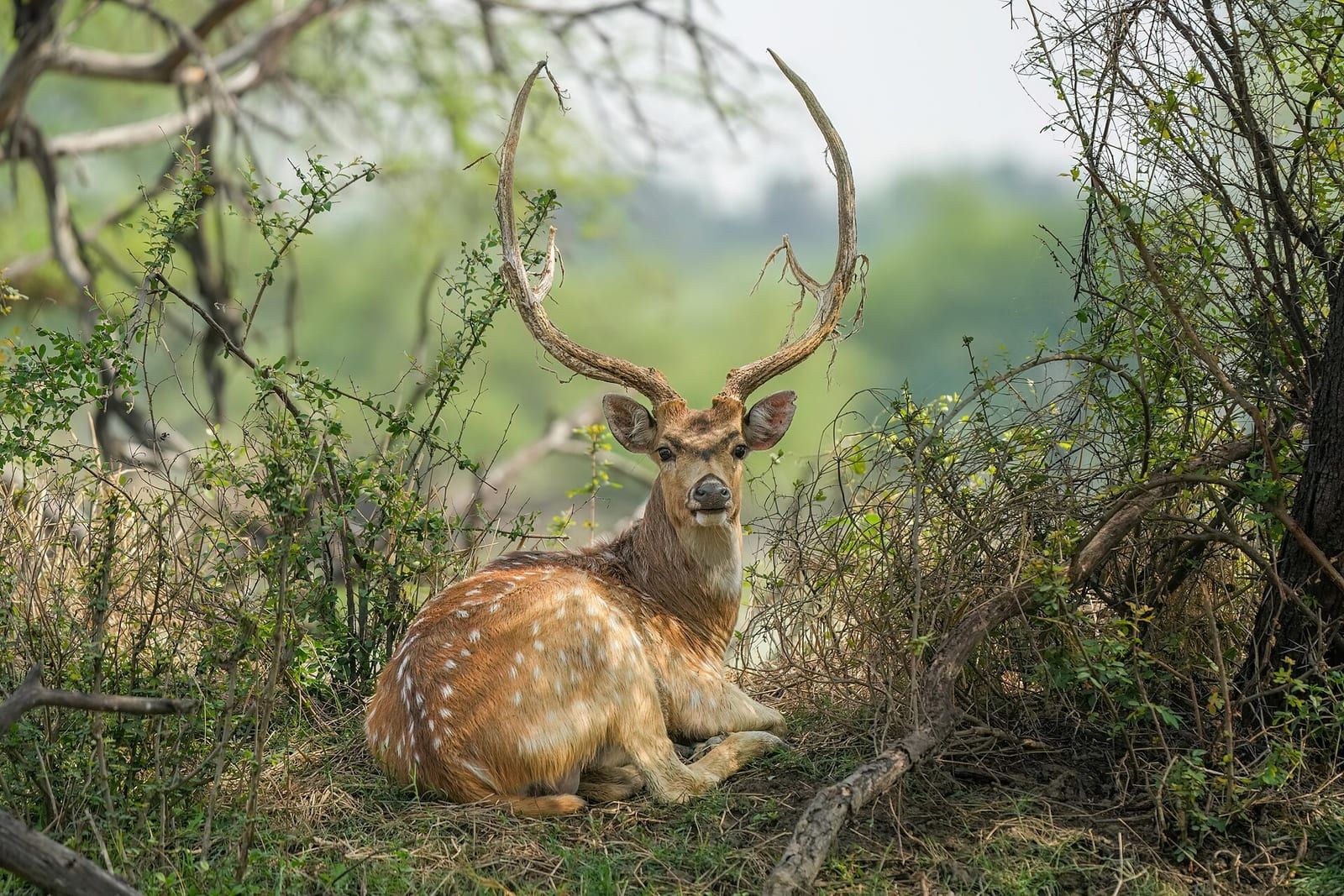
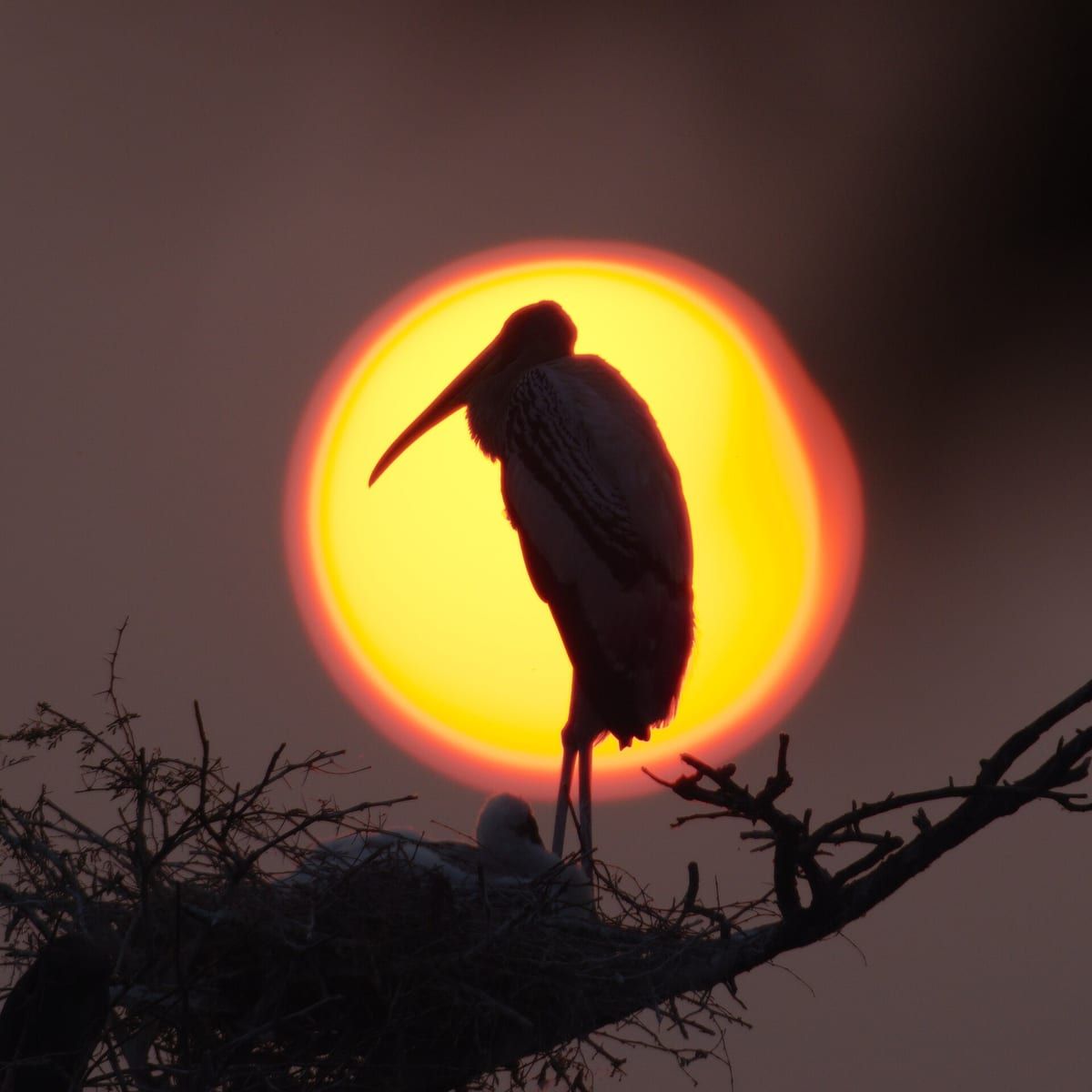
Keoladeo National Park, located in Rajasthan, India, is a renowned sanctuary that hosts thousands of resident and migratory birds, especially during winter, with at least 400 avian species recorded. It was established as a duck shooting reserve in 1899, became a protected sanctuary in 1971, and was declared a UNESCO World Heritage Site in 1985.
Overview
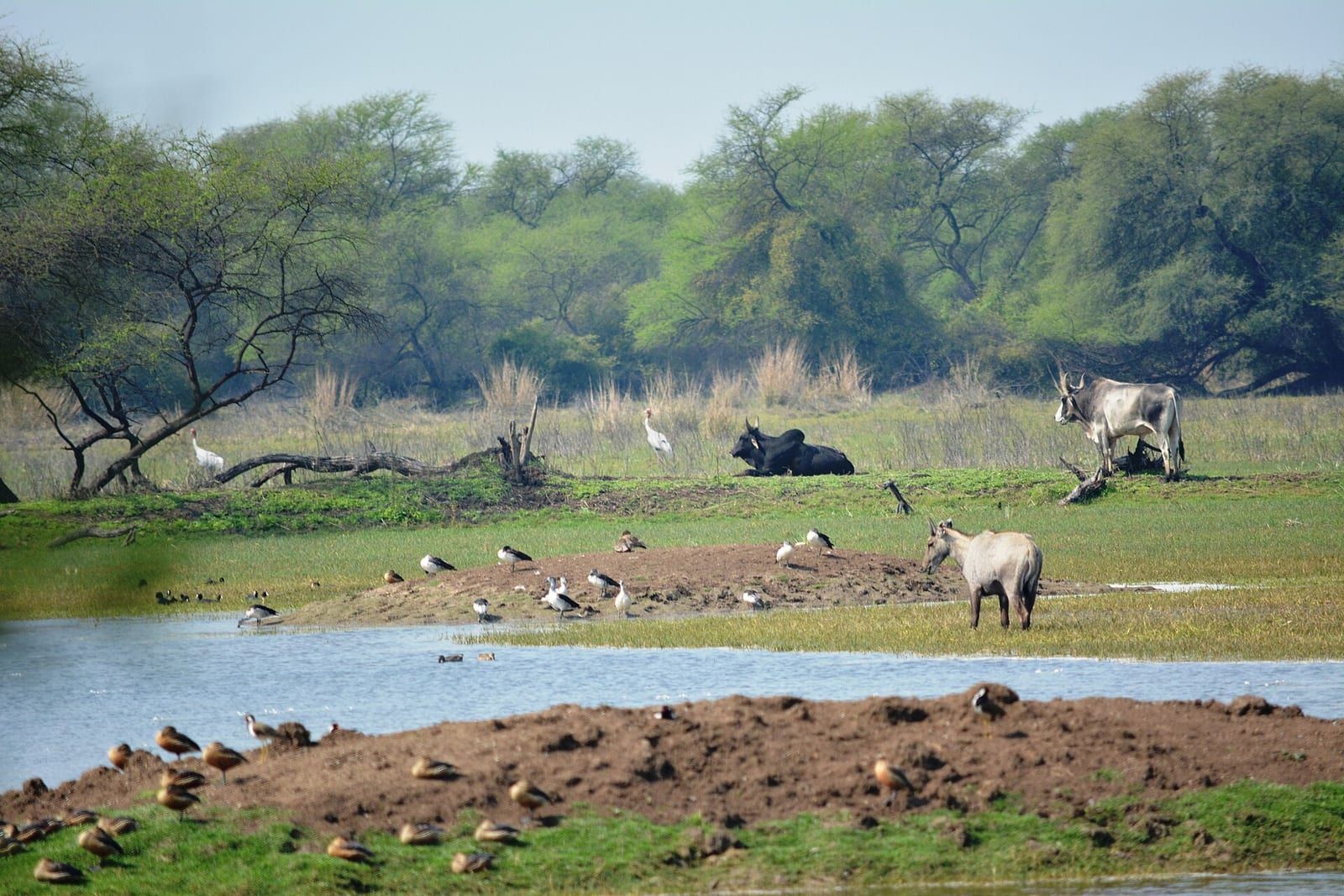
Keoladeo National Park, also known as Keoladeo Ghana National Park, is a national park located in Rajasthan, India. The park is renowned for hosting thousands of native, resident and migratory birds, particularly during the winter season when many species fly to the Indian subcontinent to escape harsh winters further north in Eurasia. At least 400 avian species have been noted or observed in the national park.
The area was originally developed into a duck shooting reserve in 1899 by the administrator of the Bharatpur State. Through the efforts of ornithologist Salim Ali, it became the Bharatpur Bird Sanctuary in 1956, was declared a protected sanctuary in 1971, and was established as Keoladeo National Park on 10 March 1982. Due to its exceptional avian biodiversity, it was declared a UNESCO World Heritage Site in 1985.
Keoladeo Ghana National Park features a human‑made regulated wetland that provides a needed source of hydration for animals in this drier region of the subcontinent. The reserve also protects Bharatpur settlements from flash floods and provides ample pastures for the locals’ cattle and livestock. In the past, the region was primarily used as a waterfowl hunting ground.
The 29 km² reserve, locally known as Ghana, is a natural mosaic of dry grasslands, woodlands, swamps and seasonal wetlands located just on the eastern edge of terrain that eventually becomes arid desert. The park’s centralised location, where the desert meets the tropics, contributes to its rich biodiversity.
Beyond the hundreds of bird species, at least 20 fish, 70 reptile and amphibian, and 50 mammalian species inhabit the area. Over 60 unique species of Lepidopterans have been seen here, in addition to more than 1,000 invertebrate species. Nearly 400 plant species have been documented in the park.
History and origins
The area now known as Keoladeo National Park was originally a private duck shooting preserve owned by the Maharaja of Bharatpur, a status it held since the 1850s. In 1976 the government designated the area as a bird sanctuary, formally recognizing its ecological value.
The sanctuary was elevated to national park status on 10 March 1982, reflecting its growing importance as a habitat for a wide variety of bird species. A year earlier, in October 1981, the site was also designated a Ramsar wetland of international importance under the Ramsar Convention.
In 1985 Keoladeo National Park was inscribed as a World Heritage Site under criterion iv, with the justification that it is a wetland of international importance for migratory waterfowl, serving as the wintering ground for the rare Siberian crane and providing habitat for large numbers of resident nesting birds.
When the World Heritage criteria were updated in 2005, the park fell under Criterion (x), which requires that a site contain the most important and significant natural habitats for in‑site conservation of biological diversity, including those containing threatened species of outstanding universal value from the point of view of science or conservation.
Based on: the Wikipedia article (CC BY-SA 4.0) — facts from that source; edited and translated by Times of Rajasthan.
More visual stories
 Folk musicKesariya Balam — the songs of the ManganiyarsMaand singing from the Thar, the hum of the kamaicha and the clack of the khartal.5 scenes · with music · ♥ 11
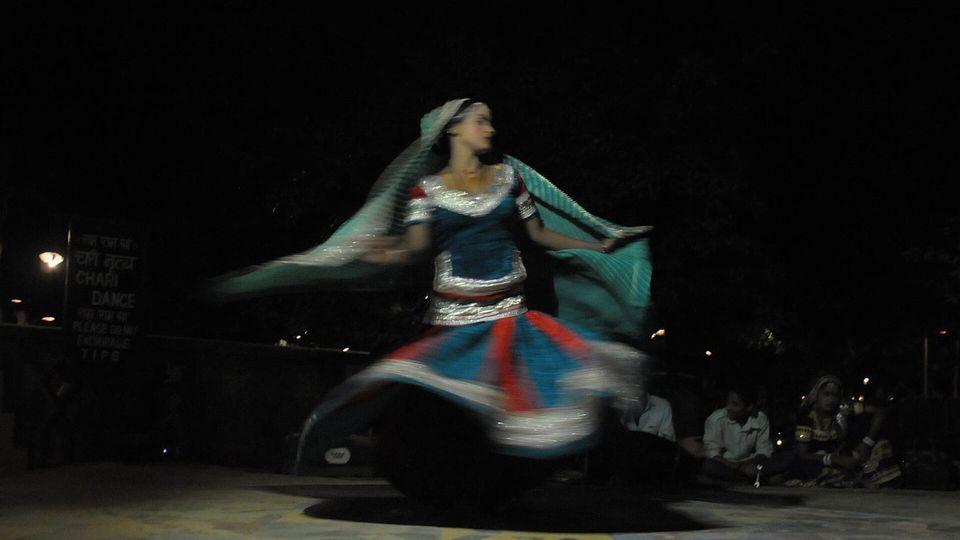 Folk danceGhoomar — the dance of the swirling skirtSwirling ghagras, flowing veils and clapping rhythms at Gangaur, Teej and weddings.3 scenes · with music · ♥ 13
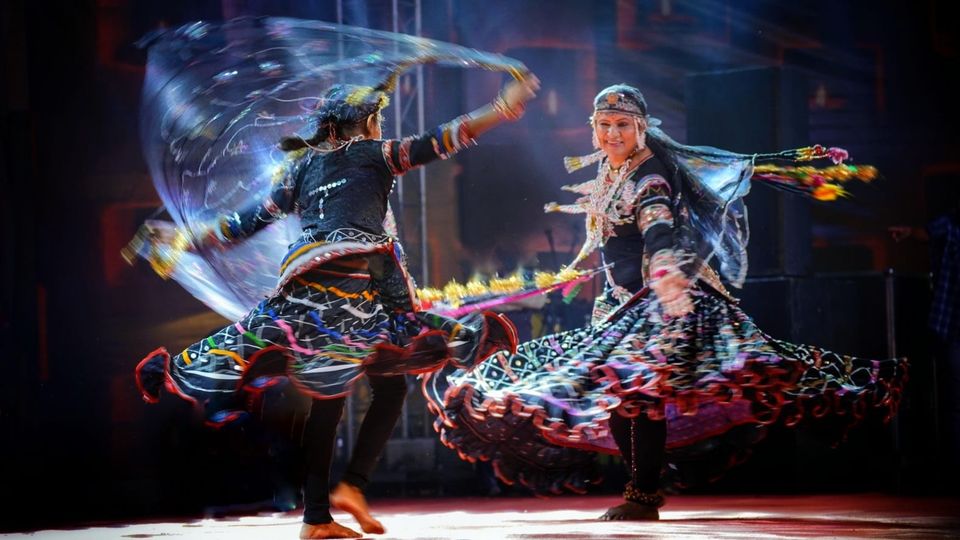 Folk danceKalbeliya — the serpent dance, a UNESCO heritageBodies sway like serpents to the pungi; on UNESCO’s intangible heritage list since 2010.4 scenes · with music · ♥ 1
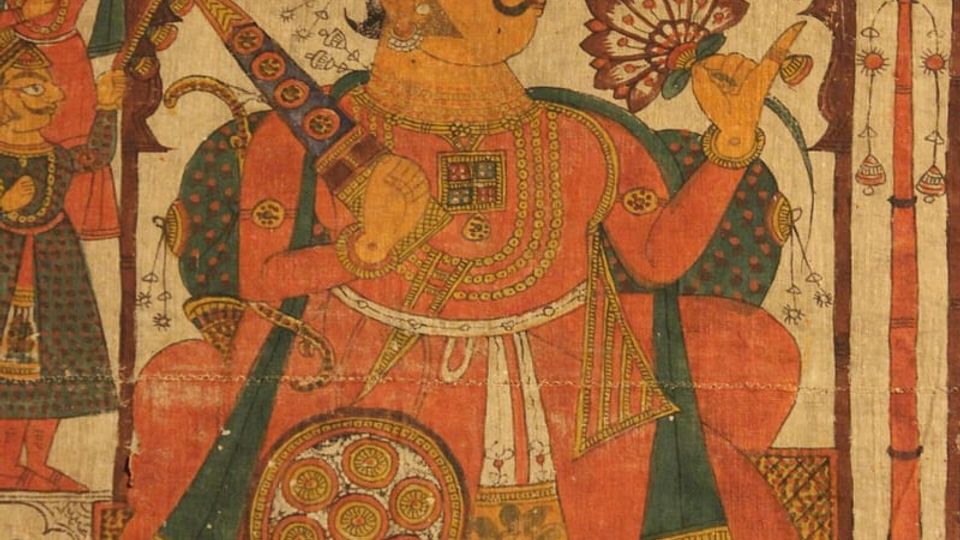 PaintingPhad and Ravanahatha — a story that travelsThrough the night, the bhopa and bhopi sing the epic of folk deities before the phad, to the ravanahatha.4 scenes · with music · ♥ 5
Photos: Giles Laurent / Wikimedia Commons (CC BY-SA 4.0) · Rohit Sharma / Wikimedia Commons (CC BY-SA 4.0) · Ashwani Kumar / Wikimedia Commons (CC BY-SA 4.0)