Kathputli — stories that dance on strings
Bright costumes, large eyes and nimble strings — Rajasthan’s centuries-old puppet theatre.
TIMES of RAJASTHAN · DARSHAN
Kathputli — stories that dance on strings
Bright costumes, large eyes and nimble strings — Rajasthan’s centuries-old puppet theatre.
In detail
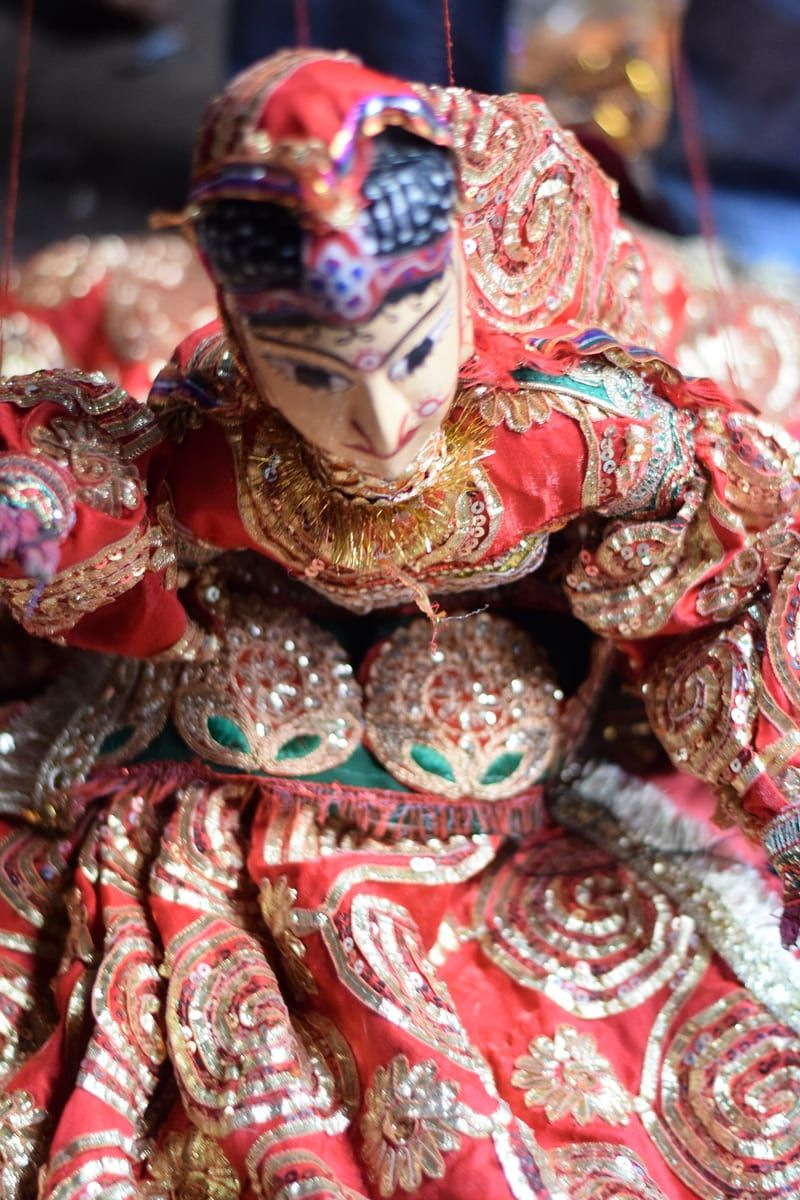
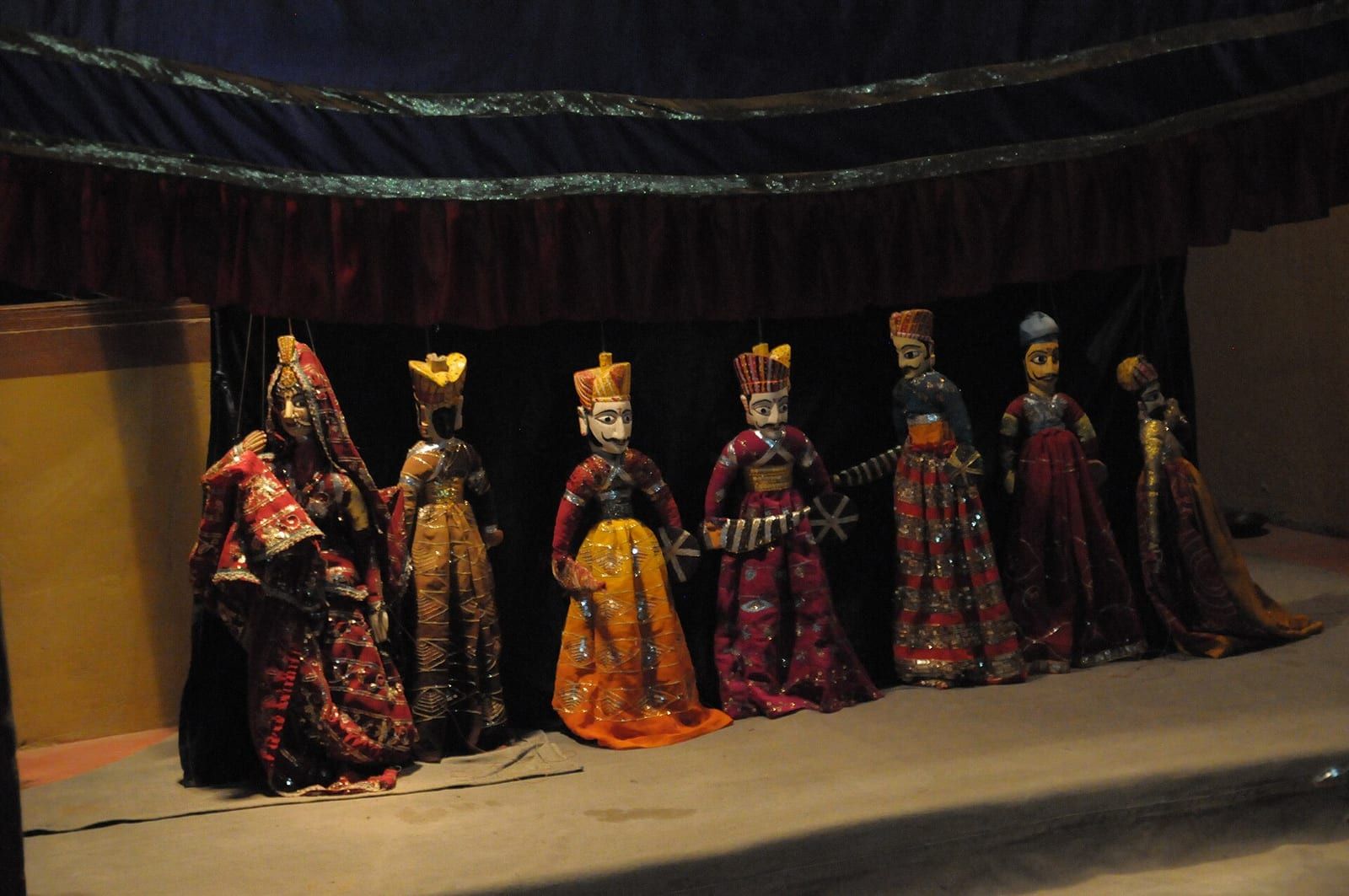
Kathputli is a string puppet theatre native to Rajasthan, India, and is the most popular form of Indian puppetry. It is a string marionette controlled by a single string that passes from the top of the puppet over the puppeteers.
Overview
Kathputli is a string puppet theatre native to Rajasthan, India, and is the most popular form of Indian puppetry. The puppets are marionettes that are controlled by a single string that passes from the top of the puppet over the puppeteers.
The name Putli means a doll, while Kathputli means a puppet that is made entirely from wood. In practice, the puppets are constructed from wood, cotton cloth and metal wire.
The performance style relies on the manipulation of the single string to animate the puppet, allowing the puppeteer to bring the character to life for the audience. The technique emphasizes the skill of the puppeteer in controlling the puppet’s movements through the string.
Kathputli has become a celebrated cultural art form in Rajasthan, drawing attention for its unique combination of craftsmanship and performance. Its popularity has made it a prominent example of Indian puppetry on both national and international stages.
History and origins
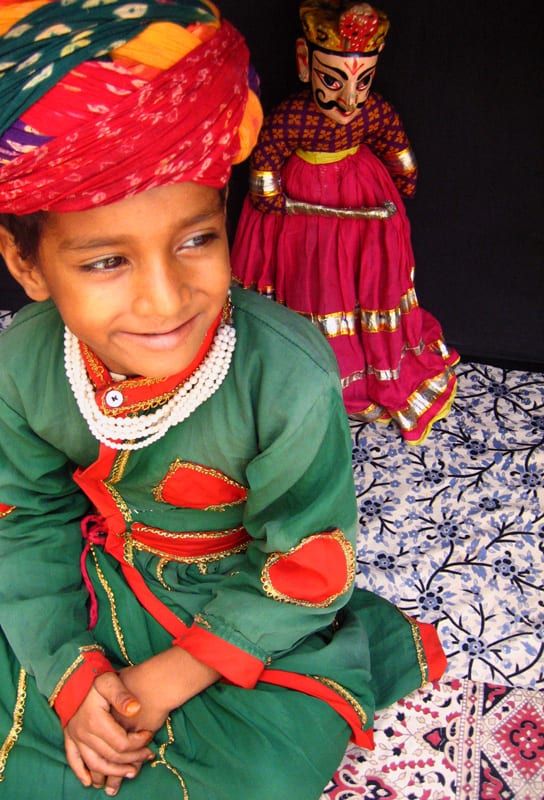
Some scholars believe Kathputli art tradition is more than thousands of years old. One finds its reference in Rajasthani folk tales, ballads, and sometimes even in folk songs. Similar puppets, which are rod‑puppets, are also found in west Bengal. But it is Rajasthan's Kathputli which made India one of the first countries to invent its traditional puppetry. Tribes of Rajasthan have been performing this art from the ancient times and it has become an eternal part of Rajasthani culture diversity and tradition. No village fair, no religious festival, and no social gathering in Rajasthan can be complete without the Kathputlis.
It is believed that somewhere 1,500 years ago, tribal Rajasthan Bhat community started the use of Kathputli as string marionette art and it is in their love for tradition that art of Kathputli survived the test of time. Tradition of Kathputli is based on folk tales and stories. Scholars believe that folk tales convey the lifestyle of ancient Rajasthani tribal people and Kathputli art might have originated from present day Nagaur and surrounding areas.
Rajasthani kings and nobles were patrons of art and craft and they encouraged the craftsmen in activities ranging from wood and marble carving to weaving, pottery, painting and jewellery. Over the last 500 years, Kathputli was a system of patronage supported by kings and well‑off families. The patrons would look after the artists in return for the artists singing praises of the patrons’ ancestors. Bhat community claim that their ancestors had performed for royal families, and received great honour and prestige from the rulers of Rajasthan.
Today Kathputli art is one of the most popular performing arts of Rajasthan state of India after Ghoomar. Organisations like Rupayan Sansthan in Jodhpur founded by Vijaydan Detha and Komal Kothari in 1960 and Bharatiya Lok Kala Mandal, Udaipur, founded by Devilal Samar in 1952, are working in the field preserving and promoting the art of Kathputli. The latter even has a puppet theater as well as puppet museum. Capital New Delhi also has an area known as 'Kathputli Colony', in Shadipur Depot, where puppeteers, magicians, acrobats, dancers and musicians and other itinerant performance groups have settled for half a century.
Based on: the Wikipedia article (CC BY-SA 4.0) — facts from that source; edited and translated by Times of Rajasthan.
Instruments
Dholak and the "boli"
Puppeteers voice their characters with a whistle-like reed, the "boli", over the beat of the dholak.
More visual stories
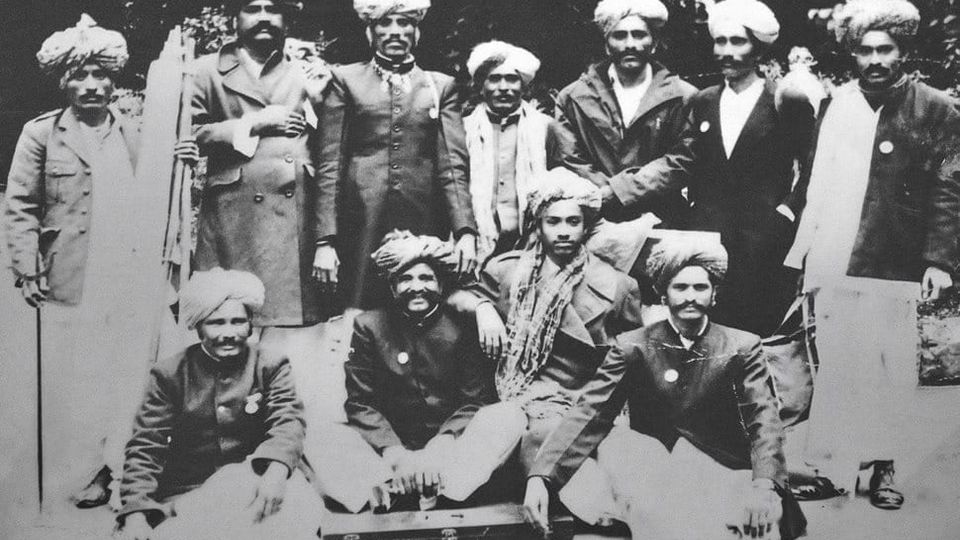 Folk musicKesariya Balam — the songs of the ManganiyarsMaand singing from the Thar, the hum of the kamaicha and the clack of the khartal.5 scenes · with music · ♥ 11
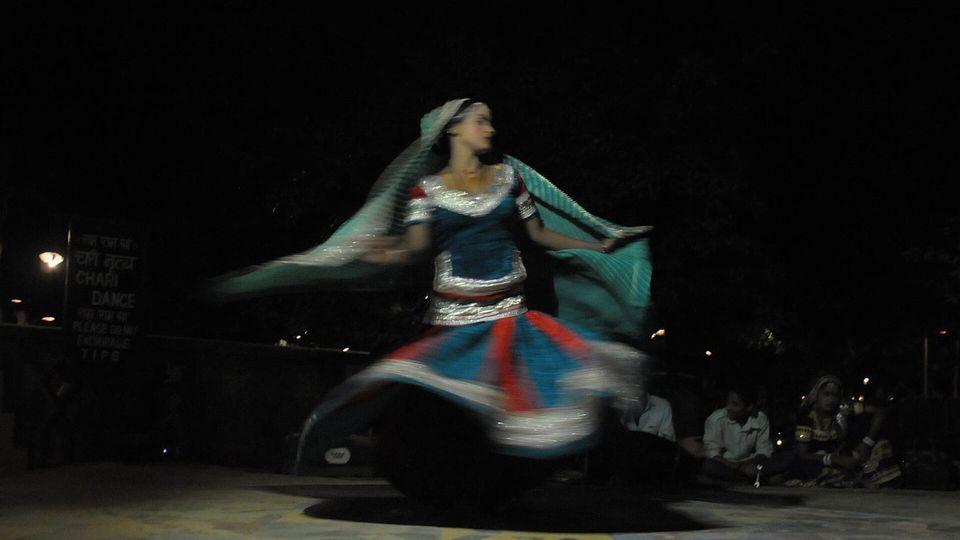 Folk danceGhoomar — the dance of the swirling skirtSwirling ghagras, flowing veils and clapping rhythms at Gangaur, Teej and weddings.3 scenes · with music · ♥ 13
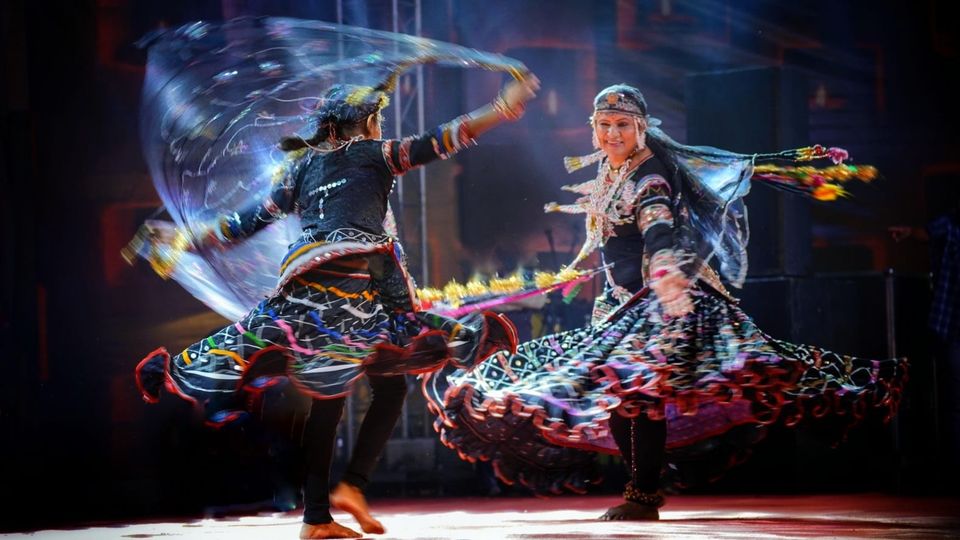 Folk danceKalbeliya — the serpent dance, a UNESCO heritageBodies sway like serpents to the pungi; on UNESCO’s intangible heritage list since 2010.4 scenes · with music · ♥ 1
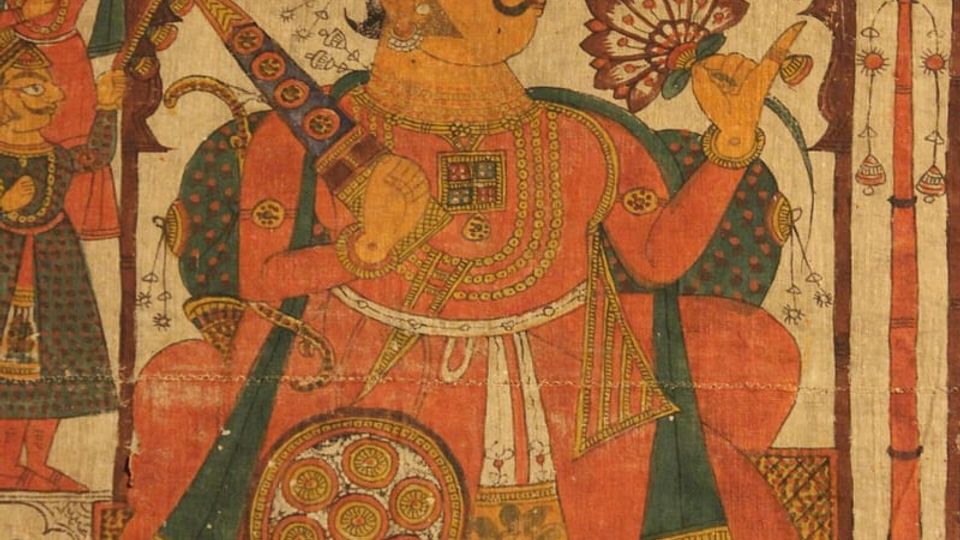 PaintingPhad and Ravanahatha — a story that travelsThrough the night, the bhopa and bhopi sing the epic of folk deities before the phad, to the ravanahatha.4 scenes · with music · ♥ 5
Photos: Manojmeena / Wikimedia Commons (CC BY-SA 4.0) · Ktorrespr / Wikimedia Commons (CC BY-SA 4.0) · Meanest Indian from Rajasthan / Wikimedia Commons (CC BY 2.0)