Karni Mata Temple, Deshnoke
Welcome to the visual story of Karni Mata Temple, Deshnoke.
TIMES of RAJASTHAN · DARSHAN
Karni Mata Temple, Deshnoke
Welcome to the visual story of Karni Mata Temple, Deshnoke.
In detail
Karni Mata Temple in Deshnoke, Rajasthan, is a prominent Hindu shrine dedicated to Karni Mata, famously known as the "Temple of Rats" because of the sacred rodents revered by devotees. Established around 1530 after Karni Mata's mahaprayan, it has become a major pilgrimage site, especially after access to Hinglaj was restricted post‑partition.
Overview
Karni Mata Temple, located in the town of Deshnoke about 30 km south of Bikaner in Rajasthan, is a prominent Hindu shrine dedicated to the deity Karni Mata. It is also known locally as Madh Deshnoke and has gained international recognition as the “Temple of Rats” because of the many rodents, called kābā, that are revered and cared for by worshippers.
The temple became the principal pilgrimage destination for followers of the Charani sagatis after access to the earlier holy site at Hinglaj was limited following the partition of India. Devotees from across India come to seek blessings, while curious tourists from around the world also visit the site.
The origins of the temple date back to around 1530, shortly after the mahaprayan (great death) of Karni Mata. Initially the structure consisted only of an inner sanctum capped by a dome, and over the subsequent centuries additional constructions were added by devotees, expanding the complex to its present form.
History and origins
Karni Mata, revered as an embodiment of Shakti, lived a celibate life yet ensured the continuation of her brother‑in‑law Depaji’s lineage by marrying her younger sister to him. Together they had four sons, the youngest being Lakshman, whom Karni Mata cared for as her own child. The legend recounts that Lakshman drowned in the Kapil Sarovar near Kolayat while bathing. At the plea of her sister, Karni Mata retrieved Lakshman's body, placed it at the site of the present inner sanctum, sealed the doors, and refused their opening.
Determined to restore Lakshman to life, Karni Mata confronted Yamraj, the god of death, demanding the boy’s return. When Yamraj questioned how the cycle of rebirth would proceed, Karni Mata declared that her family would no longer be subject to his realm: wherever she resided, her descendants would remain, and upon death they would stay with her. To fulfill this promise, she chose the embodied form of the kābā, the rat, as the vessel for her lineage.
According to the tradition, when members of the Charan community—her human followers—die, they are reborn as rats within the temple precincts, living near Karni Mata. Conversely, when these rats die, they are reborn again as human Charanas. This cycle maintains the same jāti across births, distinguishing it from the broader Hindu concept of transmigration, which typically does not preserve caste identity across different embodiments.
What it is like
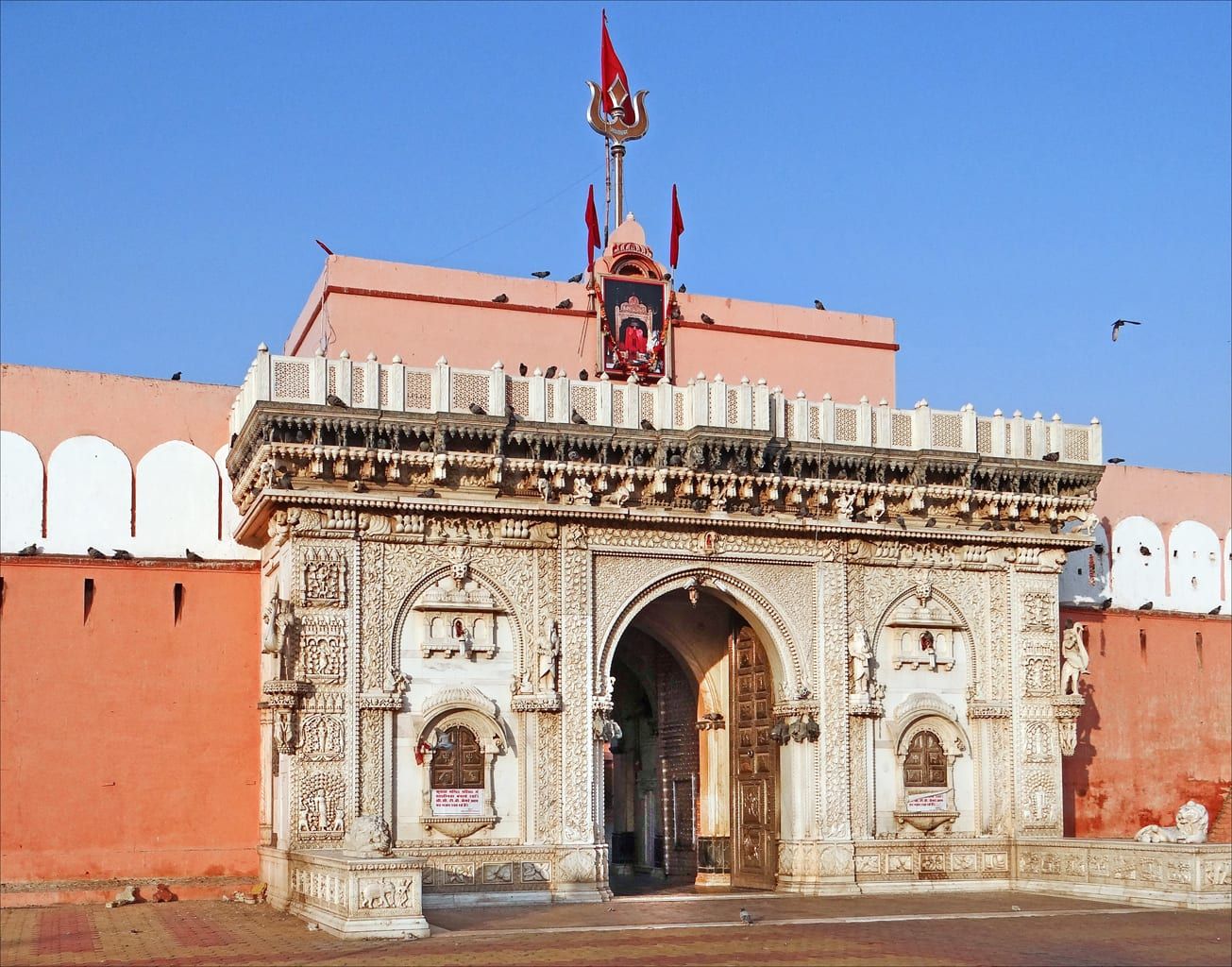
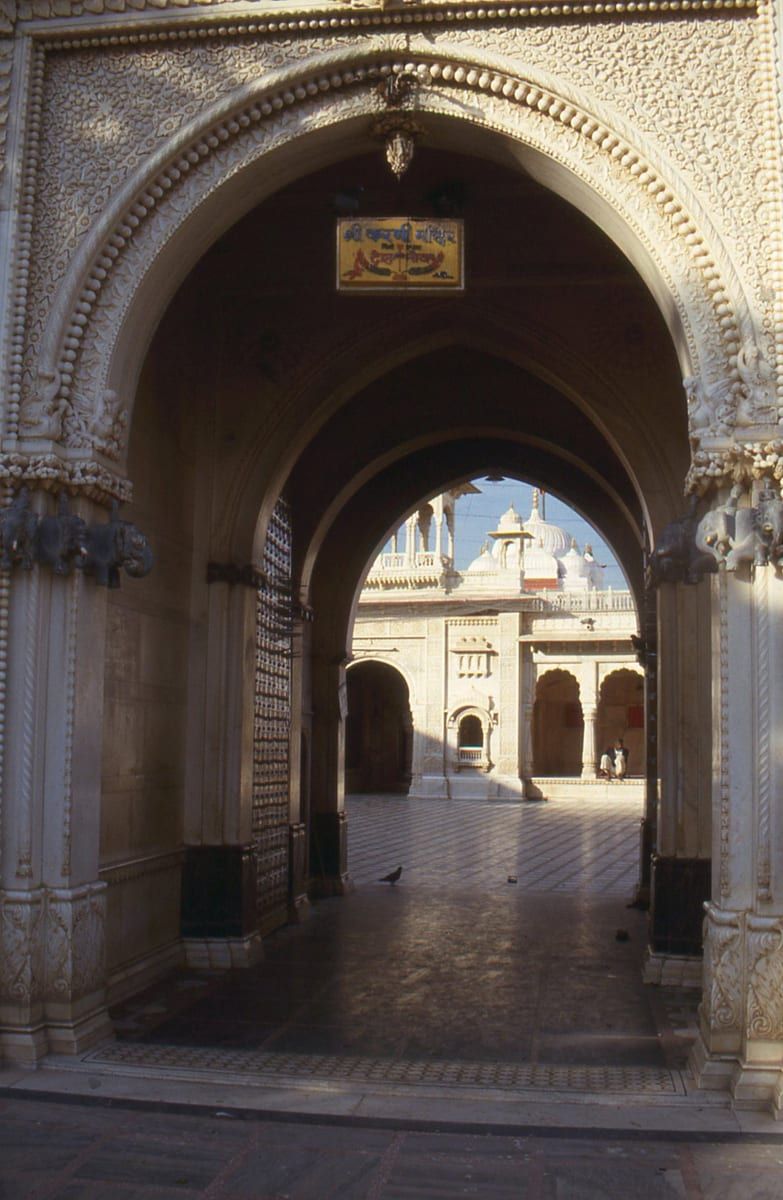
The temple presents a striking Rajput style that was completed in its present form in the early twentieth century under the patronage of Maharaja Ganga Singh of Bikaner. Its exterior is dominated by a beautiful marble façade that immediately catches the eye, offering a sense of grandeur and elegance.
At the entrance, solid silver doors, also commissioned by Maharaja Ganga Singh, frame the doorway. Beyond these, a second set of silver doors bears panels that depict various legends associated with the Goddess, adding a narrative layer to the temple’s visual experience.
Inside, the inner sanctum houses the image of the Goddess, the focal point of worship. The sanctum’s design and the placement of the deity reflect the temple’s devotional purpose while maintaining the architectural harmony established by its Rajput influences.
Where and when
The Karni Mata Temple is situated in the town of Deshnoke. The temple draws large numbers of pilgrims, especially during the biannual fairs that are held there.
The first and larger of the two fairs takes place in the months of March and April, coinciding with the Navratras. It runs from Chaitra Shukla Ekam to Chaitra Shukla Dashmi.
The second fair occurs in September and October, also during the Navratras, and extends from Ashvin Shukla to Ashwin Shukla Dashmi. During these Navratri periods, thousands of people make the pilgrimage to the temple on foot.
Importance today
The Karni Mata Temple today is notable for its large resident population of roughly twenty thousand rats, known locally as kābā, which are cared for by the temple staff and considered kin. These rodents occupy many areas of the inner complex, from the main shrine and kitchen to side rooms and the rooftop, and they are provided with a varied diet that includes prasad such as laddu, nuts, coconut, sugar crystals, milk, roti, grains, fruits, vegetables, and even liquor for those near the deity’s murti, while those on the rooftop and near the iron pots receive grains, fruits, vegetables, roti and water. Human caretakers protect the rats from predators and have become accustomed to their presence, allowing the animals to interact closely with devotees, perch on shoulders, and share plates.
Visitors regard eating food nibbled by the rats as a high honour, and temple regulations require that any rat accidentally killed be replaced with a solid silver or gold replica. This reverence for the rats underscores the temple’s unique religious practices and the deep bond between the Charan community and the rodent inhabitants.
The temple’s distinctive rat population has attracted considerable media attention, featuring in National Geographic coverage, Indian tourism promotions, and various documentaries. It was highlighted in the first season of the American reality series The Amazing Race, bringing international viewers to the site.
In 2016, the temple was the subject of the documentary film "Rats," directed by Morgan Spurlock, further cementing its place in popular culture. Additionally, it appeared in Season 2, Episode 3 of the series Mighty Trains as a stop on the Maharajas’ Express route, showcasing its appeal to travelers seeking cultural experiences.
Based on: the Wikipedia article (CC BY-SA 4.0) — facts from that source; edited and translated by Times of Rajasthan.
More visual stories
 Folk musicKesariya Balam — the songs of the ManganiyarsMaand singing from the Thar, the hum of the kamaicha and the clack of the khartal.5 scenes · with music · ♥ 11
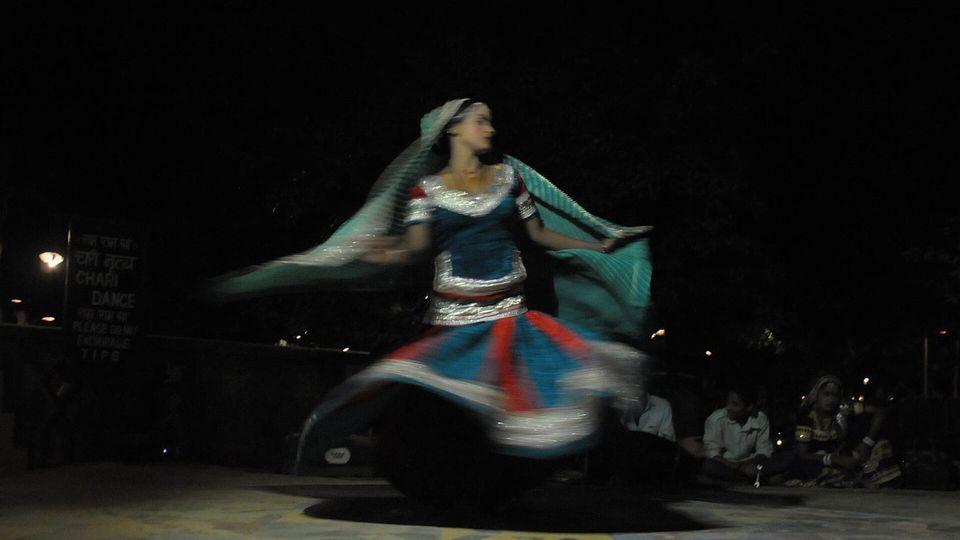 Folk danceGhoomar — the dance of the swirling skirtSwirling ghagras, flowing veils and clapping rhythms at Gangaur, Teej and weddings.3 scenes · with music · ♥ 13
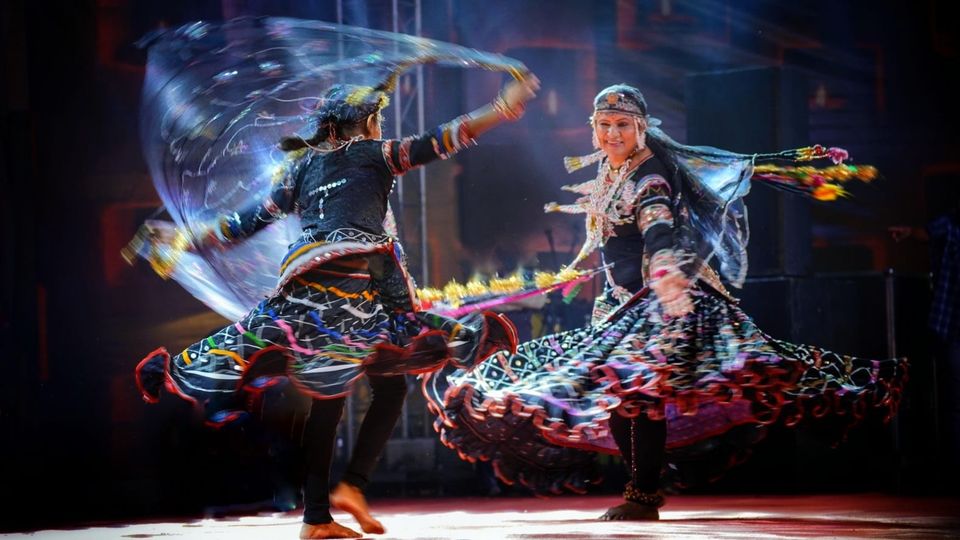 Folk danceKalbeliya — the serpent dance, a UNESCO heritageBodies sway like serpents to the pungi; on UNESCO’s intangible heritage list since 2010.4 scenes · with music · ♥ 1
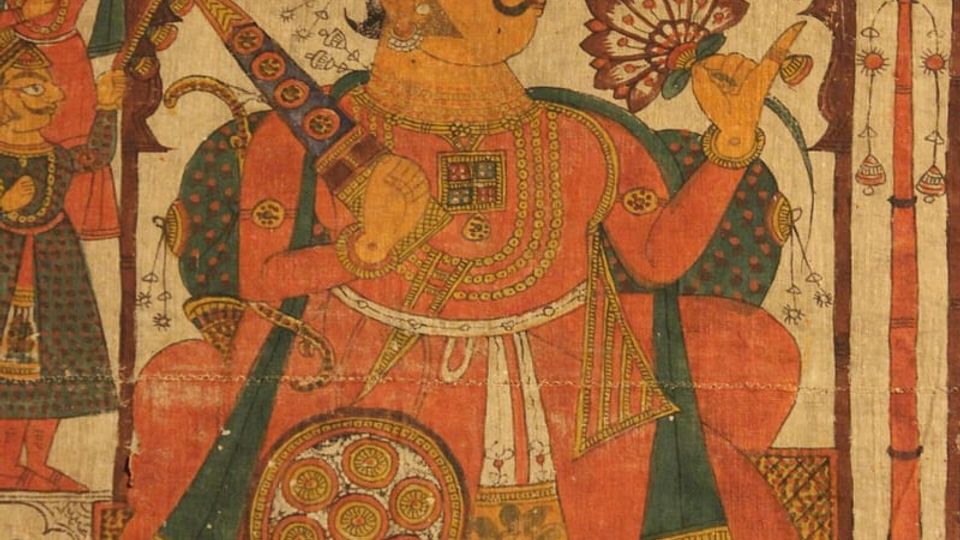 PaintingPhad and Ravanahatha — a story that travelsThrough the night, the bhopa and bhopi sing the epic of folk deities before the phad, to the ravanahatha.4 scenes · with music · ♥ 5
Photos: Jean-Pierre Dalbéra from Paris, France / Wikimedia Commons (CC BY 2.0) · Günther Jontes / Wikimedia Commons (CC BY 4.0)