Kachhi Ghodi
The Kachhi Ghodi dance is a vibrant cultural expression of Rajasthan.
TIMES of RAJASTHAN · DARSHAN
Kachhi Ghodi
The Kachhi Ghodi dance is a vibrant cultural expression of Rajasthan.
In detail
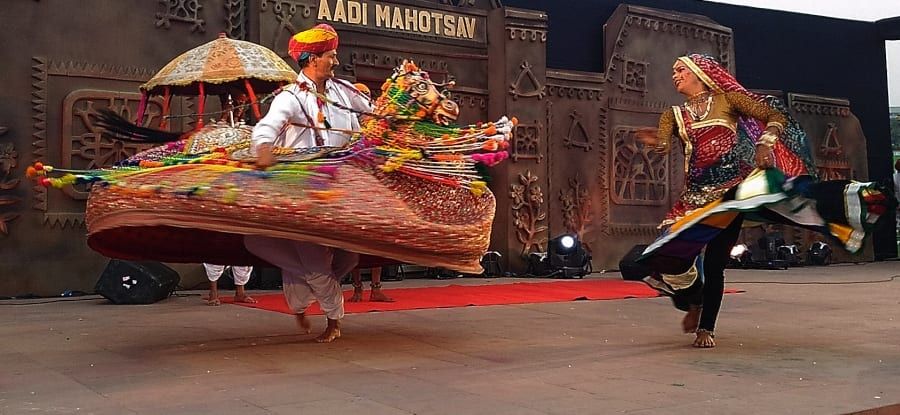
Kachchhi Ghodi is an Indian folk dance that originated in the Shekhawati region of Rajasthan and has spread across the country. Dancers wear horse costumes, engage in mock fights, and a singer narrates folk tales about local bandits, often performed at weddings and other social events.
Overview
Kachchhi Ghodi dance, also spelled Kachhi Ghodi and Kachhi Gori, is an Indian folk dance that originated in the Shekhawati region of Rajasthan. The dance has spread across the country and is now performed in many parts of India.
Dancers wear novelty horse costumes and engage in mock fights while a singer narrates folk tales about local bandits. The performance is a lively display of storytelling and physical skill.
The dance is commonly performed during wedding ceremonies to welcome and entertain the bridegroom's party. It is also featured in other social settings, providing entertainment and cultural enrichment.
For some individuals, performing the Kachchhi Ghodi dance is a profession, allowing them to earn a living through their skill and artistry.
What it is like
Kachchhi Ghodi is a combined performance that brings together dancers, singers and musicians. The dancers are men who wear a kurta and a turban, and they carry an imitation horse costume. The shell of the costume is made from papier‑mâché that is molded to resemble a horse and is supported by a bamboo frame. The costume is then covered with bright coloured fabric that is elaborately designed with mirror‑work embroidery known as Shisha.
The dummy horse does not have legs. Instead, fabric is draped around the dancer’s waist and covers the entire length of his legs. Around the ankles the dancers wear musical bells called ghungroo, which are similar to those worn by Indian classical dancers.
When performed as a group, the dancers stand on opposite sides with swords in their hands and run back and forth quickly. From above this movement resembles the opening and closing of flowers. The dancers move to the rhythm of flute music and the beats of dhol drums.
Singers narrate mock fights with stories of the exploits of Bhanwariya bandits, the Rajasthani equivalent of Robin Hood, adding a narrative element to the dance.
Based on: the Wikipedia article (CC BY-SA 4.0) — facts from that source; edited and translated by Times of Rajasthan.
More visual stories
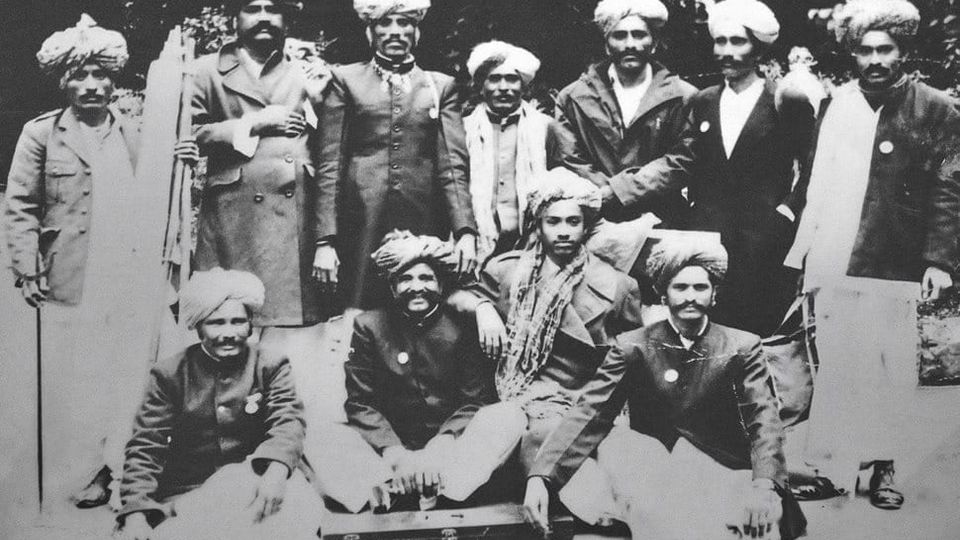 Folk musicKesariya Balam — the songs of the ManganiyarsMaand singing from the Thar, the hum of the kamaicha and the clack of the khartal.5 scenes · with music · ♥ 11
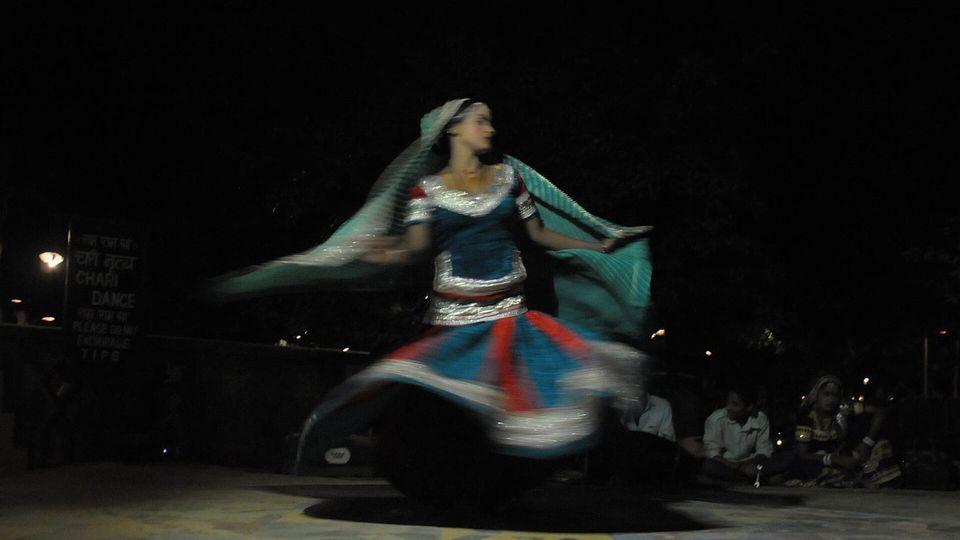 Folk danceGhoomar — the dance of the swirling skirtSwirling ghagras, flowing veils and clapping rhythms at Gangaur, Teej and weddings.3 scenes · with music · ♥ 13
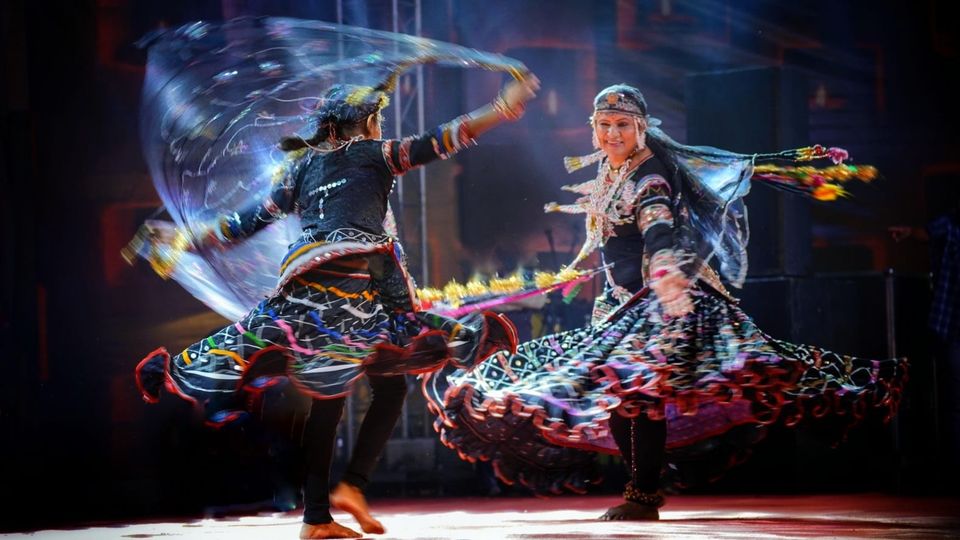 Folk danceKalbeliya — the serpent dance, a UNESCO heritageBodies sway like serpents to the pungi; on UNESCO’s intangible heritage list since 2010.4 scenes · with music · ♥ 1
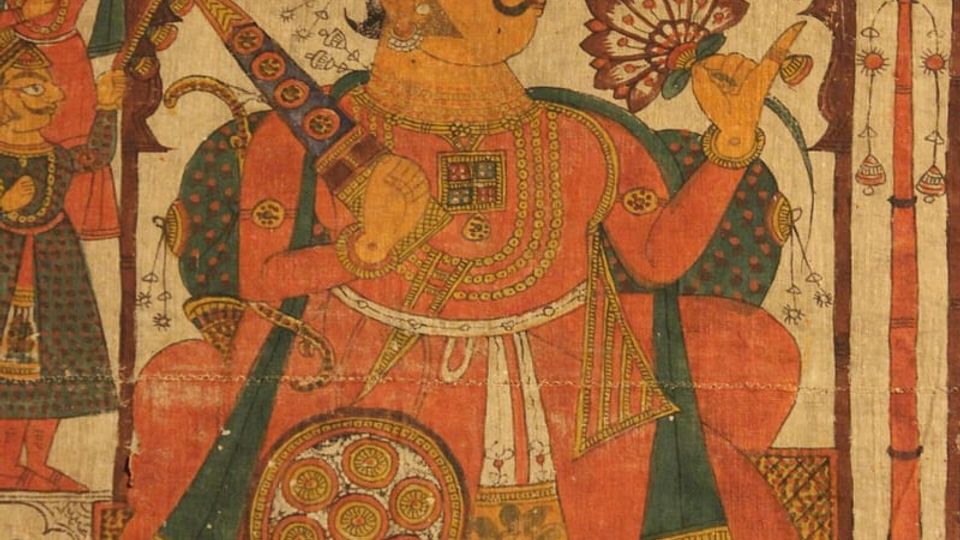 PaintingPhad and Ravanahatha — a story that travelsThrough the night, the bhopa and bhopi sing the epic of folk deities before the phad, to the ravanahatha.4 scenes · with music · ♥ 5