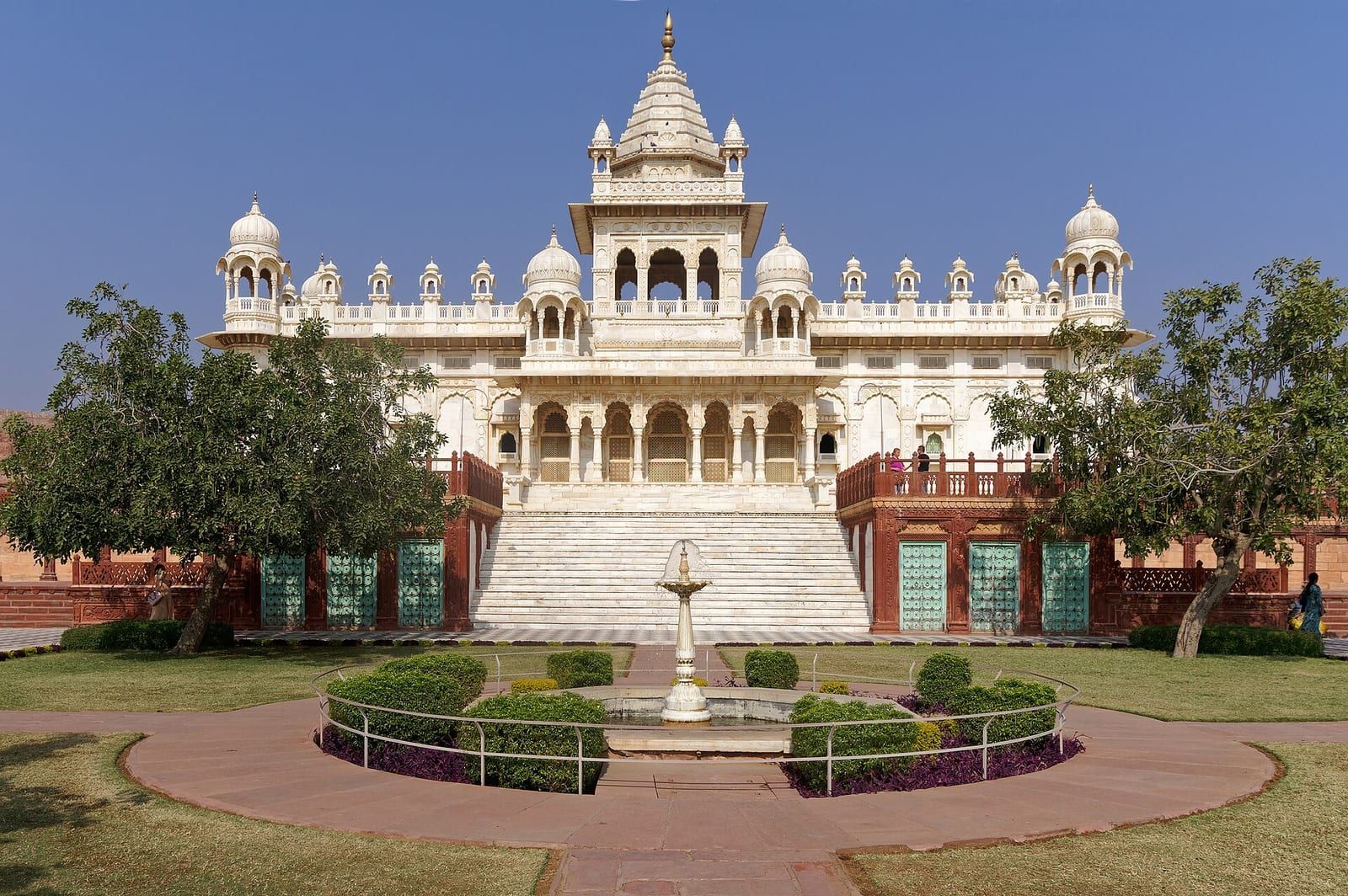
Umaid Bhawan & Jaswant Thada
Welcome to a visual journey through Umair Bhawan and Jaswant Thada.
TIMES of RAJASTHAN · DARSHAN
Umaid Bhawan & Jaswant Thada
Welcome to a visual journey through Umair Bhawan and Jaswant Thada.
In detail
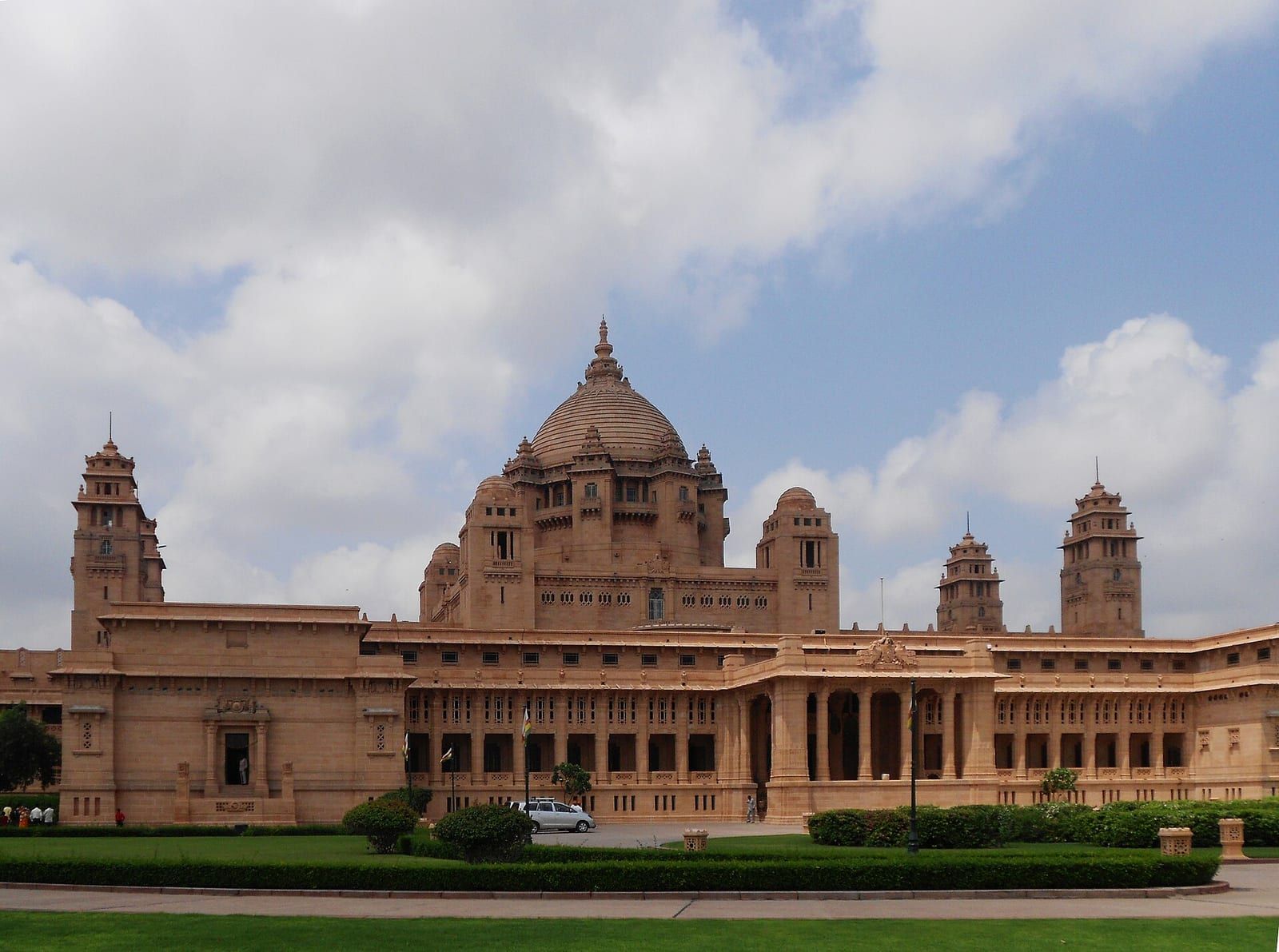
Umaid Bhawan Palace in Jodhpur, Rajasthan, is one of the world’s largest private residences, featuring 347 rooms and serving as the principal home of the former royal family, with part of it operated by Taj Hotels and a museum section.
Overview
Umaid Bhawan Palace is located in Jodhpur, Rajasthan, India, and is one of the world’s largest private residences. The palace was named after Maharaja Umaid Singh, who was the grandfather of the present owner, Gaj Singh. It contains 347 rooms and serves as the principal residence of the former Jodhpur royal family.
The palace’s construction began with a groundbreaking ceremony on 18 November 1929, conducted by Maharaja Umaid Singh. The building was completed in 1943.
Part of the palace is managed by Taj Hotels, and another portion functions as a museum, preserving the heritage of the royal family and the architectural splendor of the structure.
History and origins
The construction of Umaid Bhawan Palace was motivated by a curse that foretold drought during the rule of the Rathore Dynasty. After the reign of Pratap Singh ended, Jodhpur suffered severe drought and famine for three consecutive years in the 1920s. The farmers, desperate for relief, turned to Maharaja Umaid Singh, the 37th Rathore ruler of Marwar, who decided to build a lavish palace to provide employment and aid to the afflicted populace.
Maharaja Umaid Singh commissioned Henry Vaughan Lanchester, a contemporary of Edwin Lutyens, to design the palace. Lanchester modeled the structure on the New Delhi government complex, incorporating domes and columns while blending western technology with Indian architectural features. Construction began slowly, with the foundation stone laid in 1929, employing 2,000 to 3,000 workers to keep the famine-stricken farmers occupied. The palace was completed in 1943, just before Indian Independence, and at that time was considered one of the largest royal residences in the world.
The chosen site was Chittar hill on the outskirts of Jodhpur, a rocky slope with no nearby water supply or vegetation. Sandstone quarries were far away, so a railway line was built to transport the stone, and donkeys hauled soil to the site. The sandstone, a dun‑coloured (golden‑yellow) variety, was dressed into large interlocking blocks that required no mortar. Makrana marble and Burmese teak wood were also used for interior finishes. The finished palace boasted 347 rooms, several courtyards, and a banquet hall that could seat 300 people.
The palace’s architectural style is described as Beaux‑Arts or Indo‑Deco, reflecting the popular trends of the era. However, the building did not fully serve its intended purpose for many years due to tragic events in the royal family. Umaid Singh occupied the palace for only four years before his death in 1947. His successor, Hanwant Singh, died in a plane crash after winning the 1952 General Elections. It was not until 1971 that Gaj Singh II converted part of the palace into a hotel, allowing the structure to fulfill a new role in the region.
Based on: the Wikipedia article (CC BY-SA 4.0) — facts from that source; edited and translated by Times of Rajasthan.
More visual stories
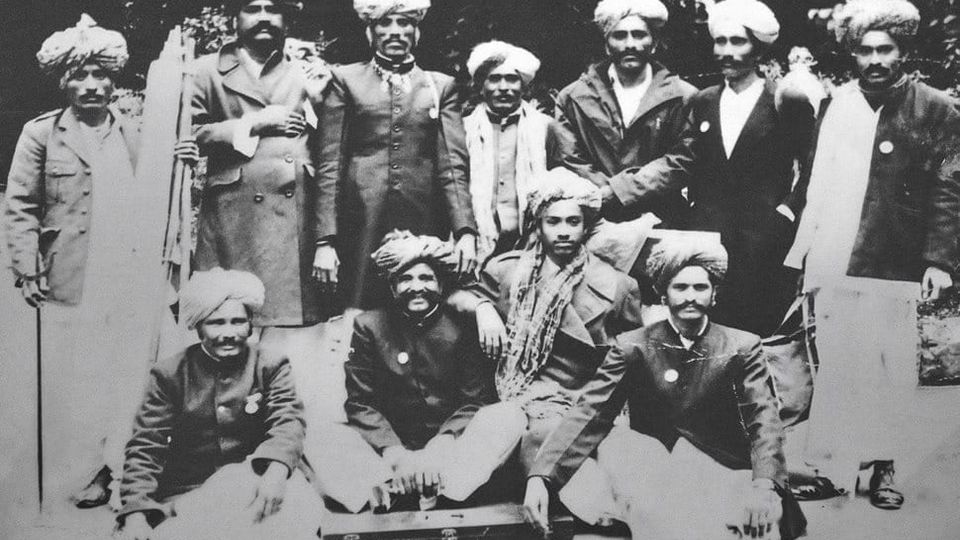 Folk musicKesariya Balam — the songs of the ManganiyarsMaand singing from the Thar, the hum of the kamaicha and the clack of the khartal.5 scenes · with music · ♥ 11
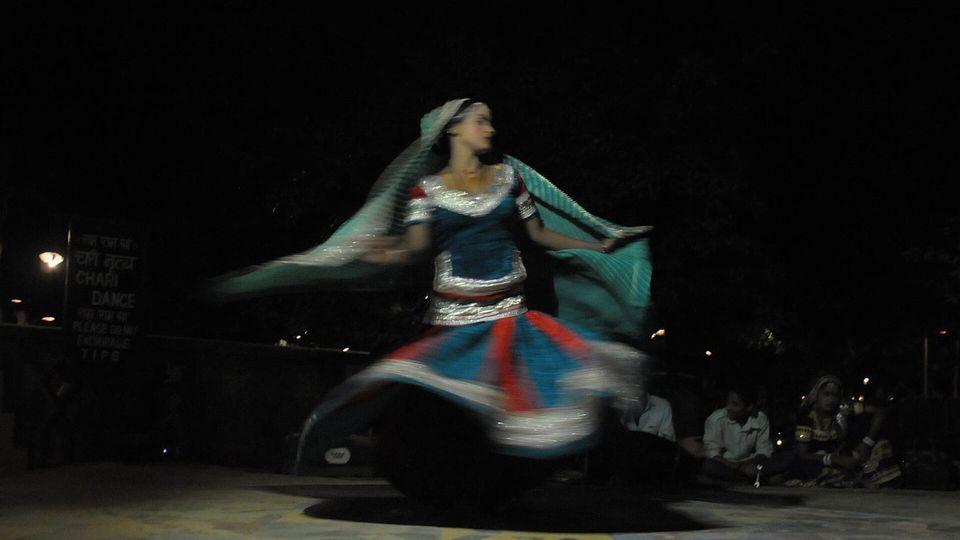 Folk danceGhoomar — the dance of the swirling skirtSwirling ghagras, flowing veils and clapping rhythms at Gangaur, Teej and weddings.3 scenes · with music · ♥ 13
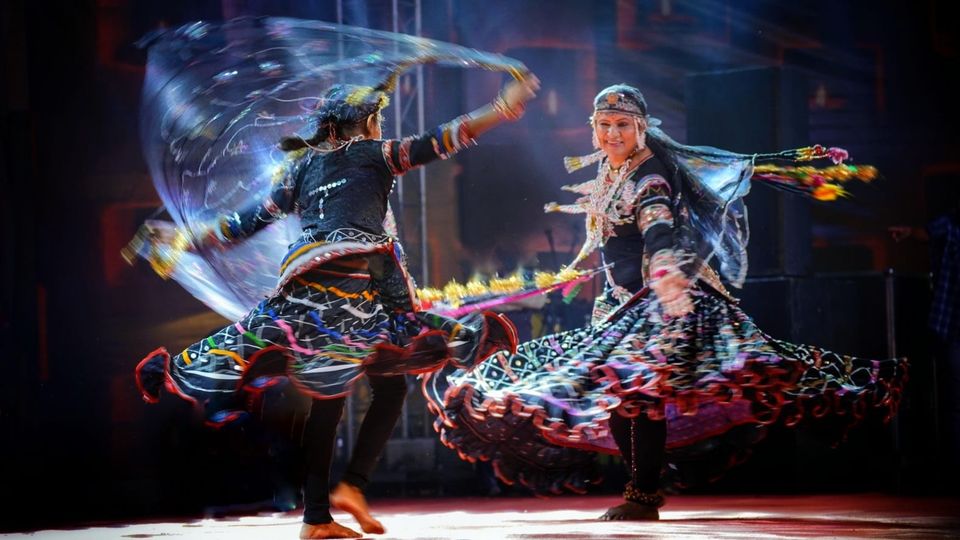 Folk danceKalbeliya — the serpent dance, a UNESCO heritageBodies sway like serpents to the pungi; on UNESCO’s intangible heritage list since 2010.4 scenes · with music · ♥ 1
 PaintingPhad and Ravanahatha — a story that travelsThrough the night, the bhopa and bhopi sing the epic of folk deities before the phad, to the ravanahatha.4 scenes · with music · ♥ 5
Photos: Yann ( talk ) / Wikimedia Commons (CC BY-SA 4.0) · Jakub Hałun / Wikimedia Commons (CC BY-SA 4.0) · Pinakpani / Wikimedia Commons (CC BY 4.0) · Harshil s mehta / Wikimedia Commons (CC BY 4.0)