The Pink City’s heritage
Welcome to glimpses of the heritage of the Pink City.
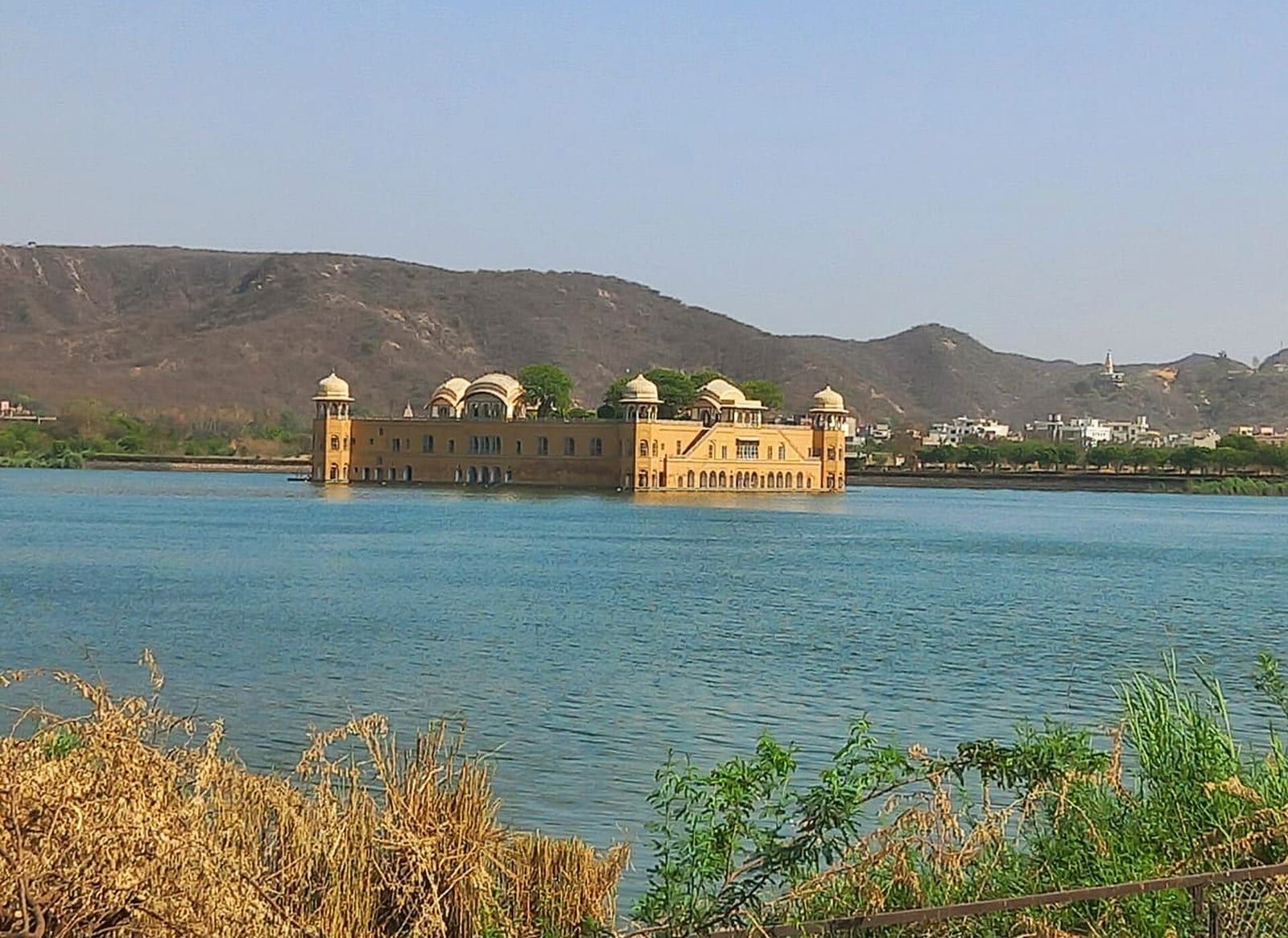
TIMES of RAJASTHAN · DARSHAN
The Pink City’s heritage
Welcome to glimpses of the heritage of the Pink City.
In detail
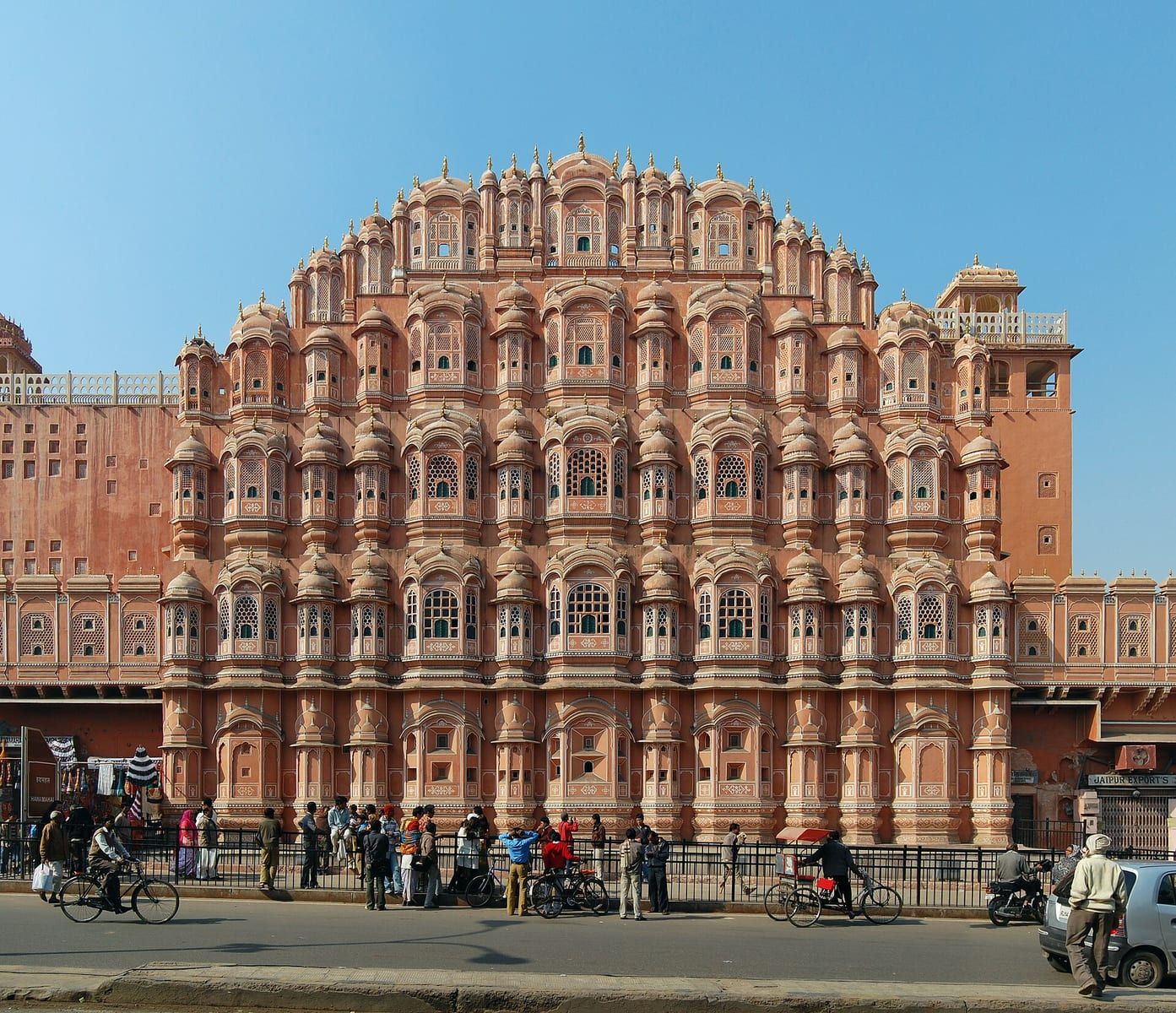
The Hawa Mahal, built in 1799 by Maharaja Sawai Pratap Singh, is a pink sandstone palace known for its 953 honeycomb‑shaped windows that provide natural ventilation and allow royal ladies to observe street life from the balconies. The palace, designed by Lal Chand Ustad, underwent a 2006 renovation costing Rs 4.568 million, supported by the corporate sector and the Unit Trust of India.
Overview
The Hawa Mahal is a palace in the city of Jaipur, Rajasthan, India. Built from red and pink sandstone, it is on the edge of the City Palace and extends to the Zenana, or women’s chambers.
The palace, also known as the “Palace of Winds”, was built in 1799 by Maharaja Sawai Pratap Singh, grandson of Maharaja Sawai Jai Singh, the founder of Jaipur. It was designed by Lal Chand Ustad and inspired by the unique structure of Khetri Mahal.
Its five‑floor exterior is a honeycomb of 953 small windows called jharokhas, each decorated with intricate latticework. The lattice design allowed royal ladies to observe street life without being seen and also let cool air pass through, keeping the interior cool during summer.
In 2006, renovation works were undertaken after a 50‑year gap, costing an estimated Rs 4.568 million. The corporate sector and the Unit Trust of India helped preserve the monument.
The Hawa Mahal is an extended part of a large complex. Its stone‑carved screens, small casements, arched roofs and delicately modeled hanging cornices are features that attract many visitors.
What it is like
The Hawa Mahal rises to about 50 feet and is a five‑storey pyramidal monument. The top three floors are the width of a single room, while the first and second floors feature patios in front of them. The front elevation, viewed from the street, resembles a honeycomb of small portholes, each with miniature windows, carved sandstone grills, finials and domes. This arrangement gives the façade a mass of semi‑octagonal bays that is unique to the structure.
The rear face of the building contains chambers built with pillars and corridors that are minimally ornamented and extend up to the top floor. Inside, rooms of different coloured marbles are relieved by inlaid panels or gilding, and fountains adorn the centre of the courtyard. The palace was designed by Lal Chand Ustad and built from red and pink sandstone, echoing the décor of other monuments in Jaipur and reinforcing the city’s nickname, the Pink City.
The façade features 953 niches with intricately carved jharokhas, some made of wood, creating a stark contrast to the plain rear side. The architecture reflects a fusion of Hindu Rajput and Islamic Mughal styles: Rajput elements appear in domed canopies, fluted pillars, lotus and floral patterns, while Islamic influence is seen in stone inlay filigree work and arches.
Entry from the city palace side is through an imperial door that opens into a large courtyard. The courtyard has double‑storeyed buildings on three sides, with the Hawa Mahal enclosing it on the east side, and houses an archaeological museum. The palace was a favourite resort of Maharaja Jai Singh, whose chef‑d’œuvre it was, because of its elegance and built‑in interior.
The cooling effect in the chambers is provided by breezes passing through the small windows of the façade, enhanced by fountains at the centre of each chamber. The top two floors are accessible only through ramps. The Hawa Mahal is maintained by the archaeological department of the Government of Rajasthan.
Based on: the Wikipedia article (CC BY-SA 4.0) — facts from that source; edited and translated by Times of Rajasthan.
More visual stories
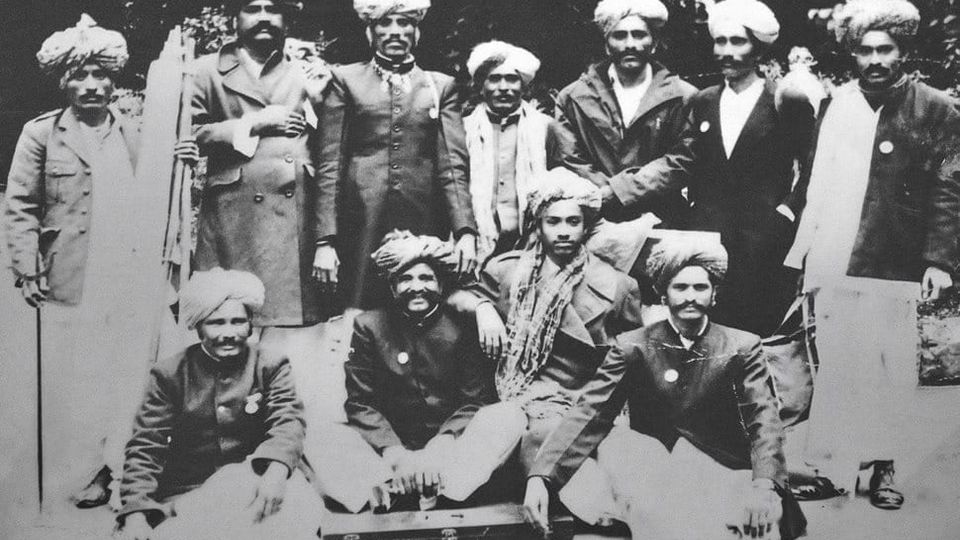 Folk musicKesariya Balam — the songs of the ManganiyarsMaand singing from the Thar, the hum of the kamaicha and the clack of the khartal.5 scenes · with music · ♥ 11
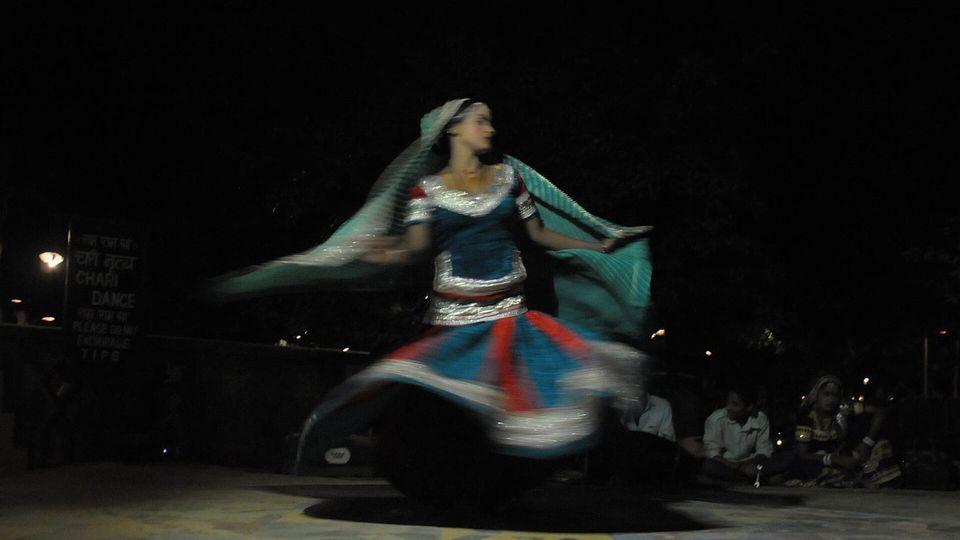 Folk danceGhoomar — the dance of the swirling skirtSwirling ghagras, flowing veils and clapping rhythms at Gangaur, Teej and weddings.3 scenes · with music · ♥ 13
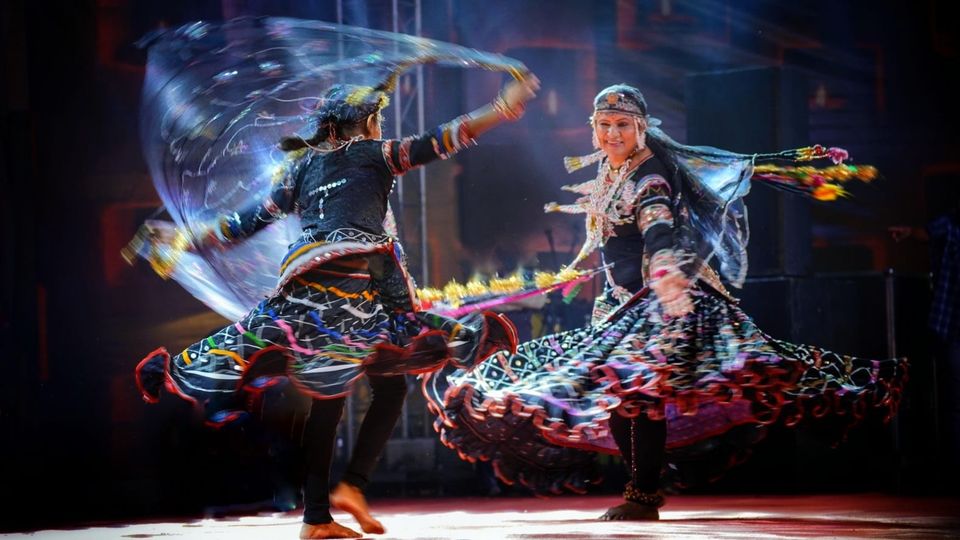 Folk danceKalbeliya — the serpent dance, a UNESCO heritageBodies sway like serpents to the pungi; on UNESCO’s intangible heritage list since 2010.4 scenes · with music · ♥ 1
 PaintingPhad and Ravanahatha — a story that travelsThrough the night, the bhopa and bhopi sing the epic of folk deities before the phad, to the ravanahatha.4 scenes · with music · ♥ 5
Photos: Marcin Białek / Wikimedia Commons (CC BY-SA 4.0) · Jakub Hałun / Wikimedia Commons (CC BY-SA 4.0) · Jakub Hałun / Wikimedia Commons (CC BY-SA 4.0) · Nhideath / Wikimedia Commons (CC0)