Ger — the dance of Holi
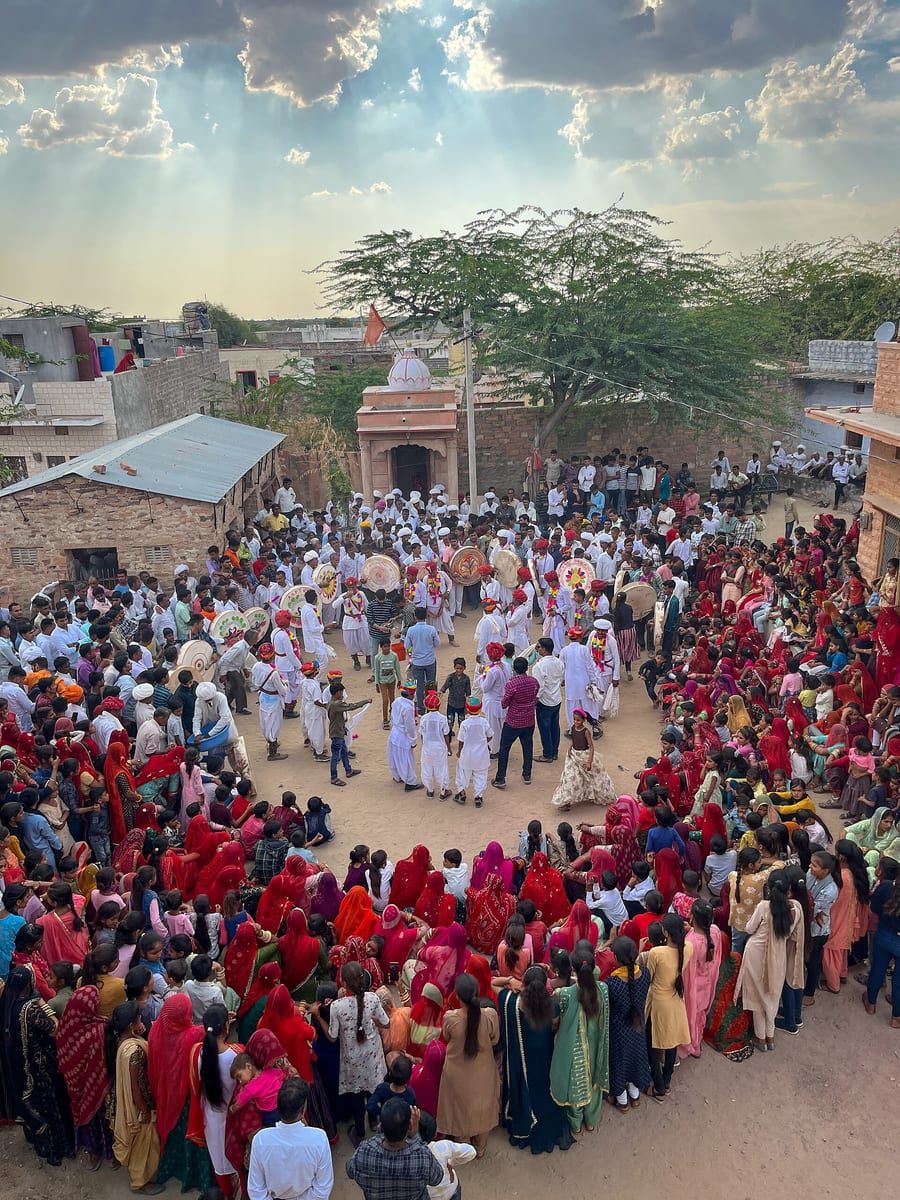
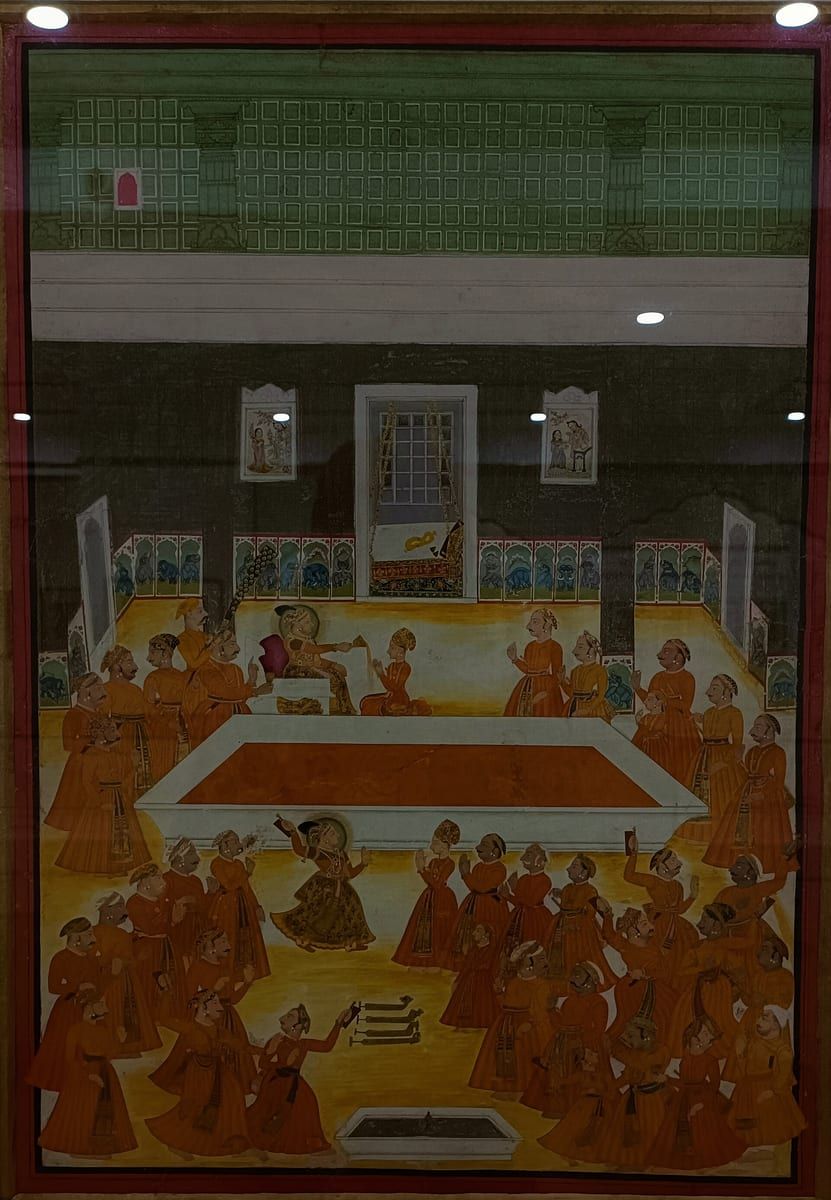
Drumbeats, sticks in hand and a great circle — the men’s Holi dance of Marwar and Mewar.
TIMES of RAJASTHAN · DARSHAN
Ger — the dance of Holi
Drumbeats, sticks in hand and a great circle — the men’s Holi dance of Marwar and Mewar.
In detail
Gair is a popular folk dance from Rajasthan, mainly performed by the Bhil community and celebrated across the state. It is especially renowned in Mewar and Marwar, performed during Holi and Janmastami with colorful costumes, traditional instruments, and captivating steps that attract visitors from around the world.
Overview
Gair dance is a popular folk dance from Rajasthan, India, most commonly performed by the Bhil community, though it is found throughout the state. The dance is also known by several names, including Gair Ghalna, Gair Ghumna, Gair Khelna, and Gair Nachna.
The dance is especially famous in the Mewar and Marwar regions of Rajasthan, where each locality has its own rhythm, style of forming circles, and costume variations. These regional differences give the dance a distinct character in each area.
Gair is typically performed during festive occasions such as the month of Holi and Janmastami. The performance features colourful costumes, traditional instruments, and captivating dance steps that draw audiences from many parts of the world.
Both men and women participate in Gair dance, and its origins trace back to a Bhil dance tradition. The vibrant display of movement and music continues to make it a celebrated folk art form in Rajasthan.
What it is like
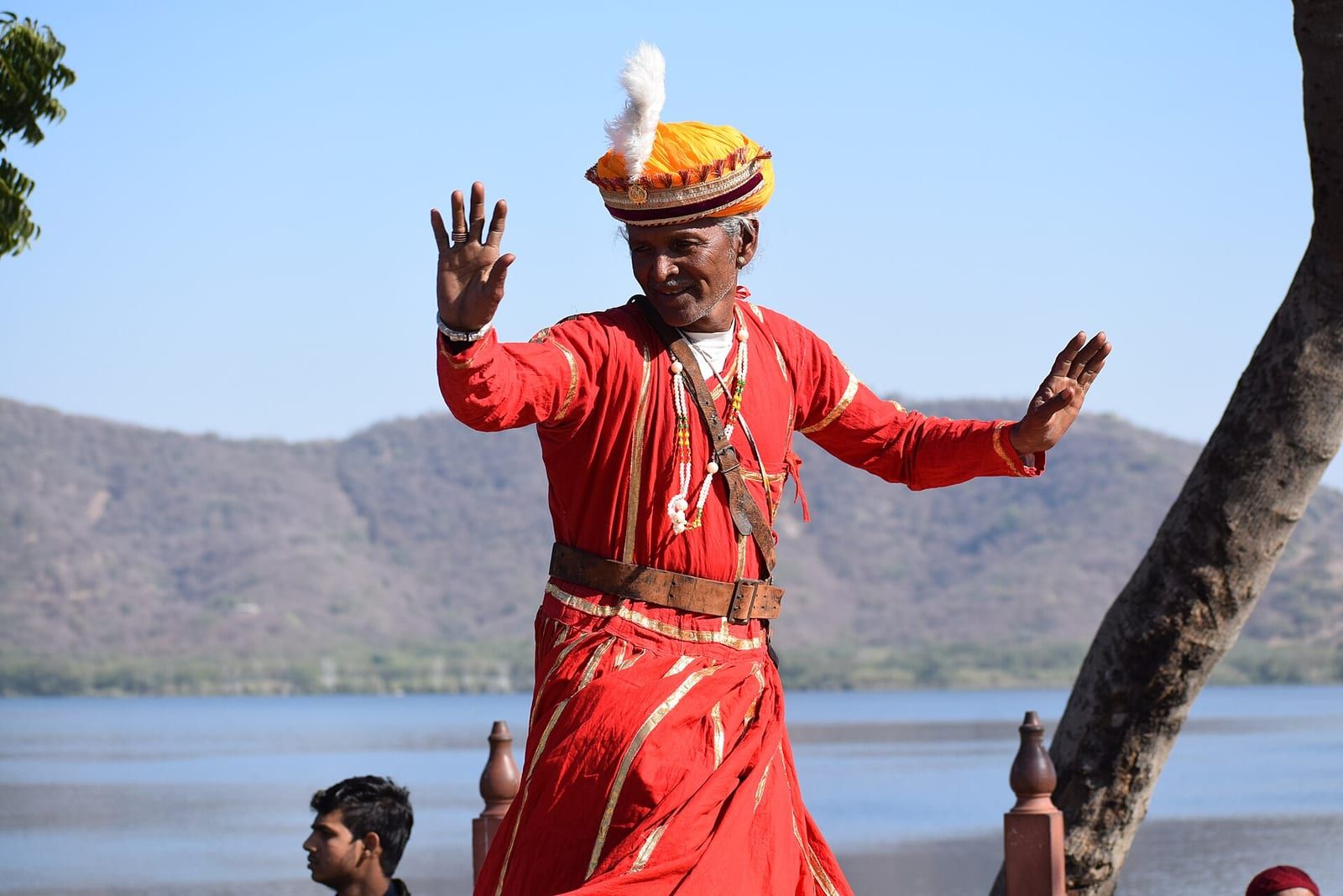
The Gair dance is typically performed in a large circle, with dancers holding wooden sticks called Khanda. Both men and women participate, often wearing traditional costumes. Men usually wear long, pleated tunics that open into full‑length skirts, while women dress in colourful attire. At the start of the performance, the dancers form two concentric circles: a small inner circle of women surrounded by a larger outer circle of men. They then move clockwise and counter‑clockwise, setting the rhythm through the beating of sticks and drums.
As the dance progresses, the participants exchange places, and the men may take over the inner circle. In some variations, only men perform, featuring a simpler version of the dance composed of half‑swirls and intricate pattern steps. The striking of the sticks gives the dance a vigorous character and a consistent tempo, creating the impression of a war front scene. Locals believe the dance has a historical connection to warfare.
In certain regions, the Gair dance is performed with swords and arrows in addition to sticks. Dancers may hold a naked sword in one hand and a Khanda or wooden sword in the other. The sticks are thin, lightweight, and cut from the Gundi tree, requiring minimal cleaning. The colorful costumes and the use of swords and sticks make the performance a major attraction for spectators.
The dance is also found in Africa and Central Asia, indicating a broader cultural spread. Variations in costume and choreography exist across local areas, but the core elements—concentric circles, stick striking, and rhythmic movement—remain consistent throughout the Gair dance tradition.
Based on: the Wikipedia article (CC BY-SA 4.0) — facts from that source; edited and translated by Times of Rajasthan.
Instruments
Chang
The large frame drum of spring — the heartbeat of Holi’s Fag songs.
Dhol
The dhol sets the rhythm of the ger circle.
More visual stories
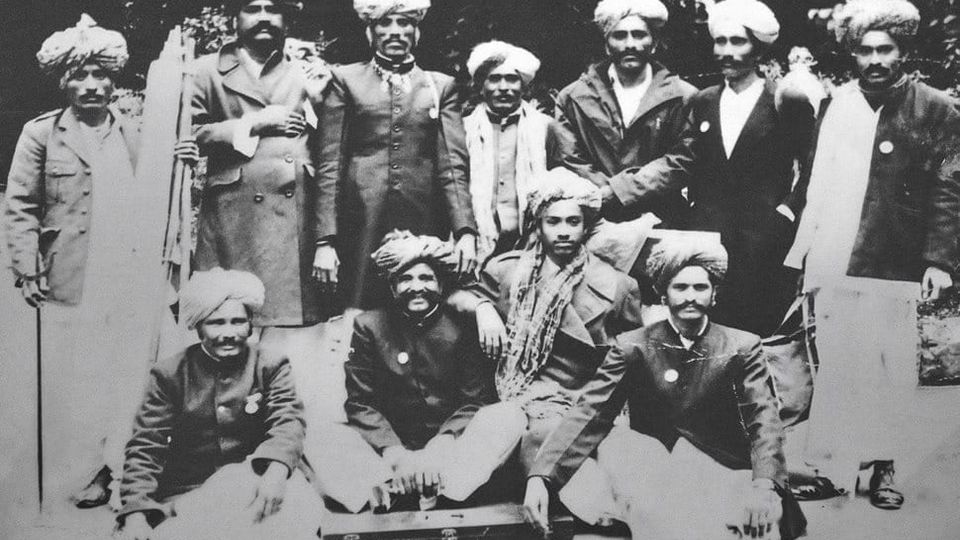 Folk musicKesariya Balam — the songs of the ManganiyarsMaand singing from the Thar, the hum of the kamaicha and the clack of the khartal.5 scenes · with music · ♥ 11
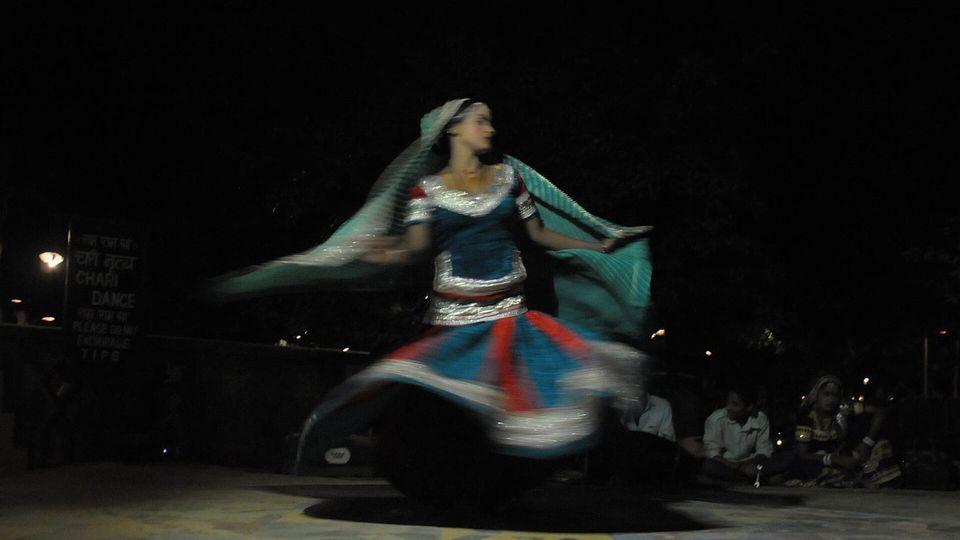 Folk danceGhoomar — the dance of the swirling skirtSwirling ghagras, flowing veils and clapping rhythms at Gangaur, Teej and weddings.3 scenes · with music · ♥ 13
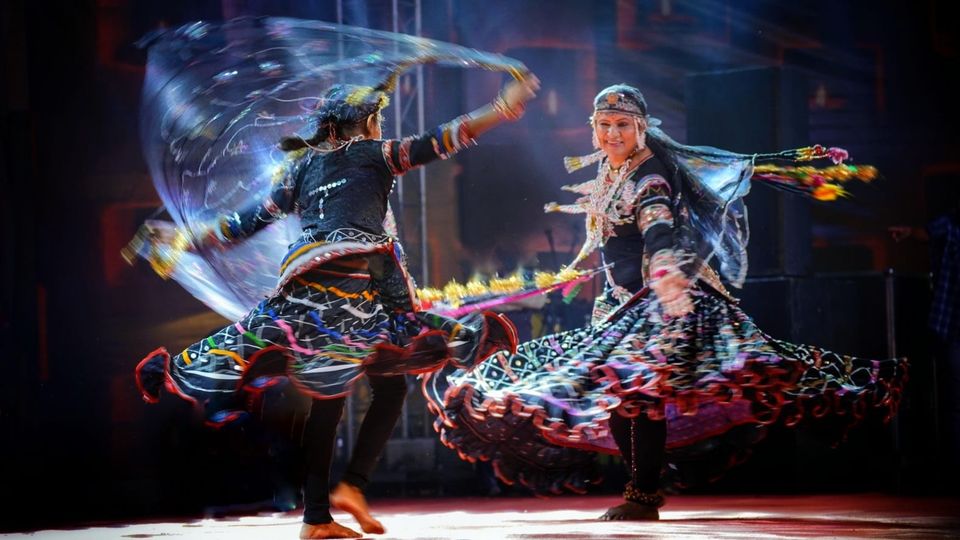 Folk danceKalbeliya — the serpent dance, a UNESCO heritageBodies sway like serpents to the pungi; on UNESCO’s intangible heritage list since 2010.4 scenes · with music · ♥ 1
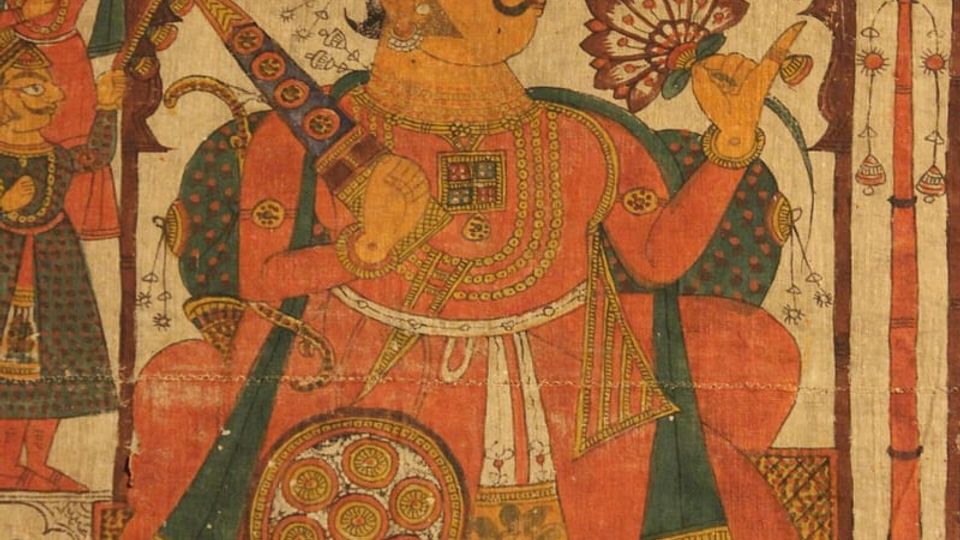 PaintingPhad and Ravanahatha — a story that travelsThrough the night, the bhopa and bhopi sing the epic of folk deities before the phad, to the ravanahatha.4 scenes · with music · ♥ 5
Photos: Manojmeena / Wikimedia Commons (CC BY-SA 4.0) · Sharvanpateljodhpur / Wikimedia Commons (CC BY-SA 4.0) · Ingo Mehling / Wikimedia Commons (CC BY-SA 3.0) · Aadrit28 / Wikimedia Commons (CC BY-SA 4.0)