Ghewar
A visual journey through the sweet delight of Ghewar and the vibrant culture of Rajasthan
TIMES of RAJASTHAN · DARSHAN
Ghewar
A visual journey through the sweet delight of Ghewar and the vibrant culture of Rajasthan
In detail
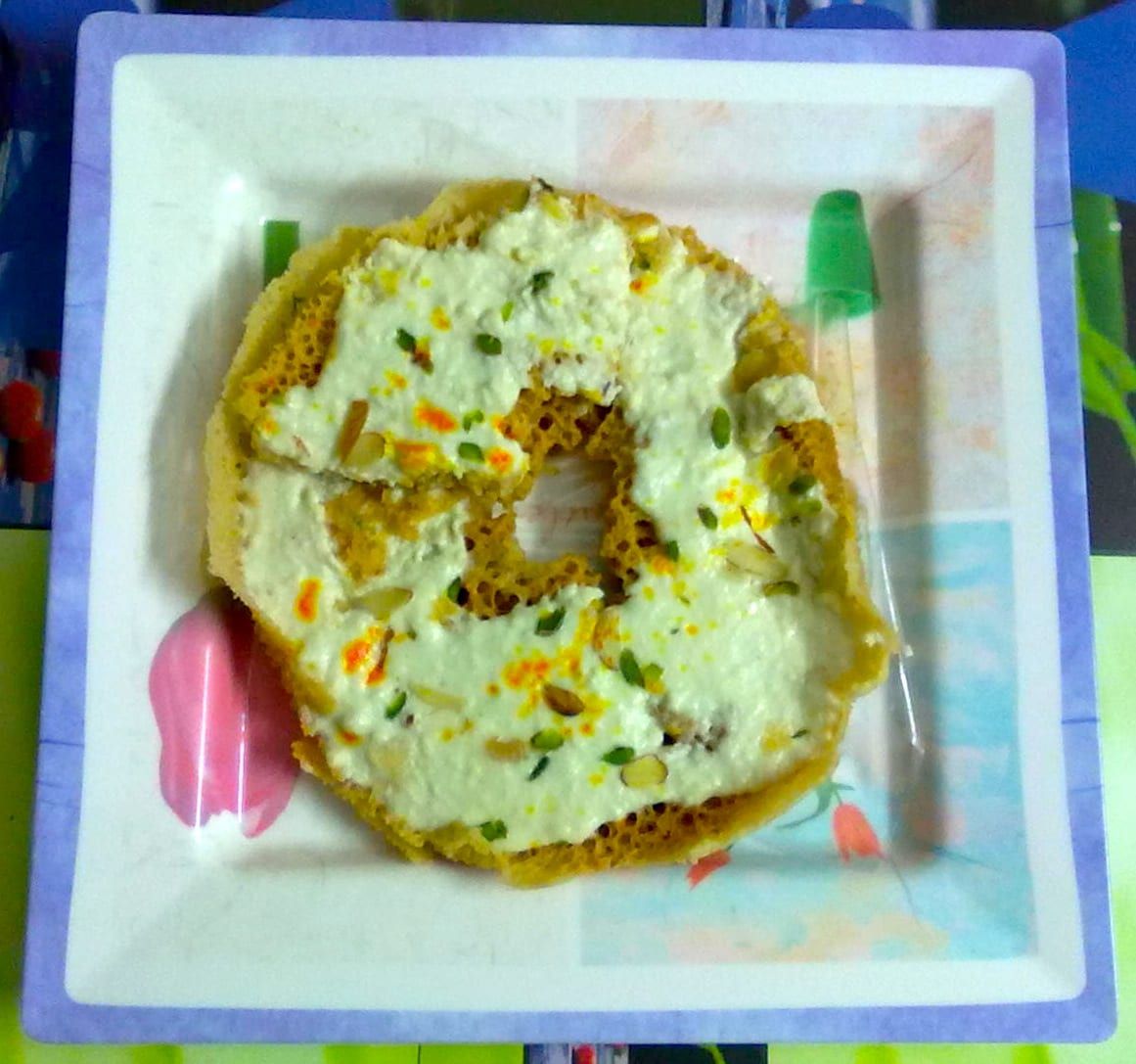
Ghevar is a disc-shaped Rajasthani sweet with a honeycomb-like texture, made from ghee, maida, and sugar syrup, traditionally linked to Shraavana, Teej and Raksha Bandhan. It is also offered as one of the Chhapan Bhog to Lord Krishna and is popular in several neighboring states.
Overview
Ghevar, also spelled ghewar, is a disc‑shaped sweet originating from Rajasthan, India. It is characterised by a honeycomb‑like texture and is prepared using ghee, maida (refined wheat flour), and a sugar syrup that soaks the finished confection.
The sweet holds a traditional association with the Hindu month of Shraavana and is especially linked to the festivals of Teej and Raksha Bandhan. In Rajasthani customs it is customary to gift ghevar to a newly married daughter on Sinjara, the day before the festivals of Gangaur and Teej, underscoring its role in celebratory rituals.
Beyond its festive significance, ghevar is also counted among the Chhapan Bhog, the sixty‑six dishes traditionally offered to the deity Lord Krishna. While its roots are firmly in Rajasthan, the confection enjoys popularity in neighbouring regions, including Haryana, Delhi, Gujarat, Uttar Pradesh and Madhya Pradesh.
The sweet has attracted contemporary culinary attention as well; master chef Sanjeev Kapoor is noted as an appreciator of ghevar, and it featured on MasterChef Australia when contestant Depinder Chhibber presented it during the audition round of Season 13.
History and origins
The name "ghevar" is linked to the Sanskrit term "ghṛtapūra," which combines "ghṛta," meaning ghee, and "pūra," meaning filled or cake. This etymology highlights the sweet’s reliance on ghee and its cake‑like texture. The connection to the ancient language underscores the dish’s deep cultural roots.
According to tradition, the 16th‑century saint poet Mira Bai offered ghevar to Krishna in one of her poems, indicating that the confection was already known and revered in devotional contexts during that period.
Ghevar originated in the royal courts of Rajasthan, where chefs prepared it for the Maharajas. Over time, the delicacy spread beyond the palace walls, eventually becoming a popular sweet among the broader population of Rajasthan and across India.
Based on: the Wikipedia article (CC BY-SA 4.0) — facts from that source; edited and translated by Times of Rajasthan.
More visual stories
 Folk musicKesariya Balam — the songs of the ManganiyarsMaand singing from the Thar, the hum of the kamaicha and the clack of the khartal.5 scenes · with music · ♥ 11
 Folk danceGhoomar — the dance of the swirling skirtSwirling ghagras, flowing veils and clapping rhythms at Gangaur, Teej and weddings.3 scenes · with music · ♥ 13
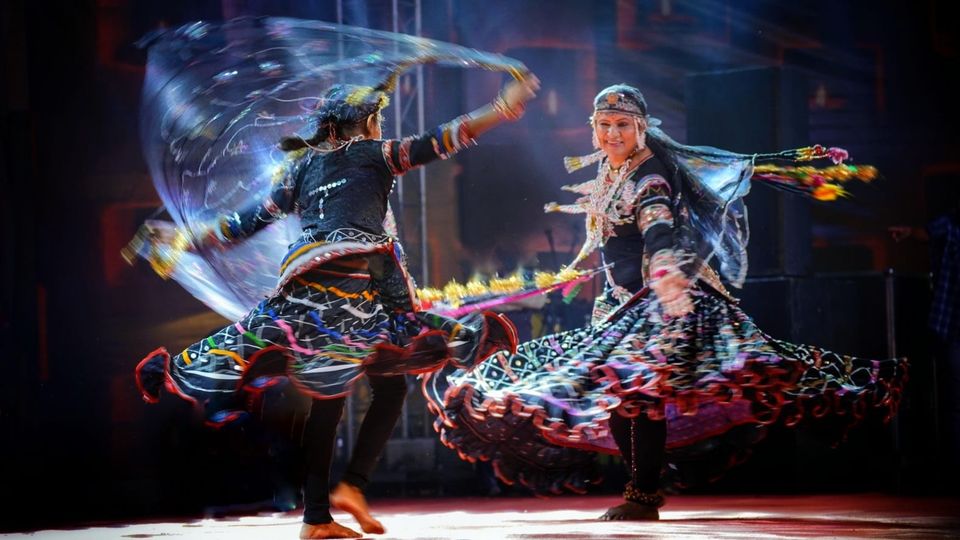 Folk danceKalbeliya — the serpent dance, a UNESCO heritageBodies sway like serpents to the pungi; on UNESCO’s intangible heritage list since 2010.4 scenes · with music · ♥ 1
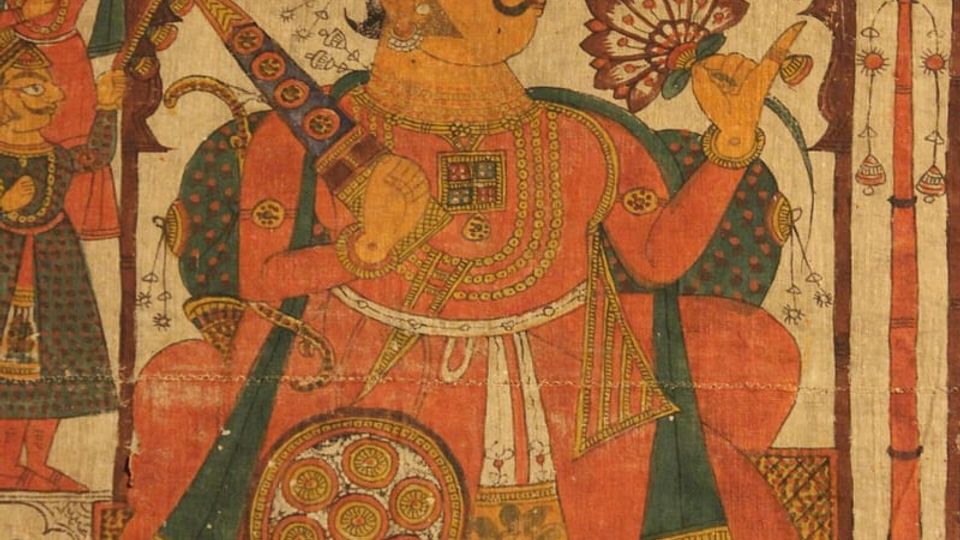 PaintingPhad and Ravanahatha — a story that travelsThrough the night, the bhopa and bhopi sing the epic of folk deities before the phad, to the ravanahatha.4 scenes · with music · ♥ 5