Gangaur
The vibrant Gangaur celebration showcases Rajasthan's cultural heritage.
TIMES of RAJASTHAN · DARSHAN
Gangaur
The vibrant Gangaur celebration showcases Rajasthan's cultural heritage.
In detail
Gangaur is a colourful Hindu festival celebrated mainly in Rajasthan and parts of northern India during the month of Chaitra, where women worship goddess Gauri for marital blessings and prosperity. Unmarried women pray for a good husband, while married women seek the health and longevity of their spouses.
Overview
Gangaur is a Hindu festival celebrated across several Indian states, most prominently in Rajasthan and the Fazilka district of Punjab. The observance takes place during the Hindu month of Chaitra, which falls in March–April, and centers on the worship of the goddess Gauri, also known as Parvati, the consort of Shiva. The festival is marked by vibrant celebrations that reflect the cultural richness of the regions where it is observed.
In Rajasthan, Gangaur is regarded as one of the most important celebrations for the local community, especially among women. The festivities involve elaborate rituals and communal gatherings, with participants expressing devotion to Gauri through prayers and offerings. The festival also spreads to neighboring areas, including Haryana, parts of Madhya Pradesh, Uttar Pradesh, Gujarat, and West Bengal, each observing the tradition with regional variations.
The significance of Gangaur extends beyond religious devotion; it embodies themes of spring, harvest, marital fidelity, and childbearing. Unmarried women partake in the rituals hoping to receive blessings for a suitable husband, while married women pray for the health, welfare, and longevity of their spouses. These practices underscore the festival’s role in reinforcing social bonds and cultural values within the communities that celebrate it.
What it is like
The Gangaur festival begins on the first day of Chaitra, the day after Holi, and extends for sixteen days, culminating on the third day of the shukla paksha of Chaitra. During this period, fairs known as Gangaur melas are held across the region. For newly‑wed girls, observing the full eighteen‑day sequence that follows their marriage is considered essential, while unmarried girls fast for the entire sixteen days, taking only a single meal each day.
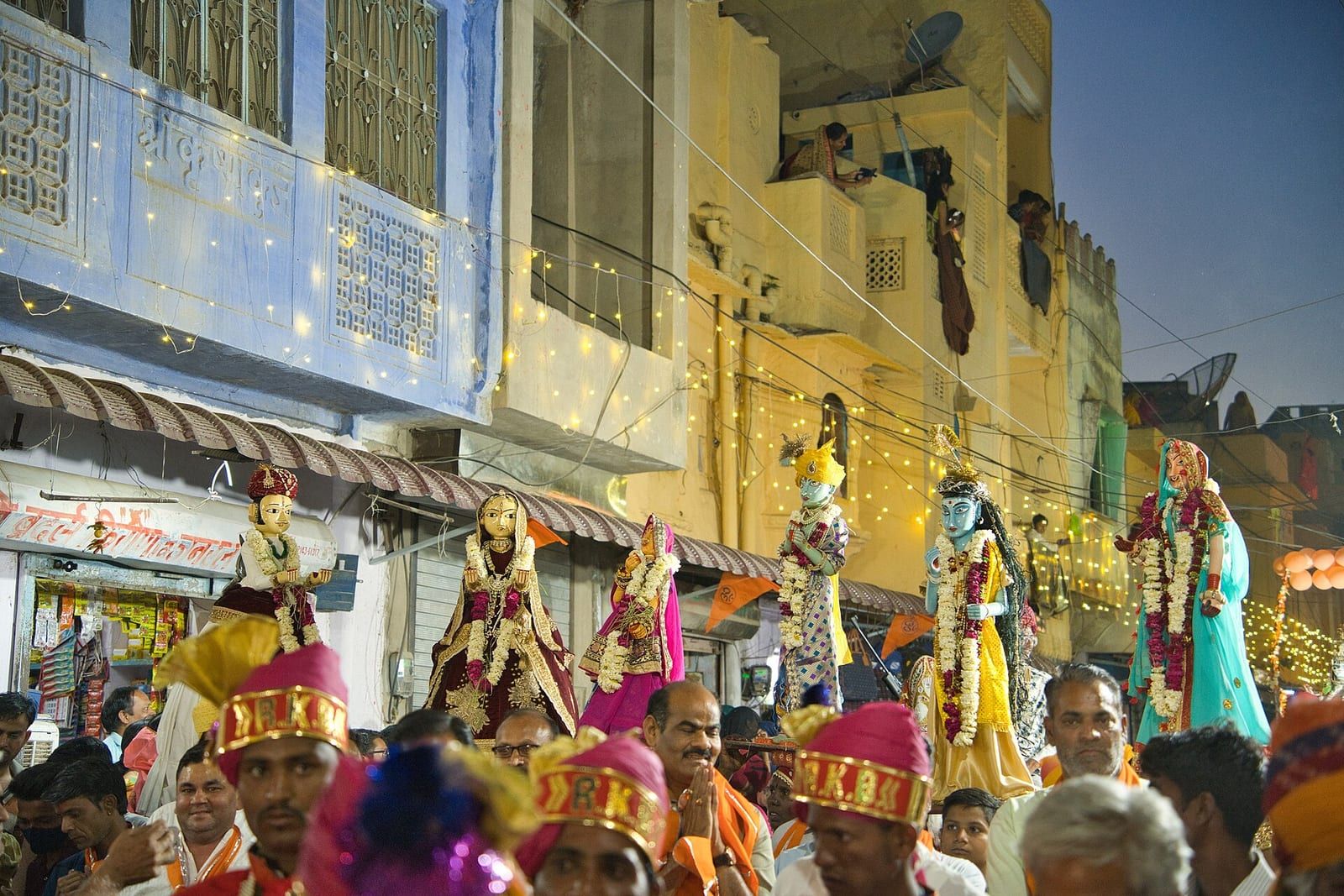
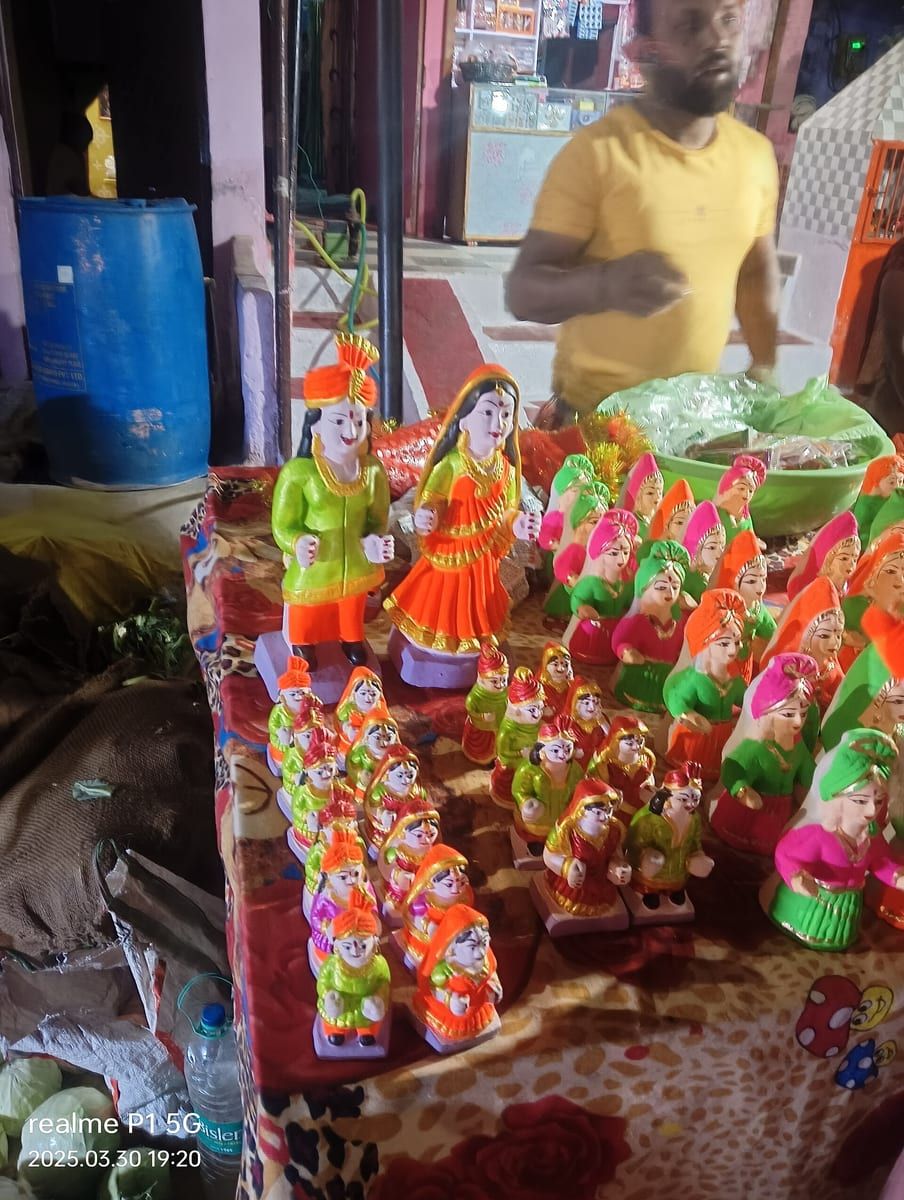
Clay idols of Shiva and Parvati are prepared for the celebrations; in some households permanent wooden images are repainted each year by specialised painters called matherans. Unlike the Teej idols, the Gangaur figures do not carry a canopy. Women adorn their hands and feet with mehndi designs ranging from celestial motifs to simple flowers and geometric patterns.
On the evening of the seventh day after Holi, unmarried girls carry earthen pots called ghudlias, pierced with many holes and lit from within, on their heads while singing traditional songs. They collect small gifts of cash, sweets, jaggery, ghee and oil, continuing this practice for ten days until the festival’s conclusion, when the pots are broken and their debris cast into a well or tank, followed by a communal feast.
The climax arrives during the final three days when the images of Gauri and Isar (Shiva) are dressed in new garments. Unmarried girls and married women together decorate the idols, treating them as living beings. In the afternoon, a procession transports the images, placed on the heads of married women, to a garden, bawdi, johad or well, accompanied by songs about Gauri’s departure to her husband’s house. After offering water for two days, the procession returns, and on the last day the idols are immersed in the waters of a tank or well, marking the festival’s end.
Based on: the Wikipedia article (CC BY-SA 4.0) — facts from that source; edited and translated by Times of Rajasthan.
More visual stories
 Folk musicKesariya Balam — the songs of the ManganiyarsMaand singing from the Thar, the hum of the kamaicha and the clack of the khartal.5 scenes · with music · ♥ 11
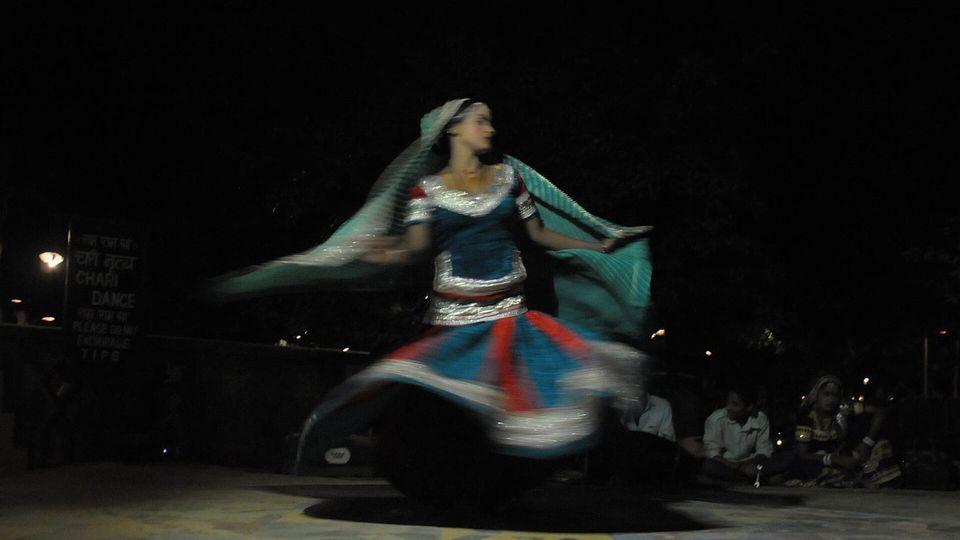 Folk danceGhoomar — the dance of the swirling skirtSwirling ghagras, flowing veils and clapping rhythms at Gangaur, Teej and weddings.3 scenes · with music · ♥ 13
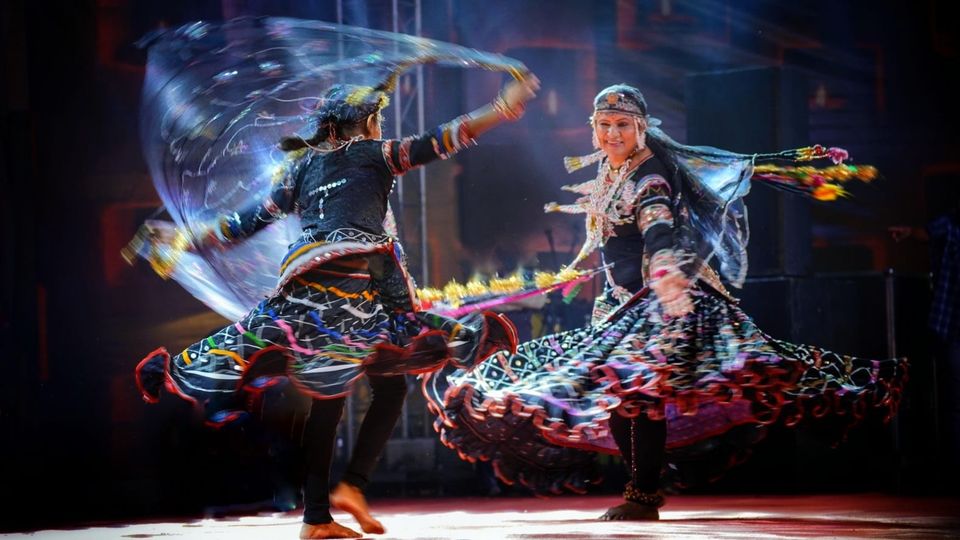 Folk danceKalbeliya — the serpent dance, a UNESCO heritageBodies sway like serpents to the pungi; on UNESCO’s intangible heritage list since 2010.4 scenes · with music · ♥ 1
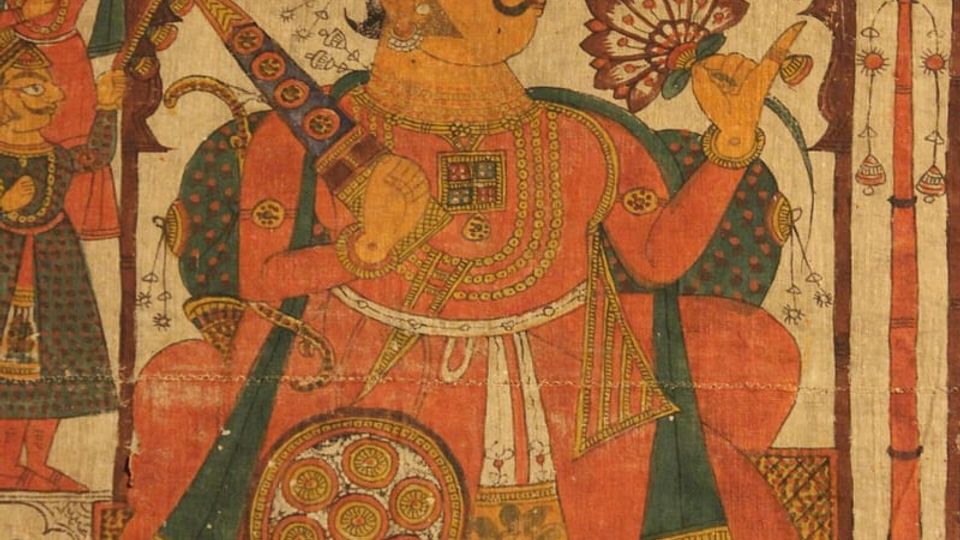 PaintingPhad and Ravanahatha — a story that travelsThrough the night, the bhopa and bhopi sing the epic of folk deities before the phad, to the ravanahatha.4 scenes · with music · ♥ 5
Photos: Nikhil Vyas / Wikimedia Commons (CC BY-SA 4.0) · Kaushlendrapathe / Wikimedia Commons (CC BY-SA 4.0)