Eklingji
Here is a brief introduction to the visual story of Eklingji and Kailashpuri.
TIMES of RAJASTHAN · DARSHAN
Eklingji
Here is a brief introduction to the visual story of Eklingji and Kailashpuri.
In detail
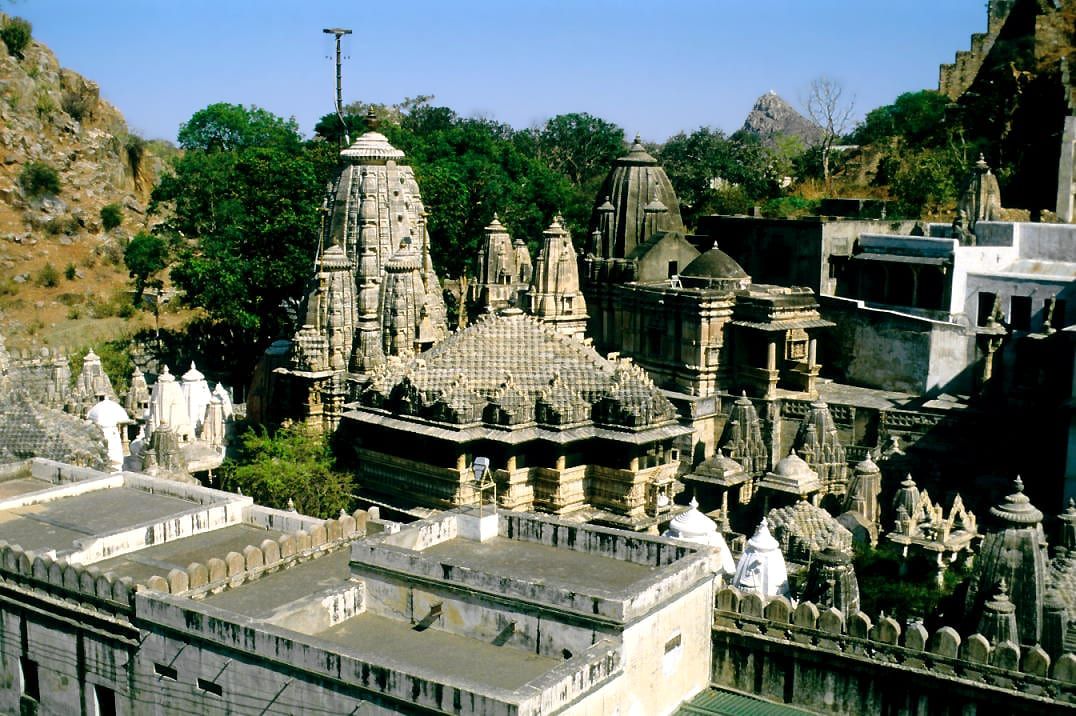
Eklingji is a Hindu temple complex located in Kailashpuri village, Girwa Tehsil, Udaipur District, Rajasthan, near the former capital of Mewar, Nagda. It is considered the ruling deity of the Mewar princely state, with the Maharana serving as its Dewan.
Overview
Eklingji is a Hindu temple complex located in the Udaipur District of Rajasthan, western India. The complex sits in the village of Kailashpuri, which falls under Girwa Tehsil in Udaipur.
The temple is situated near Nagda, the former capital of the Mewar region. This proximity underscores its historical significance to the local area.
According to local tradition, Eklingji is regarded as the ruling deity, or Kula devata, of the Mewar Princely State. The Maharana of the royal dynasty is said to act as the Dewan, or minister, for this deity.
These beliefs highlight the temple’s role not only as a place of worship but also as a symbol of the region’s cultural and political heritage.
History and origins
According to the 15th‑century text *Ekalinga Mahatmya*, the original temple at Eklingji was constructed by the 8th‑century ruler Bappa Rawal. The original temple and its Vigraha (idol) were destroyed during invasions by the Delhi Sultanate rulers.
The earliest extant idol was installed by Hamir Singh in the 14th century, who also carried out extensive renovations to the main temple. In the 15th century, Rana Kumbha rebuilt the temple and added a Vishnu temple. His 1460 inscription describes him as "the personal servant of Ekling".
In the late 15th century, Ghiyath Shah of the Malwa Sultanate attacked Mewar and devastated Eklingji’s temple. Kumbha’s son, Rana Raimal (r. 1473–1509), defeated and captured him, obtaining a ransom for his release. With this ransom, Raimal patronised the last major rebuilding of the temple complex and installed the present murti at the main temple.
Originally, the temple likely belonged to the Pashupata sect and was subsequently in the custody of the Nath sect. In the 16th century, it came under the control of the Ramanandis.
Based on: the Wikipedia article (CC BY-SA 4.0) — facts from that source; edited and translated by Times of Rajasthan.
More visual stories
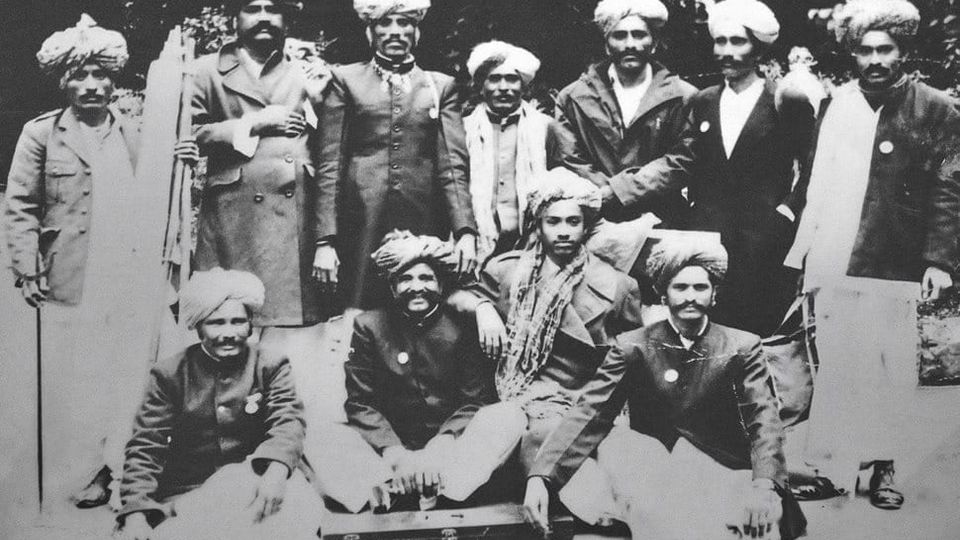 Folk musicKesariya Balam — the songs of the ManganiyarsMaand singing from the Thar, the hum of the kamaicha and the clack of the khartal.5 scenes · with music · ♥ 11
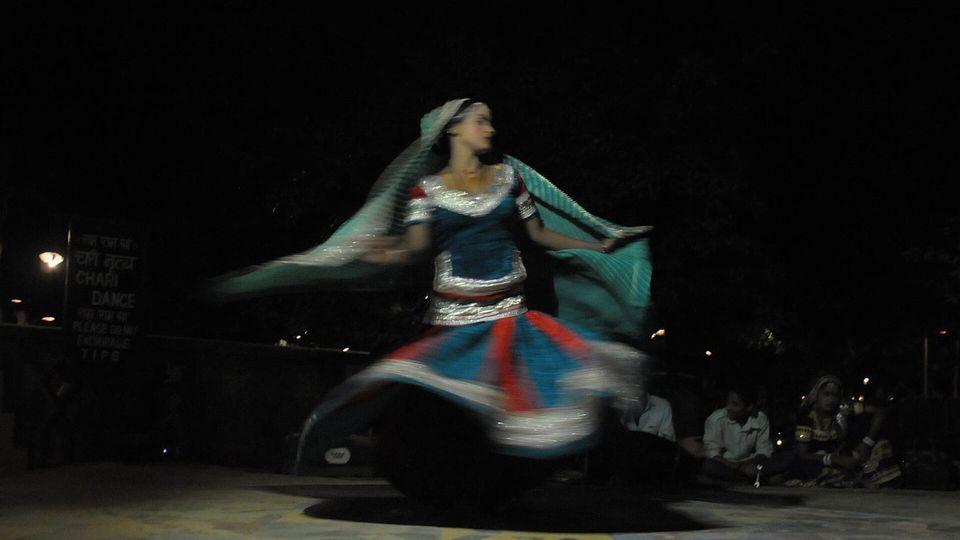 Folk danceGhoomar — the dance of the swirling skirtSwirling ghagras, flowing veils and clapping rhythms at Gangaur, Teej and weddings.3 scenes · with music · ♥ 13
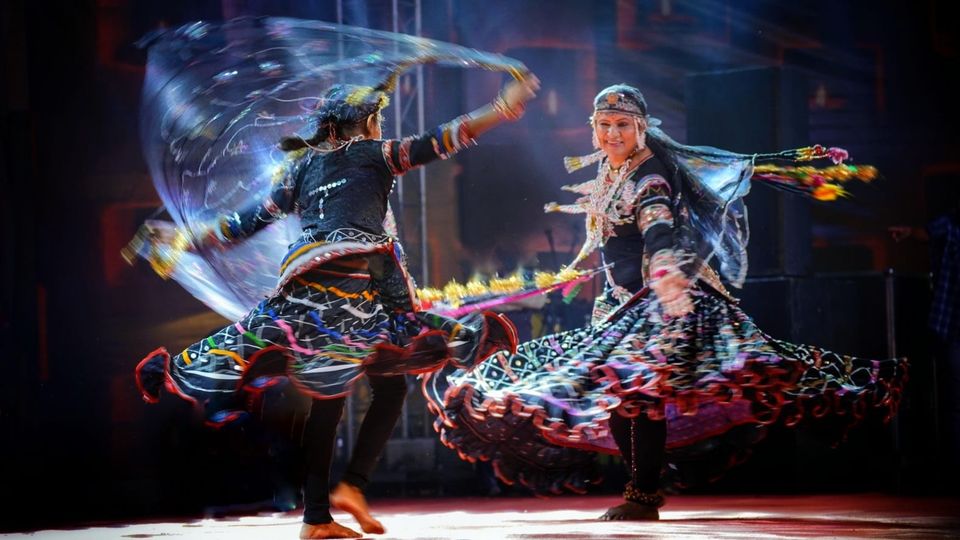 Folk danceKalbeliya — the serpent dance, a UNESCO heritageBodies sway like serpents to the pungi; on UNESCO’s intangible heritage list since 2010.4 scenes · with music · ♥ 1
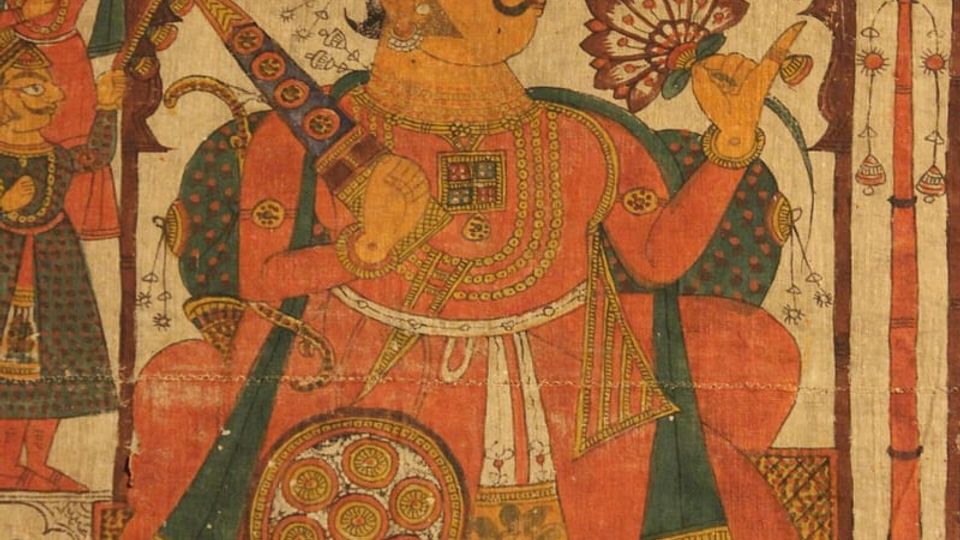 PaintingPhad and Ravanahatha — a story that travelsThrough the night, the bhopa and bhopi sing the epic of folk deities before the phad, to the ravanahatha.4 scenes · with music · ♥ 5