Tonk Darshan — Nawabi city, Bisalpur Dam
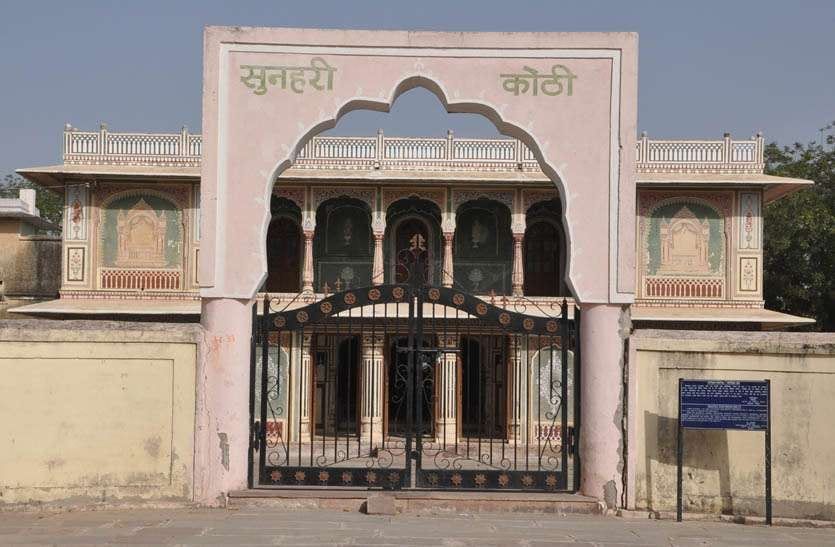
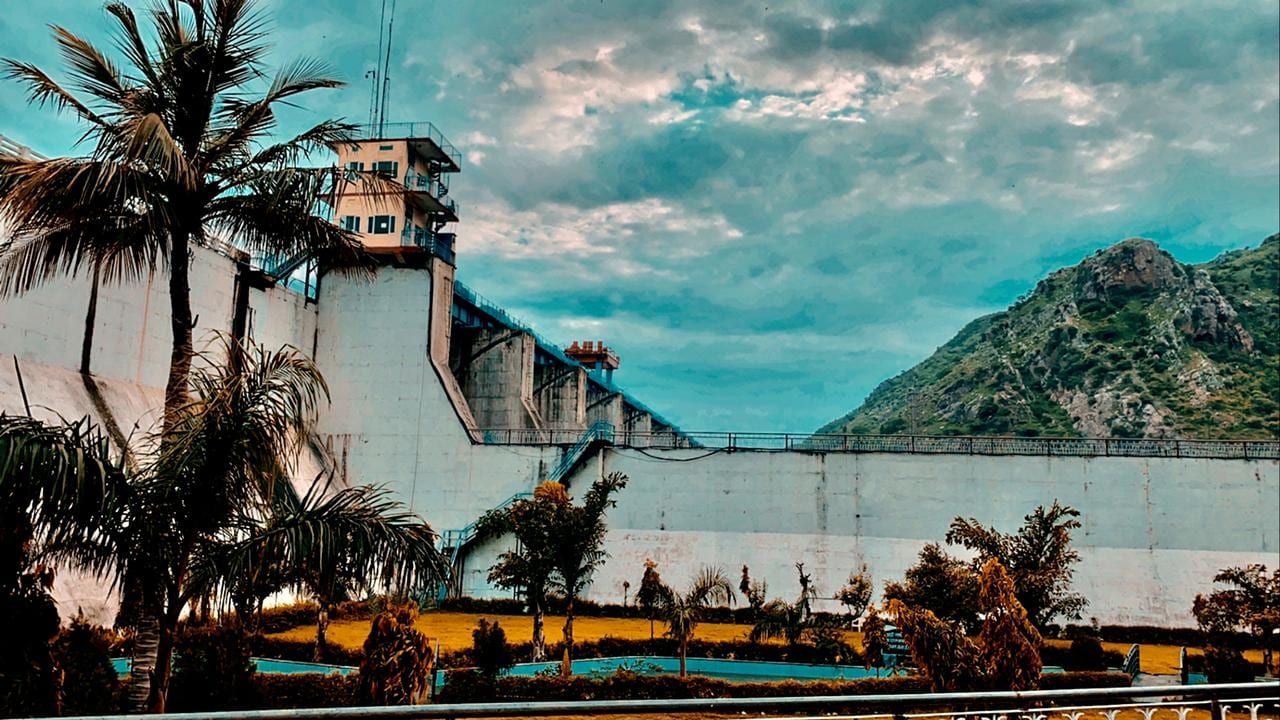
Tonk district in Rajasthan is a cultural hub where history, nature, and local crafts intertwine.
TIMES of RAJASTHAN · DARSHAN
Tonk Darshan — Nawabi city, Bisalpur Dam
Tonk district in Rajasthan is a cultural hub where history, nature, and local crafts intertwine.
In detail
Tonk district is a district in Rajasthan, India, with Tonk city as its administrative headquarters. It covers an area of 7,194 km² and had a population of 1,421,326 in 2011.
Overview
Tonk district is a district in the western Indian state of Rajasthan. Its administrative headquarters is the city of Tonk, which serves as the central hub for governance and district-level administration.
Geographically, Tonk district is surrounded by several other districts of Rajasthan. To the north it shares a boundary with Jaipur district, while Sawai Madhopur district lies to its east. The southeastern border touches Kota district, and Bundi district is situated directly to the south. On the southwestern side, the district meets Bhilwara district, and Ajmer district lies to its west.
These bordering districts situate Tonk within a network of regional connections, linking it to both the historic capital region of Jaipur and the culturally significant areas of Sawai Madhopur and Ajmer, among others. The district’s location thus places it at a crossroads of various administrative and cultural zones within Rajasthan.
Geography and climate
Tonk district lies in the northeastern part of Rajasthan, positioned between 75.19° and 76.16° east longitude and 25.41° and 26.24° north latitude. The district covers a total area of 7,194 km², as recorded in the 2002‑03 survey, and is situated on National Highway 52, about 100 km from the state capital, Jaipur.
The Banas River traverses the district, providing a notable watercourse within its boundaries. Although Tonk is one of the four district headquarters in Rajasthan without a direct railway connection, the nearest railway station, Newai, lies within the district itself, approximately 30 km from the district headquarters.
An unusual geological feature of the district is the Tonk meteorite, a rare carbonaceous chondrite that fell in 1911, adding scientific interest to the region.
People and languages
The 2011 Census recorded Tonk district’s population at 1,421,326, with a sex ratio of 949 females per 1,000 males and a literacy rate of 62.46 percent. About 22.35 percent of residents lived in urban areas, while Scheduled Castes and Scheduled Tribes comprised 20.26 percent and 12.54 percent of the total population respectively.
Language use in the district is diverse. According to the same census, 36.65 percent of people reported Dhundhari as their mother tongue, closely followed by 29.11 percent who spoke Rajasthani and 29.02 percent who identified Hindi as their first language. Urdu was spoken by 4.12 percent of the population.
These figures illustrate a multilingual community where a majority of inhabitants communicate in regional languages, with a notable proportion also using the national language Hindi and a smaller Urdu‑speaking minority.
Administration
Tonk district is organized into nine tehsils: Deoli, Malpura, Newai, Todaraisingh, Tonk, Peeplu, Uniara, Dooni and Nagarfort. These tehsils are further grouped under seven sub‑divisions, namely Deoli, Malpura, Newai, Todaraisingh, Tonk, Peeplu and Aligarh (Uniara). The addition of Dooni as a tehsil is noted in the latest administrative updates.
Within the district, urban local bodies are classified differently. Tonk itself functions as a Nagar‑Parishad, while Deoli, Malpura, Newai, Todaraisingh and Uniara are designated as Nagar‑Palikas, reflecting their municipal status.
According to the 2001 census, the district comprised 1,093 villages, providing a sense of its rural composition alongside the urban centers governed by the various Nagar‑Parishads and Nagar‑Palikas.
Based on: the Wikipedia article (CC BY-SA 4.0) — facts from that source; edited and translated by Times of Rajasthan.
More visual stories
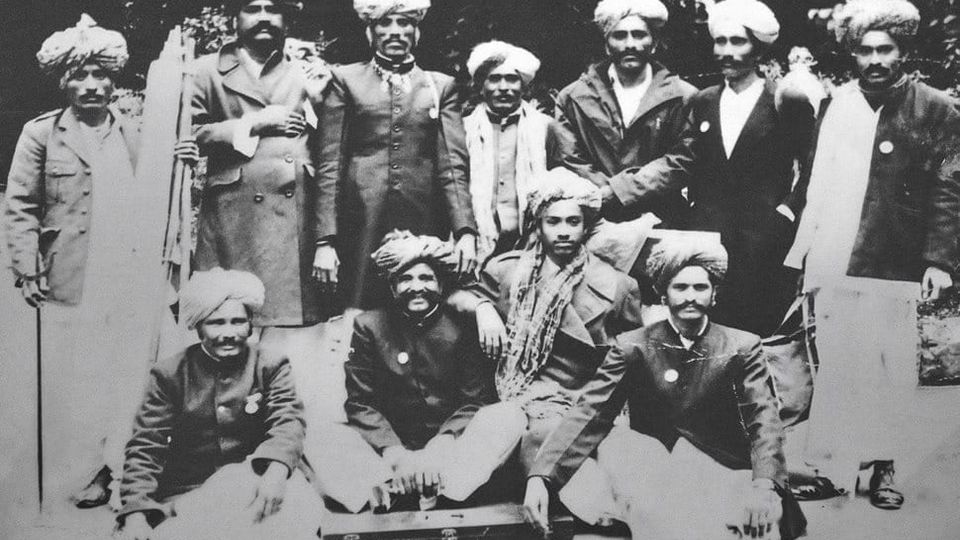 Folk musicKesariya Balam — the songs of the ManganiyarsMaand singing from the Thar, the hum of the kamaicha and the clack of the khartal.5 scenes · with music · ♥ 11
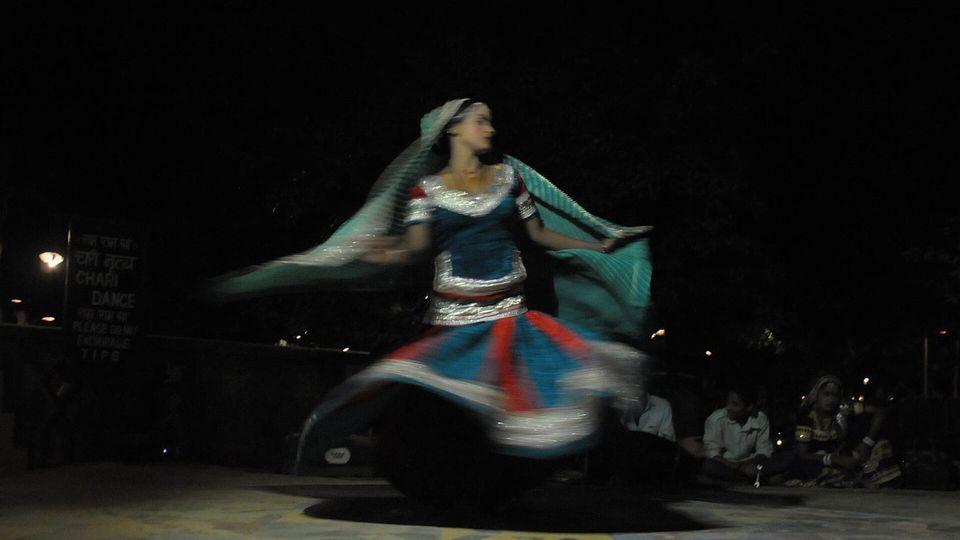 Folk danceGhoomar — the dance of the swirling skirtSwirling ghagras, flowing veils and clapping rhythms at Gangaur, Teej and weddings.3 scenes · with music · ♥ 13
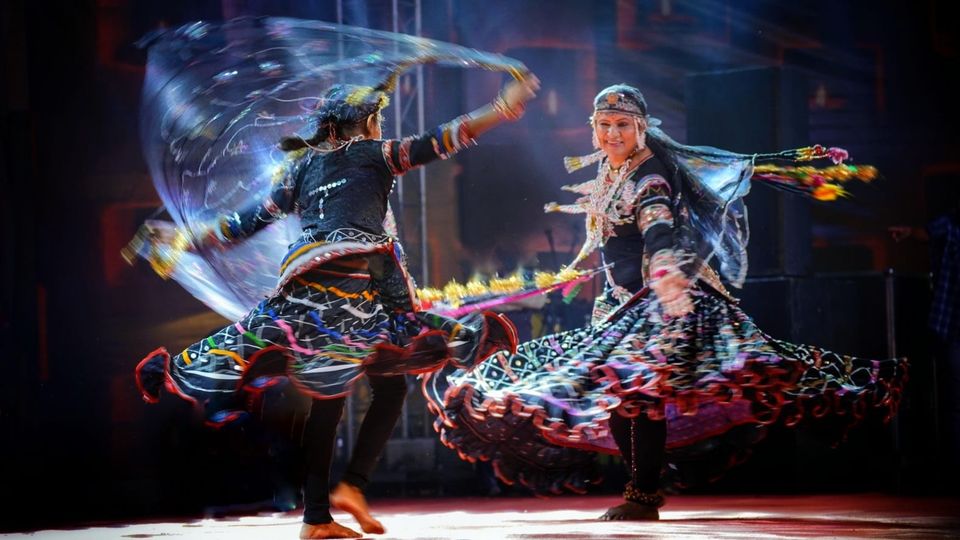 Folk danceKalbeliya — the serpent dance, a UNESCO heritageBodies sway like serpents to the pungi; on UNESCO’s intangible heritage list since 2010.4 scenes · with music · ♥ 1
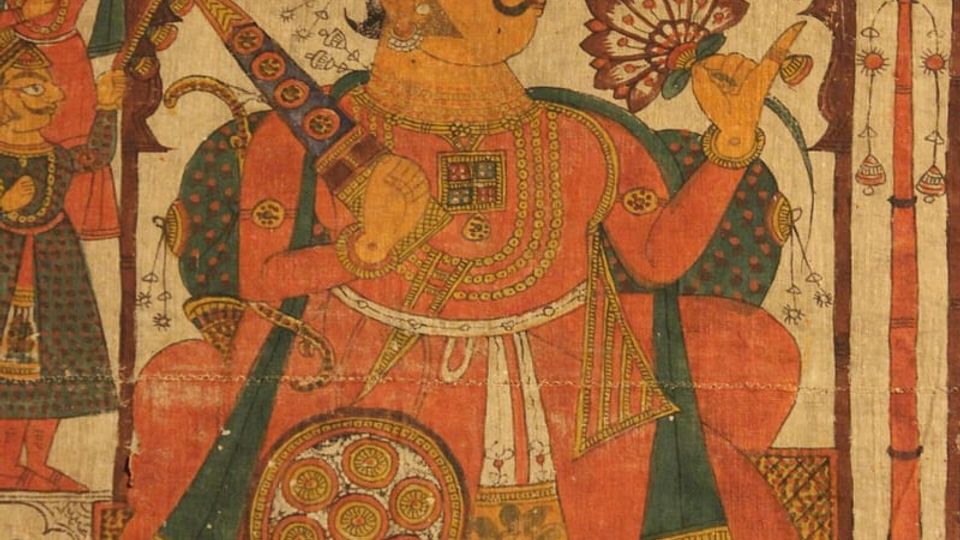 PaintingPhad and Ravanahatha — a story that travelsThrough the night, the bhopa and bhopi sing the epic of folk deities before the phad, to the ravanahatha.4 scenes · with music · ♥ 5
Photos: Mrvillainxx / Wikimedia Commons (CC BY-SA 4.0) · True Rajasthan / Wikimedia Commons (CC BY-SA 4.0)