Sikar Darshan — Khatu Shyam Ji, Shekhawati havelis
Sikar district in Rajasthan blends rich tradition with growing modernity, offering a vivid cultural tapestry.
TIMES of RAJASTHAN · DARSHAN
Sikar Darshan — Khatu Shyam Ji, Shekhawati havelis
Sikar district in Rajasthan blends rich tradition with growing modernity, offering a vivid cultural tapestry.
In detail
Sikar district is a district in the Indian state of Rajasthan, forming part of the Shekhawati region. It covers an area of 5,191.44 km² and had a population of 1,694,094 in the 2011 census.
Overview
Sikar district is a district of the Indian state of Rajasthan in northern India and forms part of the culturally distinct Shekhawati region. The district’s administrative centre is the city of Sikar, which also serves as the headquarters for the district’s municipal council. Historically, the foundation stone of Thikana Sikar was laid by Rao Daulat Singh in 1687, marking the area’s long‑standing significance within the region.
The city of Sikar is the largest urban centre in Shekhawati, which includes the districts of Sikar, Churu and Jhunjhunu. It has emerged as a major educational hub, often described as Rajasthan’s “Mini Kota”, due to the presence of numerous coaching institutes that prepare students for competitive examinations, as well as engineering and medical entrance tests. In addition to its educational role, Sikar functions as a key agricultural trade centre, benefitting from the extensive plains that lie west of the Aravalli range, and it is an important rail and road junction linking the district to other parts of the state.
Geographically, Sikar lies 115 km from Jaipur, 320 km from Jodhpur, 215 km from Bikaner and 280 km from New Delhi, positioning it within reachable distance of several major cities. The district is noted for several cultural and religious sites, including the Khatu Shyam Temple in the town of Khatoo, located 16 km from Reengus and 45 km from Sikar city. Another notable attraction is Harsh Parvat in the Aravalli Range, known for the historic Harsh Temple and as a destination for visitors seeking the monsoon‑season greenery of the mountains.
History
Sikar district was historically the largest Thikana, or estate, within the Jaipur state, and the region was once referred to as Shekhawati Pradesh. As the capital of the Thikana of Sikar, the town held a prominent administrative role in the area.
The town of Sikar was fortified with a wall that incorporated seven distinct gates, known locally as "Pols." These historic entrances—Bawari Gate, Fatehpuri Gate, Nani Gate, Surajpole Gate, the older Dujod Gate, the newer Dujod Gate, and Chandpole Gate—marked the boundaries of the old city and remain notable features of its heritage.
These fortified structures and the legacy of being the chief estate of the Jaipur state underscore Sikar's historical significance within the broader Shekhawati region of Rajasthan.
Geography and climate
Sikar district lies in the north‑eastern part of Rajasthan, bounded by Jhunjhunu district to the north, Churu district to the north‑west, Didwana Kuchaman district to the south‑west and Jaipur Rural district to the south‑east. The district covers an area of 5,191.44 km² and forms part of the Shekhawati region together with Churu and Jhunjhunu districts.
The district’s climate is classified as hot semi‑arid (Köppen BSh). Summers are hot and humid, while winters are chilly. Rainfall is confined to the southwest monsoon, delivering a normal annual total of about 469.8 mm. Temperatures range from a maximum of 47‑48 °C in the hottest months to a minimum of around 0‑1 °C in winter, with an average annual temperature of roughly 35 °C.
Geographically, the district headquarters, Sikar city, is situated in the eastern part of Rajasthan at latitude 27.62° N and longitude 75.15° E. The city stands at an average elevation of 427 metres (1,401 ft) above sea level, contributing to the overall topography of the district.
People and languages
The 2011 census recorded that Sikar district is home to 1,694,094 residents, with a literacy rate of 72.98% and a sex ratio of 944 females per 1,000 males. The district’s population density stands at 330 inhabitants per square kilometre, and about 23.68% of its people live in urban areas. Scheduled Castes constitute 15.64% of the district’s population while Scheduled Tribes account for 2.81%.
Language use in the district is overwhelmingly dominated by Rajasthani, spoken as a first language by 92.60% of residents. Smaller linguistic groups include Hindi at 2.78%, Marwari at 1.94%, and Urdu also at 1.94% according to the same census.
Within the district, Sikar city itself had a population of roughly 244,500 people in 2011. The city’s literacy rate was higher than the district average, at 77.13%, with male literacy at 86.29% and female literacy at 67.37%. The city’s sex ratio was recorded at 929 females per 1,000 males.
The linguistic profile of Sikar city differs slightly from the wider district. In the city, 67.96% of inhabitants identified Rajasthani as their mother tongue, while Urdu was spoken by 14.76%, Hindi by 9.54%, and Marwari by 7.11% of the population.
Administration
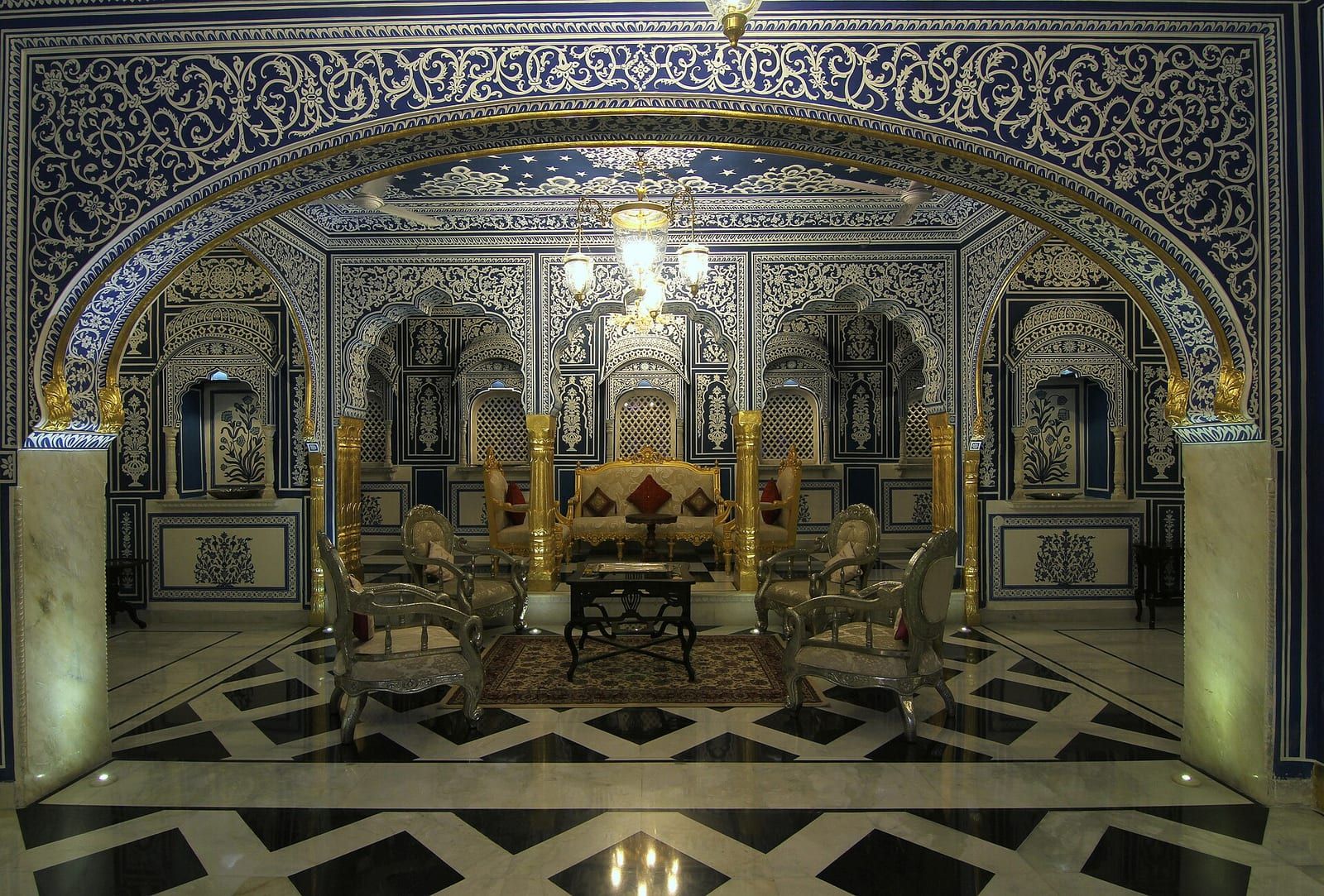
Sikar city is administered by a Municipal Council that forms part of the Sikar Urban Agglomeration. The council operates from a newly constructed building designed in the traditional Shekhawati style, resembling a mahal or haveli. The city itself is segmented into 60 wards, each represented within the council’s governance structure.
According to the 2011 census, Sikar city had a population of 237,579, while the broader urban or metropolitan area, which includes the surrounding localities of Chandrapura (Rural), Radhakrishnpura, Samarthpura, Shivsinghpura and Sikar city itself, recorded a total of 244,563 inhabitants. This metropolitan delineation reflects the integrated nature of the city’s administrative and demographic landscape.
The political representation of the district includes several notable figures who have held positions at both state and national levels. Among them are Narayan Singh Burdak and Govind Singh Dotasra, both serving as RPCC chiefs and former ministers in the Government of Rajasthan; Mahadeo Singh Khandela and Subhash Maharia, who have served as union ministers in the Government of India; Banshidhar Bajiya and Jhabhar Singh Kharra, former and current ministers in the Government of Rajasthan respectively; Bhairon Singh Shekhawat, who served as the 11th Vice President of India; and Amra Ram, who is the Member of Parliament representing Sikar.
Culture, fairs and places to see
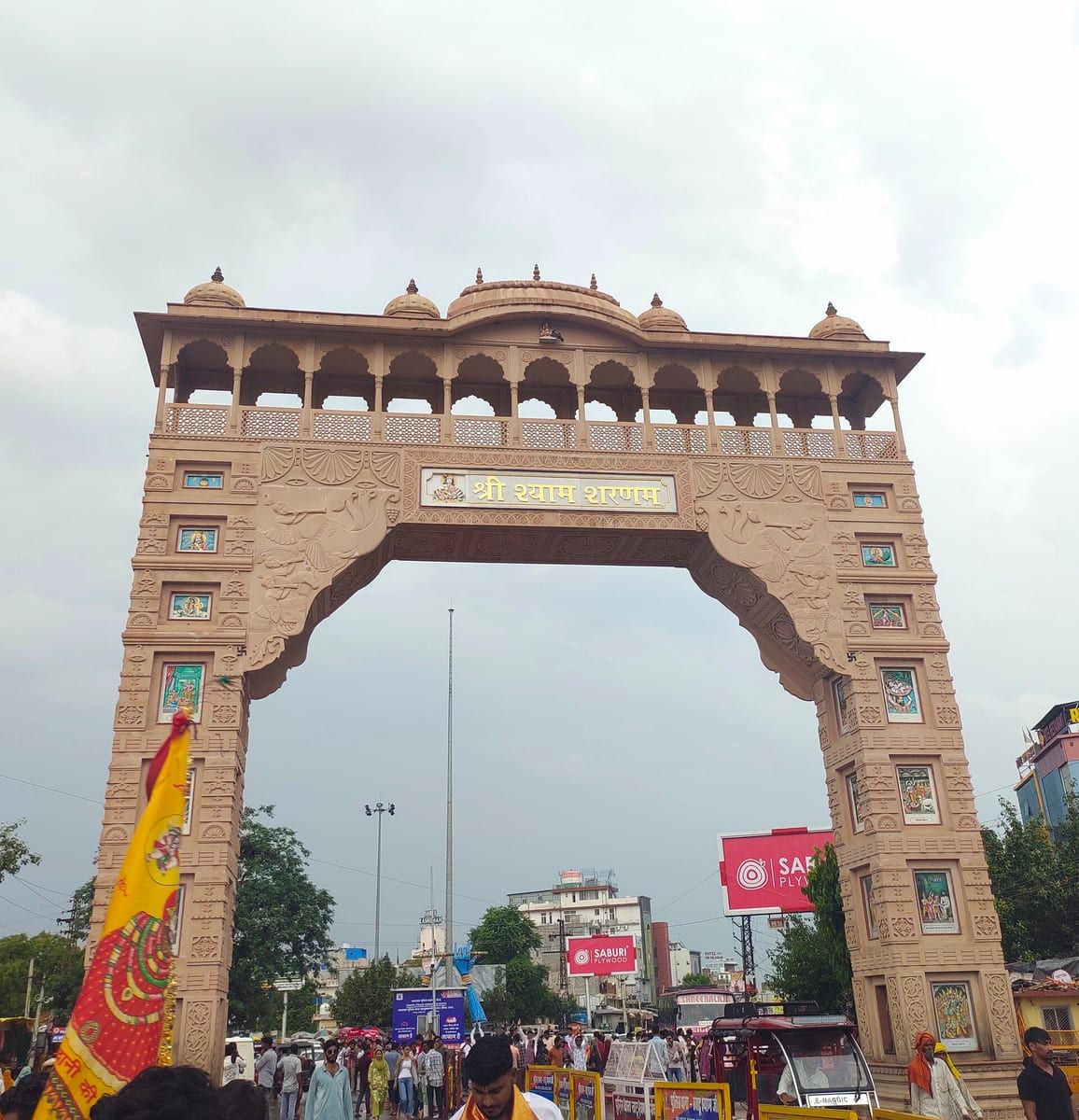
Sikar district boasts a rich tapestry of cultural heritage reflected in its many temples and historic sites. The Khatu Shyam Temple, a major pilgrimage destination, draws devotees from across the country to honor the incarnation of Lord Krishna known as Khatu Shyam Ji. Another prominent shrine is the Harshnath Temple, situated about eleven kilometres from Sikar; this ancient structure dedicated to Lord Shiva dates back to 973 CE and is set amid a hilly landscape that adds to its historic allure.
The district’s architectural legacy is further highlighted by a series of forts that punctuate the region. Notable among them are the Lachhmangarh Fort, constructed by Rao Raja Laxman Singh in 1805, and the extensive list of forts such as Devgarh, Laxmangarh, Raghunath, Danta, Ramgarh, and many others that dot the countryside, each bearing testimony to the area's feudal past.
Sikar city itself offers several recreational spaces that complement its cultural sites. Nehru Park, one of the largest green areas in the city, provides a venue for public gatherings, while Smriti van stands out as another expansive park. Together, these parks and the numerous temples and forts create a vibrant mosaic of places for visitors to explore within the district.
Education and transport
Sikar district has emerged as a notable educational hub in Rajasthan, anchored by Pandit Deendayal Upadhyaya Shekhawati University which offers a range of higher‑education programmes. Government colleges in the district provide undergraduate and postgraduate courses in arts, sciences and commerce, while private institutions such as Mody Institute of Technology and Science in Lakshmangarh focus on women’s education and Bhartiya and Sobhasaria Engineering Colleges add to the engineering options. The district also hosts a single Government Polytechnic College and Shri Kalyan Government Medical College, a tertiary medical institution offering MBBS and postgraduate studies.
The city of Sikar has become especially prominent for competitive‑exam coaching, attracting students from rural areas and neighbouring states for NEET and IIT‑JEE preparation. Numerous coaching institutes operate in the city, and it is the smallest city to host an IIT‑JEE Advanced centre. The coaching environment has been linked to lower stress levels compared to larger hubs such as Kota, and recent results include a student from a private coaching institute in Sikar achieving All‑India Rank 1 in NEET 2025 and the district attaining an All‑India Rank 11 in IIT‑JEE Advanced in 2016.
Transport links support Sikar’s educational activities. The city is served by Sikar Junction on the North Western Railway network, connecting it to major destinations including Delhi, Jaipur, Bikaner, Mumbai and Ahmedabad, with proposed new lines to Nokha via Sujangarh and to Neem‑Ka‑Thana via Udaipurwati. Road connectivity is strong, with the four‑lane NH‑52 passing through Sikar linking it to Jaipur and Bikaner, and additional corridors such as the western freight corridor through Ringas, the Kotputli‑Kuchaman Mega Highway and the Jhunjhunu‑Jaipur state highway facilitating regional travel.
Air travel for Sikar’s residents and visitors is centred on Jaipur International Airport, the nearest major airport offering daily flights to major Indian cities and international destinations such as Dubai and Muscat. A new airport is proposed at Shahpura in nearby Jaipur district, and a small airstrip at Tarpura village provides limited private‑plane services, further enhancing the district’s connectivity.
Based on: the Wikipedia article (CC BY-SA 4.0) — facts from that source; edited and translated by Times of Rajasthan.
More visual stories
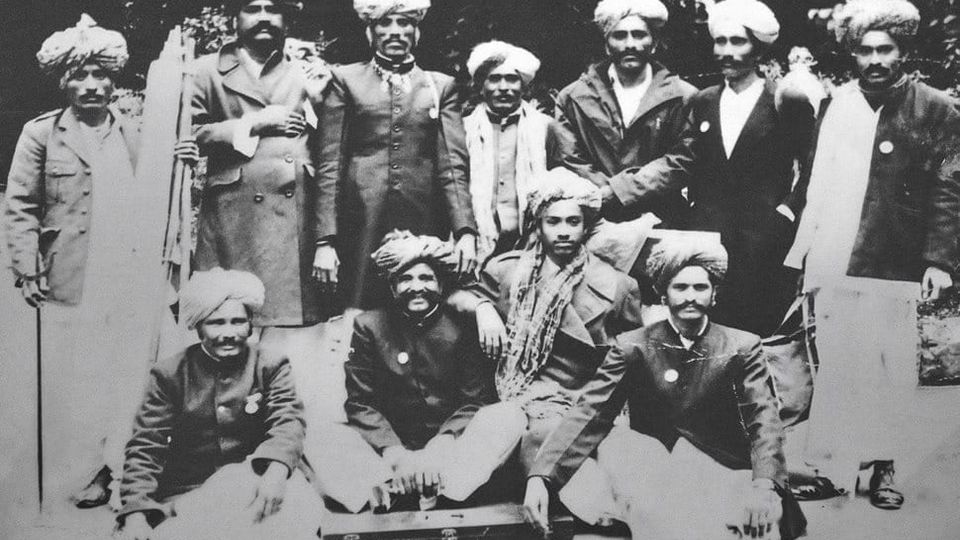 Folk musicKesariya Balam — the songs of the ManganiyarsMaand singing from the Thar, the hum of the kamaicha and the clack of the khartal.5 scenes · with music · ♥ 11
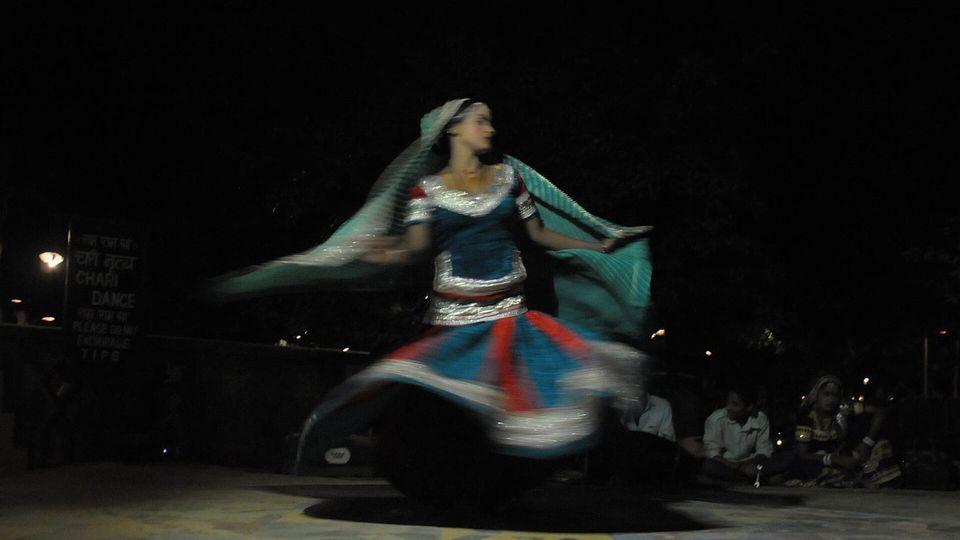 Folk danceGhoomar — the dance of the swirling skirtSwirling ghagras, flowing veils and clapping rhythms at Gangaur, Teej and weddings.3 scenes · with music · ♥ 13
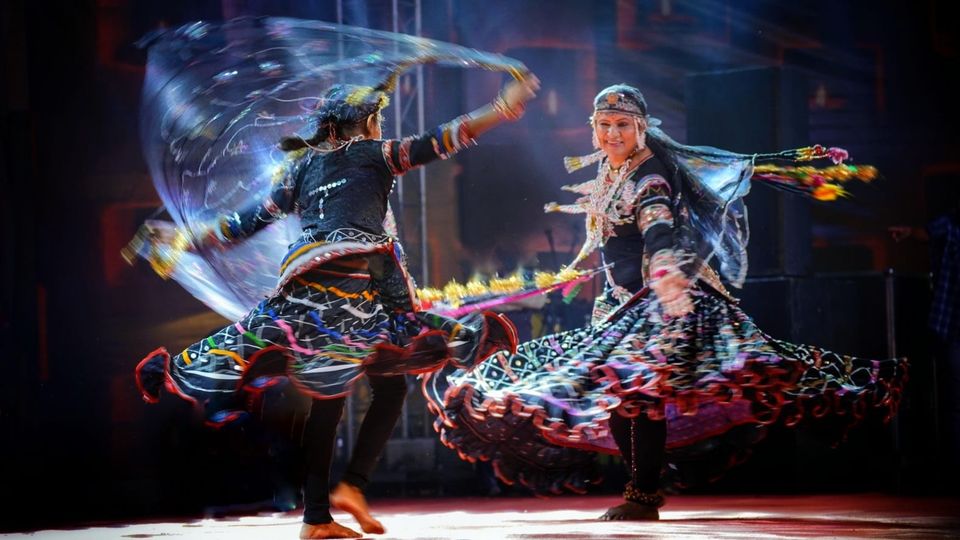 Folk danceKalbeliya — the serpent dance, a UNESCO heritageBodies sway like serpents to the pungi; on UNESCO’s intangible heritage list since 2010.4 scenes · with music · ♥ 1
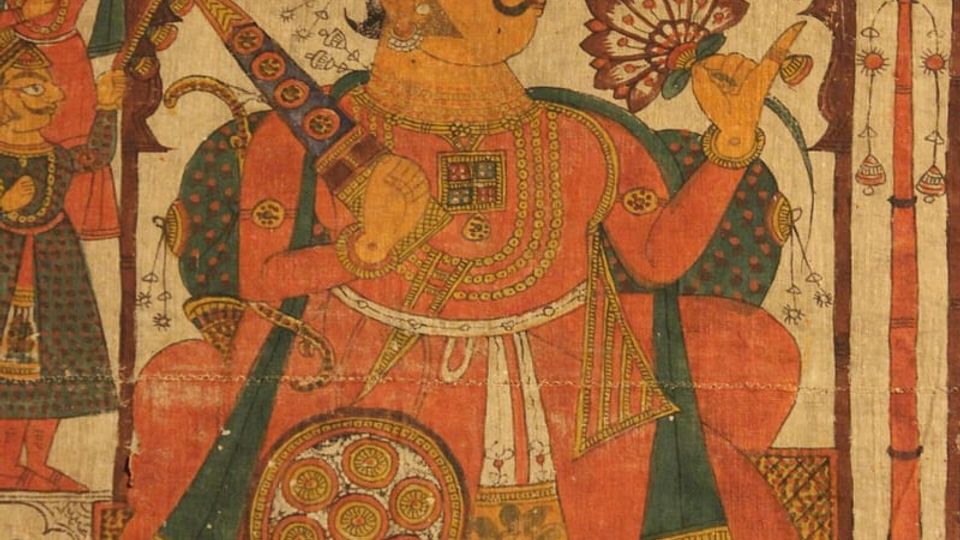 PaintingPhad and Ravanahatha — a story that travelsThrough the night, the bhopa and bhopi sing the epic of folk deities before the phad, to the ravanahatha.4 scenes · with music · ♥ 5
Photos: TheSlumPanda / Wikimedia Commons (CC BY-SA 4.0) · Digrajsingh / Wikimedia Commons (CC BY-SA 4.0)