Salumbar Darshan — Jaisamand Lake, Salumbar palace
Salumbar district blends cultural heritage with natural beauty.
TIMES of RAJASTHAN · DARSHAN
Salumbar Darshan — Jaisamand Lake, Salumbar palace
Salumbar district blends cultural heritage with natural beauty.
In detail
Salumbar district is a district in southern Rajasthan, India, created on 7 August 2023 from parts of Udaipur district. It has a population of 570,775 according to the 2011 census, with a majority of Scheduled Tribe residents and a notable Jain community.
Overview
Salumbar district is a district in the Indian state of Rajasthan, situated in the southern part of the state near the border with Gujarat. The district was created on 7 August 2023 when it was carved out of the former Udaipur district by Chief Minister Ashok Gelhot.
The district comprises five tehsils—Sarada, Lasadiya, Salumbar, Semari and Jhallara—that were previously part of Udaipur district. These administrative units now form the core of the newly established district, reflecting the reorganisation of the region’s local governance.
The city of Salumbar, which lends its name to the district, lies within this area and is part of the historic Mewar dynasty. As a central urban centre of the district, Salumbar contributes to the identity and administrative functions of the region.
Geography and climate
Salumbar district lies at 24.13°N 74.05°E in the state of Rajasthan, India, and rests at an average elevation of about 262 metres (859 feet) above sea level. The town is set against the scenic backdrop of the Aravalli mountain range, which contributes to its distinctive topography and visual appeal.
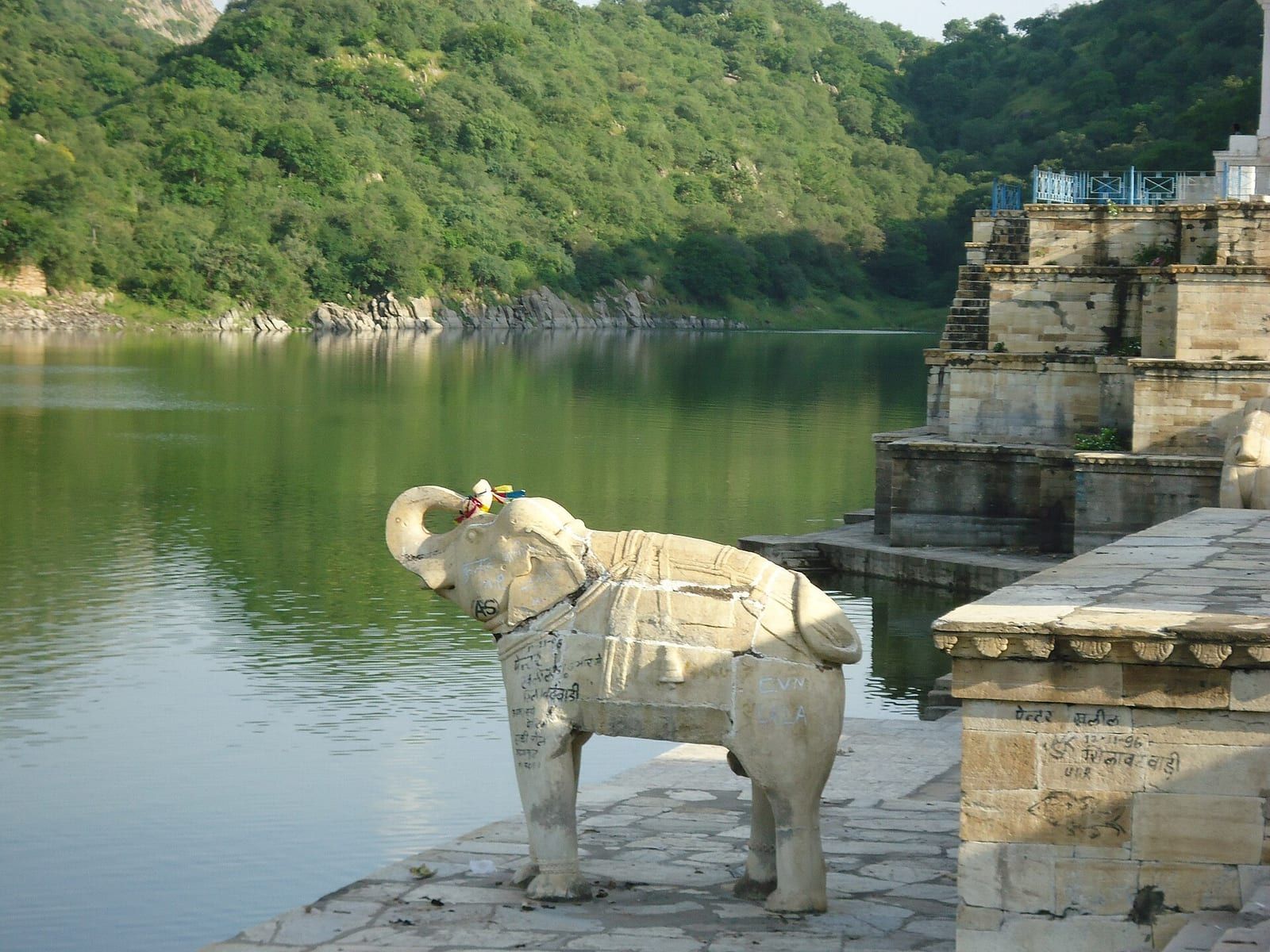
The region’s geography is marked by a mixture of rolling hills and flat plains, with the nearby Jaisamand Lake—also known as Dhebar Lake—situated roughly 18 kilometres from Salumbar. This large artificial freshwater lake, one of the oldest in India, adds a significant water body to the local landscape and influences the micro‑climate of the surrounding area.
The terrain supports a variety of natural habitats, including the Jaisamand wildlife sanctuary, which lies within the district’s broader geographical zone. The sanctuary provides a refuge for diverse fauna such as birds, panthers, leopards, deer, wild boars and crocodiles, reflecting the ecological richness of the region’s hills and watercourses.
Salumbar’s location within the Aravalli foothills also shapes its climate, offering relatively moderate temperatures compared with the hotter plains of Rajasthan. The presence of the lake and surrounding hills helps to moderate extreme heat, while the area experiences a typical semi‑arid pattern with distinct seasonal variations.
Overall, Salumbar’s geographical setting—characterized by its elevation, proximity to the historic Jaisamand Lake, and the encompassing Aravalli range—creates a landscape that blends natural beauty with ecological diversity, influencing both the climate and the livelihoods of its inhabitants.
People and languages
Salumbar district is linguistically diverse, with more than half of its residents speaking Mewari as their first language according to the 2011 census. The next largest language group is Bhili, also known as Wagdi, spoken by nearly a quarter of the population. Smaller but notable portions of the district speak Rajasthani, Hindi and Malvi, accounting for roughly 7.6%, 7.3% and 4.1% respectively of first‑language speakers.
The district’s overall population in 2011 was 570,775, of which a modest urban segment of 31,776 lived in towns such as Salumbar city. The gender balance was close, with 290,363 men and 280,412 women. A substantial majority of the population belongs to Scheduled Tribes, representing 63.08%, while Scheduled Castes comprise 4.31%.
Salumbar city itself had a population of 248,337 in 2011, with a literacy rate of 85.82%, markedly higher than the state average. Male literacy stood at 93.78% and female literacy at 77.56%, reflecting a relatively high educational attainment within the urban area.
The municipality administers around 3,392 households, providing basic services such as water and sewerage. The female sex ratio in the city was recorded at 951 females per 1,000 males, surpassing the state average of 928.
Historically, the town’s population was recorded as 15,862 in the 2001 census, with a literacy rate of 76% and a near‑equal gender distribution. Thirteen percent of residents were under six years of age at that time, indicating a young demographic component.
Culture, fairs and places to see
Salumbar district, situated at an elevation of about 262 metres in the Aravali foothills, is celebrated for its blend of historical monuments and spiritual sites that draw visitors from the surrounding region. The town’s landscape is dotted with notable palaces such as the Hadi Rani Mahal, set beside a pond, and the Ruthi Rani Mahal near Jaisamand, both offering panoramic views of the lake and the surrounding mountains. These structures reflect the area’s heritage and serve as focal points for cultural tourism.
Religious architecture is a prominent feature of Salumbar, with a variety of temples catering to its diverse Hindu, Jain, and Bohra communities. Among the most visited are the Sonar Mata temple perched on a hill, providing sweeping vistas of the city, as well as the Bada Ganpati, Palwale Hanuman, Rambola Hanuman, Jageshwar, Bayan Mata, Gayatri Mandir, Idana Mata, Barolji, and Gatod Ji temples. Numerous Jain temples also dot the district, underscoring its pluralistic spiritual atmosphere. In addition, several mosques serve the Bohra and Muslim populations, contributing to the district’s religious mosaic.
The natural attractions of Salumbar complement its cultural sites. Jaisamand Lake, also known as Dhebar Lake, lies about 18 kilometres from the town and is recognized as India’s first and the world’s oldest historical artificial freshwater lake, as well as the second‑largest of its kind in Asia. The lake is surrounded by the Jaisamand Wildlife Sanctuary, a habitat for a range of wildlife including birds, panthers, leopards, deer, wild boars and crocodiles, and offers safari experiences for visitors. Together, the historical monuments, temples, mosques, and natural scenery create a rich tapestry of places to see in Salumand district.
Based on: the Wikipedia article (CC BY-SA 4.0) — facts from that source; edited and translated by Times of Rajasthan.
More visual stories
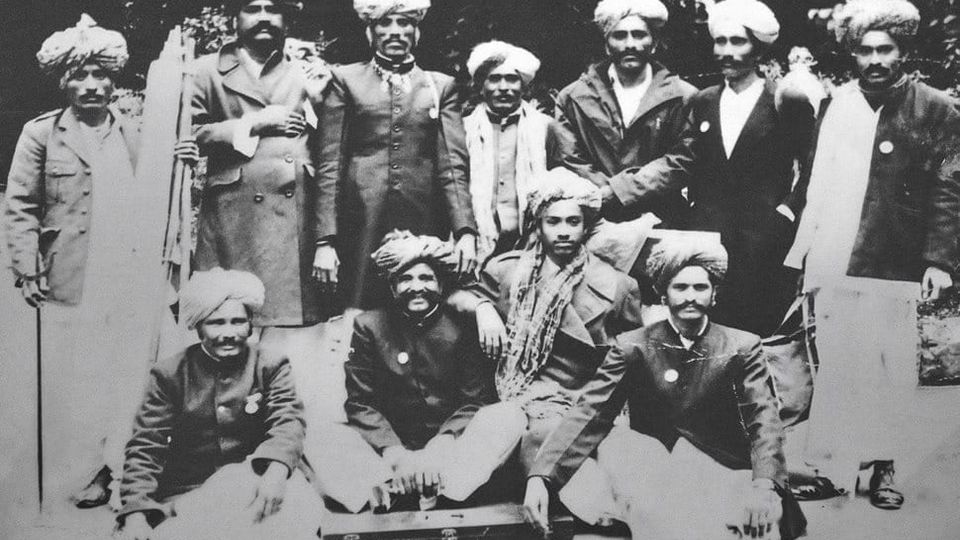 Folk musicKesariya Balam — the songs of the ManganiyarsMaand singing from the Thar, the hum of the kamaicha and the clack of the khartal.5 scenes · with music · ♥ 11
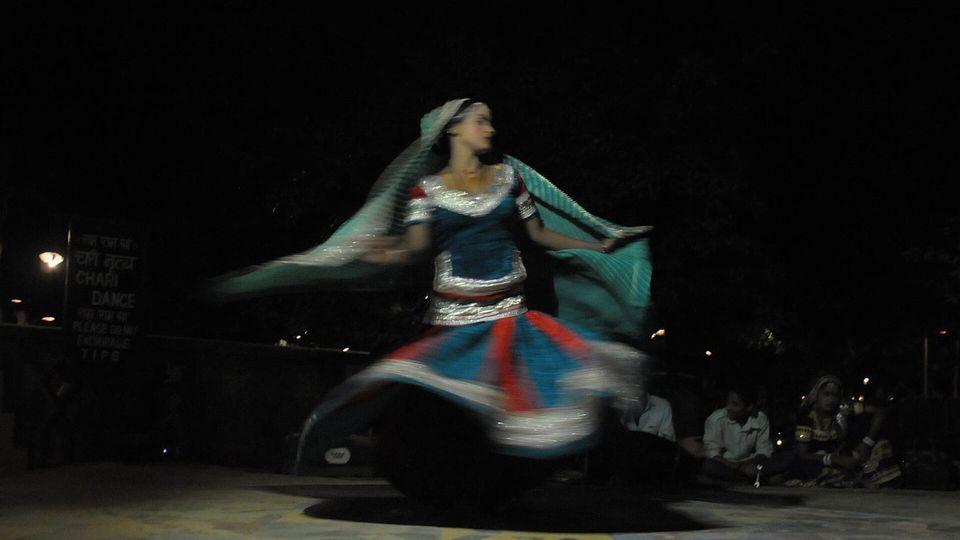 Folk danceGhoomar — the dance of the swirling skirtSwirling ghagras, flowing veils and clapping rhythms at Gangaur, Teej and weddings.3 scenes · with music · ♥ 13
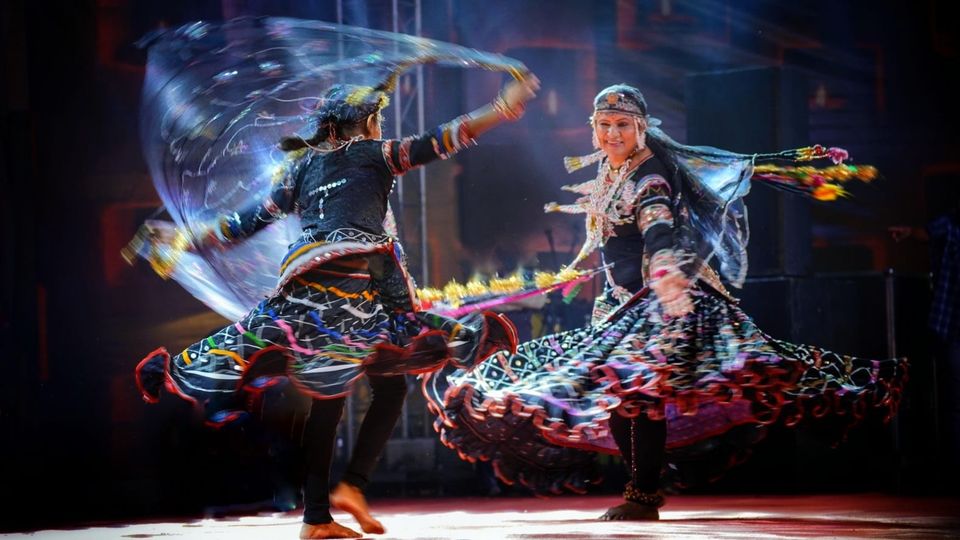 Folk danceKalbeliya — the serpent dance, a UNESCO heritageBodies sway like serpents to the pungi; on UNESCO’s intangible heritage list since 2010.4 scenes · with music · ♥ 1
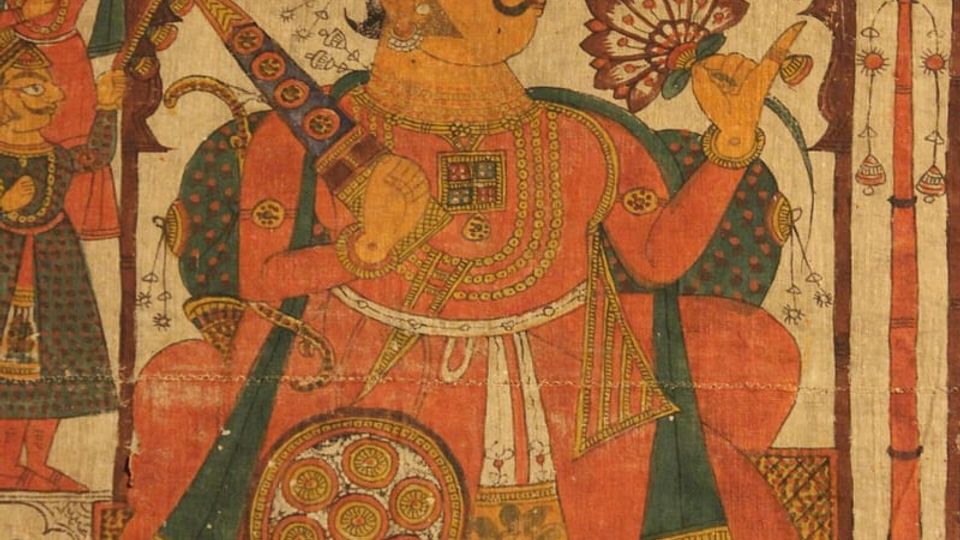 PaintingPhad and Ravanahatha — a story that travelsThrough the night, the bhopa and bhopi sing the epic of folk deities before the phad, to the ravanahatha.4 scenes · with music · ♥ 5
Photos: Surenders25 / Wikimedia Commons (CC BY-SA 4.0) · Ms Sarah Welch / Wikimedia Commons (CC BY-SA 4.0)