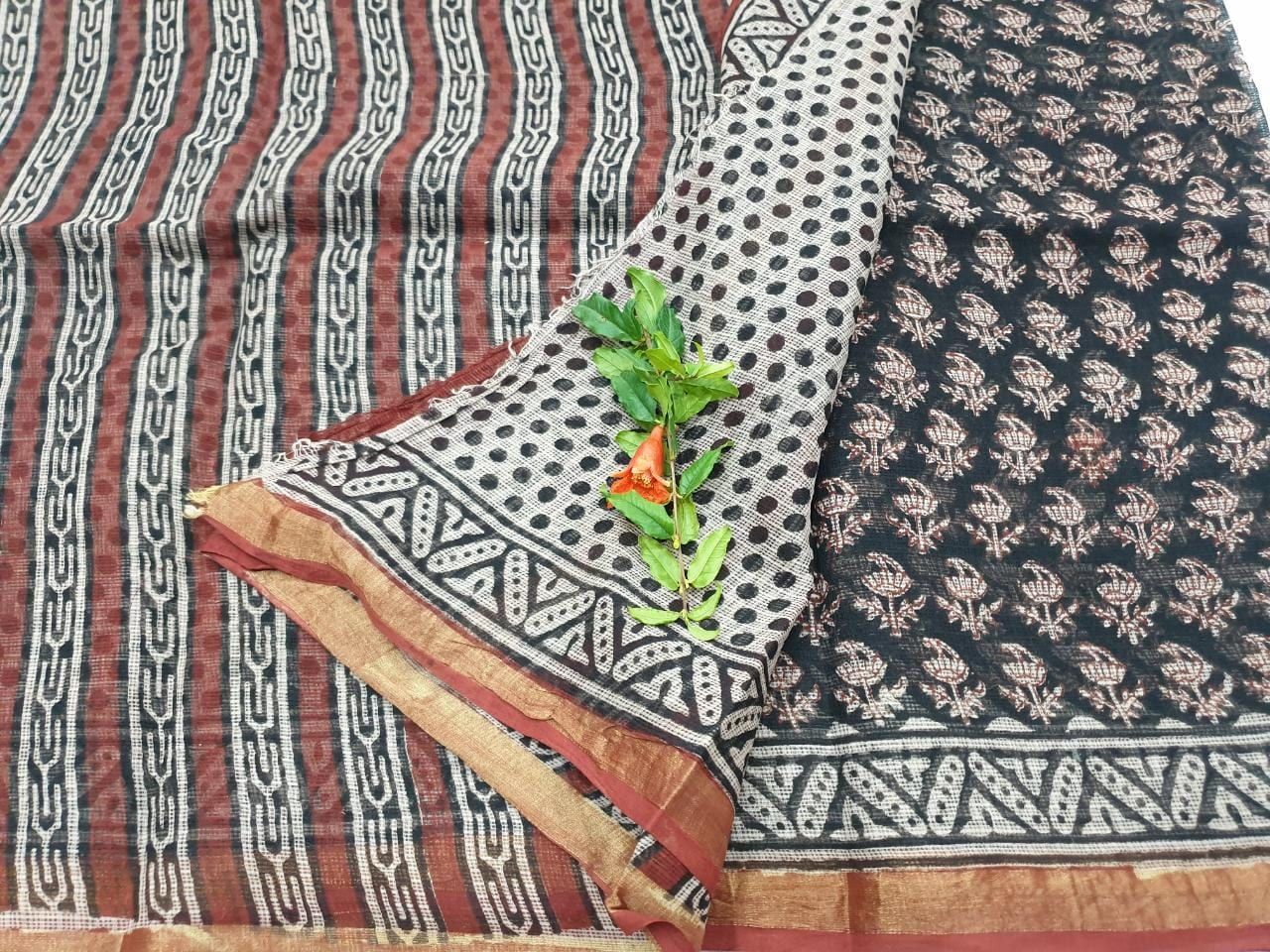
Kota Darshan — Coaching city, Kota Doria
Kota district in Rajasthan blends vibrant coaching culture, traditional crafts, and scenic riverfronts.
TIMES of RAJASTHAN · DARSHAN
Kota Darshan — Coaching city, Kota Doria
Kota district in Rajasthan blends vibrant coaching culture, traditional crafts, and scenic riverfronts.
In detail
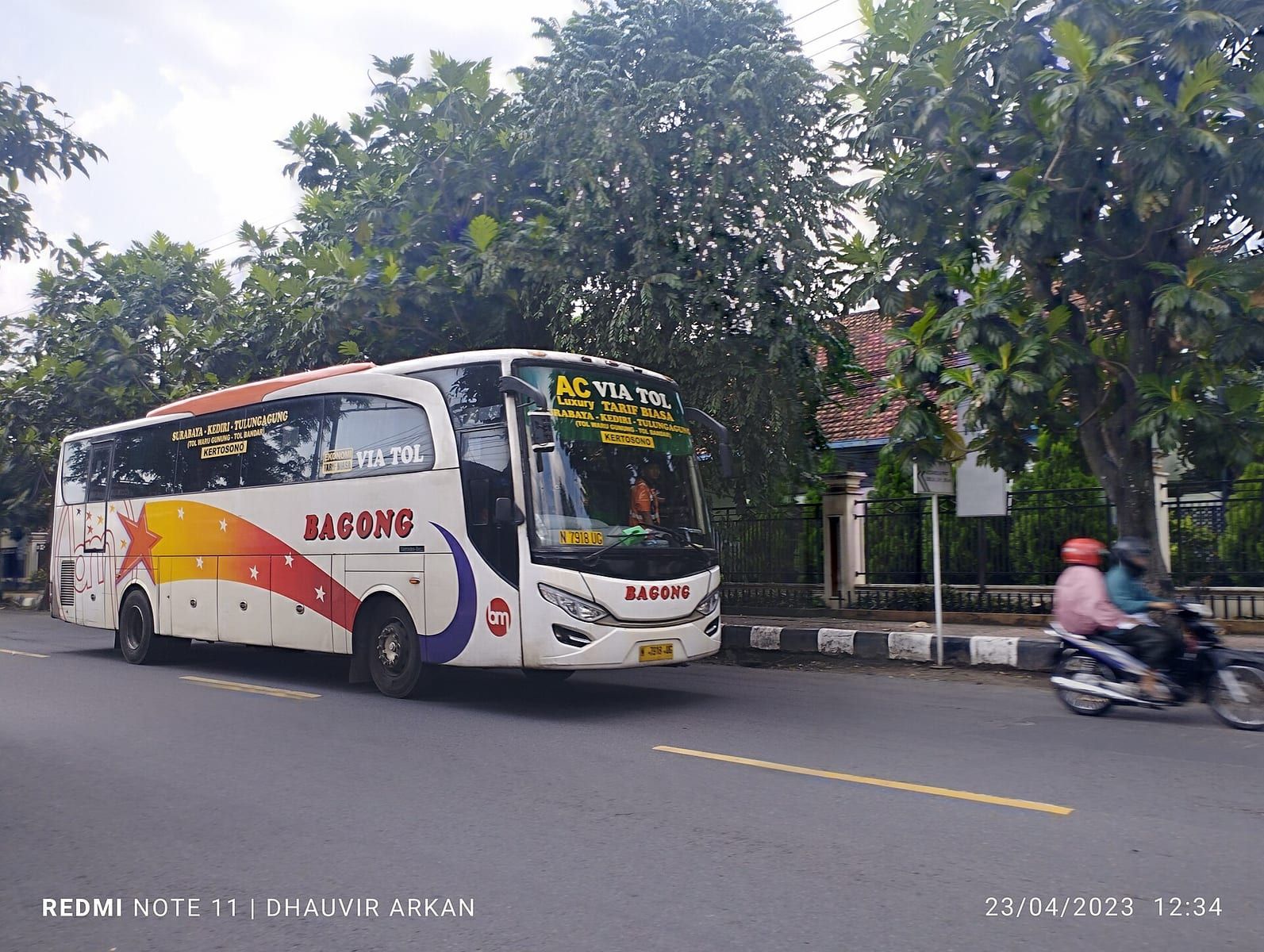
Kota district is a district in Rajasthan, India, with Kota city as its administrative headquarters. It has a population of 1,951,014 according to the 2011 census.
Overview
Kota district is a district of the state of Rajasthan in western India. The city of Kota is the administrative headquarters of the district.
During the period around the 12th century AD, Rao Deva, a Hada Chieftain conquered the territory and founded Bundi and Hadoti. In the early 17th century AD, during the reign of the Mughal Emperor Jahangir, the ruler of Bundi, Rao Ratan Singh, gave the smaller principality of Kota to his son, Madho Singh. Since then, Kota became a hallmark of the Rajput gallantry and culture.
The district is bounded on the north by Bundi District, on the east by Baran District, on the south by Jhalawar District, and on the west by Chittorgarh District and Mandsaur District. It is now the hub of educational institutions and is home to Asia's biggest manufacturer of fertilizer.
Further, Kota is surrounded by four power stations within its 50 km radius. First is Rajasthan atomic power plant, which is an atomic power plant and is very near Kota at a place called Rawatbhata and is situated at a place called Rawatbhata in the Chittorgarh District. Second is the Kota Thermal Power plant, which generates power from coal and is situated at the bank of the Chambal River and is within Kota city. Third is Anta Gas Power plant, which generates power from gas and is situated at a place called Anta in the Baran District. The fourth is Jawahar Sagar Power Plant, which is hydraulic power plant.
People and languages
The 2011 census recorded a population of 1,951,014 in Kota district, a figure comparable to the nation of Lesotho or the U.S. state of New Mexico. The district ranks 239th in population among the 640 districts of India and has a density of 374 inhabitants per square kilometre. Over the decade from 2001 to 2011, the population grew by 24.35%. The sex ratio stands at 906 females for every 1,000 males, and the literacy rate is 77.48%. Urban residents account for 60.31% of the total population, while Scheduled Castes and Scheduled Tribes comprise 20.78% and 9.42% respectively.
Language use in Kota reflects the region’s cultural diversity. According to the 2011 census, 48.32% of residents identified Hadauti as their first language, making it the most widely spoken tongue in the district. Hindi follows with 39.42% of the population, and Rajasthani is spoken by 3.58%. Smaller linguistic groups include Malvi (2.26%), Urdu (1.94%), and Sindhi (1.12%). These figures illustrate the linguistic mosaic that characterizes Kota’s social fabric.
The district’s linguistic profile is shaped by its historical and geographical context. Hadauti, a dialect of the Western Pahari language family, is traditionally associated with the hilly areas of Rajasthan and reflects the local heritage. Hindi, as the official language of the state, serves as a lingua franca across urban and rural settings. The presence of Rajasthani, Malvi, Urdu, and Sindhi speakers indicates migration patterns and the influence of neighboring regions, contributing to the district’s multilingual environment.
Based on: the Wikipedia article (CC BY-SA 4.0) — facts from that source; edited and translated by Times of Rajasthan.
More visual stories
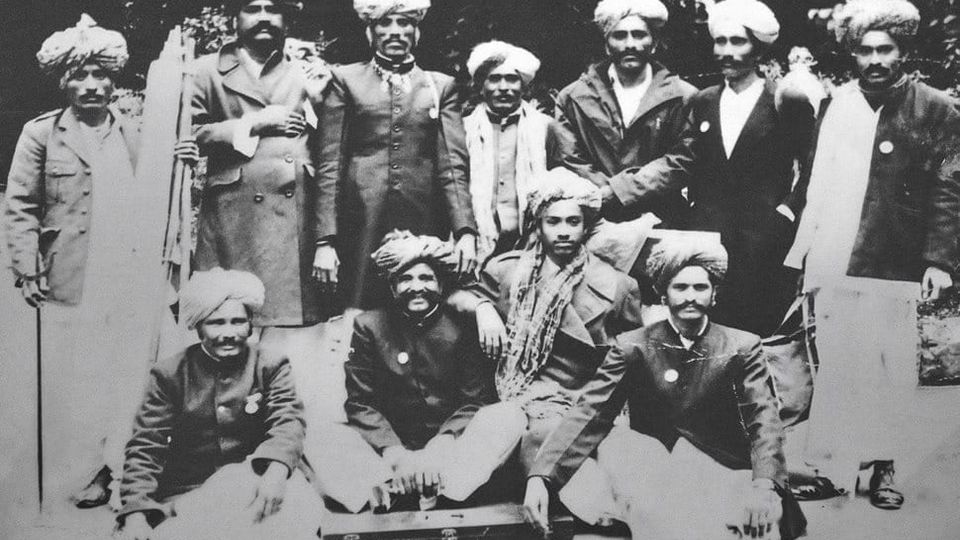 Folk musicKesariya Balam — the songs of the ManganiyarsMaand singing from the Thar, the hum of the kamaicha and the clack of the khartal.5 scenes · with music · ♥ 11
 Folk danceGhoomar — the dance of the swirling skirtSwirling ghagras, flowing veils and clapping rhythms at Gangaur, Teej and weddings.3 scenes · with music · ♥ 13
 Folk danceKalbeliya — the serpent dance, a UNESCO heritageBodies sway like serpents to the pungi; on UNESCO’s intangible heritage list since 2010.4 scenes · with music · ♥ 1
 PaintingPhad and Ravanahatha — a story that travelsThrough the night, the bhopa and bhopi sing the epic of folk deities before the phad, to the ravanahatha.4 scenes · with music · ♥ 5
Photos: Muhamad Dhauvir Arkan 8348 / Wikimedia Commons (CC BY-SA 4.0) · Kiransboutique / Wikimedia Commons (CC BY-SA 4.0)