Jodhpur Darshan — Mehrangarh Fort, The Blue City
Jodhpur district in Rajasthan is a vibrant region rich in culture and color.
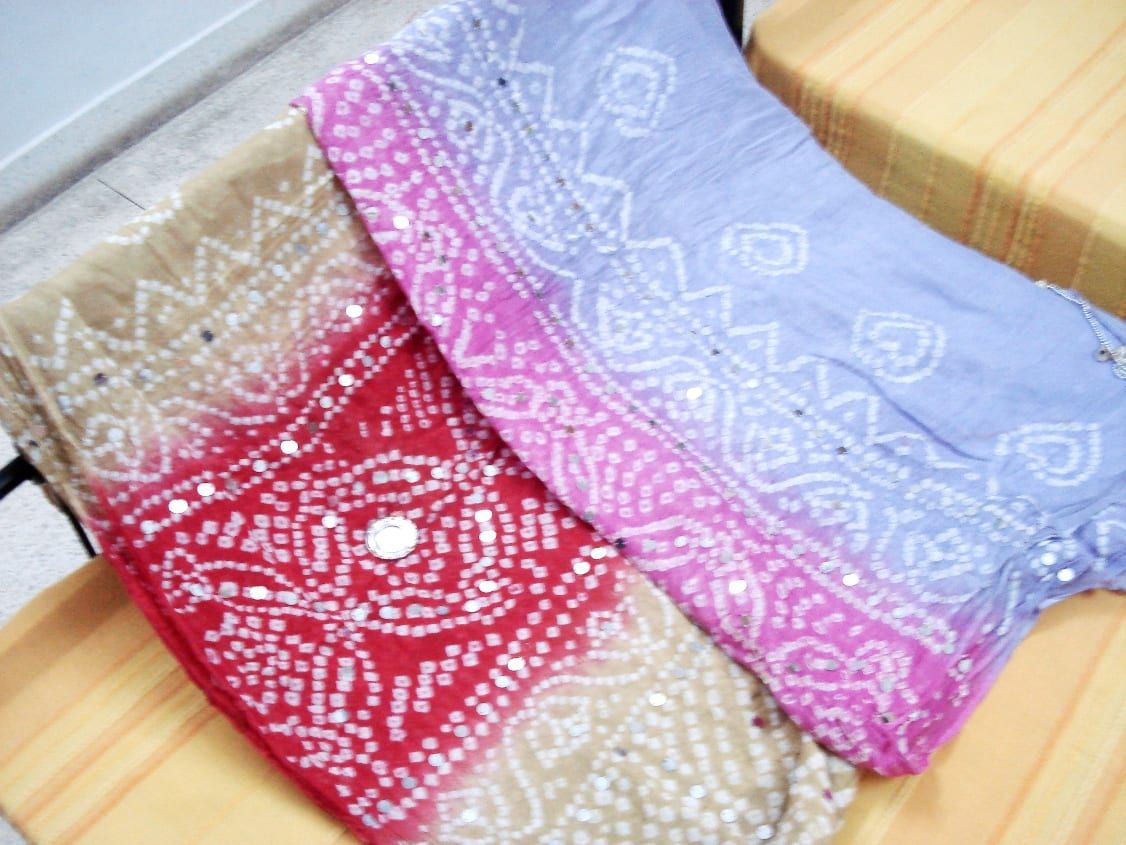
TIMES of RAJASTHAN · DARSHAN
Jodhpur Darshan — Mehrangarh Fort, The Blue City
Jodhpur district in Rajasthan is a vibrant region rich in culture and color.
In detail
Jodhpur district is a district in Rajasthan, western India, with its administrative headquarters in the city of Jodhpur. As of the 2011 census it is the second most populated district in the state.
Overview
Jodhpur district is situated in the western Indian state of Rajasthan and is administered from the city of Jodhpur, which serves as the district’s headquarters. According to the 2011 census, the district ranks as the second most populated in Rajasthan, following Jaipur district.
The district is historically significant as the center of the Marwar region. It contains Mandore, the ancient capital of the Pratihara Rajput kings who ruled from the 8th to the 13th centuries, and the temple city of Osiyan, also associated with the Pratiharas.
Jodhpur city itself was founded in 1459 by Rao Jodha, a Rajput chief of the Rathore clan, and became the capital of the Kingdom of Marwar. The city remained the seat of the Rathore dynasty until the period following Indian independence in 1947.
On 11 August 1947, four days before India gained independence, Maharaja Hanwant Singh, the last ruler of the Jodhpur state, signed the Instrument of Accession, merging the state into the Union of India. The state of Rajasthan was subsequently formed on 30 March 1949, incorporating the former Jodhpur state.
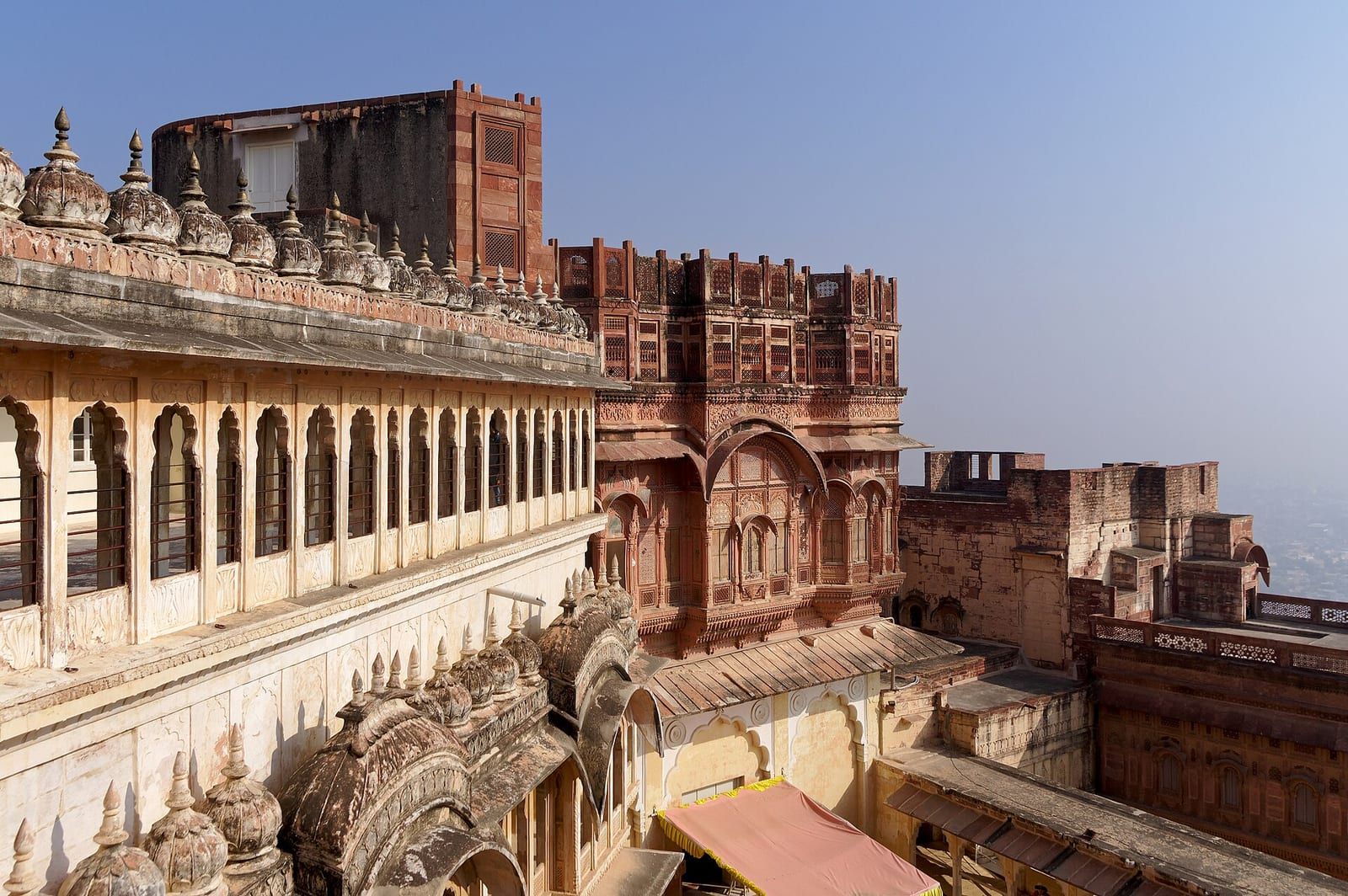
Jodhpur is renowned as a tourist destination, famous for its palace, fort, and temples set against the stark backdrop of the Thar Desert. The city earned the nickname “Blue City” because of the predominant blue color scheme of its old town buildings. The old city surrounds the Mehrangarh Fort and is enclosed by a wall with several gates, making it a convenient base for travelers exploring the region.
History
The name "Jodhpur" comes from its founder, Rao Jodha, who established the city in 1459. The term "Jodh" represents Rao Jodha, and "pur" means city or town in Sanskrit, making it the "City of Jodha."
Before the founding of Jodhpur, the region was part of the Gurjara‑Pratihara Empire. The Ghatiyala pillar inscription of AD 996, erected by the Pratihara ruler Kakkuka, provides important information about the area. Marwar remained under the rule of a powerful Pratihara king until about 1100 AD. During this period, the Pratiharas formed a marital alliance with the Rathores, and the town of Mandore was given as dowry to a Rathore chieftain named Chunda. Chunda established his rule in Mandore and, taking advantage of the decline of the Tughlaq dynasty, defended Marwar against Zafar Khan and conquered Khatu, Didwana, Sambhar, Nagaur, and Ajmer from the Tughlaqs.
In 1459, Rao Jodha, a Rajput chief of the Rathore clan, founded Jodhpur after conquering the surrounding territory from the Delhi Sultanate. The new kingdom that emerged was known as Marwar. Although Jodha hailed from the nearby town of Mandore, which initially served as the capital, Jodhpur soon assumed that role even during Jodha’s lifetime. The city’s location on the strategic road linking Delhi to Gujarat enabled it to benefit from a flourishing trade in opium, copper, silk, sandalwood, dates, and other goods.
Geography and climate
The district of Jodhpur lies in the western part of Rajasthan, India, bounded by Bikaner to the north, Nagaur to the northeast, Pali to the southeast and south, Barmer to the southwest, and Jaisalmer to the west and northwest. It extends between 26°00′ and 27°37′ north latitude and 72°55′ and 73°52′ east longitude, and its altitude ranges from 250 to 300 metres above sea level.
Jodhpur district is divided into three physiographic units: alluvial plains, sand dunes, and escarpments. The western and north‑western areas are dominated by sand dunes, and except for parts of Bilara and Osian tehsil, the land surface is largely flat and sandy. The Luni River is the only significant river, entering the district near Bilara and flowing for more than 75 kilometres before entering Barmer district.
The climate is classified as hot desert (Köppen BWh). Average annual rainfall is about 362 mm, falling mainly between June and September, but it varies widely from year to year. For example, in 1899 the district received only 24 mm, whereas in 1917 it received 1,178 mm. The Jojari River, a tributary of the Luni, flows through the urban area, and a 35 km riverfront development project was approved in January 2021 under the Namami Gange programme.
Temperatures are extreme from March to October, with highs routinely exceeding 40 °C in April, May, and June. The highest recorded temperature was 48.8 °C on 20 May 2016. During the monsoon, average temperatures drop slightly, but low humidity rises, adding to the perception of heat.
Jodhpur has been ranked 30th among India’s National Clean Air Cities in the Category 1 (population >10 L) group.
People and languages
Jodhpur district, according to the 2011 census, had a population of 3,687,165, ranking 73rd among Indian districts. The population density was 161 inhabitants per square kilometre, and the district experienced a growth rate of 27.69% between 2001 and 2011. The sex ratio stood at 915 females for every 1,000 males, and the overall literacy rate was 67.09%. About one third of residents lived in urban areas, while Scheduled Castes and Scheduled Tribes comprised 16.49% and 3.23% of the population respectively.
In terms of language, the 2011 census recorded that 80.22% of the district’s population spoke Rajasthani as their first language, 8.87% spoke Marwari, and 8.61% spoke Hindi. In the urban centre of Jodhpur city, a slightly different linguistic profile emerged: 63.61% of residents identified Rajasthani as their language, 25.17% Hindi, 5.52% Marwari, with smaller percentages speaking Sindhi (1.73%) and Urdu (1.27%).
The municipal corporation of Jodhpur, also based on the 2011 census, reported 196,436 households and a population of 1,056,191. Children under seven years old numbered 134,761, representing 12.76% of the city’s population. The city’s sex ratio was 902 females per 1,000 males, and the literacy rate for those aged seven and above was 80.33%. Scheduled Castes and Scheduled Tribes accounted for 12.63% and 2.39% of the municipal population respectively.
The broader Jodhpur urban/metropolitan area, which includes surrounding villages and industrial zones, had a population of 1,137,815 in 2011, with a nearly even split between males and females. Following the inclusion of 395 villages into the city limits in February 2021, the updated population count rose to 1,663,000, and projections estimate a 33.04% increase over the next decade, potentially exceeding 3.1 million by 2031.
Administration
In 2001 the district was divided into five sub‑divisions and seven tehsils, with four sub‑tehsils—Balesar, Bap, Jhanwar and Tinwari—created to facilitate administration. Balesar and Bap were the only sub‑tehsils that had local councils, known as panchayat samiti.
By 2011 the administrative structure had expanded to seven sub‑divisions and eleven tehsils, and the two independent sub‑tehsils of Jhanwar and Tinwari remained. All tehsils functioned as development blocks and possessed panchayat samities, except for the urban centre of Jodhpur, which was governed as a Municipal Corporation. The town of Bilara was administered by a Municipal Council, and the district comprised 1,794 villages organised under 351 Gram Panchayats.
The city’s civic administration underwent a significant change in 2019 when the Rajasthan government decided to establish two municipal corporations—Jodhpur North and Jodhpur South—to improve governance. Each corporation is headed by a mayor and contains 80 wards, for a total of 160 wards citywide. Councilors, or parshad, are elected from these wards for five‑year terms. In addition to the directly elected members, each corporation includes four ex‑officio members—one Member of Parliament and three Members of the Legislative Assembly representing Sardarpura, Soorsagar, and City—and three nominated members.
The Jodhpur Development Authority (JDA) is responsible for executing and supervising development plans and schemes across the urban region, ensuring coordinated growth and infrastructure development within the district.
The district’s only listed tehsil in the source is Phalodi, which is part of the broader administrative framework described above.
Culture, fairs and places to see
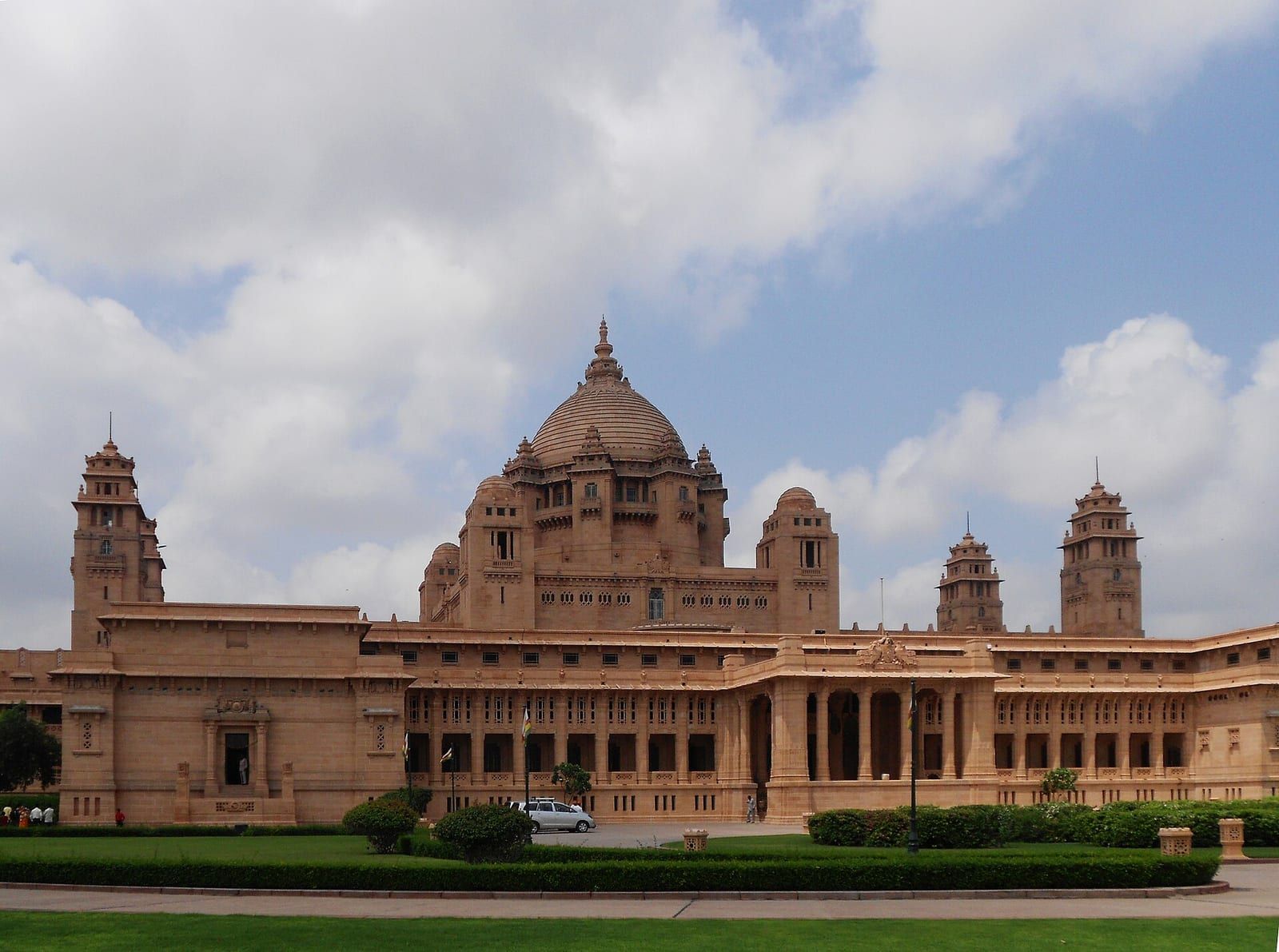
Jodhpur is renowned for its rich history and is often called the Blue City because the whitewashed houses around Mehrangarh Fort have a blue tinge. The city’s heritage is also reflected in its architecture, with notable sites such as the Umaid Bhawan Palace, part of which remains the residence of Maharaja Gaj Singh’s family while the rest operates as a five‑star hotel under the Taj Group of Hotels.
The cultural identity of Jodhpur is closely tied to its cuisine. Locals and visitors alike enjoy specialties such as Mirchi Bada, Rabdi Ghewar, and Mawa Kachori. The city’s culinary reputation is evident in the presence of sweet shops named "Jodhpur Sweets" across many Indian cities.
Jodhpur’s location on the edge of the Thar Desert has shaped its way of life, with nomadic tribes, particularly the Banjara, settling in parts of the city. This influence is seen in the local markets where traditional clothes, shoes known as Jodhpuri Mojari, and antique items are sold.
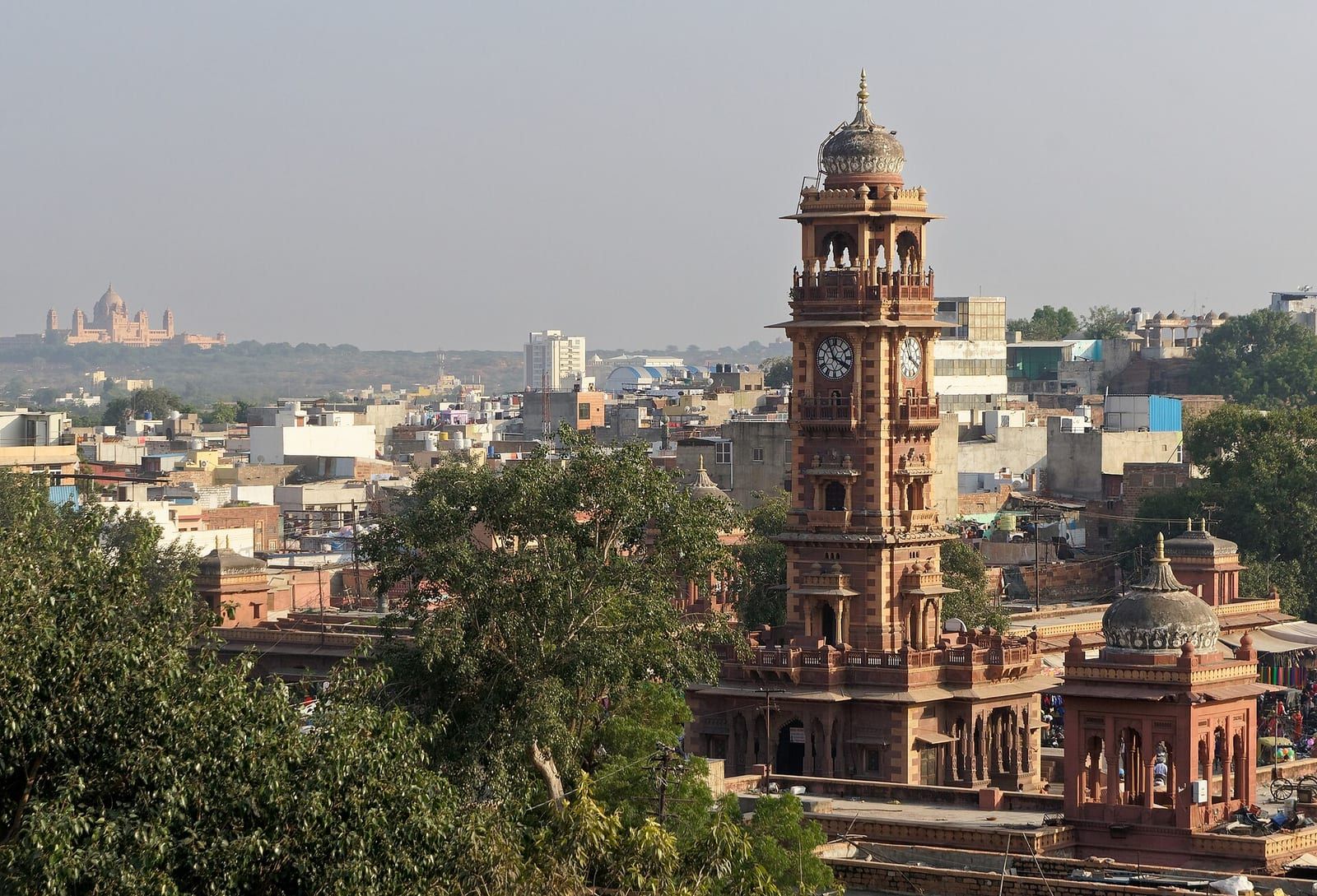
Tourists are drawn to a variety of attractions beyond the fort and palace. The old city’s blue bylanes, Jaswant Thada, and the Ghanta Ghar (Clock Tower) are popular sights. Nearby natural and cultural sites include Mandore Garden, Kaylana Lake and Garden, Balsamand Lake, Machia Biological Park, Rao Jodha Desert Rock Park, Ratanada Ganesh Temple, Toorji Ka Jhalra, Sardar Samand Lake and Palace, Masooria Hills, Veer Durgadas Smarak, Surpura Dam, and Bhim Bhadak Cave.
The Mahamandira temple, dedicated to Sri Jalandharnath, is notable for its murals depicting ascetics in yoga poses and inscriptions of dignitaries such as Charanas, nobles, and Rajas who have visited the shrine.
Education and transport
Educational facilities in Jodhpur district include several prominent institutions. The Indian Institute of Technology Jodhpur is a technical education institute and one of the new Indian Institutes of Technology. All India Institute of Medical Sciences Jodhpur and Dr. S.N. Medical College, Jodhpur, established in 1965, provide medical education and training. National Law University, Jodhpur, founded in 1999, is one of the seventeen universities imparting law education. National Institute of Fashion Technology Jodhpur, started in 2010, offers fashion design courses, while the Footwear Design and Development Institute, established in 2012, focuses on footwear, fashion, and leather. The Dr. Sarvepalli Radhakrishnan Rajasthan Ayurved University, begun in 2003, is the second university of its kind in India dedicated to Ayurveda.
Jai Narain Vyas University, formerly known as University of Jodhpur, was established in 1962 and is run by the state government. MBM Engineering College, founded in 1951, is the oldest engineering institution in Rajasthan and now functions as a faculty of engineering and architecture under JNVU. The Indian Institute of Handloom Technology is one of five institutes nationwide that provide research, development, and technical education to the handloom industry. Sardar Patel University of Police, Security and Criminal Justice, started in 2013, focuses on research and education in security, policing, and criminal justice. Krishi Vishwavidyalaya, Jodhpur, also started in 2013, is an agricultural university for research, education and extension in the field of Agricultural Sciences & Technology for farmers of the Marwar Region.
The city’s transport network is well established, with rail, road, and air links connecting it to major cities across the country. Railways include luxury trains such as Palace on Wheels, Royal Rajasthan on Wheels, and Maharaja Express, all of which run jointly by Rajasthan Tourism Development Corporation and Indian Railways and stop in Jodhpur. A high‑speed rail corridor between Delhi and Jodhpur via Jaipur and Ajmer was proposed in the 2012‑13 Railway Budget and entered the pre‑feasibility phase in 2020. A metro train service was proposed in 2013, and in 2021 a Future Mobility Plan outlined a 35‑km metro line from IIT Jodhpur to Jaisalmer Bypass after 2030, along with eleven BRTS corridors to serve the growing population.
Jodhpur Airport, primarily a military airbase with a civilian enclosure, is one of the most important airports for the Indian Air Force. Direct flights to the city are operated by Air India, Indigo, SpiceJet, and Star Air from cities such as Ahmedabad, Belgaum, Bengaluru, Chennai, Delhi, Hyderabad, Indore, Kolkata, and Mumbai. A new terminal construction began in late 2023 and is expected to complete by the end of 2025.
Road connectivity links Jodhpur to major cities in Rajasthan and neighboring states, including Delhi, Ahmedabad, Surat, Ujjain, and Agra. Rajasthan Roadways provides Volvo and Mercedes Benz bus services to Delhi, Ahmedabad, Jaipur, Udaipur, and Jaisalmer. The Bus Rapid Transit System launched in 2016 operates low‑floor and semi‑low‑floor buses on six major routes. Jodhpur is connected to the National Highway network through three national highways—NH‑62, NH‑112, and NH‑114—and to the Rajasthan State Highway network through ten state highways. A ring road is under construction to encircle the city and reduce vehicular traffic.
Based on: the Wikipedia article (CC BY-SA 4.0) — facts from that source; edited and translated by Times of Rajasthan.
More visual stories
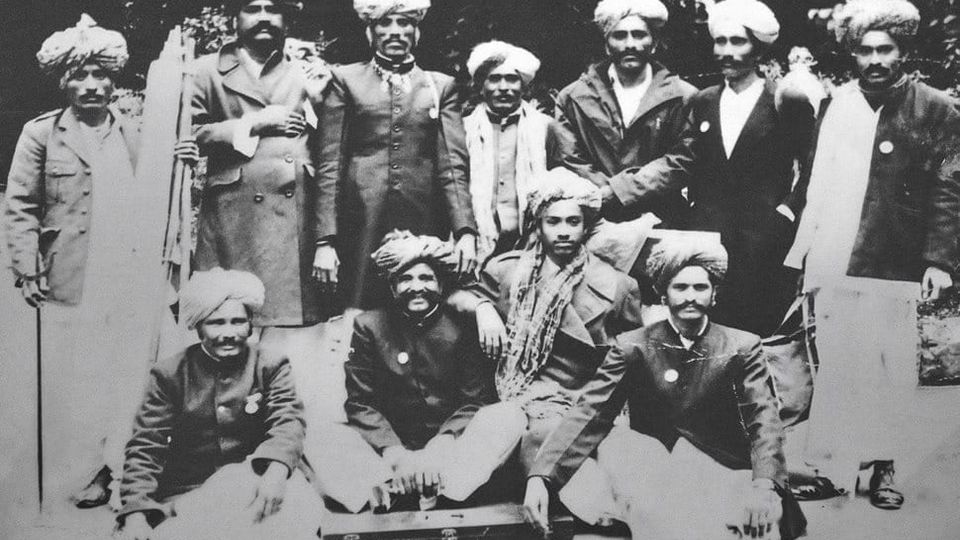 Folk musicKesariya Balam — the songs of the ManganiyarsMaand singing from the Thar, the hum of the kamaicha and the clack of the khartal.5 scenes · with music · ♥ 11
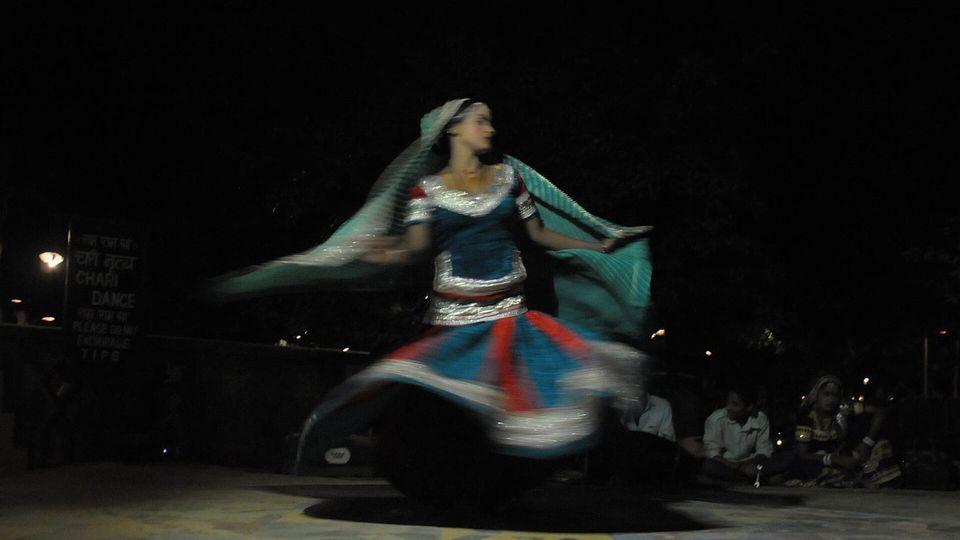 Folk danceGhoomar — the dance of the swirling skirtSwirling ghagras, flowing veils and clapping rhythms at Gangaur, Teej and weddings.3 scenes · with music · ♥ 13
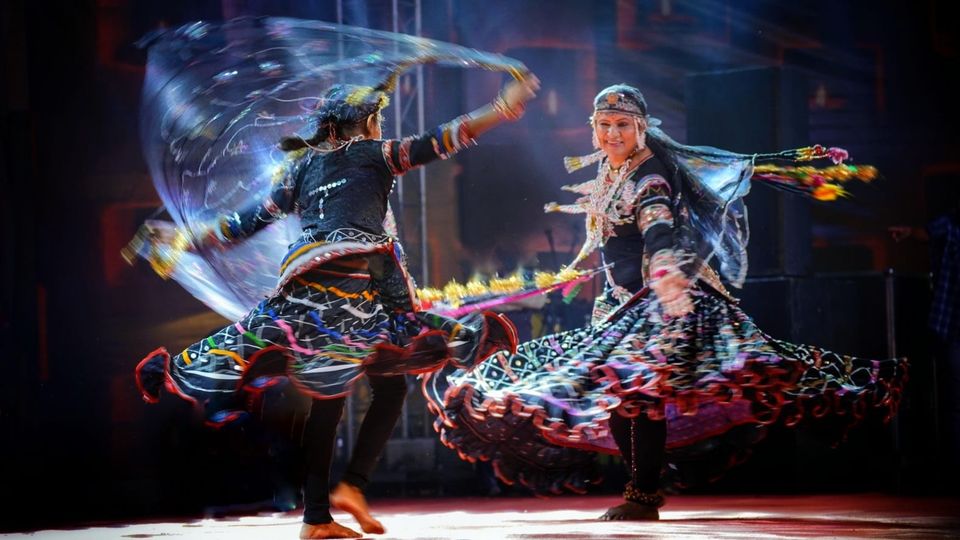 Folk danceKalbeliya — the serpent dance, a UNESCO heritageBodies sway like serpents to the pungi; on UNESCO’s intangible heritage list since 2010.4 scenes · with music · ♥ 1
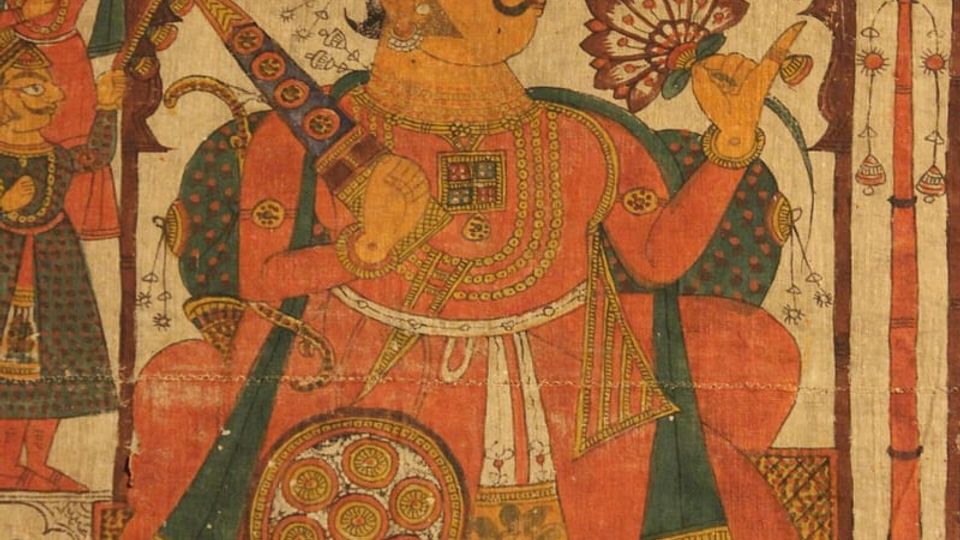 PaintingPhad and Ravanahatha — a story that travelsThrough the night, the bhopa and bhopi sing the epic of folk deities before the phad, to the ravanahatha.4 scenes · with music · ♥ 5
Photos: Jakub Hałun / Wikimedia Commons (CC BY-SA 4.0) · Jakub Hałun / Wikimedia Commons (CC BY-SA 4.0) · Yann ( talk ) / Wikimedia Commons (CC BY-SA 4.0) · Tusharkalra Tushar / Wikimedia Commons (Public domain)