Jhunjhunu Darshan — Shekhawati havelis, Mandawa, Rani Sati temple
Jhunjhunu district in Rajasthan is a region rich with cultural heritage.
TIMES of RAJASTHAN · DARSHAN
Jhunjhunu Darshan — Shekhawati havelis, Mandawa, Rani Sati temple
Jhunjhunu district in Rajasthan is a region rich with cultural heritage.
In detail
Jhunjhunu district is a district in Rajasthan, India, with its headquarters in the city of Jhunjhunu. It is known for its historic havelis, forts and cultural festivals.
Overview
Jhunjhunu district is a district of the Indian state of Rajasthan in northern India. The city of Jhunjhunu is the district headquarters.
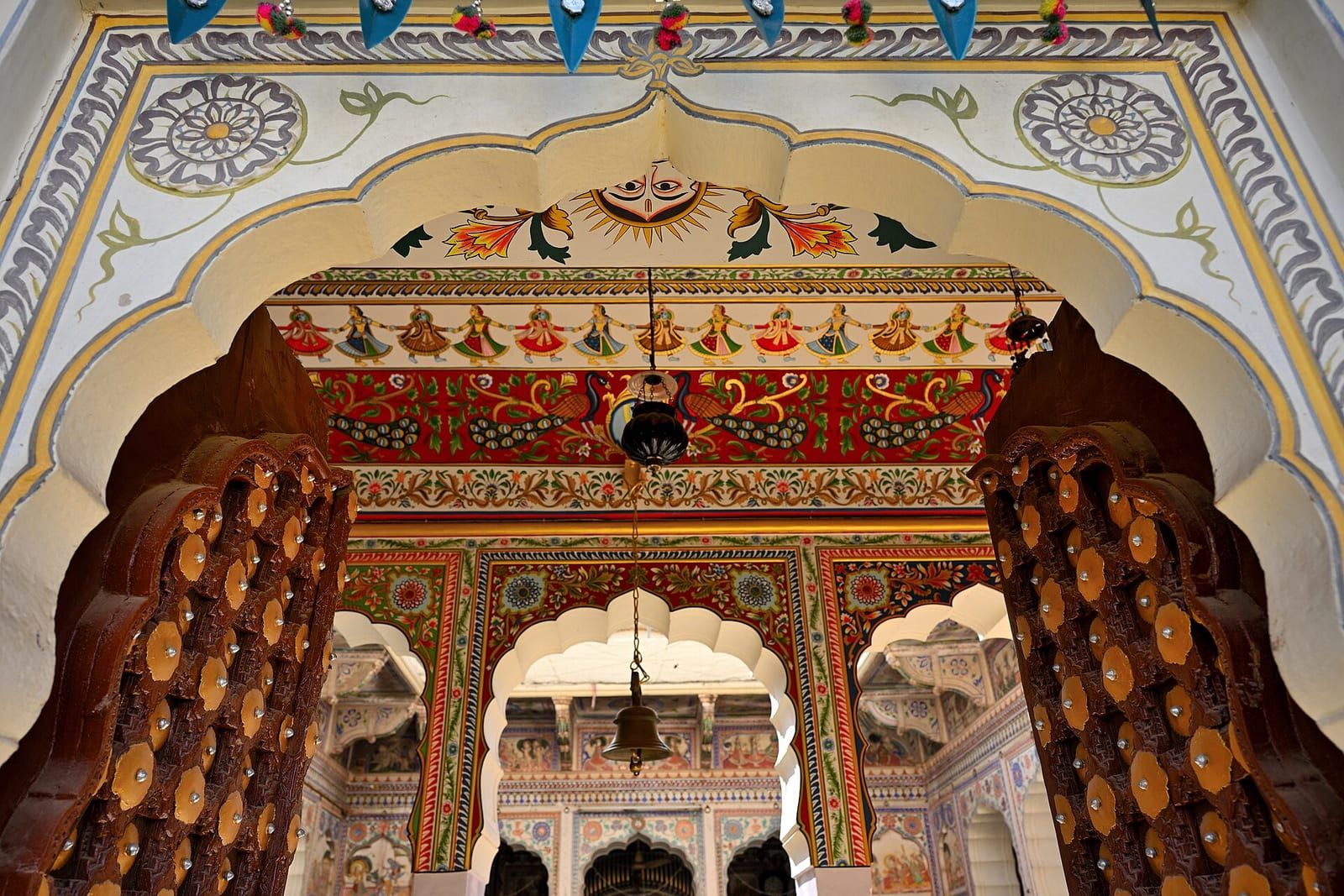
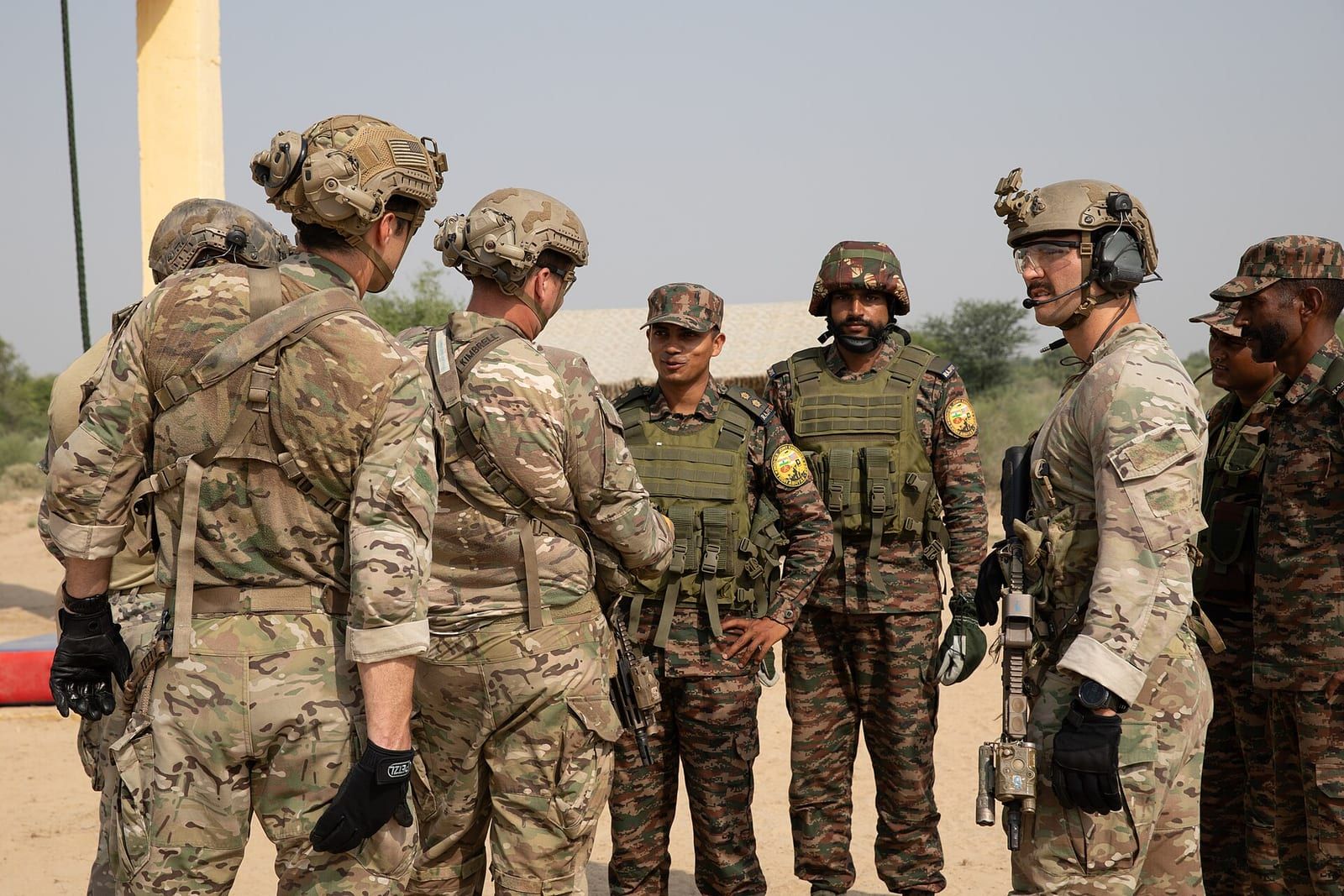
The district is famous for the frescos on its grand havelis and for providing considerable representation to Indian defense forces.
Jhunjhunu falls within the Shekhawati region, and is bounded on the northeast and east by Haryana state, on the southeast, south & southwest by Sikar district & on the northwest and north by Churu district.
Jhunjhunu is a city and municipal council in the state of Rajasthan in India. It is the administrative headquarters of the Jhunjhunu district. It is also the biggest city of the Shekhawati region, which includes Jhunjhunu, Churu and Sikar.
People and languages
Jhunjhunu district, located in Rajasthan, India, had a population of 2,139,658 according to the 2011 census. This figure is comparable to the nation of Namibia or the U.S. state of New Mexico, placing the district 214th in rank among India's 640 districts. The population density was 361 inhabitants per square kilometre, and the district experienced an 11.81% growth rate between 2001 and 2011.
The demographic profile shows a sex ratio of 950 females for every 1,000 males, and a literacy rate of 74.72%, which is considered excellent. Urban residents accounted for 22.89% of the population. Scheduled Castes and Scheduled Tribes comprised 16.88% and 1.95% of the population, respectively.
In terms of language, the primary spoken tongues are Shekhawati, a dialect of Rajasthani, and Hindi. Near the Haryana border, the language blends into Haryanvi.
The town of Jhunjhunu itself had a population of 118,473 in the 2011 census, with a literacy rate of 73.58%.
Culture, fairs and places to see
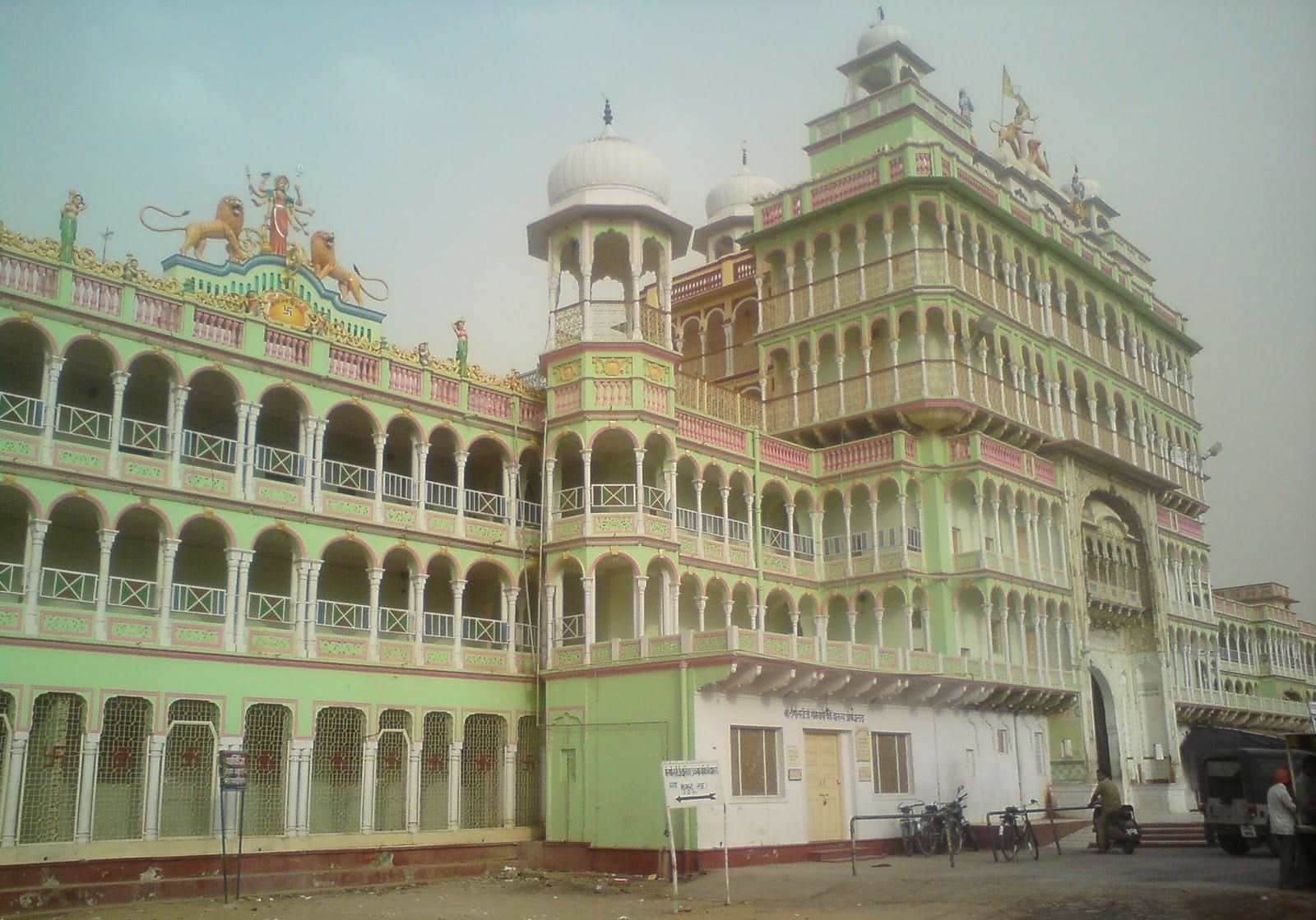
Jhunjhunu district is home to a variety of historic and architectural sites that reflect its rich cultural heritage. Among the notable places of interest are the Rani Sati Temple, Khetri Mahal, and the Alsisar Mahal located in Alsisar. The district also boasts the Tibrewala and Modi Haveli, as well as the Bissau Fort and Bissau Mahal in Bissau. In Surajgarh, visitors can explore the Surajgarh Fort, while the Shyamgarh Fort is situated within Jhunjhunu itself. The Bishangarh Fort can be found in Tamkor, and the Mandawa Fort, also known as Castle Mandawa, is located in Mandawa.
The region is further enriched by the sculpture of Raja Jujhar Singh Jat and the havelis of Nawalgarh, which showcase traditional Rajasthani architecture. The havelis and forts of Mukundgarh add to the historical tapestry of the district. Natural attractions include the Sarju Sagar Dam and Dhosi Hill, offering scenic views and recreational opportunities.
Cultural celebrations are an integral part of Jhunjhunu’s social life. The Gangaur Mela is held in both Baragaon and Bhagera, drawing participants who observe the traditional rituals associated with the festival. Additionally, the Ramdev ji Mela in Nawalgarh provides a platform for local artisans and performers to display their crafts and talents.
These sites and events collectively illustrate the district’s blend of architectural grandeur, natural beauty, and vibrant cultural practices, making Jhunjhunu a compelling destination for those interested in Rajasthan’s heritage.
Based on: the Wikipedia article (CC BY-SA 4.0) — facts from that source; edited and translated by Times of Rajasthan.
More visual stories
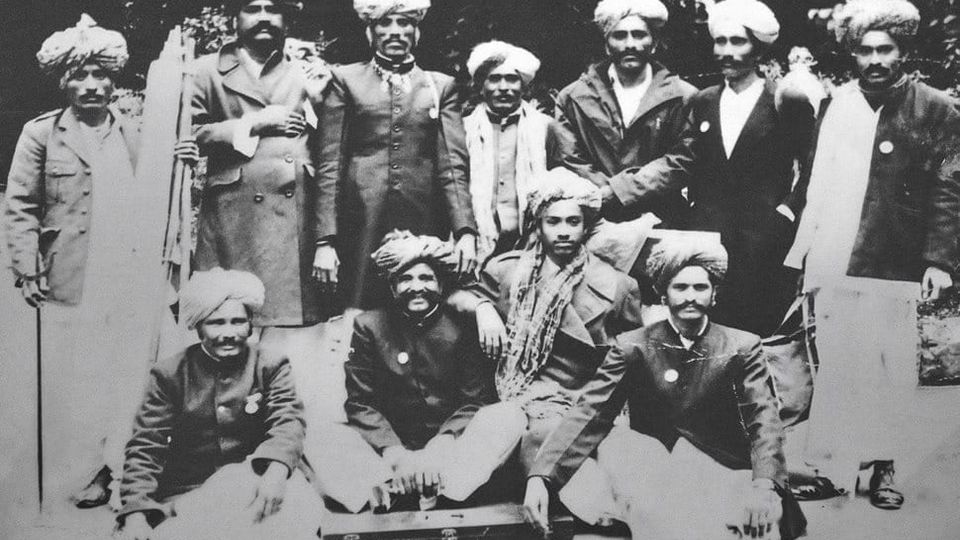 Folk musicKesariya Balam — the songs of the ManganiyarsMaand singing from the Thar, the hum of the kamaicha and the clack of the khartal.5 scenes · with music · ♥ 11
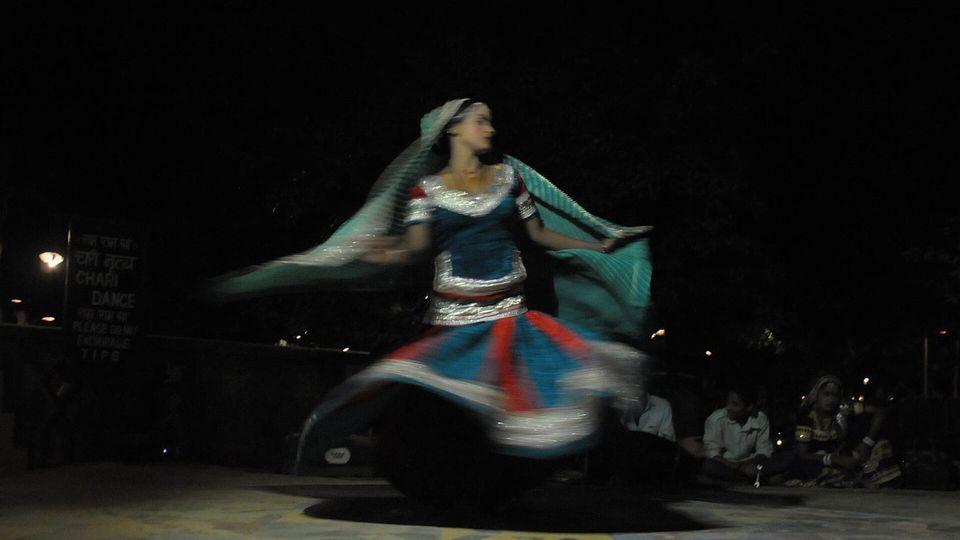 Folk danceGhoomar — the dance of the swirling skirtSwirling ghagras, flowing veils and clapping rhythms at Gangaur, Teej and weddings.3 scenes · with music · ♥ 13
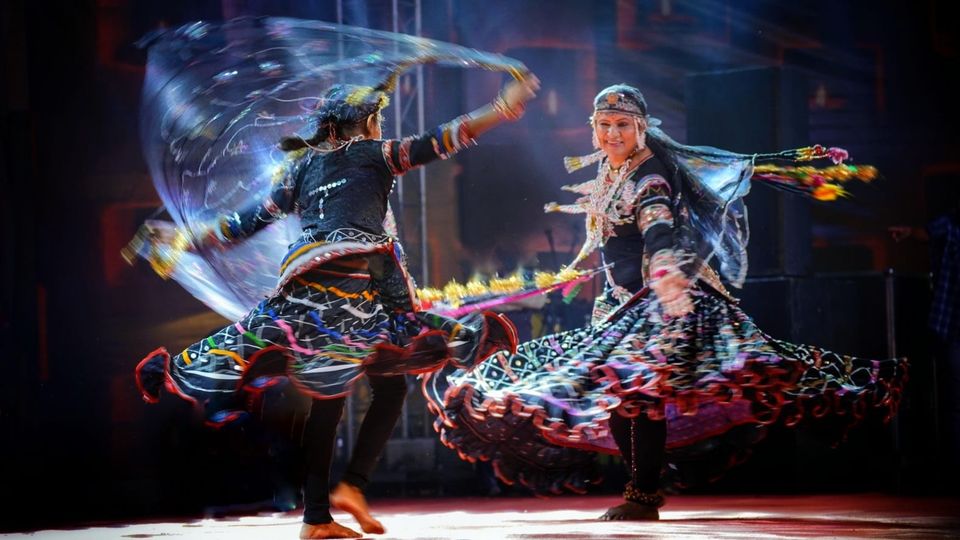 Folk danceKalbeliya — the serpent dance, a UNESCO heritageBodies sway like serpents to the pungi; on UNESCO’s intangible heritage list since 2010.4 scenes · with music · ♥ 1
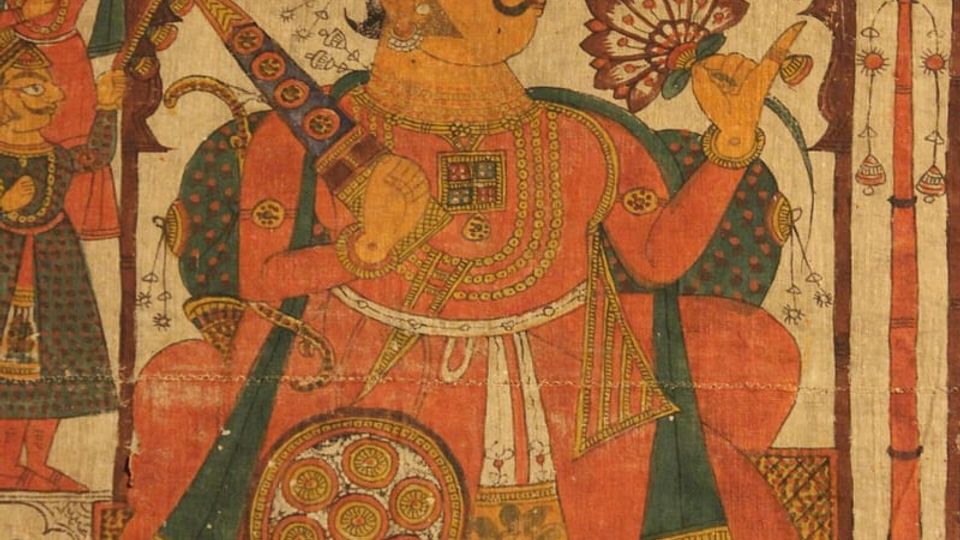 PaintingPhad and Ravanahatha — a story that travelsThrough the night, the bhopa and bhopi sing the epic of folk deities before the phad, to the ravanahatha.4 scenes · with music · ♥ 5
Photos: Sharvarism / Wikimedia Commons (CC BY-SA 4.0) · Ankit Sihag / Wikimedia Commons (CC BY-SA 4.0) · U.S. Army National Guard photo by Maj. Sarah Harris / Wikimedia Commons (Public domain)