Jaipur Darshan — Hawa Mahal, Amer Fort
Jaipur district is a vibrant cultural tapestry nestled in the heart of Rajasthan.
TIMES of RAJASTHAN · DARSHAN
Jaipur Darshan — Hawa Mahal, Amer Fort
Jaipur district is a vibrant cultural tapestry nestled in the heart of Rajasthan.
In detail
Jaipur district is a district in Rajasthan, India, with its headquarters in the city of Jaipur. It is the tenth most populous district in India.
Overview
Jaipur district is a district in the state of Rajasthan in Northern India. The city of Jaipur, which is Rajasthan's capital and the largest city, is the district headquarters. It is the tenth most populous district in India (out of 780).
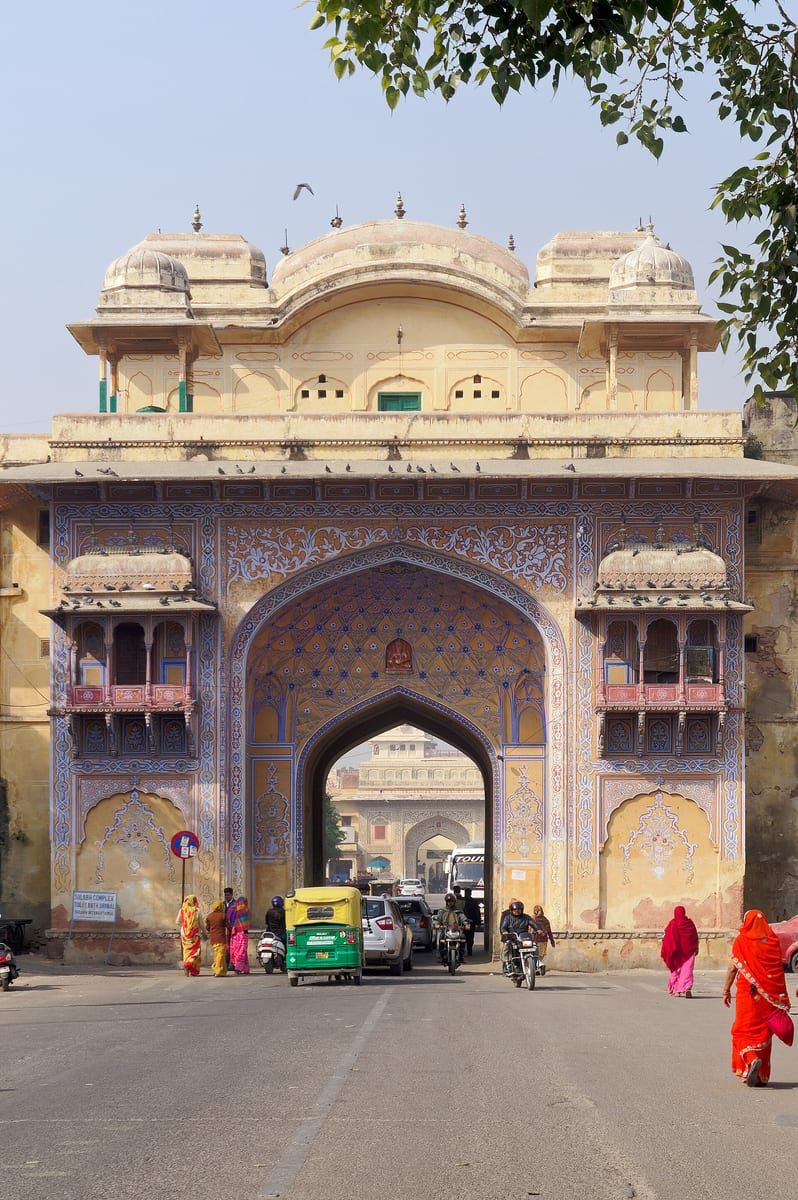
Jaipur, the capital and largest city of Rajasthan, had a population of 3.1 million as of 2011, making it the tenth most populous city in the country. Located 268 km from the national capital New Delhi, Jaipur is also known as the Pink City due to the dominant colour scheme of its buildings in the old city.
The city was founded in 1727 by Sawai Jai Singh II, the Kachhwaha Rajput ruler of Amer, after whom the city is named. It is one of the earliest planned cities of modern India, designed by Vidyadhar Bhattacharya. During the British colonial period, the city served as the capital of Jaipur State. After Indian independence in 1947, Jaipur became the capital of the newly formed state of Rajasthan in 1949.
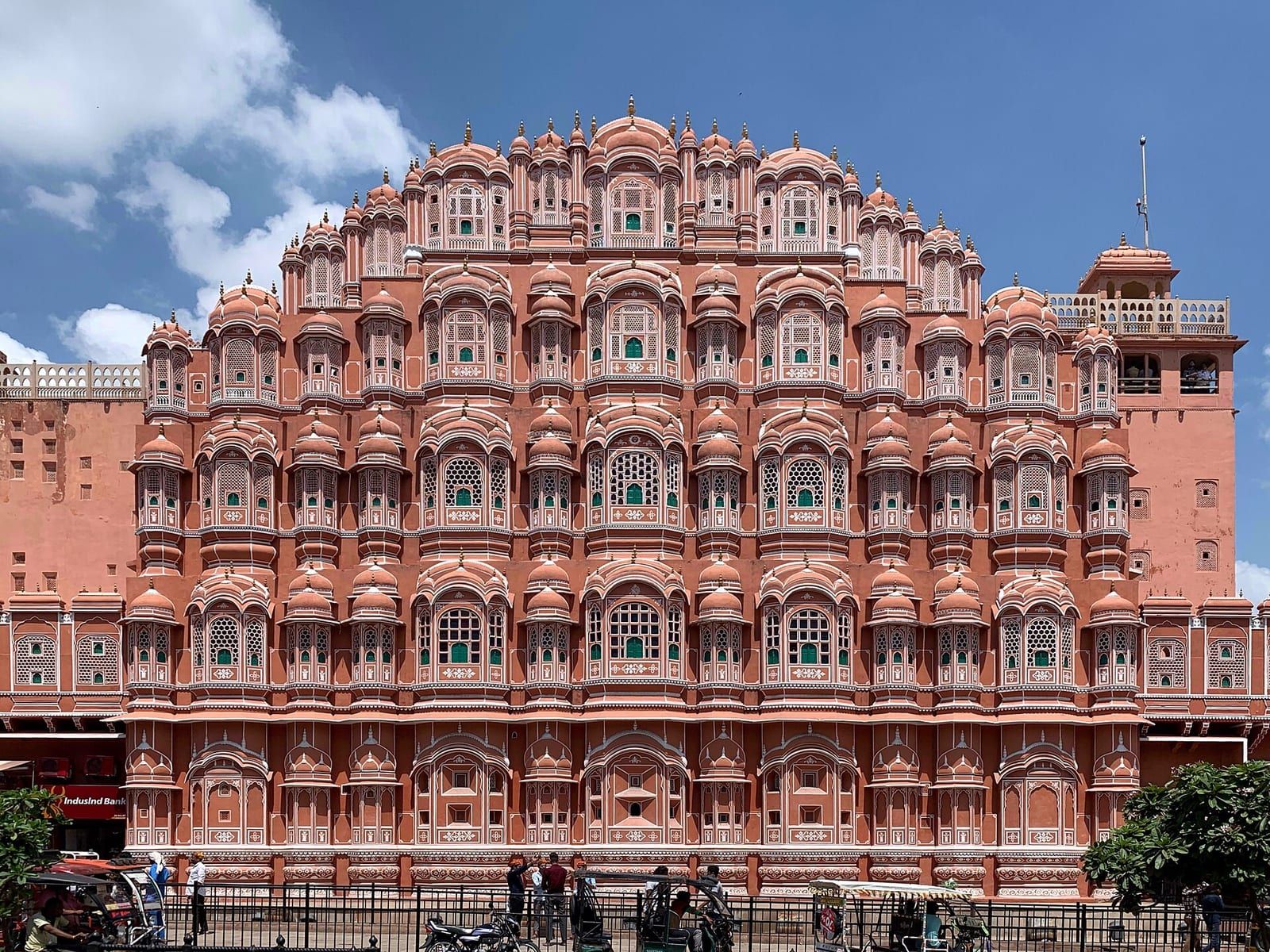
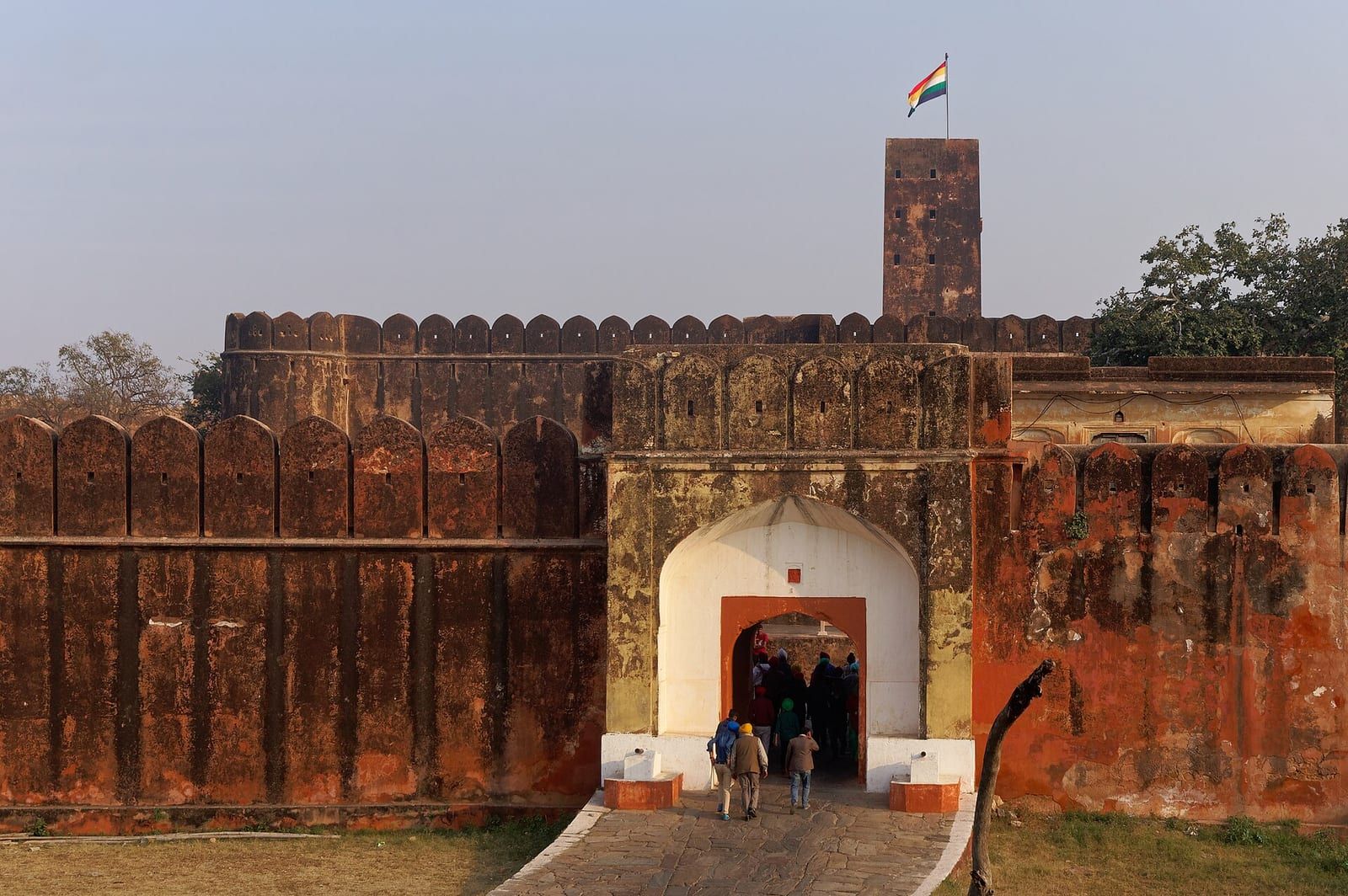
Jaipur is a popular tourist destination in India, forming a part of the Western Golden Triangle tourist circuit along with Delhi and Agra. The city serves as a gateway to other tourist destinations in Rajasthan, such as Jodhpur, Jaisalmer, Bikaner, Udaipur, Bundi, Kota, and Mount Abu; it has three World heritage sites, Amer Fort, Hawa Mahal and Jantar Mantar. On 6 July 2019, the city was placed on the World Heritage Cities list. It is also known as the Paris of India. Due to its beauty, C.V. Raman called it the "Island of Glory".
History
Jaipur district takes its name from its administrative headquarters, the city of Jaipur, which was founded in 1727 by Maharaja Sawai Jai Singh II, the ruler of Amber. The name literally means “The City of Jai,” reflecting the founder’s legacy.
The city was established on 18 November 1727 as a planned capital to replace Amber, which was becoming overcrowded and water‑scarce. Jai Singh consulted several architects and laid out Jaipur according to the principles of Vastu Shastra and Shilpa Shastra, with guidance from Vidyadhar Bhattacharya. Construction began in 1726 and the city was designed to accommodate a growing population.
During the reign of Sawai Ram Singh II, Jaipur was painted pink in 1876 to welcome Albert Edward, Prince of Wales. The pink hue has since become a distinctive feature of the city, earning it the nickname Pink City.
In the nineteenth century Jaipur expanded rapidly, reaching a population of 160,000 by 1900. Its wide boulevards were paved, and the city’s chief industries included metalwork and marble, supported by a school of art founded in 1868.
The district experienced significant flooding in August 1981 when heavy rains from a cloudburst inundated large areas, including the airport, causing eight deaths and damage to the Dravyavati River.
On 6 July 2019, Jaipur was added to the World Heritage Cities list, recognizing its cultural and historical significance.
Geography and climate
The Jaipur district lies between 26°23' and 27°51' north latitude and 74°55' and 76°50' east longitude, covering an area of 11,143 square kilometres. It accounts for about 3.26% of Rajasthan’s total area and ranks ninth in size among the state’s districts. The district extends roughly 180 kilometres from east to west and about 110 kilometres from north to south, sharing its northern boundary with Sikar district and the state of Haryana, its southern border with Tonk district, its eastern limits with Alwar, Dausa and Sawai Madhopur districts, and its western edge with Nagaur and Ajmer districts.
Geographically, Jaipur district sits on the eastern edge of the Thar Desert and is largely covered with a thick layer of soil and alluvial deposits. It is surrounded on three sides by the Aravali mountain range. Hill ranges and isolated peaks rise about 200 metres above the surrounding plains, forming part of the Aravali system. These hills originate near Sambhar Lake and continue into Jhunjhunu district. In Jaipur tehsil they are commonly called Puranaghat and Nahargarh, while in the tehsils of Kotputli, Bairath and Jamwa Ramgarh they are known as Ada Doongar, Chapa, Khan Rahori, Khan Dogota, Jaroonda, Khan Raipur and Khan Badri. The Torawati hills lie to the west of the Sabi and Banganga rivers.
The climate of Jaipur is a monsoon‑influenced hot semi‑arid type (Köppen BSh). Summers are long and extremely hot, while winters are short, mild to warm, and dry. Annual precipitation exceeds 625 millimetres, with most rainfall occurring in July and August during the southwest monsoon. These months see lower average temperatures compared to the drier May and June. Monsoon rains are frequent, heavy and accompanied by thunderstorms, but flooding is uncommon. The highest temperature recorded was 49.0 °C on 23 May 1994, and the lowest was –2.2 °C on 31 January 1905, 1 February 1905 and 16 January 1964. Between December and February, average temperatures remain below 20 °C, making these months mild, dry and pleasant, sometimes chilly.
Jaipur is also noted for its urban heat island effect, with surrounding rural temperatures occasionally falling below freezing in winter. In terms of air quality, Jaipur was ranked 33rd among “National Clean Air Cities” in India for cities with populations over 10 L.
People and languages
Jaipur district, according to the 2011 census, had a population of 6,626,178, placing it tenth among Indian districts. The population density was 598 inhabitants per square kilometre, and the growth rate over the decade 2001–2011 was 26.91%. The sex ratio stood at 909 females for every 1,000 males, while the overall literacy rate was 76.44%. Just over half of the residents, 52.40%, lived in urban areas, and Scheduled Castes and Scheduled Tribes comprised 15.14% and 7.97% of the population respectively.
In the same census, the linguistic profile of the district showed that 45.85% of people spoke Hindi, 34.44% Rajasthani, 11.31% Dhundari, 2.74% Urdu, 2.52% Marwari, 1.21% Sindhi, 0.42% Punjabi and 0.41% Bengali as their first language. These figures reflect a diverse linguistic landscape with Hindi and Rajasthani as the dominant languages.
The Jaipur Municipal Corporation, covering the city itself, recorded 5,99,507 households and a population of 3,046,163. Of these, 3,87,354 (12.72%) were under the age of seven. The city’s sex ratio was 900 females per 1,000 males, and the literacy rate for those aged seven and above was 83.33%. Scheduled Castes and Scheduled Tribes accounted for 12.88% and 3.78% of the municipal population.
Officially, Hindi is the language of administration in Jaipur, with English serving as an additional official language. The native and main dialect spoken in the city is Dhundari, while Marwari and Standard Hindi dialects are also used, alongside English. In the 2011 census of the city, 69.69% of residents reported Hindi as their first language, followed by 9.85% Rajasthani, 5.86% Urdu, 4.36% Marwari, 3.93% Dhundari, and 2.54% Sindhi.
Administration
Jaipur district, as the state capital, is governed by a Legislative Assembly that oversees the city’s administration. The district is divided into thirteen sub‑divisions, including Jaipur, Amber, Bassi, Chaksu, Chomu, Mauzmabad, Jamwa Ramgarh, Phagi, Phulera, Kotputli, Sanganer, Shahpura, and Viratnagar. These sub‑divisions are further organized into Panchayat Samitis such as Amber, Bassi, Chaksu, Govindgarh, Dudu, Jamwa Ramgarh, Phagi, Sambhar, Jhotwara, Kotputli, Shahpura, Sanganer, and Viratnagar, which manage local governance at the block level.
The district’s tehsil structure has expanded from thirteen to sixteen, with new tehsils added recently. The current tehsils are Amber, Bassi, Chaksu, Chomu, Dudu, Jamwa Ramgarh, Phagi, Sambhar, Jaipur, Kotputli, Shahpura, Sanganer, Viratnagar, Kot Khawada, Kishangarh‑Renwal, Mauzamabad, and Paota. This reorganisation aims to streamline administrative processes and improve service delivery across the district.
Urban planning and municipal services are coordinated by the Jaipur Development Authority, the principal planning body for the city. The Jaipur Municipal Corporation (JMC) was established in 1994 and covers an area of 467 km². In 2020, JMC was split into Greater Jaipur Municipal Corporation and Jaipur Heritage Municipal Corporation, comprising 150 and 100 wards respectively. The two corporations were merged again in 2025 to form a single body with 150 wards. The most recent municipal elections took place in September 2026, with results still pending. The municipal commissioner and a team of officials manage the day‑to‑day administrative duties.
The combined municipal budget for 2025–26 is estimated at ₹2,692.20 crore (US$280 million). Revenue for the corporation is primarily derived from taxes, including house tax, urban development tax, and octroi compensation, as well as various fees and user charges. Law and order within the city is maintained by the Jaipur city police, operating under the Rajasthan state department. Civil and criminal matters are adjudicated in the district and sessions court located in Jaipur.
Politically, Jaipur district is represented by two parliamentary constituencies: Jaipur and Jaipur Rural. The Jaipur Lok Sabha constituency comprises eight legislative assembly segments, all of which are partially situated within Jaipur city.
Culture, fairs and places to see
Jaipur is a major tourist destination in India forming part of the Golden Triangle. In the 2008 Conde Nast Traveller Readers Choice Survey, Jaipur was ranked the seventh best place to visit in Asia, and in TripAdvisor's 2015 Traveller's Choice Awards it was ranked first among Indian destinations for that year. The Presidential Suite at the Raj Palace Hotel, billed at US$45,000 per night, was listed in second place on CNN's World's 15 most expensive hotel suites in 2012. Jaipur was also ranked eighth in "The Top 15 Cities in Asia".
The Jaipur Exhibition & Convention Centre (JECC) is Rajasthan's biggest convention and exhibition centre. Visitor attractions include the Albert Hall Museum, Hawa Mahal, Jal Mahal, City Palace, Amer Fort, Jantar Mantar, Nahargarh Fort, Jaigarh Fort, Birla Mandir, Galtaji, Govind Dev Ji Temple, Garh Ganesh Temple, Moti Dungri Ganesh Temple, Gator Chhatri, Sanghiji Jain temple and the Jaipur Zoo. The Jantar Mantar observatory, a collection of 19 astronomical instruments, and Amer Fort are World Heritage Sites. Hawa Mahal is a five‑storey pyramidal shaped monument with 953 windows that rises 15 metres from its high base. Sisodiya Rani Bagh and Kanak Vrindavan are the major parks in Jaipur, and Sambhar Lake lies about 56 kilometres from the city.
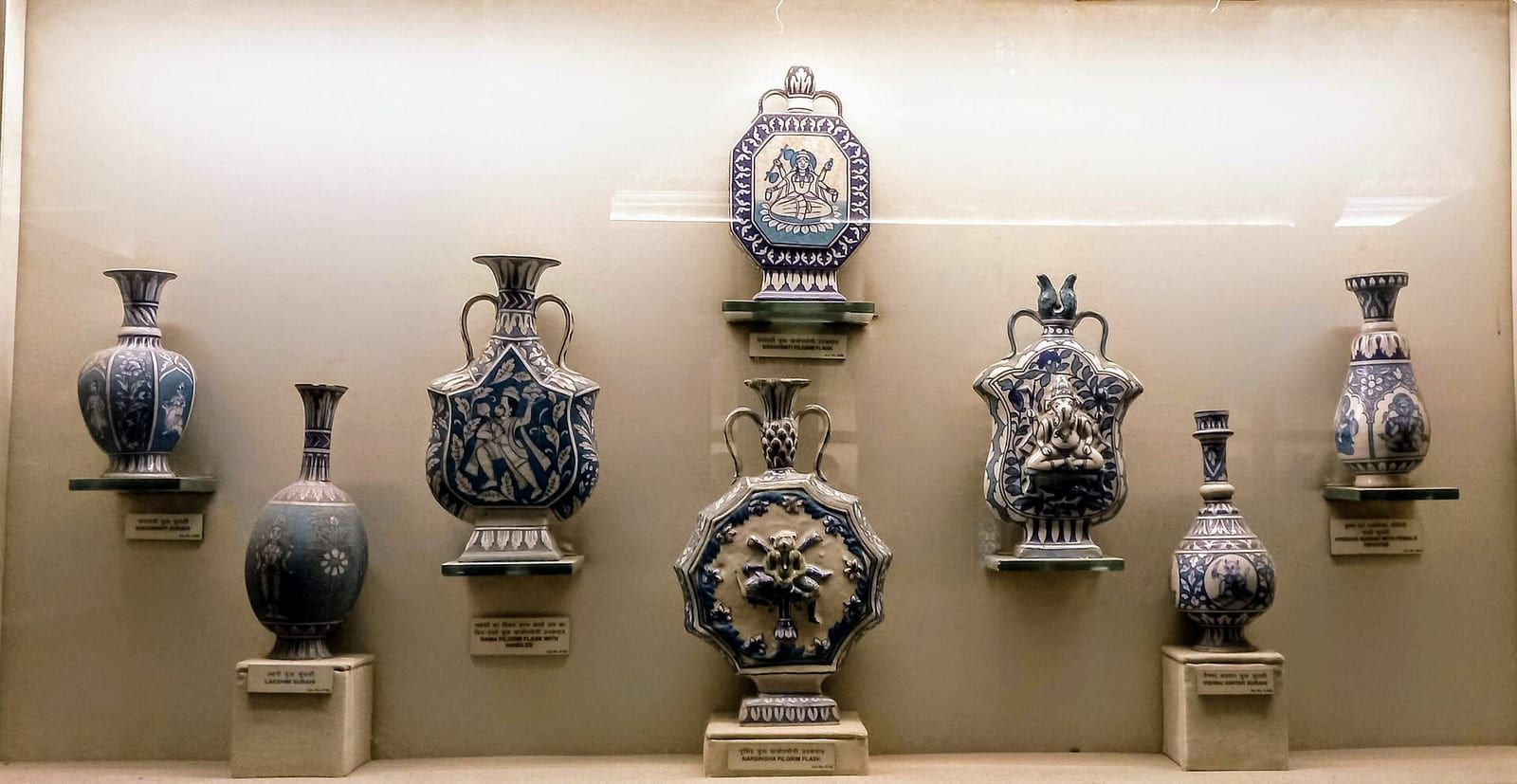
Jaipur’s cultural life is enriched by sites such as Jawahar Kala Kendra, established by Charles Correa and Ravindra Manch, and the Government Central Museum, which hosts several art and antiquities. A government museum at Hawa Mahal and an art gallery at Viratnagar add to the city’s artistic heritage. Statues depicting Rajasthani culture are found around the city, and traditional shops sell antiques and handicrafts alongside contemporary brands that revive traditional techniques, such as Anokhi. The prior rulers of Jaipur patronised arts and crafts, inviting skilled artisans, artists and craftsmen from India and abroad to settle in the city. Crafts include bandhani, block printing, stone carving and sculpture, tarkashi, zari, gota‑patti, kinari and zardozi, silver jewellery, gems, kundan, meenakari and jewellery, Lakh ki Chudiya, miniature paintings, blue pottery, ivory carving, shellac work and leather ware.
Performing arts thrive in Jaipur. The Jaipur Gharana of Kathak is one of the three gharanas of the major north Indian classical dance form, known for rapid intricate dance forms, vivacious body movements and subtle Abhinaya. The Ghoomar is a popular folk dance style, and Tamasha is an art form where Kathputli puppet dance is shown in play form. Major festivals celebrated in Jaipur include Elephant Festival, Gangaur, Makar Sankranti, Holi, Diwali, Vijayadashami, Teej, Eid, Mahavir Jayanti and Christmas. The Jaipur Literature Festival, the world’s largest free literature festival, attracts authors, writers and literature lovers from all over the country.
In popular culture, Paul McCartney wrote and recorded the Jaipur tribute song "Riding into Jaipur" on his 2001 studio album Driving Rain. Jaipur is the setting for the film The Best Exotic Marigold Hotel and its sequel, The Second Best Exotic Marigold Hotel, which follow the adventures of senior European immigrants who retire to Jaipur. The opening song of the Mountain Goats' 2000 album The Coroner's Gambit, "Jaipur," describes the narrator’s arrival at "the gates of the fabled pink city."
Education and transport
Jaipur International Airport, situated in the southern suburb of Sanganer, lies 13 km from the city centre and is the 13th busiest airport in India by daily scheduled flight operations. In the 2015–2016 period it handled 363,899 international and 2,540,451 domestic passengers, and it also provides air cargo services. The airport, granted international status on 29 December 2005, has an apron that can accommodate 14 aircraft and a new integrated terminal building that can handle up to 1,000 passengers at peak hours.
Rail connectivity is anchored by Jaipur Junction railway station, built in 1875 and located at the centre of Rajasthan. The station serves almost 35,000 passengers daily and is the busiest in the state, with more than 45,000 passengers reported in recent figures. The current station building’s cornerstone was laid on 4 May 1956 by Maharaja Sawai Man Singh II, and its construction took three years. Jaipur Junction is the headquarters of the Jaipur Railway division and the North Western Railway Zone of Indian Railways, and it harnesses solar energy technology to power its operations.
The Jaipur Metro began commercial operation on 3 June 2015. Phase 1A, a mostly elevated line of 9.63 kilometres from Mansarovar to Chandpole Bazaar, was completed in 2014 and opened in June 2015. Phase 1B, running from Chandpole to Badi Chaupar, began operation on 23 September 2020 after construction that cost an estimated ₹97.32 billion. The metro system is India's sixth metro rail system and is the first in India to run on a triple‑storey elevated road and track.
Road transport links Jaipur to major cities via National Highway No.48, which connects Delhi and Mumbai, and National Highway 52, which links Jaipur with Kota. National Highway 21 connects Jaipur with Agra. The Rajasthan State Road Transport Corporation operates bus services to major cities in Rajasthan and other states, while Jaipur City Transport Services Limited runs more than 400 regular and low‑floor city buses from depots at Vaishali Nagar, Vidyadhar Nagar, and Sanganer. Jaipur BRTS, approved in August 2006, is managed by JCSTL and has proposed North‑South and East‑West corridors, with a section of the North‑South Corridor operational since 2010.
Education in Jaipur is served by a range of institutions governed by the Central Board of Secondary Education, the Board of Secondary Education, Rajasthan, and the International Board of Education, following a 10+2 plan. The city hosts notable universities such as the University of Rajasthan, Rajasthan University of Health Sciences, and the Rajasthan Sanskrit University, among others. Admission to engineering colleges affiliated with Rajasthan Technical University is conducted through the Rajasthan Engineering Admission Process. The educational landscape also includes specialized institutions like the National Institute of Ayurveda and the Sawai Man Singh Medical College, reflecting Jaipur’s diverse academic offerings.
Based on: the Wikipedia article (CC BY-SA 4.0) — facts from that source; edited and translated by Times of Rajasthan.
More visual stories
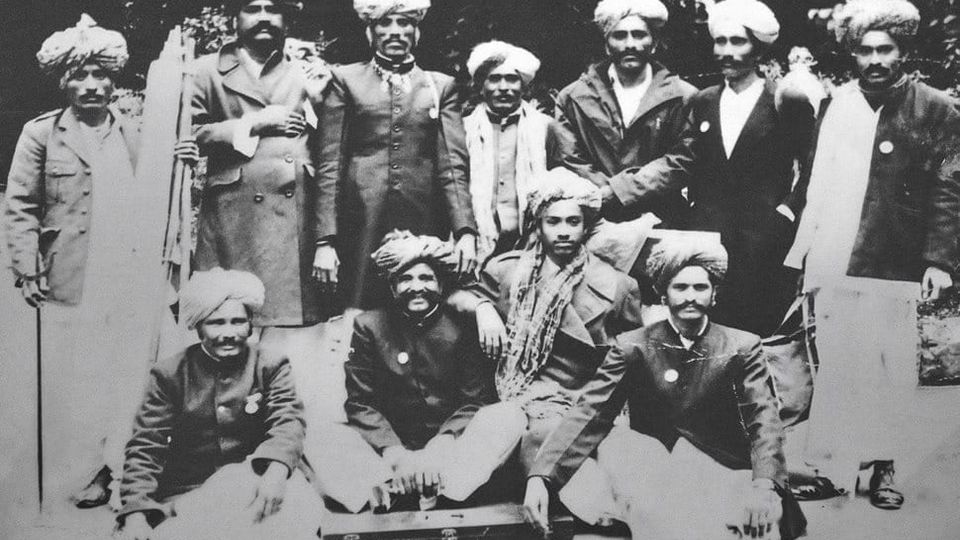 Folk musicKesariya Balam — the songs of the ManganiyarsMaand singing from the Thar, the hum of the kamaicha and the clack of the khartal.5 scenes · with music · ♥ 11
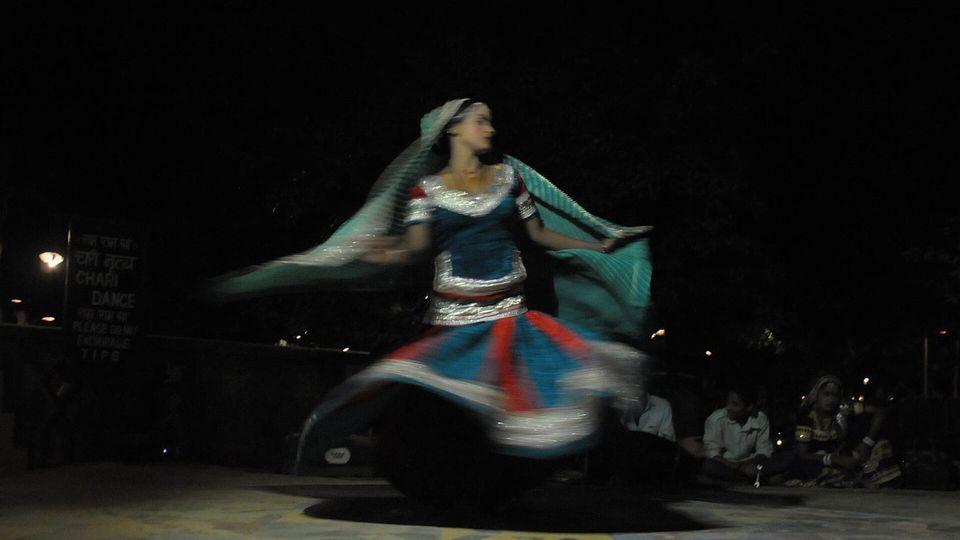 Folk danceGhoomar — the dance of the swirling skirtSwirling ghagras, flowing veils and clapping rhythms at Gangaur, Teej and weddings.3 scenes · with music · ♥ 13
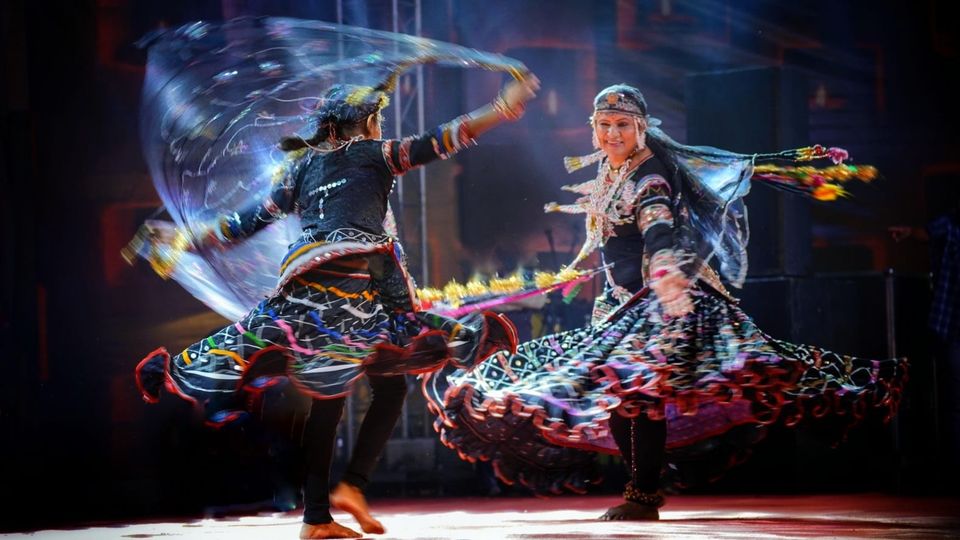 Folk danceKalbeliya — the serpent dance, a UNESCO heritageBodies sway like serpents to the pungi; on UNESCO’s intangible heritage list since 2010.4 scenes · with music · ♥ 1
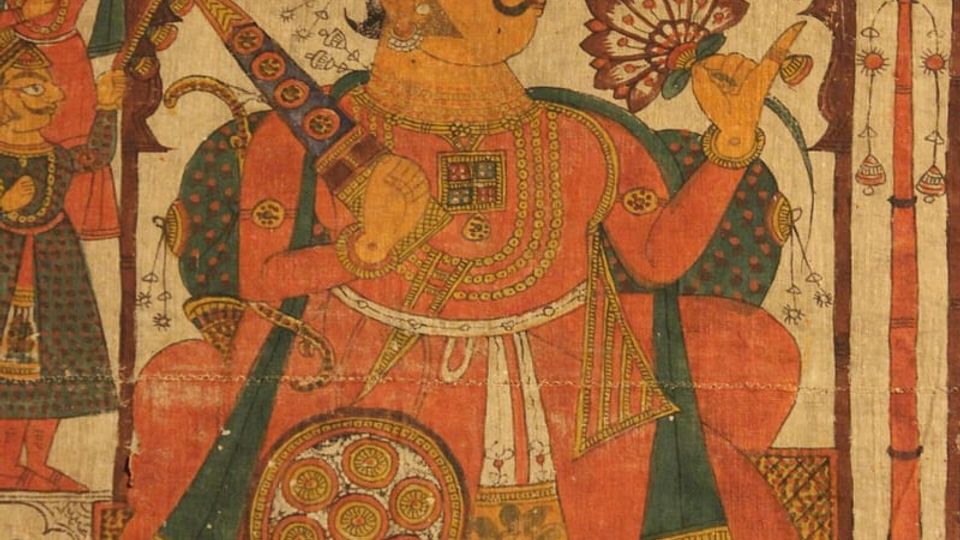 PaintingPhad and Ravanahatha — a story that travelsThrough the night, the bhopa and bhopi sing the epic of folk deities before the phad, to the ravanahatha.4 scenes · with music · ♥ 5
Photos: Chainwit. / Wikimedia Commons (CC BY-SA 4.0) · Jakub Hałun / Wikimedia Commons (CC BY-SA 4.0) · Jakub Hałun / Wikimedia Commons (CC BY-SA 4.0) · Neek-Theri / Wikimedia Commons (CC BY-SA 4.0)