Hanumangarh Darshan — Bhatner Fort, Kalibangan (Indus Valley)
Hanumangarh district in Rajasthan blends history, culture and natural scenery in a vibrant setting.
TIMES of RAJASTHAN · DARSHAN
Hanumangarh Darshan — Bhatner Fort, Kalibangan (Indus Valley)
Hanumangarh district in Rajasthan blends history, culture and natural scenery in a vibrant setting.
In detail
Hanumangarh district is located in the extreme north of Rajasthan, India, with its headquarters in the city of Hanumangarh. The district was created on 12 July 1994 and has a population of 1,774,692 according to the 2011 census.
Overview
Hanumangarh district is situated in the northern part of Rajasthan, India, with the city of Hanumangarh serving as both the district headquarters and its largest urban centre. The district’s location places it within the broader northern region of the state, linking it geographically to nearby areas while remaining distinct as an administrative unit.
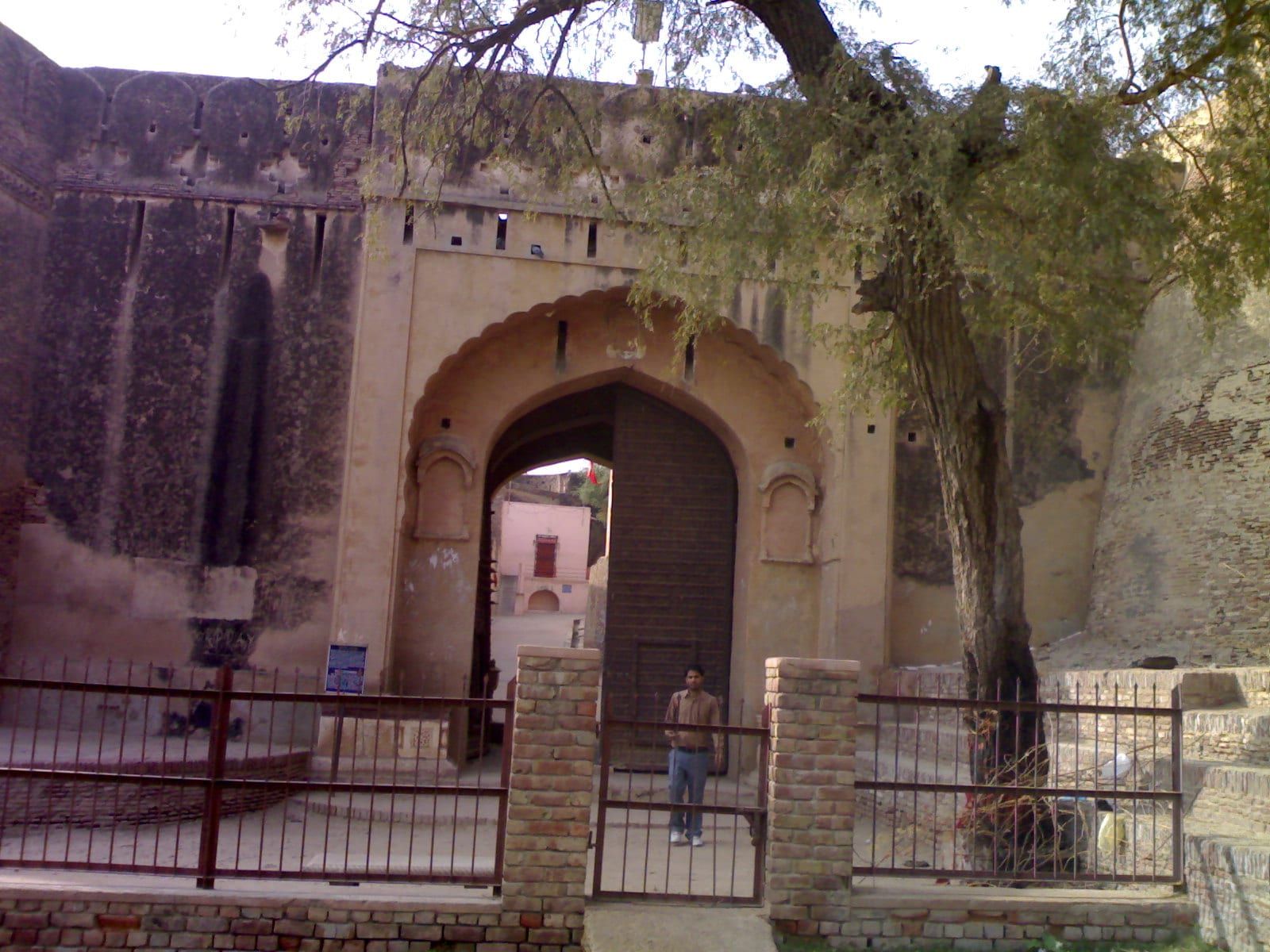
The city of Hanumangarh lies on the banks of the Ghaggar River, approximately 400 kilometres from Delhi. Historically, the settlement was known as Bhatner, a name derived from its founding by King Bhupat in 255 AD. Over the centuries, the town came under the control of the Bhati clan of Rajputs, reflecting the region’s feudal heritage.
In 1391, Bhatner experienced a notable siege by the forces of Timur. During this conflict, the Bhati ruler Dulachand briefly lost the fort, which was subsequently taken over by Rao Jetsa of Bikaner. These events underscore the strategic importance of the location and its fortifications throughout medieval history.
People and languages
Hanumangarh district is linguistically diverse, with the 2011 census reporting that 59.48% of residents identified Rajasthani as their first language, making it the most widely spoken tongue in the area. Punjabi follows, spoken by 17.97% of the population, and is especially prevalent in the northern tehsils of Sangaria, Hanumangarh, and Pilibanga, where the Malwayi dialect is the most common form. Bagri is the mother tongue for 12.87% of inhabitants, while Hindi accounts for 6.59% and Marwari for 0.94%.
Punjabi enjoys a strong educational presence; it is taught as a language subject in many schools and is chosen by students up to postgraduate level. In addition to Punjabi, the Saraiki language is spoken by Arora Hindu and Rai Sikh communities who migrated from Pakistan after Partition. Hindi serves as the official language of the district, with English designated as an additional official language.
The district’s demographic profile shows a population of 1,774,692 in 2011, a sex ratio of 906 females per 1,000 males, and a literacy rate of 68.37%. Urban residents constitute 19.75% of the total, while Scheduled Castes and Scheduled Tribes make up 27.85% and 0.81% respectively. These figures provide context for the linguistic landscape, reflecting the varied cultural and social composition of Hanumangarh’s inhabitants.
Based on: the Wikipedia article (CC BY-SA 4.0) — facts from that source; edited and translated by Times of Rajasthan.
More visual stories
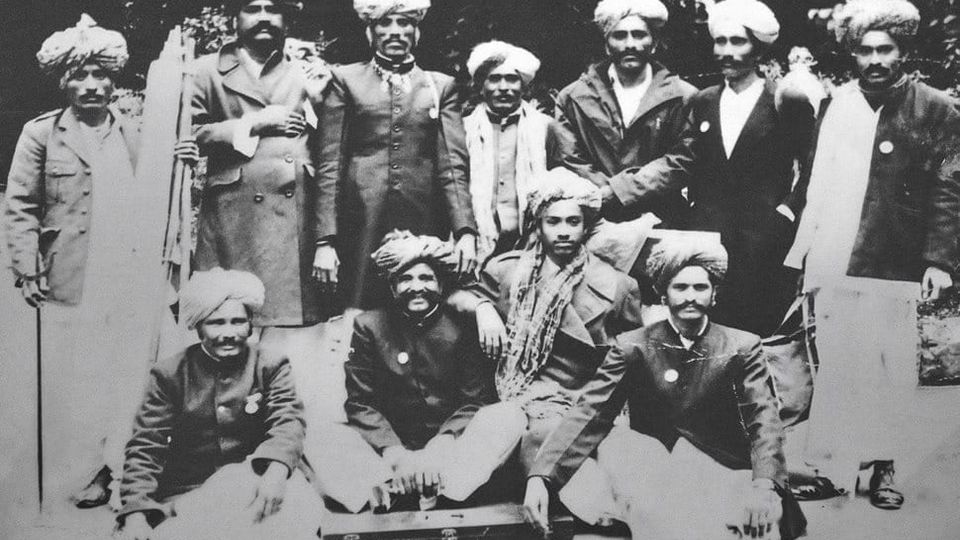 Folk musicKesariya Balam — the songs of the ManganiyarsMaand singing from the Thar, the hum of the kamaicha and the clack of the khartal.5 scenes · with music · ♥ 11
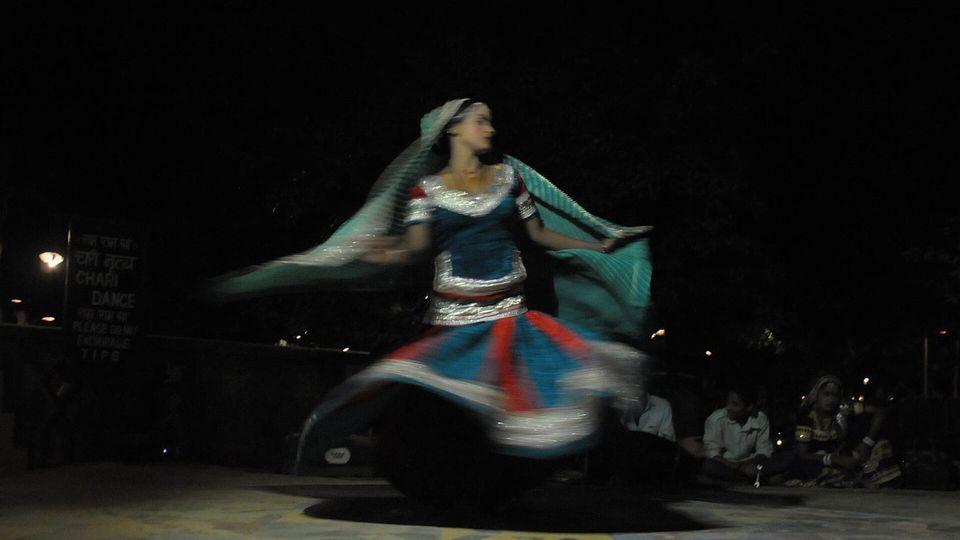 Folk danceGhoomar — the dance of the swirling skirtSwirling ghagras, flowing veils and clapping rhythms at Gangaur, Teej and weddings.3 scenes · with music · ♥ 13
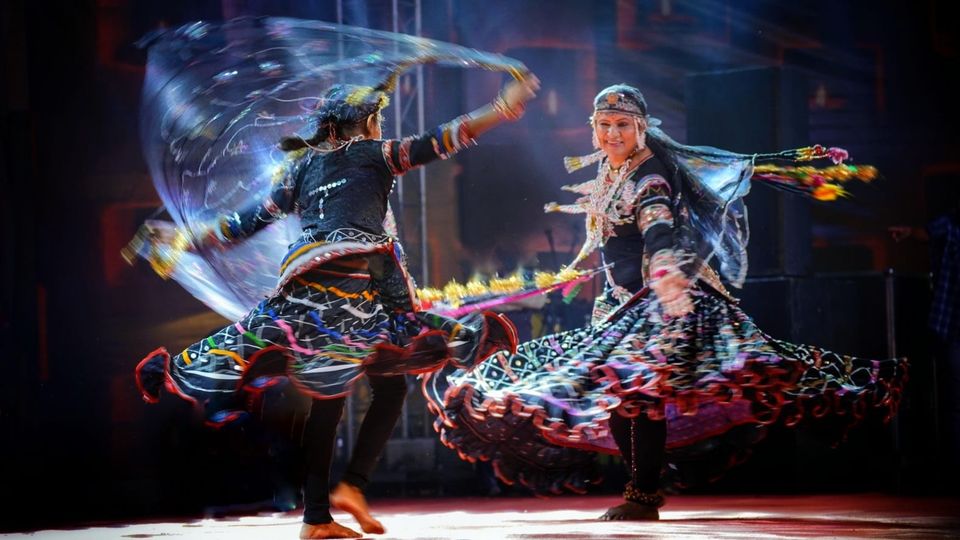 Folk danceKalbeliya — the serpent dance, a UNESCO heritageBodies sway like serpents to the pungi; on UNESCO’s intangible heritage list since 2010.4 scenes · with music · ♥ 1
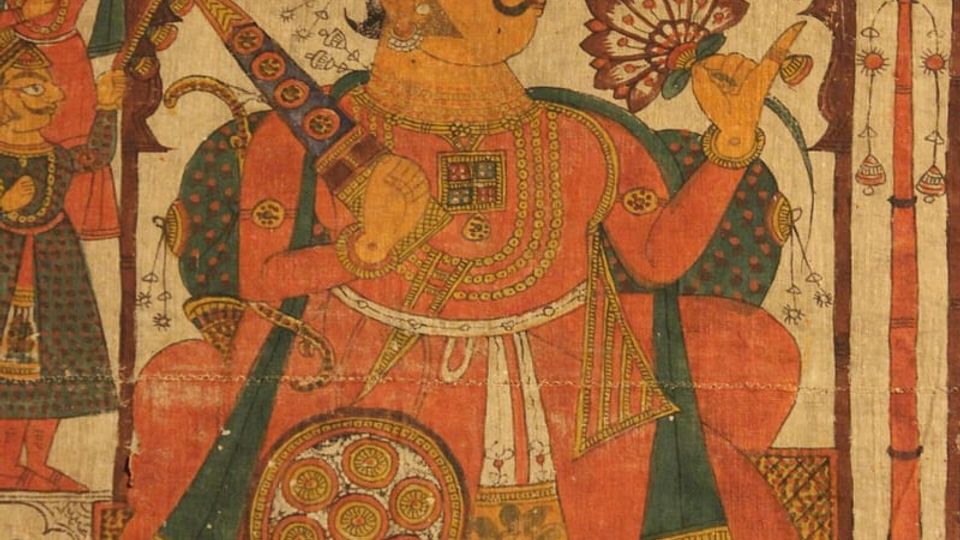 PaintingPhad and Ravanahatha — a story that travelsThrough the night, the bhopa and bhopi sing the epic of folk deities before the phad, to the ravanahatha.4 scenes · with music · ♥ 5
Photos: Harish Soni ( User:Shemaroo ) / Wikimedia Commons (CC BY 3.0) · Merikanto / Wikimedia Commons (CC BY 4.0)