Didwana-Kuchaman Darshan — Kuchaman Fort, Didwana salt lake
Didwana-Kuchaman district is a blend of cultural heritage and natural beauty in the heart of Rajasthan.
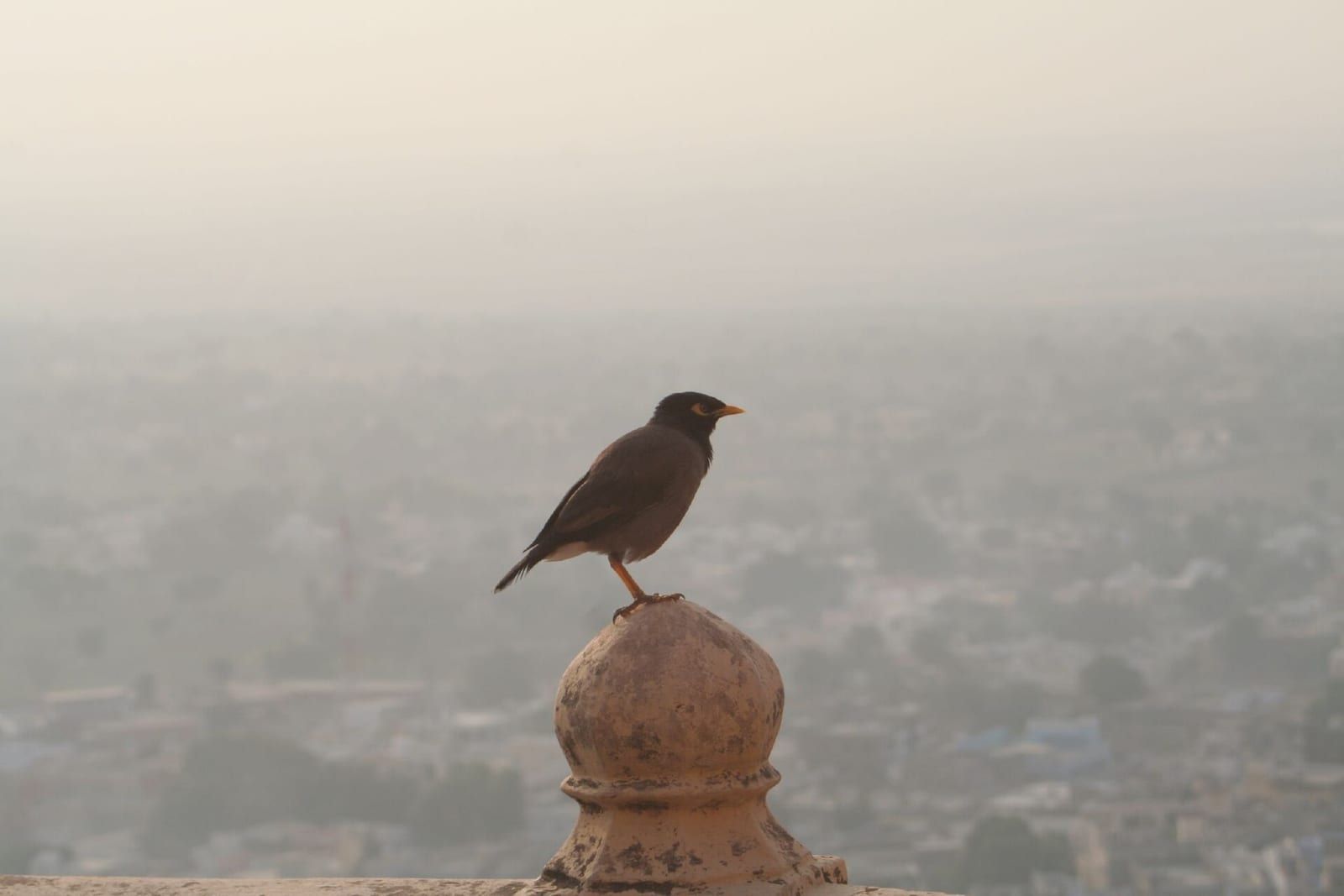
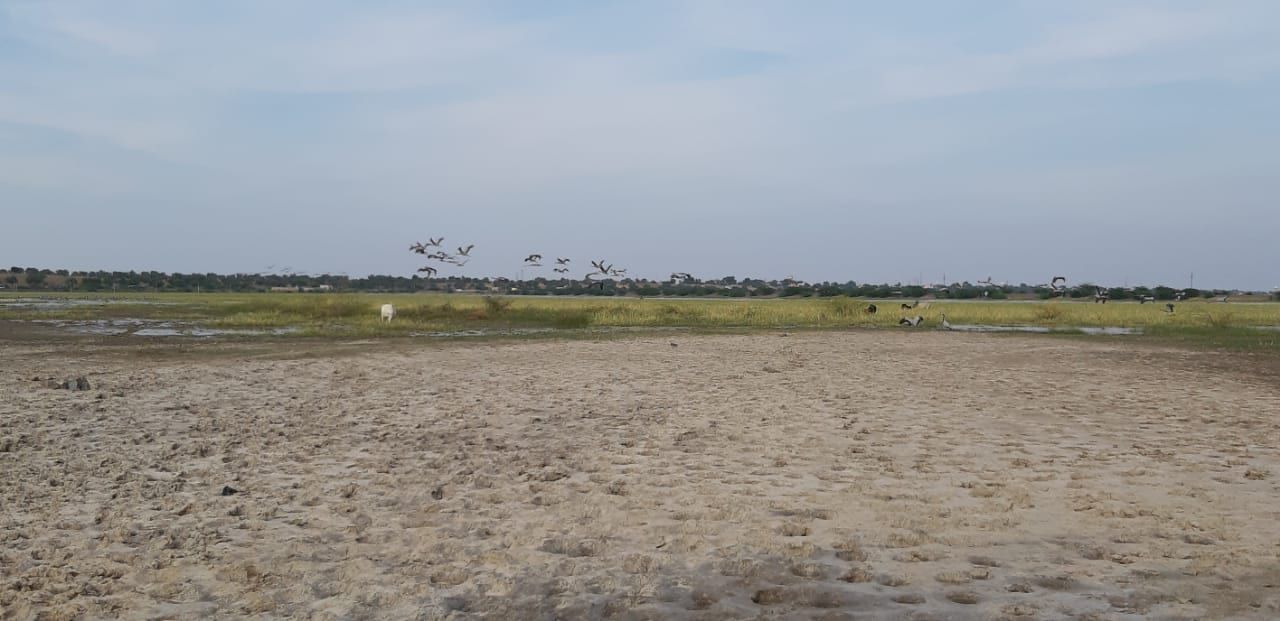
TIMES of RAJASTHAN · DARSHAN
Didwana-Kuchaman Darshan — Kuchaman Fort, Didwana salt lake
Didwana-Kuchaman district is a blend of cultural heritage and natural beauty in the heart of Rajasthan.
In detail
Didwana‑Kuchaman district in Rajasthan was created on 7 August 2023 with Didwana city as its headquarters, which is famed as the “lion gateway” of Marwar and the “archway” of Merta. The city, mentioned in the Puranic texts Abhanagri and Upakashi, lies north of Didwana Salt Lake and was a sub‑district of Nagaur until 4 August 2023, while its residents speak Marwadi.
Overview
Didwana‑Kuchaman district is a newly formed administrative unit in the Indian state of Rajasthan, with its headquarters located in the city of Didwana. The district came into existence on 7 August 2023, marking a recent reorganisation of the state's territorial divisions.
Didwana, the district’s central city, has historically been known as “the lion gateway” of Marwar and “the archway” of Merta. It is referenced in Puranic literature, including the texts Abhanagri and Upakashi, underscoring its cultural significance in the region. Geographically, the city lies on the northern side of the Didwana Salt Lake, a notable local landmark.
Prior to its elevation to district status, Didwana functioned as a subdistrict within Nagaur district. The transition to a separate district was formalised on 4 August 2023, shortly before the district’s official establishment date. The local population primarily communicates in Marwadi, a dialect of the Rajasthani language, reflecting the linguistic heritage of the area.
People and languages
The 2011 census recorded that the majority of residents in Didwana‑Kuchaman district speak Rajasthani as their first language, accounting for 77.70 % of the population. A significant minority, 17.48 %, reported Marwari as their mother tongue, while Urdu and Hindi were spoken by 2.40 % and 2.20 % respectively. These linguistic figures reflect the region’s cultural composition, with Rajasthani and its dialects forming the dominant linguistic landscape.
Religious affiliation in the district is predominantly Hindu, with Muslims forming a notable community primarily concentrated in urban centres. In several towns, such as Makrana, Muslims constitute the local majority, illustrating a pattern of religious distribution that aligns with urban settlement.
The district’s overall demographic profile from the 2011 census shows a population of 1,625,837, a sex ratio of 954 females per 1,000 males, and an urban residency rate of 22.13 %. Scheduled Castes represent 20.10 % of the population, while Scheduled Tribes comprise 0.42 %. By 2021, the town of Didwana alone had a population of 492,284, with a literacy rate of 70 % for males and 54 % for females, and 17 % of its residents were under six years of age.
Based on: the Wikipedia article (CC BY-SA 4.0) — facts from that source; edited and translated by Times of Rajasthan.
More visual stories
 Folk musicKesariya Balam — the songs of the ManganiyarsMaand singing from the Thar, the hum of the kamaicha and the clack of the khartal.5 scenes · with music · ♥ 11
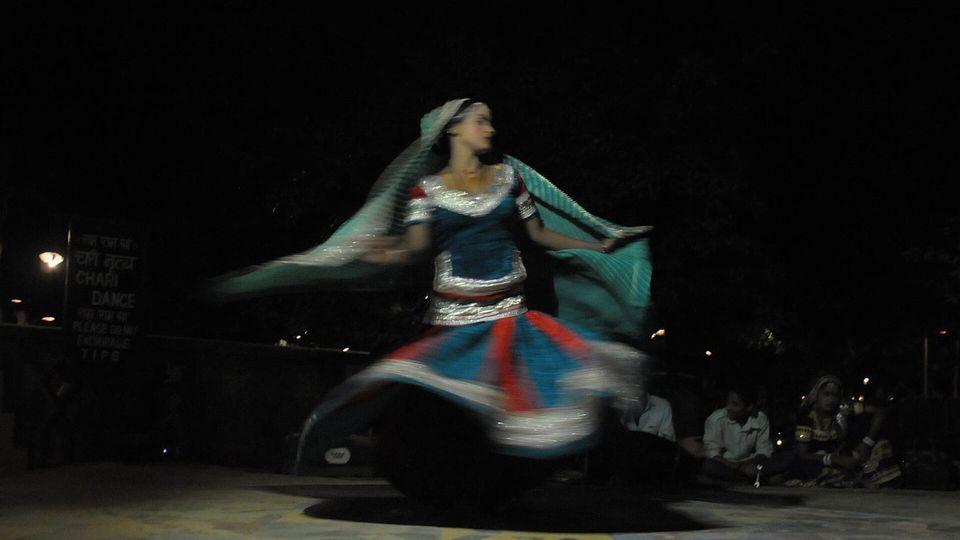 Folk danceGhoomar — the dance of the swirling skirtSwirling ghagras, flowing veils and clapping rhythms at Gangaur, Teej and weddings.3 scenes · with music · ♥ 13
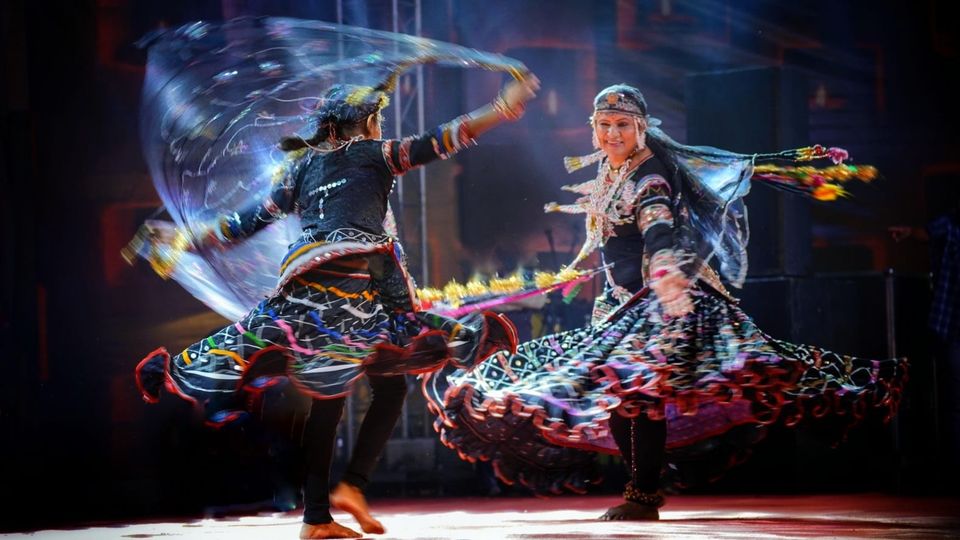 Folk danceKalbeliya — the serpent dance, a UNESCO heritageBodies sway like serpents to the pungi; on UNESCO’s intangible heritage list since 2010.4 scenes · with music · ♥ 1
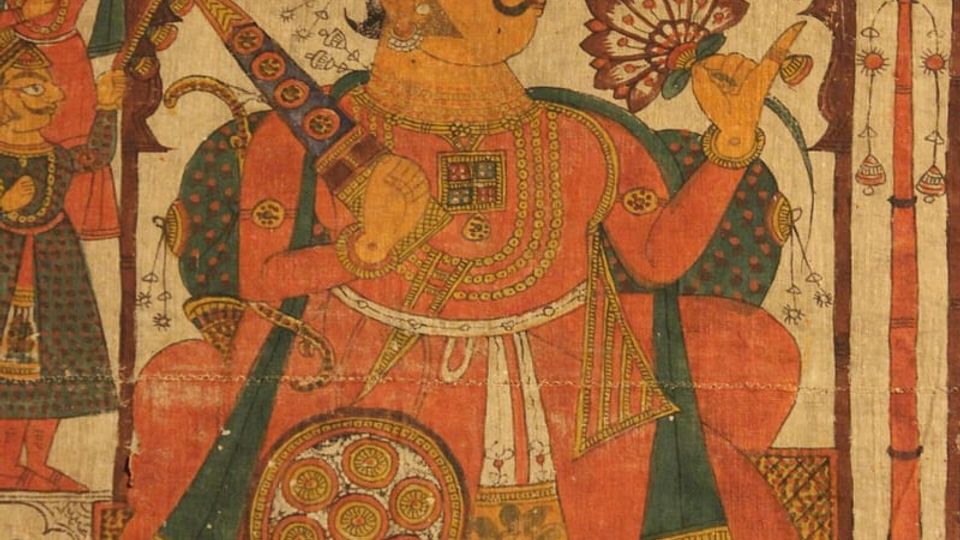 PaintingPhad and Ravanahatha — a story that travelsThrough the night, the bhopa and bhopi sing the epic of folk deities before the phad, to the ravanahatha.4 scenes · with music · ♥ 5
Photos: John Haslam from Dornoch, Scotland / Wikimedia Commons (CC BY 2.0) · हेमंत तिवाङी / Wikimedia Commons (CC BY-SA 4.0)