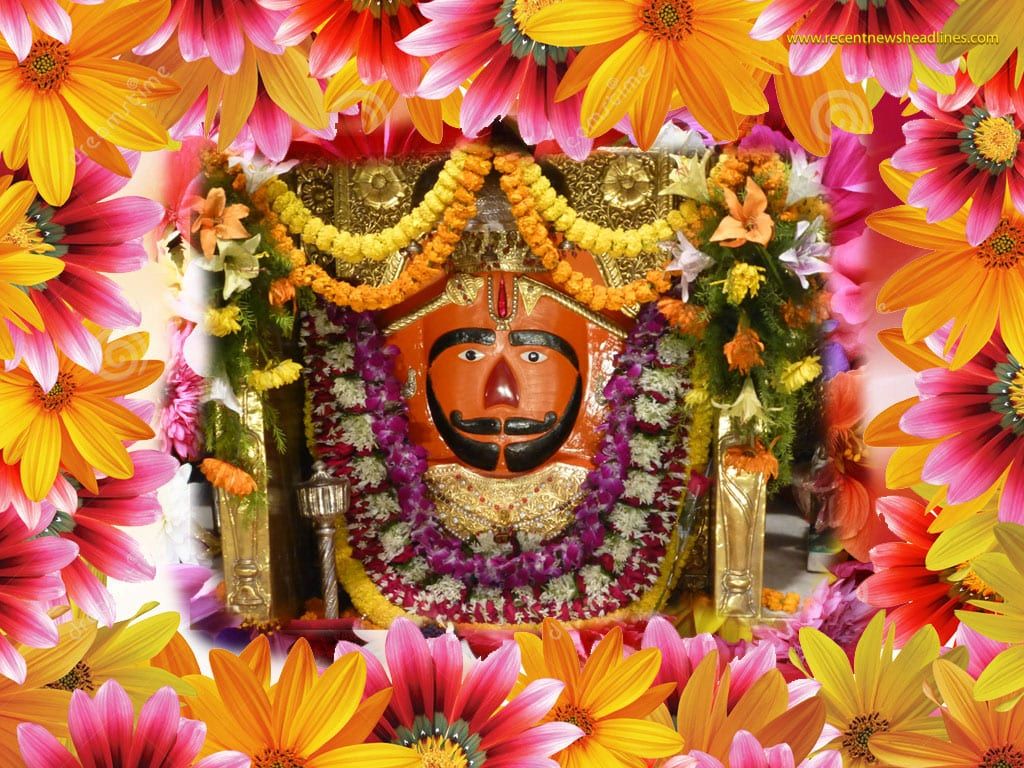
Churu Darshan — Salasar Balaji, Tal Chhapar sanctuary
Churu district in Rajasthan blends timeless tradition with stark desert scenery, offering a vivid slice of regional life.
TIMES of RAJASTHAN · DARSHAN
Churu Darshan — Salasar Balaji, Tal Chhapar sanctuary
Churu district in Rajasthan blends timeless tradition with stark desert scenery, offering a vivid slice of regional life.
In detail
Churu district is a district in northern Rajasthan covering about 16,830 km² with a 2011 population of roughly 2.04 million. It borders Hanumangarh, Haryana, Jhunjhunu, Sikar, Nagaur and Bikaner districts.
Overview
Churu district is located in the northern part of Rajasthan, India, within the Sekhawati region. It shares borders with Hanumangarh District to the north, the state of Haryana to the east, Jhunjhunu and Sikar districts to the southeast, Nagaur District to the south, and Bikaner District to the west.
Covering an area of approximately 16,830 square kilometres, the district contains a road network that spans about 1,901 kilometres. According to the 2011 census, the population was around 2,039,547, with a gender ratio of 938 females for every 1,000 males. Literacy among residents stood at 67.46 percent.
Administratively, Churu is divided into eight tehsils: Churu, Sidhmukh, Ratangarh, Taranagar, Rajgarh, Sardarshahar, Sujangarh, and Bidasar. The region’s agriculture is dominated by crops such as bajra and guar, which are the major staples cultivated by the local farming community.
People and languages
The 2011 census records a population of about 2,039,547 in Churu district, placing it 224th among 640 districts in India. The density is 148 inhabitants per square kilometre, and the population grew by roughly 6.1% between 2001 and 2011. The sex ratio stands at 938 females for every 1,000 males, while the literacy rate is approximately 67.46%. Urban residents account for 28.25% of the total population.
Scheduled Castes constitute 22.15% of the district’s population, whereas Scheduled Tribes represent 0.55%. In terms of language, the vast majority of residents—94.56%—speak Rajasthani as their first language. Marwari is spoken by 2.86% of the population, and Hindi serves as the first language for 1.48%.
These figures illustrate a district where the dominant linguistic and demographic patterns align closely with broader regional trends, while also highlighting the presence of significant Scheduled Caste communities and a small but notable proportion of Hindi speakers.
Economy and agriculture
Churu district’s economy is largely driven by agriculture, with wheat and rapeseed and mustard being the most significant crops. Wheat production reaches 60,654 tonnes, while rapeseed and mustard together yield 24,705 tonnes. Pulses account for 9,594 tonnes, and gram production is modest at 316 tonnes. The most extensive crop is bajra, which is cultivated on a scale of 2,545,467 tonnes.
The district also hosts a diverse industrial base. There are 10 large and medium scale units and 3,963 small scale units operating across seven industrial areas. Primary industries include the manufacturing of aluminium utensils, blanket weaving, cement production, and the production of churan, chatni, and guargum. Other industrial activities involve hand‑loomed cloth, iron and steel fabrication, oil production, salt production, and the manufacturing of sewing machines under the brand DABLA.
Employment in Churu is distributed among various sectors. Processing, servicing, and repairs account for 2.26% of the workforce, while other workers make up 21.41%. The presence of both large-scale and small-scale units provides a range of employment opportunities, supporting the district’s economic diversification beyond its agricultural roots.
Culture, fairs and places to see
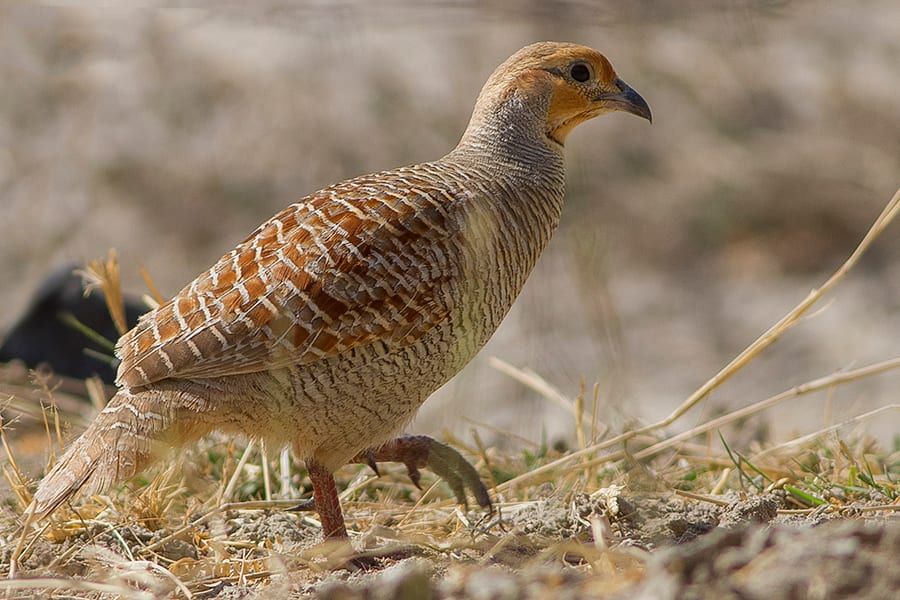
Churu district is home to several notable towns such as Sujangarh, Ratangarh, Sardarshahar, Taranagar, Rajgarh, Ratannagar, Chapper, Bidasar and Rajaldesar, each offering distinct cultural and historical attractions. The district’s wildlife enthusiasts are drawn to the Tal Chhapar Sanctuary, a blackbuck sanctuary that hosts more than 1,680 black bucks and migratory birds, making it a prominent spot for nature lovers.
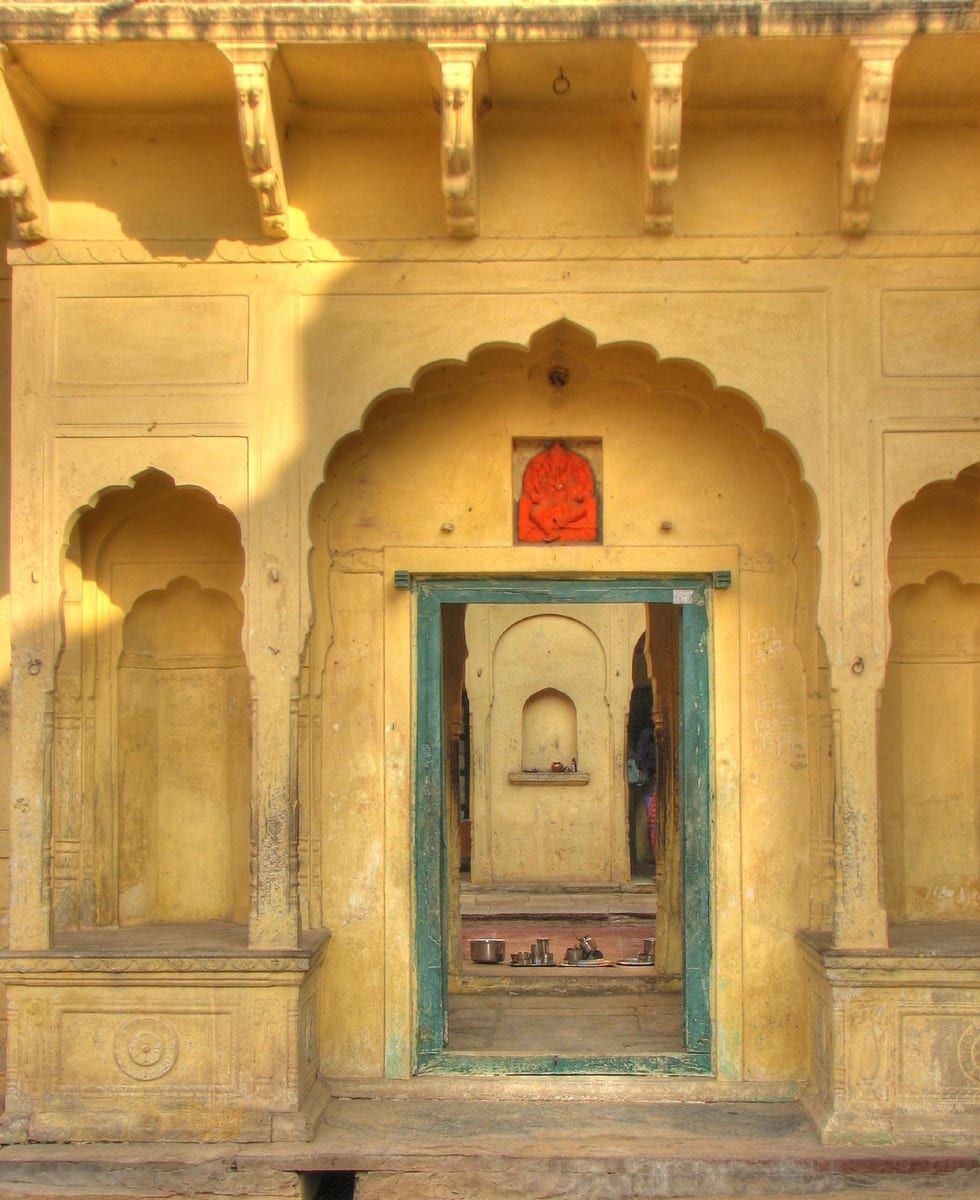
Architectural heritage is evident in the grand palatial havelis found in Ratannagar, Ratangarh and Sardarshahar, reflecting the region’s historical affluence. Religious sites also play a significant role in the cultural landscape. The Hanuman temple at Salasar and the Venkateshwar temple at Sujangarh are important pilgrimage destinations, while the birthplace of the local deity Gogaji in Dadrewa adds to the district’s spiritual significance.
The Bhadrakali Temple at Rajaldesar attracts Shakta Tantra followers from across India, underscoring the district’s religious diversity. Additionally, the Baba Phool Nath Temple at Nawa in Rajgarh is revered by the Nath community, further highlighting the varied spiritual traditions present within Churu district.
Based on: the Wikipedia article (CC BY-SA 4.0) — facts from that source; edited and translated by Times of Rajasthan.
More visual stories
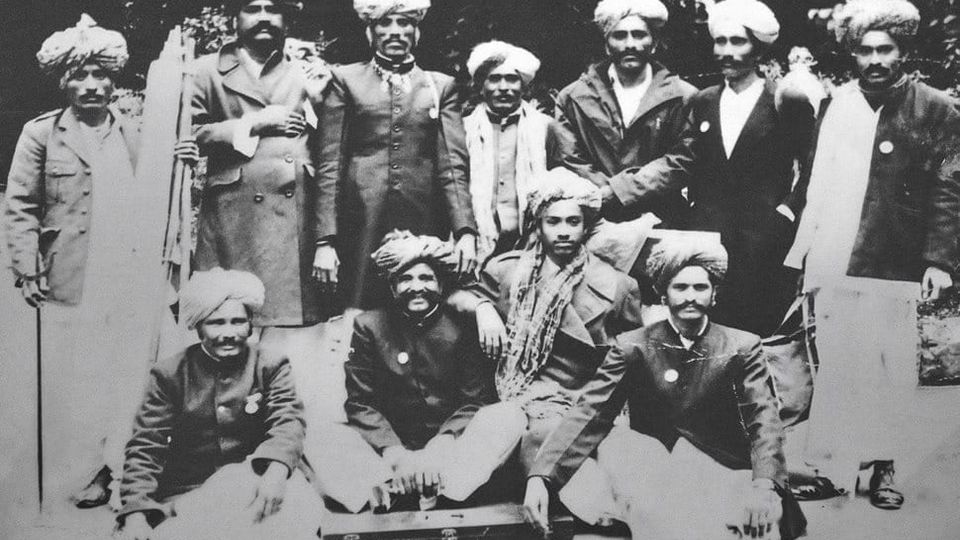 Folk musicKesariya Balam — the songs of the ManganiyarsMaand singing from the Thar, the hum of the kamaicha and the clack of the khartal.5 scenes · with music · ♥ 11
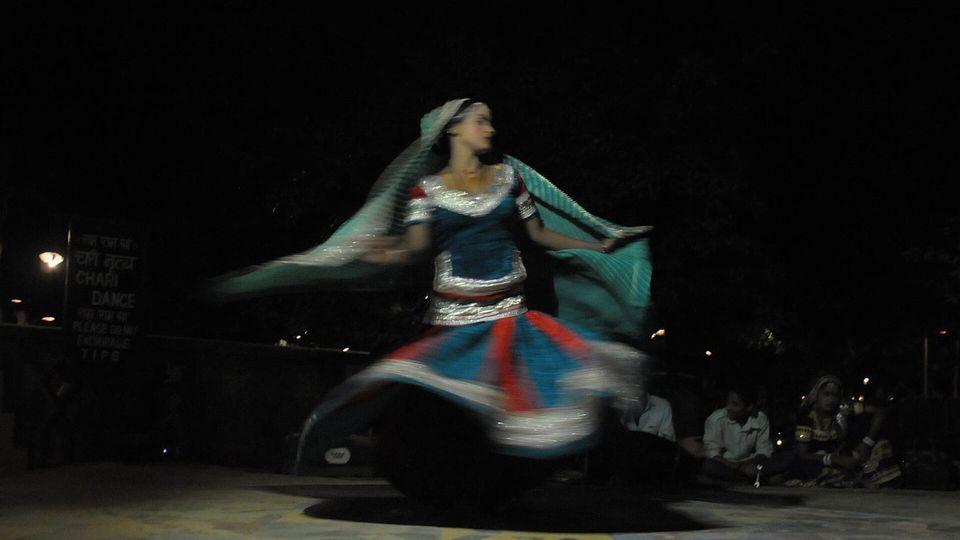 Folk danceGhoomar — the dance of the swirling skirtSwirling ghagras, flowing veils and clapping rhythms at Gangaur, Teej and weddings.3 scenes · with music · ♥ 13
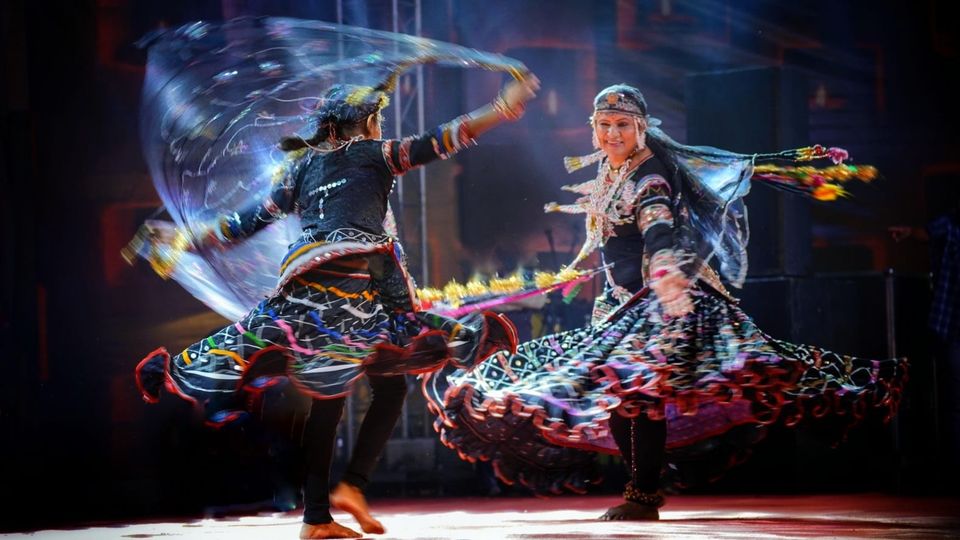 Folk danceKalbeliya — the serpent dance, a UNESCO heritageBodies sway like serpents to the pungi; on UNESCO’s intangible heritage list since 2010.4 scenes · with music · ♥ 1
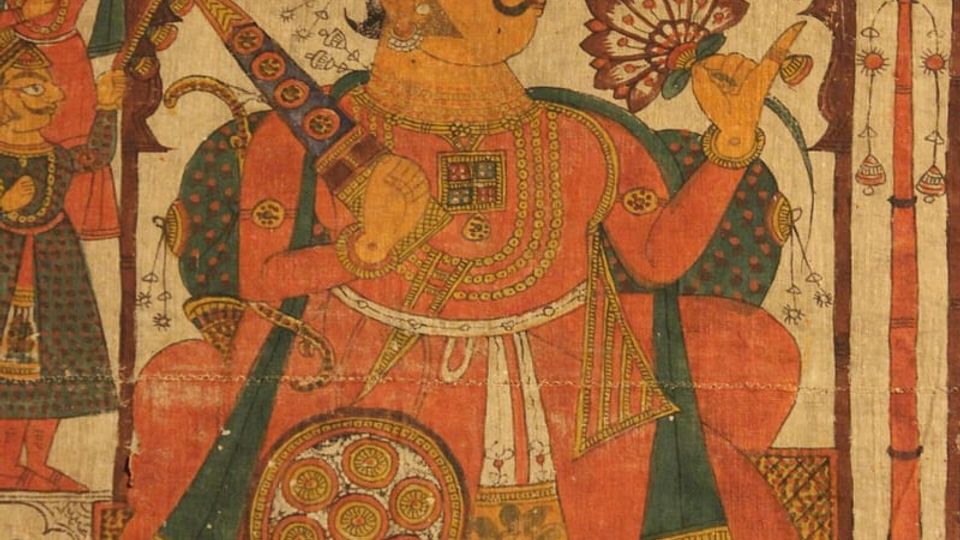 PaintingPhad and Ravanahatha — a story that travelsThrough the night, the bhopa and bhopi sing the epic of folk deities before the phad, to the ravanahatha.4 scenes · with music · ♥ 5
Photos: Dausaanoop / Wikimedia Commons (CC BY-SA 4.0) · Dibyendu Ash / Wikimedia Commons (CC BY-SA 3.0) · michael clarke stuff / Wikimedia Commons (CC BY-SA 2.0)