Bikaner Darshan — Junagarh Fort, Bikaneri bhujia
Bikaner in Rajasthan is a vibrant land where history, flavor and culture blend together.
TIMES of RAJASTHAN · DARSHAN
Bikaner Darshan — Junagarh Fort, Bikaneri bhujia
Bikaner in Rajasthan is a vibrant land where history, flavor and culture blend together.
In detail
Bikaner district is a district of Rajasthan in western India with its headquarters in the historic city of Bikaner. It lies in the Thar Desert and is traversed by the Indira Gandhi Canal, supporting irrigation in the region.
Overview
Bikaner district is situated in the western Indian state of Rajasthan and forms part of Bikaner Division, which also includes the districts of Churu, Sri Ganganagar and Hanumangarh. The historic city of Bikaner serves as the district headquarters and the administrative centre for both the district and the division.
The district lies in the Thar Desert region, with the city of Bikaner located about 330 kilometres northwest of Jaipur, the state capital. This location places the district firmly within the arid landscape of western Rajasthan, influencing its climate, agriculture and settlement patterns.
Bikaner city, founded in 1488 CE by Rao Bika of the Rathore dynasty, was originally the capital of the princely Bikaner State. Over the centuries it has grown from a modest settlement into the fourth largest city in Rajasthan, reflecting its historical importance and continued development.
Key infrastructural projects have shaped the district’s growth. The Ganga Canal, completed in 1928, and later the Indira Gandhi Canal, finished in 1987, have provided vital water resources that support agriculture and urban expansion in an otherwise desert environment.
History
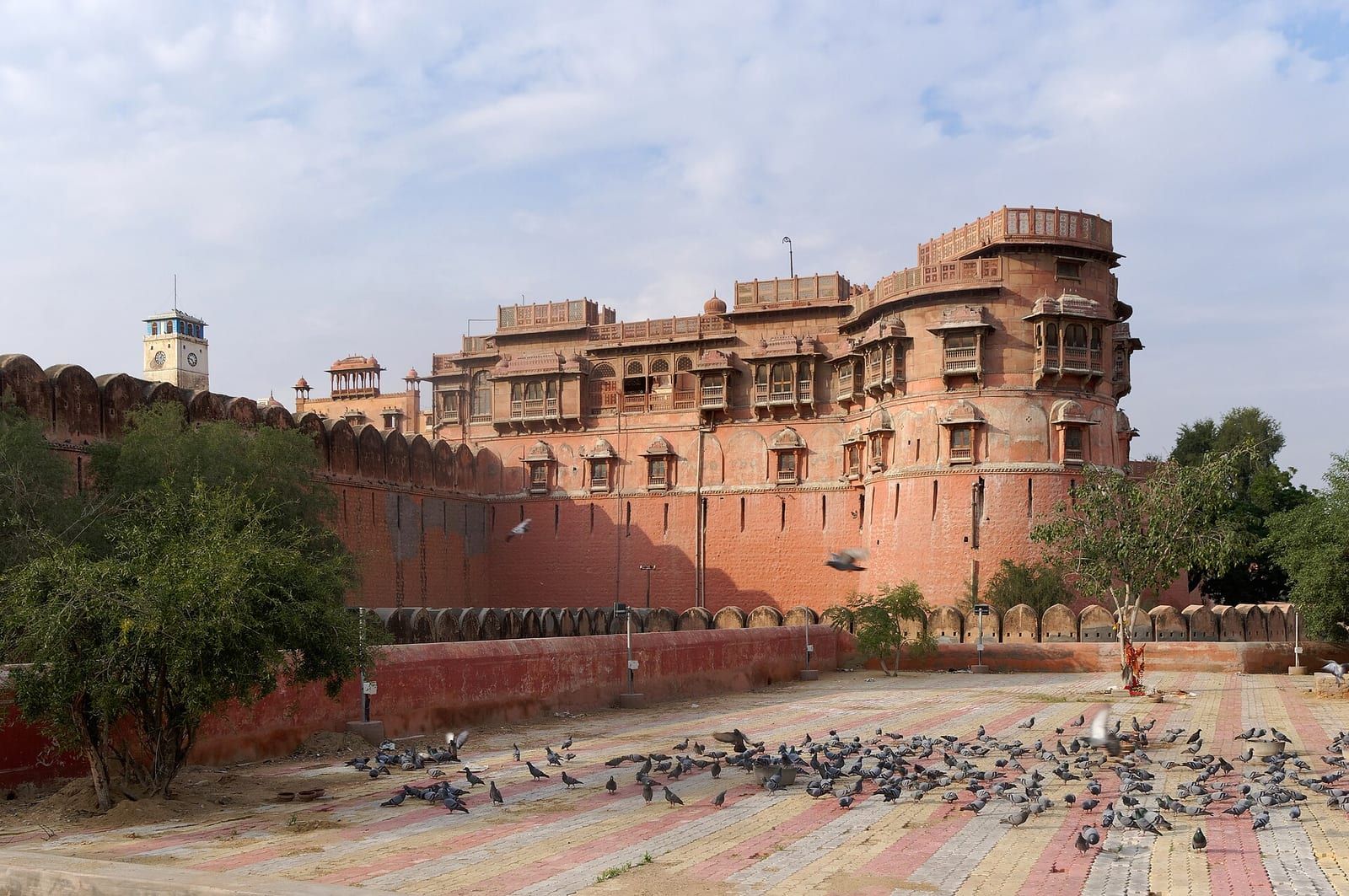
The region that later became Bikaner district was once a barren wilderness known as Jangladesh until the mid‑15th century. In 1488 Rao Bika, the first son of Maharaja Rao Jodha of the Rathore clan, founded the city of Bikaner, attaching his name to the settlement. Although situated in the Thar Desert, the site was an oasis on the trade route between Central Asia and the Gujarat coast because of its spring water, and Bika constructed an initial fort in 1478, later replaced by the Junagarh Fort about a century and a half later.
The fortunes of the state rose under the sixth ruler, Rai Singhji (1571‑1611), who accepted Mughal suzerainty and served as a general for Emperors Akbar and Jahangir. His military successes earned him jagirs in Gujarat and Burhanpur, and the revenue from these lands funded the construction of the Chintamani Durg (Junagarh Fort) on a plain at an elevation of about 760 feet. Rai Singh’s exposure to foreign art and architecture is reflected in the numerous monuments he added to the fort complex.
Successive Maharajas continued to embellish the fort. Maharaja Karan Singh (1631‑1639) built the Karan Mahal palace, later expanded by later rulers. Anup Singh (1669‑1698) added new palaces, the Zenana quarter, and refurbished Karan Mahal with a public audience hall called the Anup Mahal. Maharaja Gaj Singh (1746‑1787) renovated the Chandra Mahal, while Maharaja Surat Singh (1787‑1828) lavishly decorated the audience hall with glass and vivid paintwork. A treaty of paramountcy in 1818 placed Bikaner under British suzerainty, after which the Maharajas invested heavily in further refurbishments of Junagarh Fort.
In the late 19th century Dungar Singh (1872‑1887) built the Badal Mahal, known as the ‘weather palace’ for its painted clouds and rain motifs. The most renowned ruler, General Maharaja Ganga Singh (1887‑1943), was a favourite of British Viceroys, a Knight Commander of the Order of the Star of India, and a participant in imperial conferences and the Versailles Peace Conference. He added public and private audience halls in the Ganga Mahal, a durbar hall, and the Ganga Niwas Palace, designed by Sir Samuel Swinton Jacob. In 1902 he moved his main residence to the newly built Lalgarh Palace, naming it in honour of his father.
Ganga Singh’s son, Lieutenant‑General Sir Sadul Singh, succeeded him in 1943 and acceded Bikaner to the Union of India in 1949. After Sadul Singh’s death in 1950, his son Karni Singh inherited the title. The royal family continues to occupy a suite in Lalgarh Palace, which they have converted into a heritage hotel.
Geography and climate
Bikaner district is situated in the north‑western part of Rajasthan, bounded by Ganganagar and Anupgarh districts to the north, Hanumangarh to the northeast, Churu to the east, Nagaur to the southeast, Jodhpur to the south, Jaisalmer to the southwest, and the Punjab Province of Pakistan to the northwest. The district lies within the Thar Desert, and the Indira Gandhi Canal traverses it from the northeast to the southwest, supplying irrigation water across the arid landscape.
In October 2020 an international research team identified a lost river that once flowed through the central Thar Desert, dating back roughly 172,000 years, highlighting the deep geological history of the region.
The climate of Bikaner is classified as a hot desert (Köppen BWh). Summer temperatures frequently exceed 48 °C (118.4 °F) and can reach as high as 53.5 °C (128.3 °F), while winter nights may drop below freezing, with recorded lows of –4 °C (24.8 °F). Annual rainfall averages about 290 mm (11.4 in), occurring almost entirely during the monsoon months of June to September and often limited to a few days, totaling fewer than thirty hours of rain per year. Historical records show extreme variability, with as little as 29 mm (1.14 in) in 1899 and as much as 770.9 mm (30.35 in) in 1945. The highest temperature ever recorded in the district is 49.5 °C (121.1 °F) on 19 May 2016, and the lowest is –4.0 °C (24.8 °F) on 26 January 1964.
People and languages
The 2011 census recorded a population of 2,363,937 for Bikaner district, with a literacy rate of 65.92% and a sex ratio of 903 females per 1,000 males. About one‑third of residents live in urban areas, while Scheduled Castes constitute 20.88% of the population and Scheduled Tribes only 0.33%.
Rajasthani is the predominant mother tongue in the district, spoken by 81.09% of people. Marwari follows as the first language for 14.94% of the population, and Hindi is spoken by 2.05%. Smaller linguistic groups include Urdu (1.71%), Sindhi (0.98%) and Saraiki (0.37%).
In the city of Bikaner, the demographic profile is similar, with a population of 644,406 and a higher literacy rate of about 79%. The majority of city dwellers practice Hinduism, while Islam forms a large minority and Jainism also has a substantial following. Linguistically, Rajasthani remains the major language, Hindi serves as a significant minority language, and there are small communities of Marwari and Punjabi speakers.
Administration
Bikaner district is administratively divided into nine sub‑divisions: Bikaner, Khajuwala, Poogal, Chhatargarh, Lunkaransar, Kolayat, Dungargarh, Nokha and Bajju. These sub‑divisions also function as tehsils, and the district as a whole comprises eleven tehsils. In addition to the original tehsils, a new tehsil named Jasrasar was recently created within the Nokha sub‑division, while the Kolayat sub‑division saw the creation of the Hadan tehsil.
The district’s local governance structure includes fifteen Panchayat Samitis, overseeing 1,498 villages and 453 gram panchayats. Urban administration is centred on the Bikaner Municipal Corporation, which governs the city of Bikaner, and six municipal councils that serve the towns of Deshnok, Nokha, Dungargarh, Khajuwala, Loonkaransar and Napasar.
The district’s executive authority is headed by the Collector and District Magistrate, currently Smt. Namrata Vrishni. In a recent development announced on 30 November 2024, the Rajasthan Government approved the formation of the Bikaner Development Authority. This new body will work alongside the Bikaner Municipal Corporation to plan and implement urban development projects for the city and surrounding villages.
Culture, fairs and places to see
The Junagarh Fort, built around 1594 CE by Raja Rai Singh and originally called Chintamani, dominates the modern city of Bikaner. Unlike most Rajasthani forts, it was not erected on a hill but on flat ground, and it is surrounded by temples, grand palaces and large pavilions. In 1961 Maharaja Karni Singh established a museum within the fort, and many of its historic structures now serve as museums that illustrate the opulent lifestyle of past Maharanas.
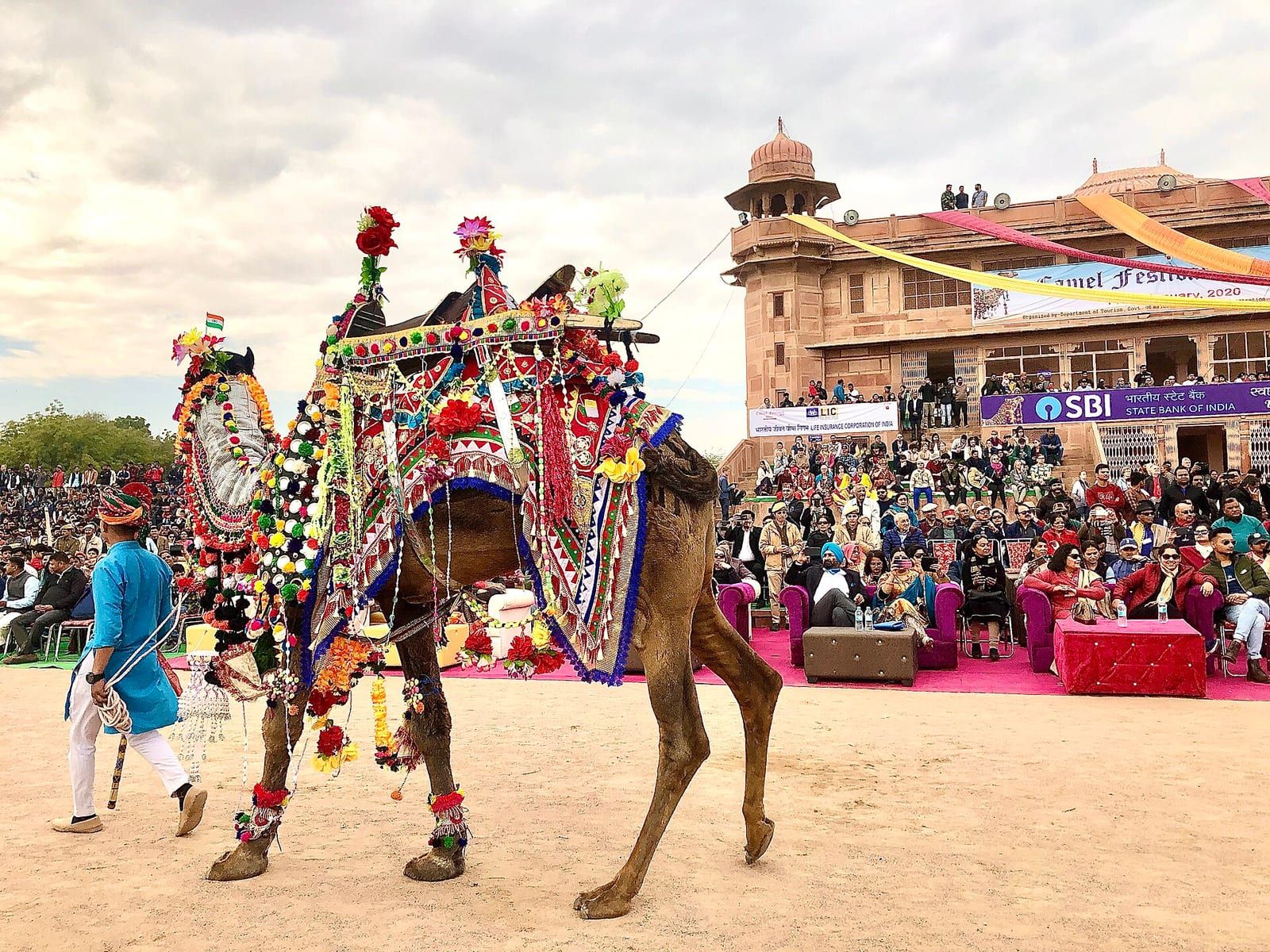
The Bikaner Camel Festival, organized each year by the Department of Tourism, Government of Rajasthan, begins with a procession of decorated camels that set out from Junagarh Fort. The festivities then move to the Dr Karni Singh Stadium, where cultural performances and competitions are held, celebrating the region’s long association with camels.
Another major celebration is the International Camel Festival, held in January or February. This event, also overseen by the Department of Tourism, Art and Culture, includes a range of camel‑related competitions and popular contests such as Mr Bikana and Miss Marwan, further highlighting the animal’s cultural significance.
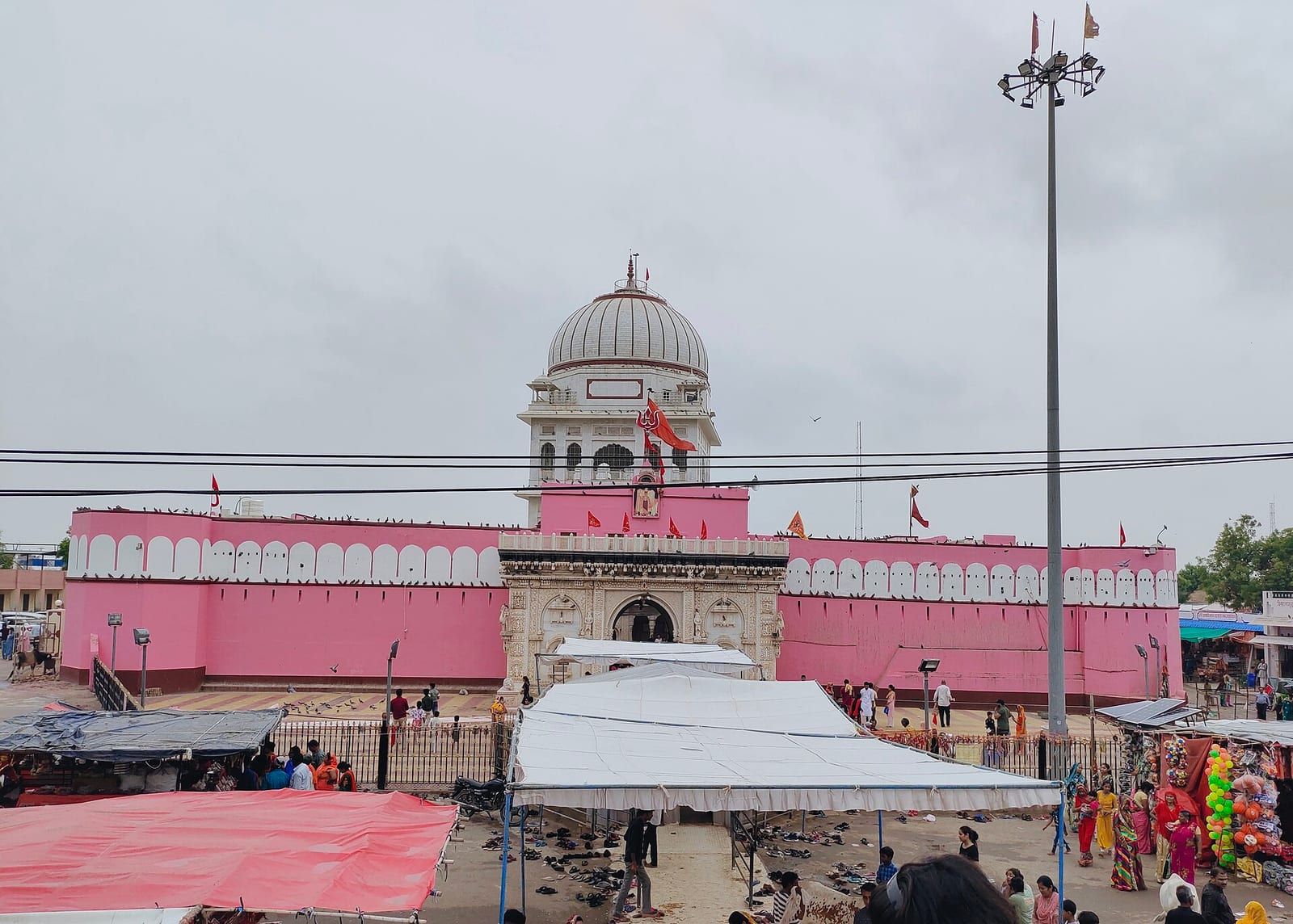
Religious sites add to Bikaner’s cultural landscape. The Karni Mata Temple, known as the Rat Temple, lies about 30 km south of the city in Deshnoke and is dedicated to the mystic Karni Mata, regarded as an incarnation of Durga. The shrine is famed for the small creatures that roam its precincts, which devotees consider reincarnated devotees rather than ordinary rats. Within the district, the Mukam Bishnoi Temple near Nokha marks the samadhi of Guru Jambheshwar, the founder of the Bishnoi sect, and serves as the principal pilgrimage centre for followers who observe strict environmental and compassionate principles.
Bikaner also hosts historic temples such as the Shri Laxminath Temple, built by Maharaja Rao Lunkaran and situated four kilometres from Junagarh Fort. Dedicated to Lord Vishnu and Goddess Laxmi, the temple is noted for its silver‑embellished doorway and vibrant celebrations of festivals like Janmashtmi and Diwali. The Bhandasar Jain Temple, constructed in the 15th century by Bhandasa Oswal, showcases intricate leaf paintings, frescoes and mirror work on red sandstone, and is devoted to the 5th Tirthankara, Sumatinatha.
Education and transport
Bikaner railway station serves as a major railway junction within the North Western Railway zone of Indian Railways. The first railway link to the city was opened on 9 December 1891 as part of the Jodhpur State Railway, and the station has experienced several administrative changes since that time. It provides direct rail connections to the national capital Delhi, the state capital Jaipur, and other major Indian cities.
The city’s road network is well developed, linking Bikaner directly to Delhi and other major urban centres. The Central Bus Stand functions as the principal bus terminal, offering road connections to cities across Rajasthan and neighboring states.
Air travel is facilitated by the domestic Nal Airport, situated about 15 km west of Bikaner. Under the UDAN scheme, regular flights to Jaipur (JAI) and Delhi (DEL) began operating in the 2017‑18 period, enhancing the city’s connectivity by air.
Bikaner hosts several notable educational institutions, including Dungar College, Sardar Patel Medical College, Government Engineering College Bikaner, Maharaja Ganga Singh University, Rajasthan University of Veterinary and Animal Sciences, Swami Keshwanand Rajasthan Agricultural University, and Bikaner Technical University. These establishments contribute to the district’s higher‑education landscape across a range of disciplines.
Based on: the Wikipedia article (CC BY-SA 4.0) — facts from that source; edited and translated by Times of Rajasthan.
More visual stories
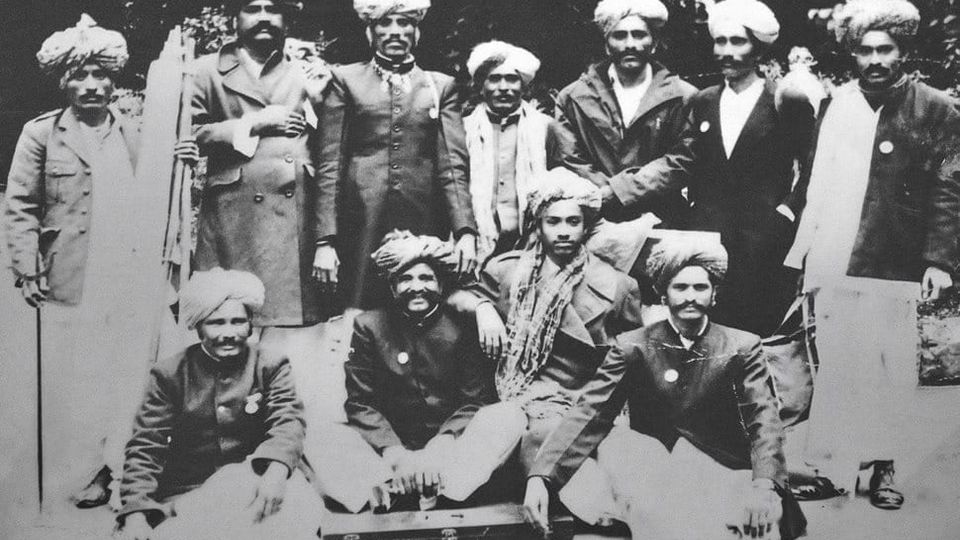 Folk musicKesariya Balam — the songs of the ManganiyarsMaand singing from the Thar, the hum of the kamaicha and the clack of the khartal.5 scenes · with music · ♥ 11
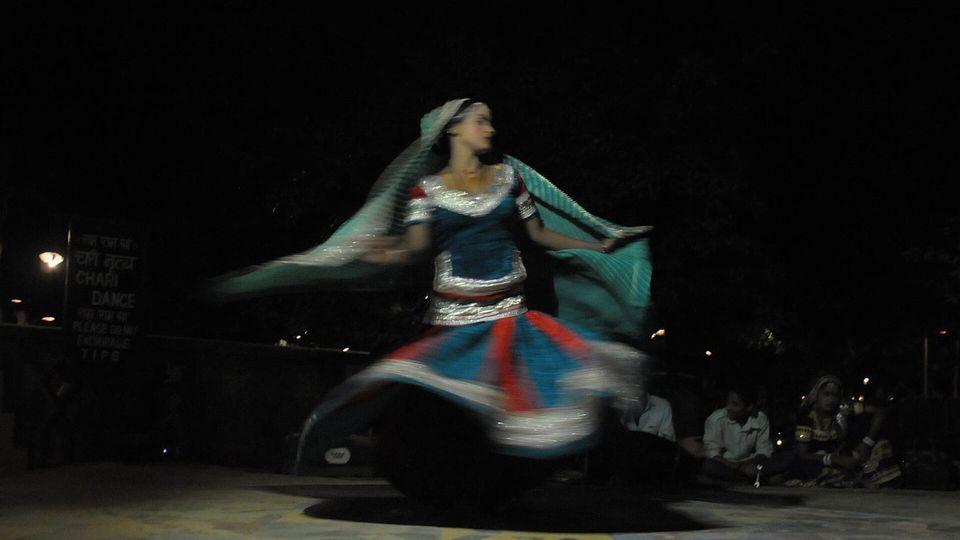 Folk danceGhoomar — the dance of the swirling skirtSwirling ghagras, flowing veils and clapping rhythms at Gangaur, Teej and weddings.3 scenes · with music · ♥ 13
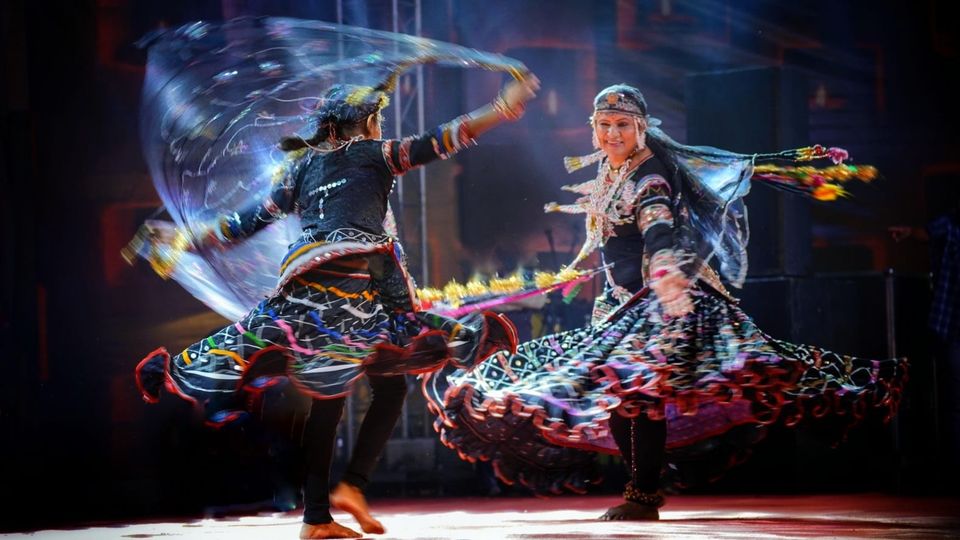 Folk danceKalbeliya — the serpent dance, a UNESCO heritageBodies sway like serpents to the pungi; on UNESCO’s intangible heritage list since 2010.4 scenes · with music · ♥ 1
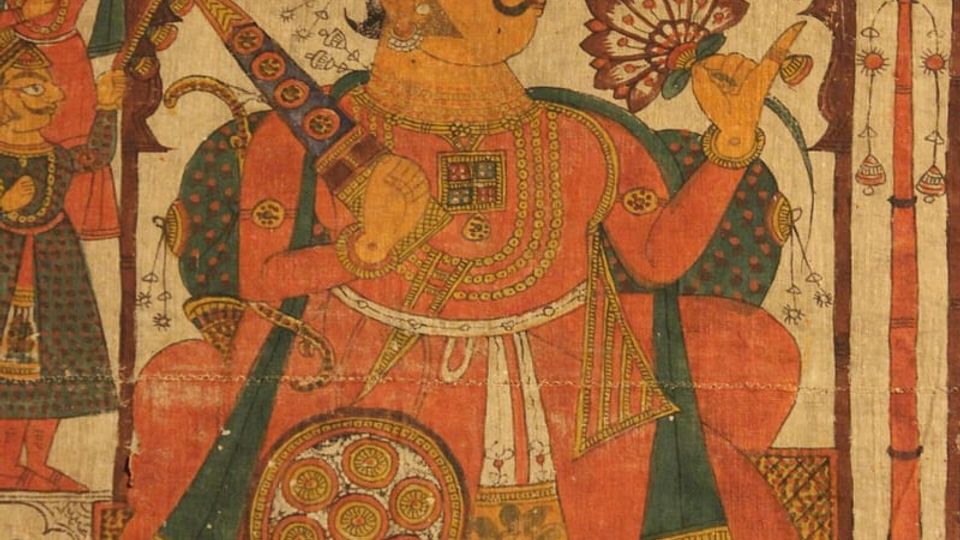 PaintingPhad and Ravanahatha — a story that travelsThrough the night, the bhopa and bhopi sing the epic of folk deities before the phad, to the ravanahatha.4 scenes · with music · ♥ 5
Photos: Jakub Hałun / Wikimedia Commons (CC BY-SA 4.0) · Nagarjun Kandukuru from Bangalore, India / Wikimedia Commons (CC BY 2.0) · TheSlumPanda / Wikimedia Commons (CC BY-SA 4.0) · Meetu1980 / Wikimedia Commons (CC BY-SA 4.0)