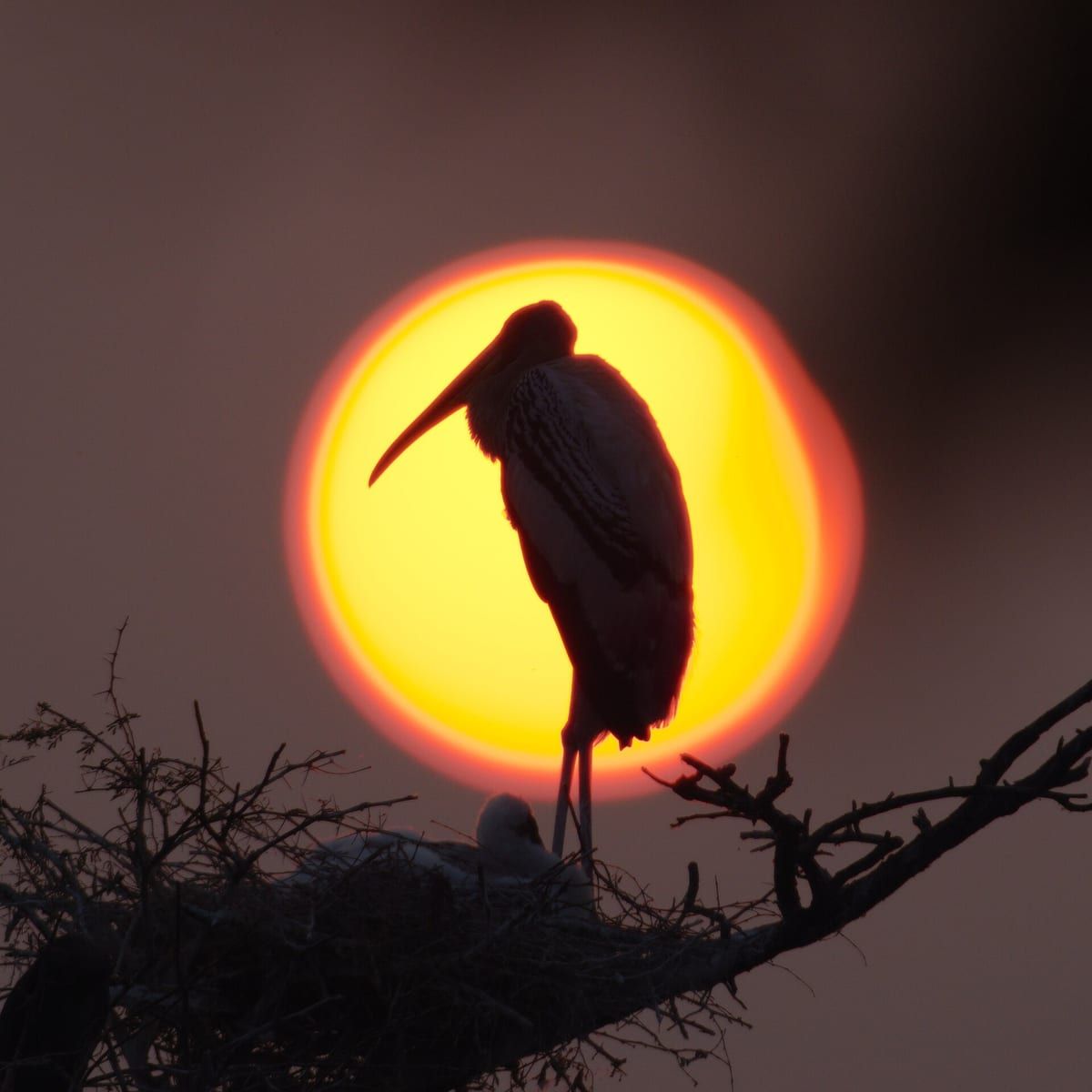
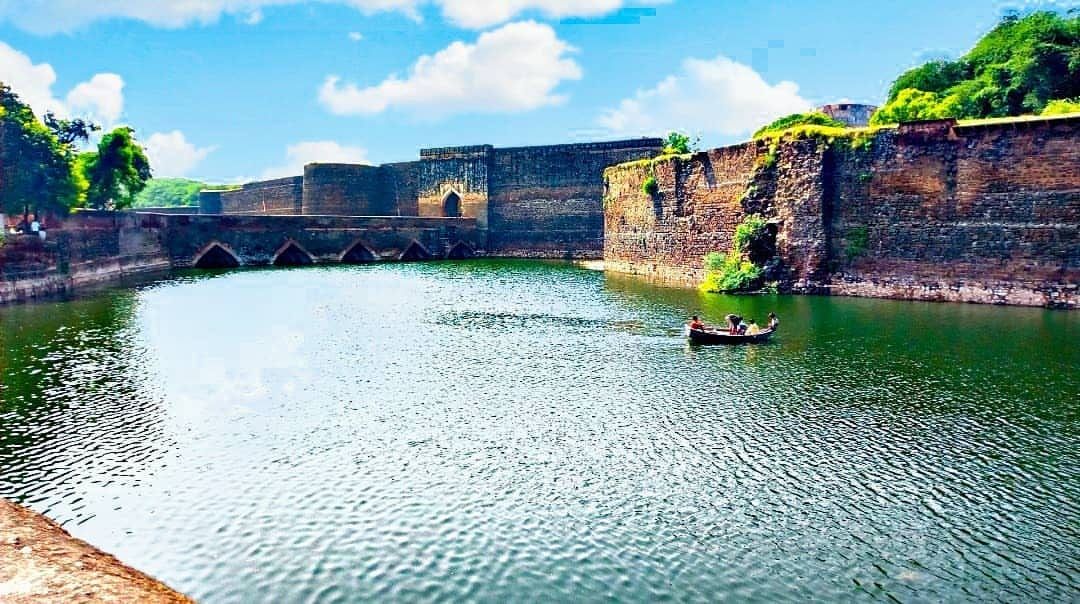
Bharatpur Darshan — Keoladeo bird park, Lohagarh Fort
Bharatpur district in Rajasthan is a vibrant region where nature and history walk side by side.
TIMES of RAJASTHAN · DARSHAN
Bharatpur Darshan — Keoladeo bird park, Lohagarh Fort
Bharatpur district in Rajasthan is a vibrant region where nature and history walk side by side.
In detail
Bharatpur district is a district in Rajasthan, western India, with its headquarters in the city of Bharatpur. It has a population of over 2.5 million according to the 2011 census.
People and languages
The residual Bharatpur district, after the creation of Deeg district, is home to 1,475,707 residents. The district’s sex ratio stands at 869 females per 1,000 males, and roughly a quarter of the population, 362,948 people, live in urban areas. Scheduled Castes constitute 26.71% of the population while Scheduled Tribes account for 2.94%.
The linguistic profile of the district is dominated by Hindi, which is spoken as a first language by 71.45% of the inhabitants. A significant minority, 27.64%, speak the Braj dialect, although many Braj speakers record their language as Hindi in official census data. This reflects the strong cultural presence of the Braj linguistic tradition within the district.
Overall, the demographic composition of Bharatpur district shows a predominance of Hindi-speaking communities alongside a substantial Braj‑speaking population, illustrating the region’s linguistic diversity within the broader context of Rajasthan.
Economy and agriculture
Bharatpur district’s economy is supported by a network of six designated industrial zones, namely the Old Industrial Area Bharatpur, Brij Industrial Area Bharatpur, Industrial Area Bayana, I.I.D. Center Bayana, and two others referenced in the district’s planning. These zones host a variety of manufacturing and processing activities that complement the region’s agricultural base.
Agriculture remains a central pillar of the district, with mustard seeds and other crops being collected and distributed through Krishi Upaj Mandi Samiti‑run mandies located in Bharatpur, Nadbai, Weir, Bayana, Roopwas and Bhusawar. These market facilities facilitate the movement of produce across the country, linking local farmers to broader national markets.
The district is also notable for its oil‑processing sector. A total of 554 oil mills operate in Bharatpur, employing 2,317 persons and representing an investment of Rs 2,690.84 lacs. Among these, 78 are large units certified with the AGMARK mark, while the remaining mills function as smaller oil expeller units, together contributing to the district’s industrial and agricultural output.
Education and transport
Air connectivity for Bharatpur district is limited to the nearest airport, Agra Airport, which lies 55 km east of the district. This facility serves as the primary gateway for air travelers heading to Bharatpur.
Rail services are centered on Bharatpur Junction railway station, situated 5 km north of Keoladeo National Park. The station offers regular connections to major Indian cities, including Delhi, Mumbai, Jaipur, and Agra, facilitating both passenger and freight movement.
Road transport is supported by a network of state highways. SH-33 links Bharatpur to Mathura, 40 km to the northeast, and continues via NH-44 to Delhi, located 184 km away. The Agra‑Jaipur Road provides a route to Agra, 55 km east, and to Jaipur, 190 km west. Additional connections include SH-43 to the Chambal region in the south and SH-1, accessed via SH-43, to Hindaun city, 80 km southwest.
Based on: the Wikipedia article (CC BY-SA 4.0) — facts from that source; edited and translated by Times of Rajasthan.
More visual stories
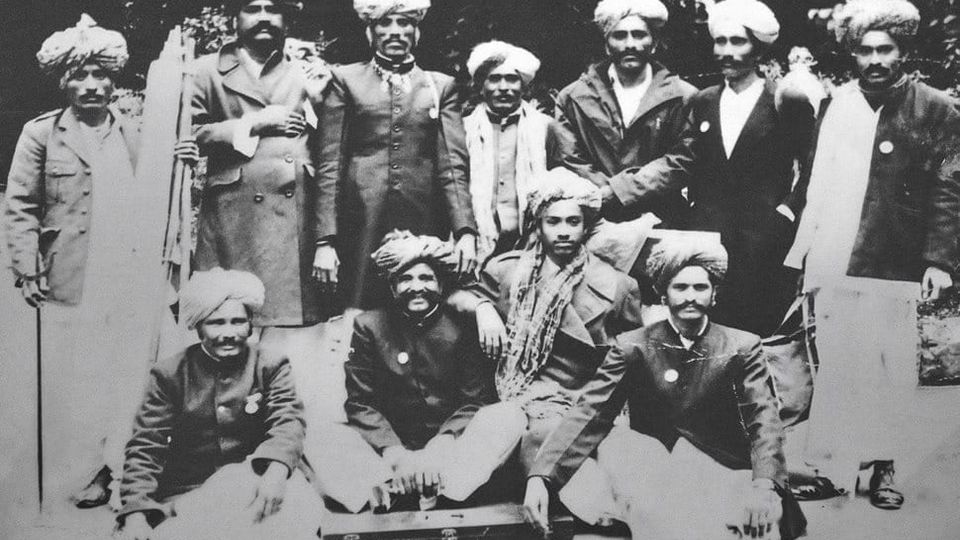 Folk musicKesariya Balam — the songs of the ManganiyarsMaand singing from the Thar, the hum of the kamaicha and the clack of the khartal.5 scenes · with music · ♥ 11
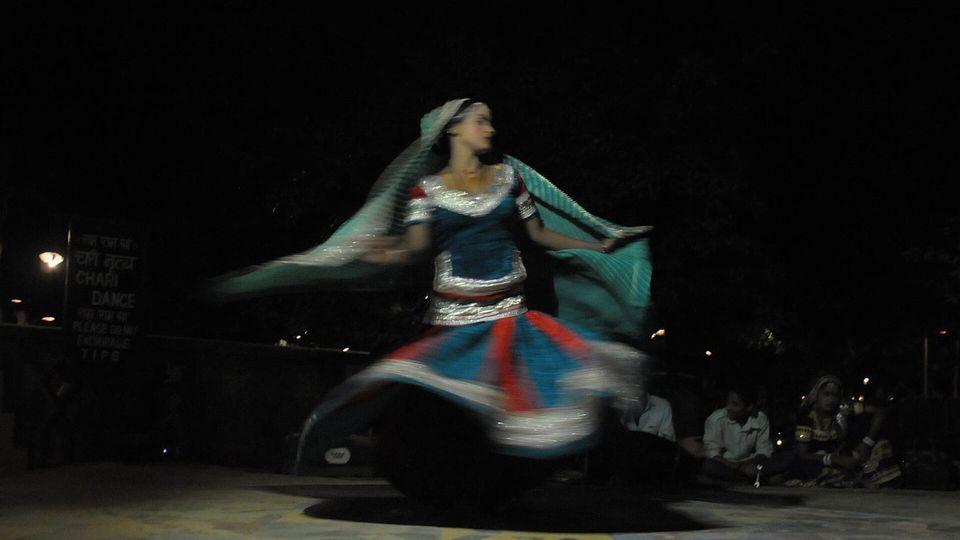 Folk danceGhoomar — the dance of the swirling skirtSwirling ghagras, flowing veils and clapping rhythms at Gangaur, Teej and weddings.3 scenes · with music · ♥ 13
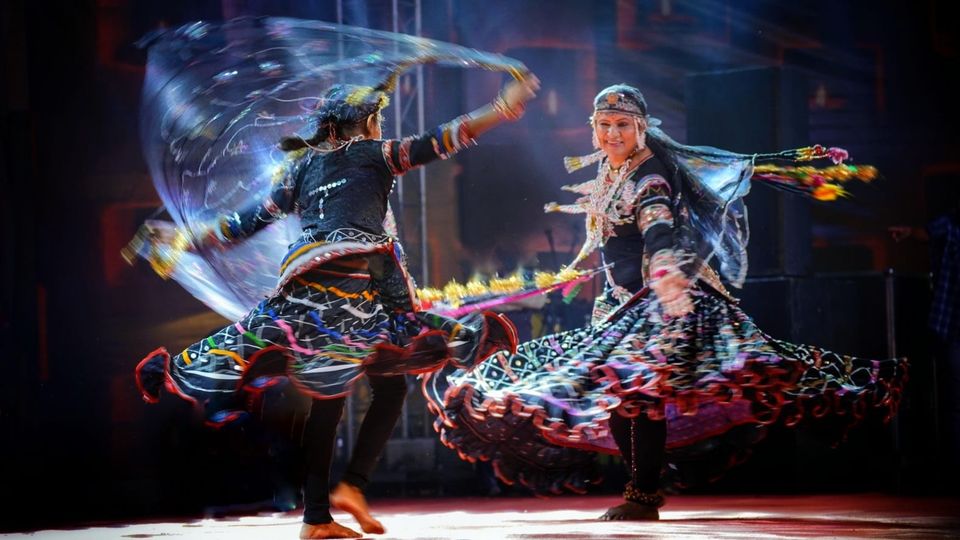 Folk danceKalbeliya — the serpent dance, a UNESCO heritageBodies sway like serpents to the pungi; on UNESCO’s intangible heritage list since 2010.4 scenes · with music · ♥ 1
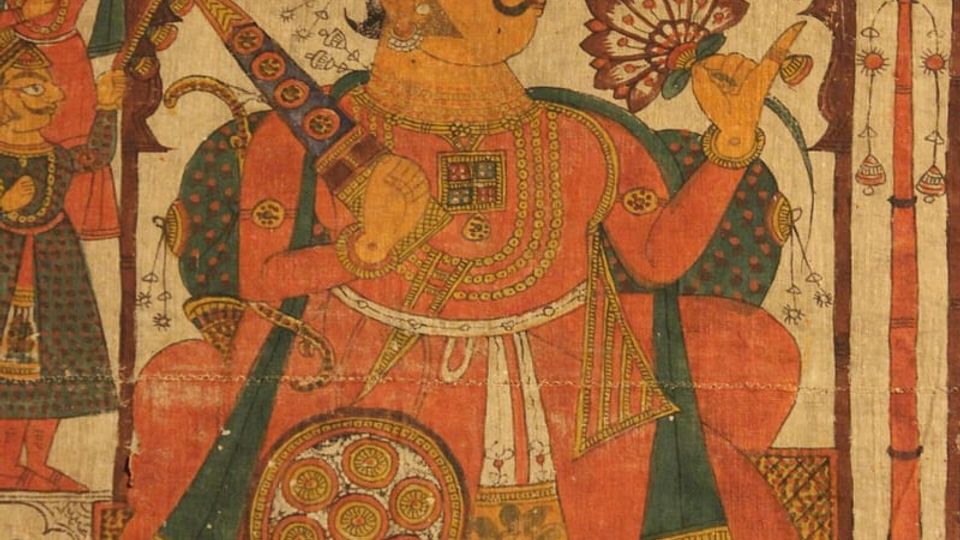 PaintingPhad and Ravanahatha — a story that travelsThrough the night, the bhopa and bhopi sing the epic of folk deities before the phad, to the ravanahatha.4 scenes · with music · ♥ 5
Photos: Rohit Sharma / Wikimedia Commons (CC BY-SA 4.0) · Sainiikshank1410 / Wikimedia Commons (CC BY-SA 4.0)