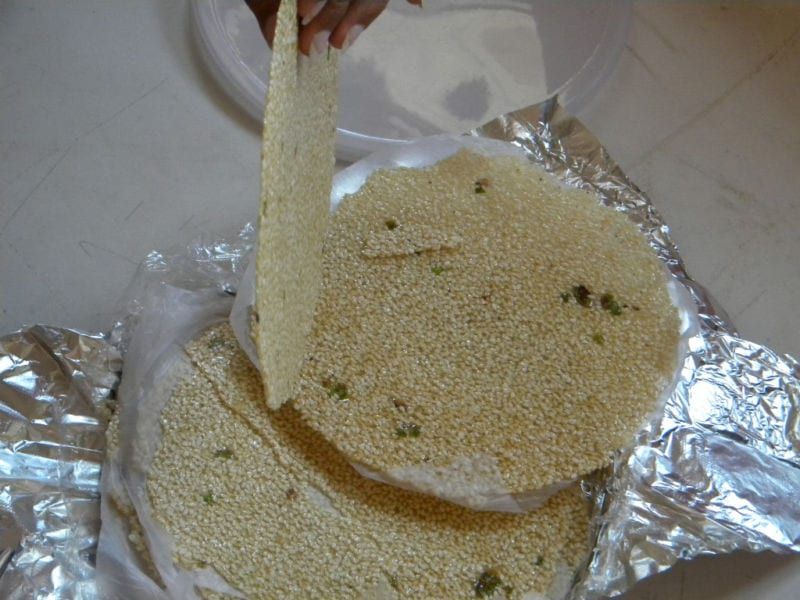
Beawar Darshan — Beawar tilpatti
Beawar district in Rajasthan blends tradition and landscape, offering a vivid slice of regional life.
TIMES of RAJASTHAN · DARSHAN
Beawar Darshan — Beawar tilpatti
Beawar district in Rajasthan blends tradition and landscape, offering a vivid slice of regional life.
In detail
Beawar is a city in the newly formed Beawar district of Rajasthan, India, known historically as a cotton trade centre and now a hub for mineral‑based industries. It lies in the Aravali hills, about 70 km from Ajmer and 184 km southwest of Jaipur.
Overview
Beawar is a city situated in the central region of Rajasthan, India, and it serves as the administrative headquarters of Beawar District. The district was officially established on August 7, 2023, making it a newly formed administrative unit within the state.
The city lies 70 kilometres from Ajmer and 184 kilometres southwest of Jaipur, positioned amidst the Aravali hills. Historically, Beawar was the financial capital of the Ajmer-Merwara state of Rajputana and was a major center for trade, particularly in raw cotton. The presence of cotton presses and the Krishna cotton mills underscored its importance in the textile sector.
Today, Beawar hosts a diverse industrial base that includes mineral-based units, machine-based units, machine tools and accessories, pre‑stressed concrete pipes, plastic products, textiles, wooden furniture, and asbestos cement pipes. It is also recognized as the largest producer of cement in northern India, with Shree Cement being a prominent local company.
The district is rich in mineral resources, with reserves of feldspar, quartz, asbestos, soapstone, magnesite, calcite, limestone, mica, emerald, granite, and masonry stone. Additional mineral finds include barytes, fluorite, wollastonite, and vermiculite, which contribute to the region’s industrial and economic activities.
History
In the early 19th century, Beawar was a village. By 1825, the British acquired control of the Ajmer‑Merwara region and established a cantonment about four miles from the existing village. In 1836, they attracted merchants and constructed a bazaar, which became the core of a site called "Naya Shahar" or "Naya Nagar" – the New Town. Colonel George Dickson (1795–1857) established this new town on the waste land adjacent to the cantonment and the original Beawar village, and the area eventually evolved into the present‑day town of Beawar.
The population of the town rose substantially over the next decade, as it became the centre of cotton trade. In 1871, the battalion was moved from the local cantonment to Ajmer, but the town continued to remain an important trading centre.
A municipality was established at Beawar in 1866. In 1880, railway reached the town, and in 1881, Krishna Cotton Mill was established there. By 1901, the town had a population of 21,928, with 48.6% of the workforce employed in the manufacturing sector, 38% in the cotton textiles industry. Metalwork, calico printing, and grain trade were the other important industries of the town.
Beawar is the birthplace of classical mathematician Duncan Sommerville.
Culture, fairs and places to see
Veer Tejaji Maharaj Beawar Fair is one of the major fairs of the town. Locals of Beawar gather to celebrate Baadshah, which means "King". The Baadshah travels across the town to reach the Mayor's office, spraying colour all over the town in celebration of Holi, the festival of colours. It is celebrated in memory of the one-day king "Agarwal".
"Baadshah" is decorated in traditional style and travels up to the magistrate office, where it plays and gives its resolutions for the public. In front of it, another person, Birbal, dances in his special style. On the day of "Baadshah", there are performances by local people in "Teliwara" as well as near the Suraj Pol gate.
Annually, the city also celebrates Dushera by burning an effigy of Ravana on the eve of Dushera.
Based on: the Wikipedia article (CC BY-SA 4.0) — facts from that source; edited and translated by Times of Rajasthan.
More visual stories
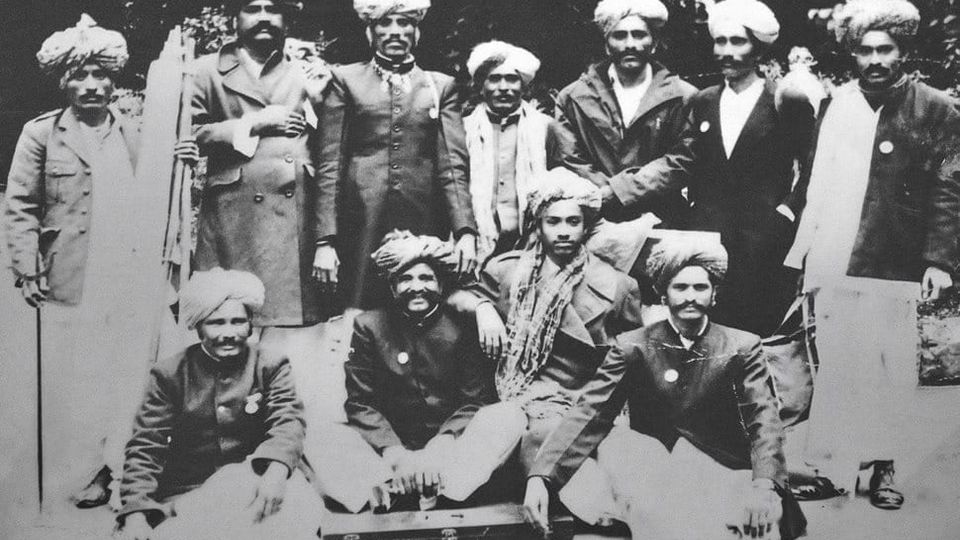 Folk musicKesariya Balam — the songs of the ManganiyarsMaand singing from the Thar, the hum of the kamaicha and the clack of the khartal.5 scenes · with music · ♥ 11
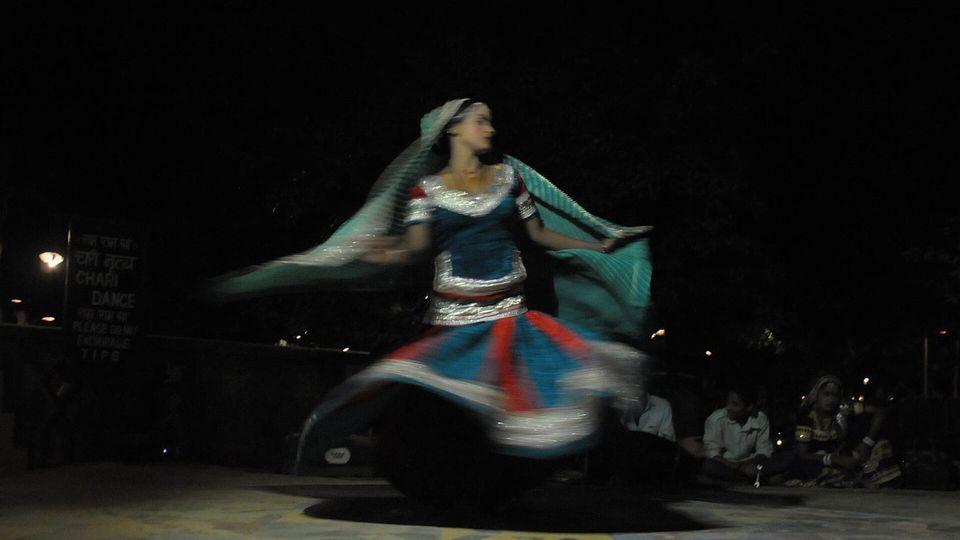 Folk danceGhoomar — the dance of the swirling skirtSwirling ghagras, flowing veils and clapping rhythms at Gangaur, Teej and weddings.3 scenes · with music · ♥ 13
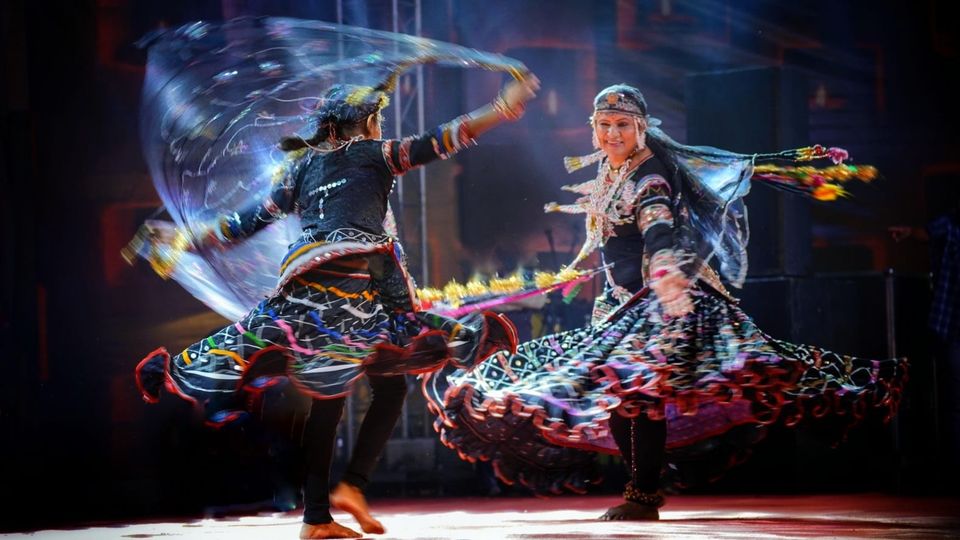 Folk danceKalbeliya — the serpent dance, a UNESCO heritageBodies sway like serpents to the pungi; on UNESCO’s intangible heritage list since 2010.4 scenes · with music · ♥ 1
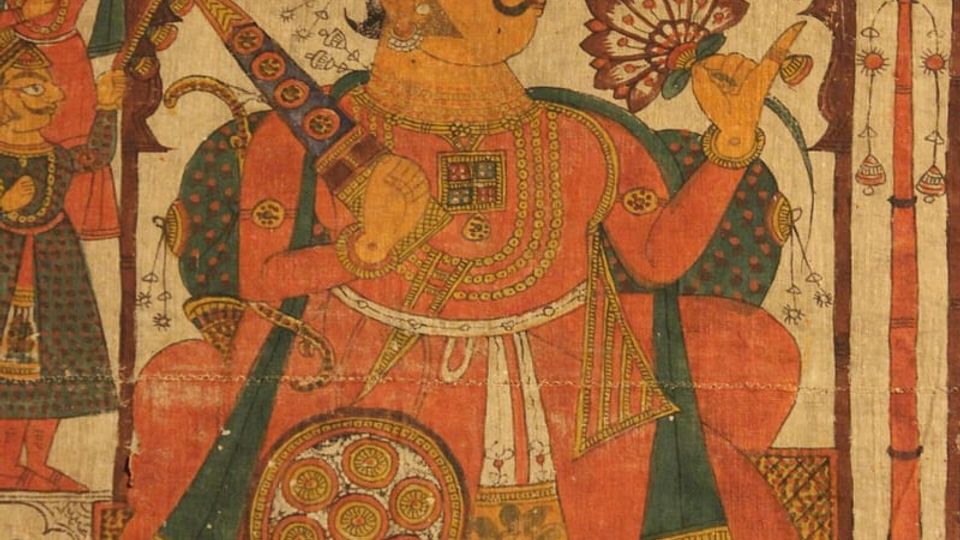 PaintingPhad and Ravanahatha — a story that travelsThrough the night, the bhopa and bhopi sing the epic of folk deities before the phad, to the ravanahatha.4 scenes · with music · ♥ 5