Baran Darshan — Shahabad Fort, Ramgarh crater
Baran district in Rajasthan blends cultural heritage with natural beauty at its heart.
TIMES of RAJASTHAN · DARSHAN
Baran Darshan — Shahabad Fort, Ramgarh crater
Baran district in Rajasthan blends cultural heritage with natural beauty at its heart.
In detail
Baran district is a district in Rajasthan with its headquarters at the city of Baran. It was formed on 10 April 1991 after being carved out of Kota district.
History
Before Indian independence in 1947, most of present‑day Baran district was part of the princely state of Kota. The district was created on 10 April 1991 when it was carved out of Kota district, and it was named after the existing city of Baran, which remains the district headquarters.
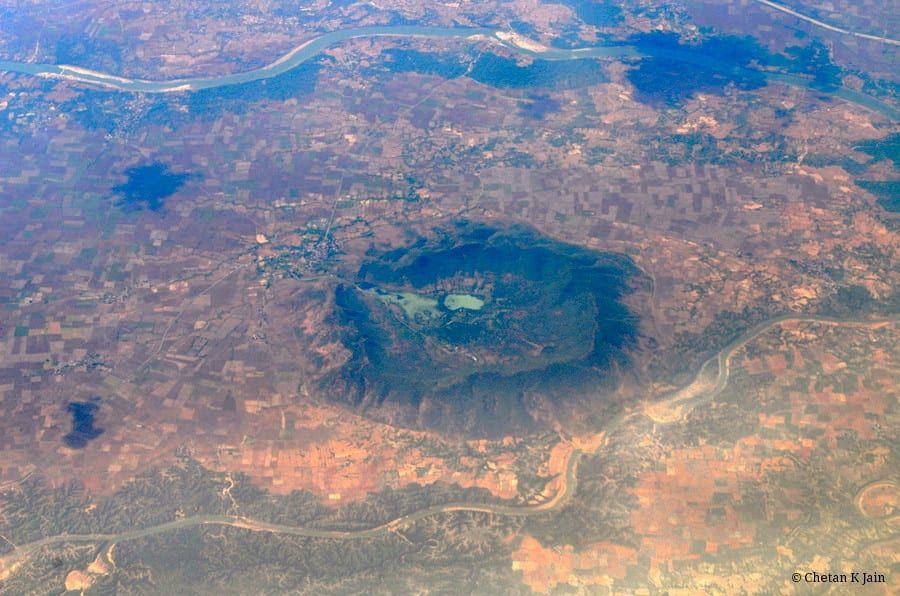
The area also contains the 10th‑century Bhand Deva Temple, built in the style of Khajuraho temples. The temple sits on the banks of a pond in the centre of the 4 km wide Ramgarh crater, located about 40 km from the city of Baran and 240 km from the Dhala crater.
Geography and climate
Baran district lies at 25.1°N 76.52°E and sits at an average elevation of 262 metres. It is part of the Kota Plateau within the Vindhya Range and is notable for the Ramgarh crater, formed by a meteorite impact.
The district is traversed by several rivers, including the Kali Sindh, Parvati, Parwan, Andheri, and Ban‑Ganga, which contribute to its water resources.
Baran experiences a dry climate for most of the year, with distinct seasonal patterns. Winter extends from mid‑November to February, while summer runs from March to mid‑June. The monsoon season spans from mid‑June to September, followed by a post‑monsoon or retreating monsoon period from October to mid‑November.
The average annual rainfall is 895.2 mm. January is the coldest month, with an average daily maximum of 24.3 °C and a minimum of 10.6 °C.
People and languages
Baran district, as recorded in the 2011 census, had a population of 1,222,755, placing it 389th among Indian districts. The population density was 175 inhabitants per square kilometre, and the district experienced a growth rate of 19.8% over the decade from 2001 to 2011. The sex ratio stood at 926 females for every 1,000 males, while the literacy rate was 67.38 percent. Urban residents accounted for 20.79 percent of the population, and Scheduled Castes and Scheduled Tribes comprised 18.09 percent and 22.64 percent respectively.
In terms of language, the 2011 census data shows that 70.59 percent of the district’s inhabitants spoke Hadoti, a Rajasthani dialect, as their first language. Hindi was the first language for 25.37 percent of the population, and Urdu was spoken by 1.92 percent. These figures illustrate the linguistic diversity present within Baran district, with a predominant use of the regional Hadoti language alongside Hindi and Urdu.
Based on: the Wikipedia article (CC BY-SA 4.0) — facts from that source; edited and translated by Times of Rajasthan.
More visual stories
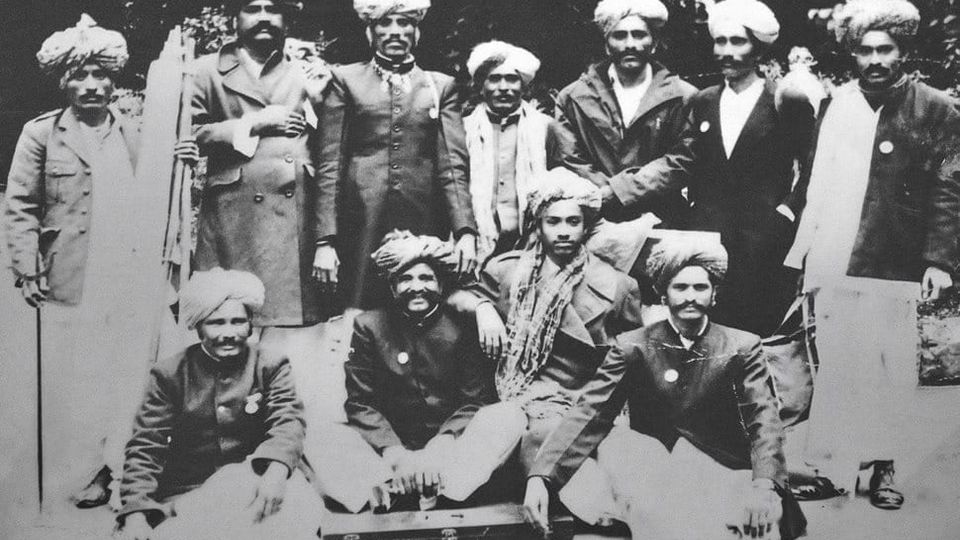 Folk musicKesariya Balam — the songs of the ManganiyarsMaand singing from the Thar, the hum of the kamaicha and the clack of the khartal.5 scenes · with music · ♥ 11
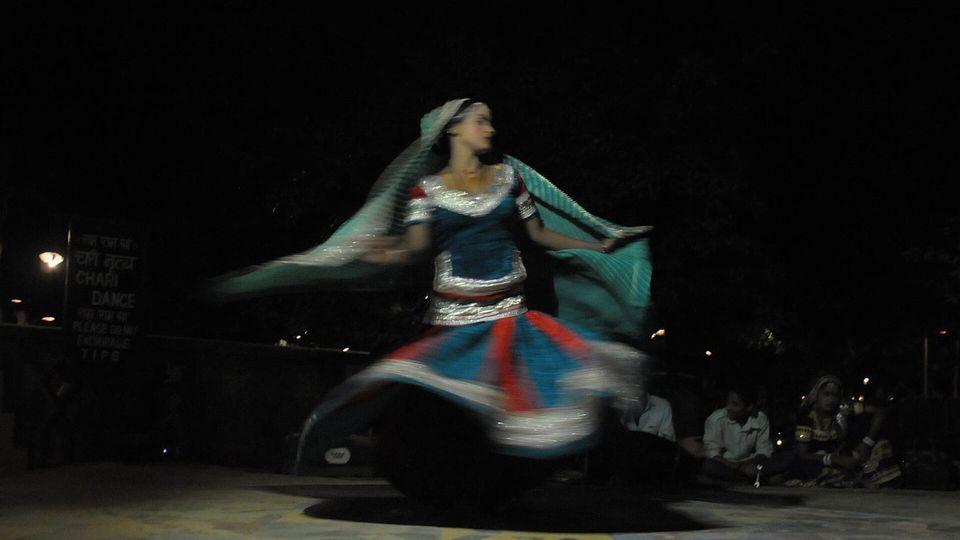 Folk danceGhoomar — the dance of the swirling skirtSwirling ghagras, flowing veils and clapping rhythms at Gangaur, Teej and weddings.3 scenes · with music · ♥ 13
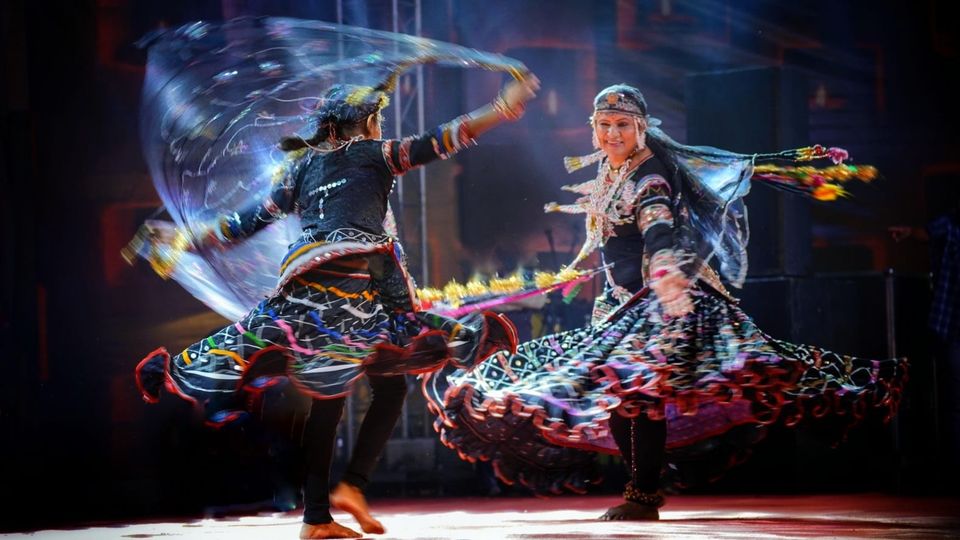 Folk danceKalbeliya — the serpent dance, a UNESCO heritageBodies sway like serpents to the pungi; on UNESCO’s intangible heritage list since 2010.4 scenes · with music · ♥ 1
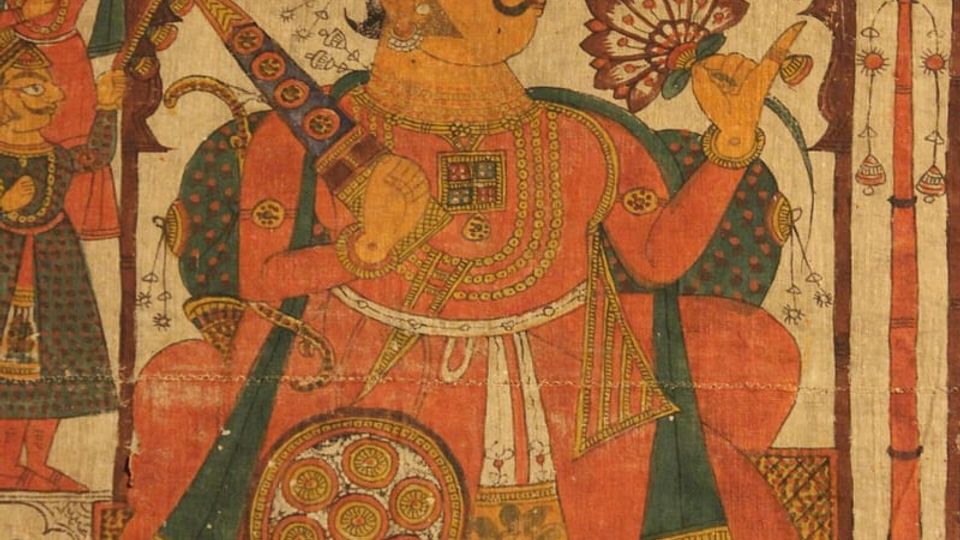 PaintingPhad and Ravanahatha — a story that travelsThrough the night, the bhopa and bhopi sing the epic of folk deities before the phad, to the ravanahatha.4 scenes · with music · ♥ 5