Balotra Darshan — Nakoda Jain tirth, Textile dyeing & printing
Balotra district in Rajasthan is a land of cultural heritage and vibrant craftsmanship.
TIMES of RAJASTHAN · DARSHAN
Balotra Darshan — Nakoda Jain tirth, Textile dyeing & printing
Balotra district in Rajasthan is a land of cultural heritage and vibrant craftsmanship.
In detail
Balotra district was created on 7 August 2023 after separating from Barmer district. Its headquarters is the town of Balotra and it covers an area of 10,551 sq km with a population of 970,760.
Overview
Balotra district is a district of Rajasthan state of India. This district came into existence on 7 August 2023 by separating from Barmer district.
Balotra's district headquarters is Balotra town. Balotra district is bordered by Jaisalmer district in the north, Jodhpur Rural district in the east, Pali, Jalore district in the south and Barmer district in the west.
The area of Balotra district is 10,551 sq km. The total population of Balotra district is 9,70,760.
Balotra is a city situated in the Balotra district within the state of Rajasthan, India. Previously, it was located in the Barmer district of the Indian state of Rajasthan.
People and languages
Balotra city, the administrative centre of Balotra district, had a population of 74,496 according to the 2011 census. Of this total, 38,715 were male and 35,781 were female. Children aged 0 to 6 years numbered 10,984, representing 14.74% of the city’s population.
The sex ratio in Balotra city was approximately 924 females for every 1,000 males, slightly below the state average of 928. Literacy levels were reported at 64.39%, with a marked gender gap: 73.26% of males were literate compared to 54.78% of females.
Scheduled Castes comprised 14.2% of the city’s residents, while Scheduled Tribes accounted for 3.37%. These demographic figures provide a snapshot of the social composition of Balotra as of the last national census.
Culture, fairs and places to see
The Mallinath cattle fair, held annually in April, is one of the largest cattle fairs in India. It takes place in Tilwara, an area known for archaeological discoveries, and lasts for two weeks. The fair attracts a large number of visitors and traders, underscoring the region’s importance in livestock trade.
Siwana Fort, located about 35 kilometres from Balotra, is a significant historical site built in the 10th century by Veer Narayan Parmar, the son of King Bhoj. The fort showcases architectural elements from its period of construction and is a popular destination for history enthusiasts.
Bhimgoda Tirth is a revered pilgrimage site with ties to the Mahabharata era. Legend says Bhima struck the ground with his knee to produce water, and the site is also associated with the meditation of Māncharam. Under Abhayram Maharaj’s guidance, the temple at Bhimgoda Tirth gained prestige, and the site hosts the famous Gangaur Mela. A continuous flow of sweet water from the surrounding hills occurs throughout the year.
Peepalun village, situated at the base of Siwana, is known for its Chhappan Hills. During the monsoon season, devotees visit the temple located in the region, accessed by traversing a route that passes through seven hills. The site becomes a popular pilgrimage destination during the rainy months.
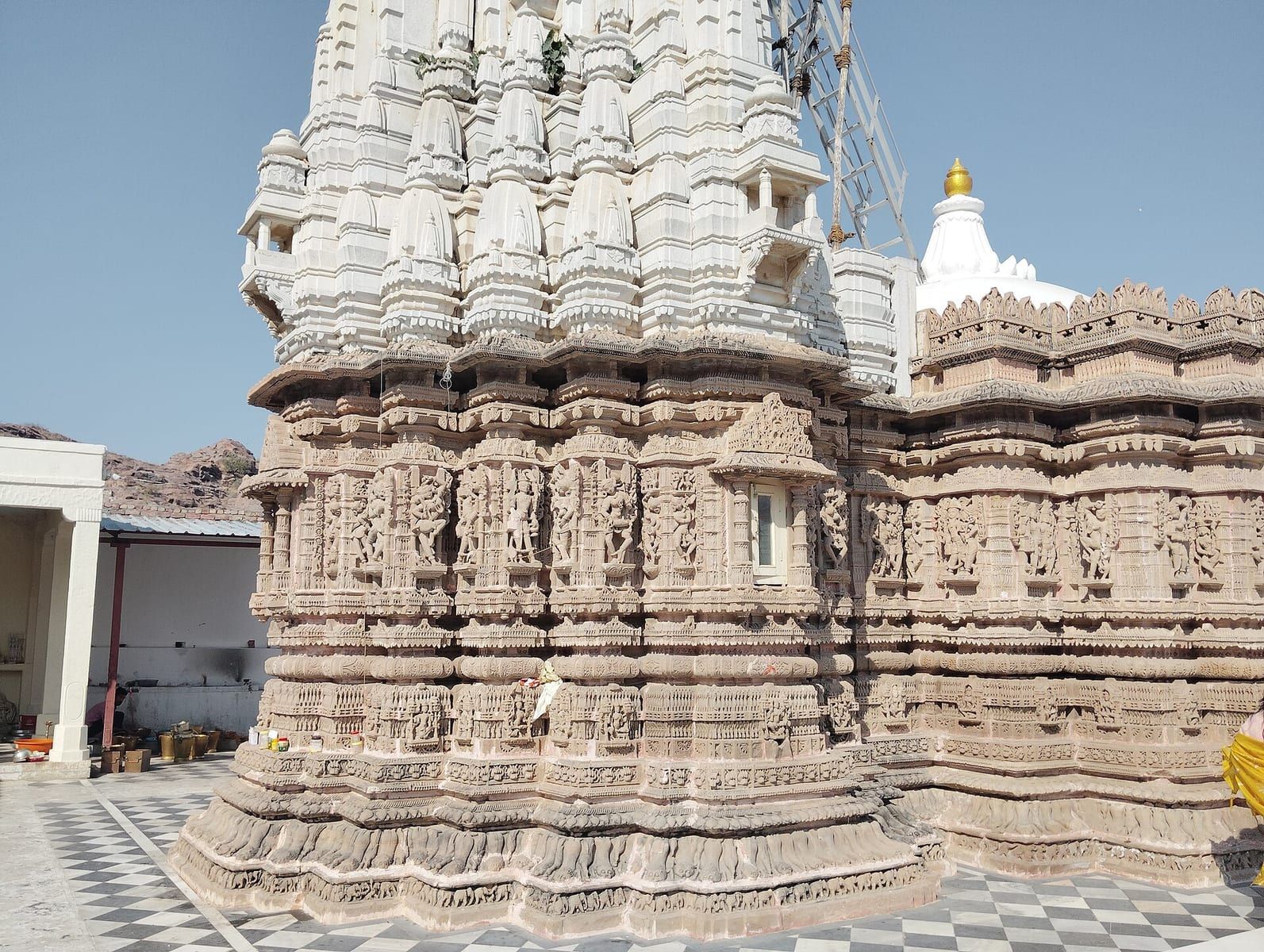
Balotra district hosts several significant temples that attract millions of devotees annually. The Nakoda Jain Temple, about 13 kilometres from Balotra, is a prominent Jain pilgrimage site dedicated to Lord Parshwanath and Bhairuji. The Brahma Temple in Asotra, established by Khetaram Ji, is the third temple in India dedicated to Lord Brahma. The Rani Bhatiyani Temple in Jasol Dham, around 5 kilometres from Balotra, sees millions of visitors on the thirteenth day of Bhadrapad. The Bithuja Temple, 6 kilometres away, is closely associated with Baba Ramdev Ji and is often called “Mini Ramdevra.” The Nagnechi Mata Temple, 35 kilometres from Balotra, serves as the Kuldevi of the Rathores. Finally, the Rani Rupade Mata Temple, 12 kilometres from Balotra, has undergone renovations and hosts a large cattle fair each year from Chaitra Krishna Ekadashi to Chaitra Shukla Ekadashi, highlighting its religious and cultural significance.
Based on: the Wikipedia article (CC BY-SA 4.0) — facts from that source; edited and translated by Times of Rajasthan.
More visual stories
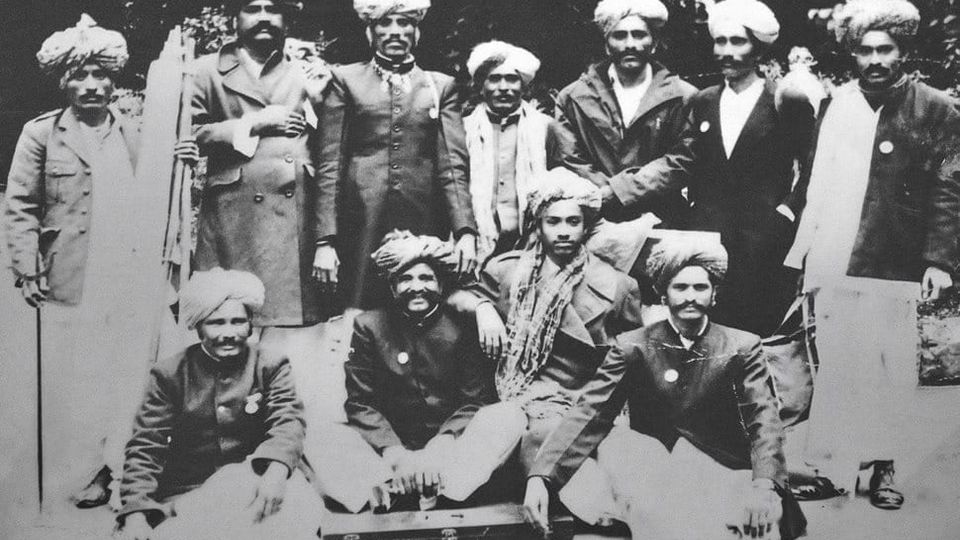 Folk musicKesariya Balam — the songs of the ManganiyarsMaand singing from the Thar, the hum of the kamaicha and the clack of the khartal.5 scenes · with music · ♥ 11
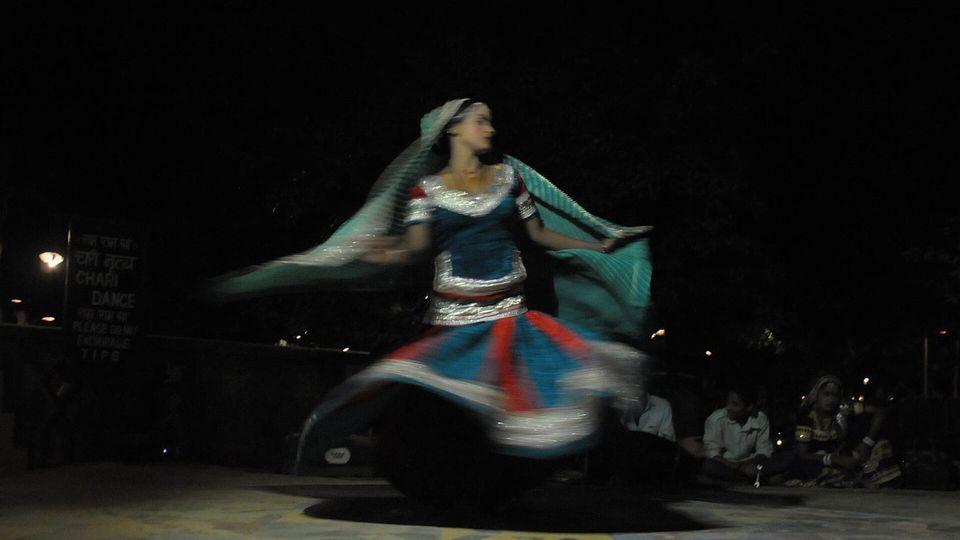 Folk danceGhoomar — the dance of the swirling skirtSwirling ghagras, flowing veils and clapping rhythms at Gangaur, Teej and weddings.3 scenes · with music · ♥ 13
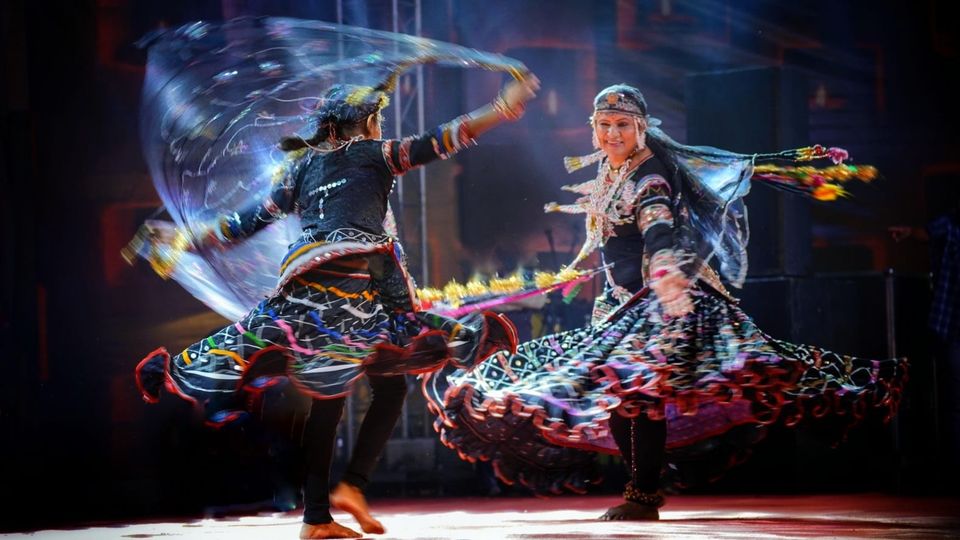 Folk danceKalbeliya — the serpent dance, a UNESCO heritageBodies sway like serpents to the pungi; on UNESCO’s intangible heritage list since 2010.4 scenes · with music · ♥ 1
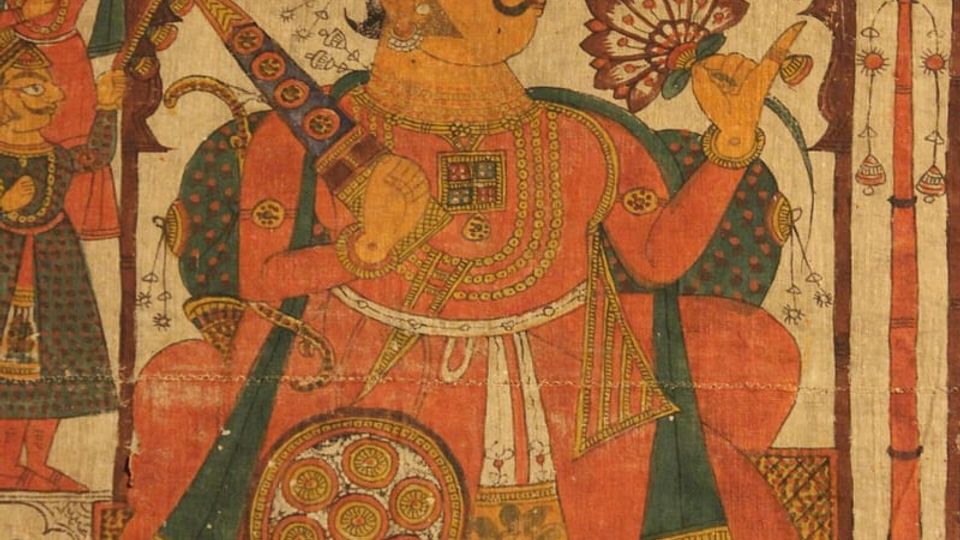 PaintingPhad and Ravanahatha — a story that travelsThrough the night, the bhopa and bhopi sing the epic of folk deities before the phad, to the ravanahatha.4 scenes · with music · ♥ 5