Dal-Baati-Churma — Rajasthan on a plate
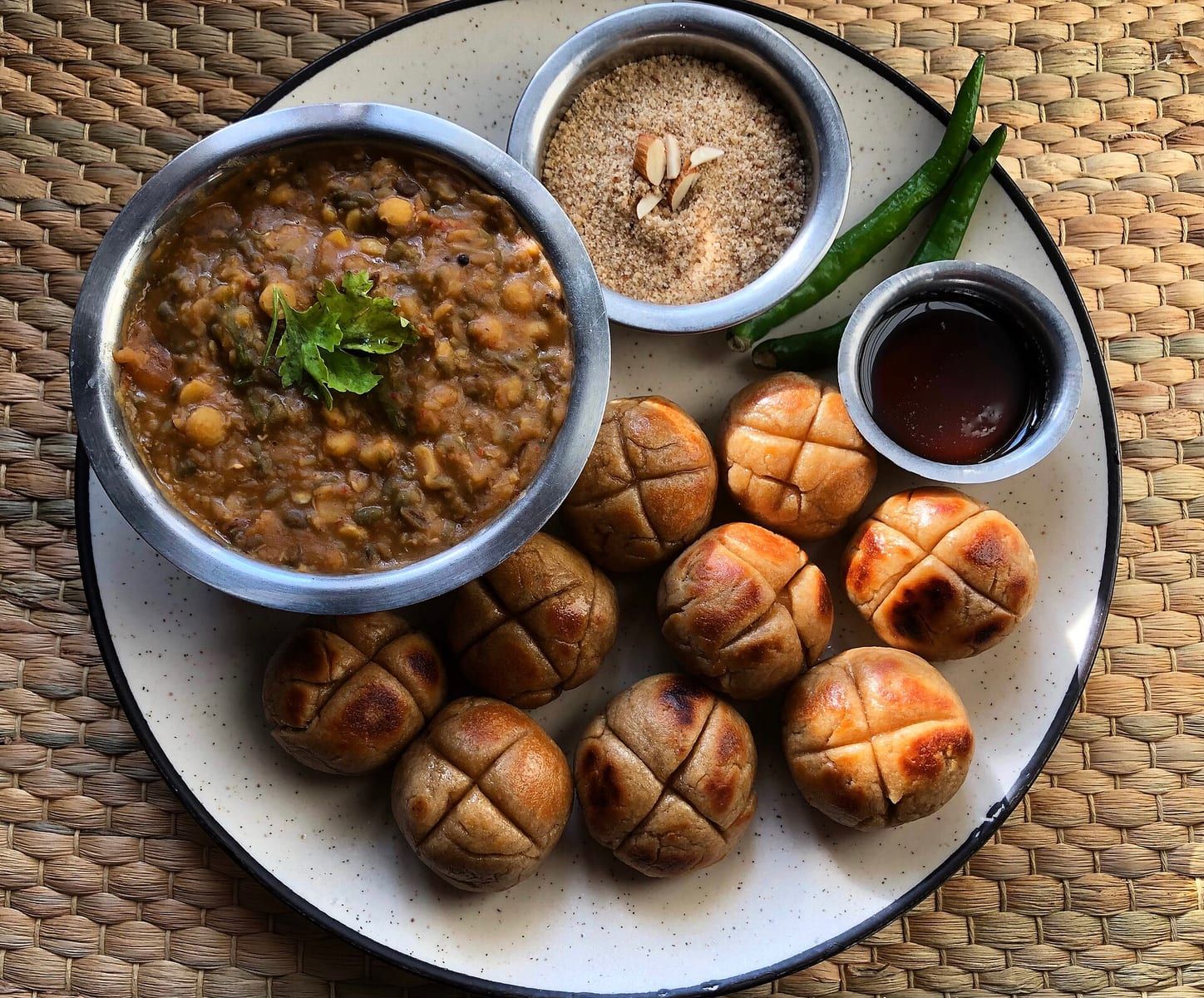
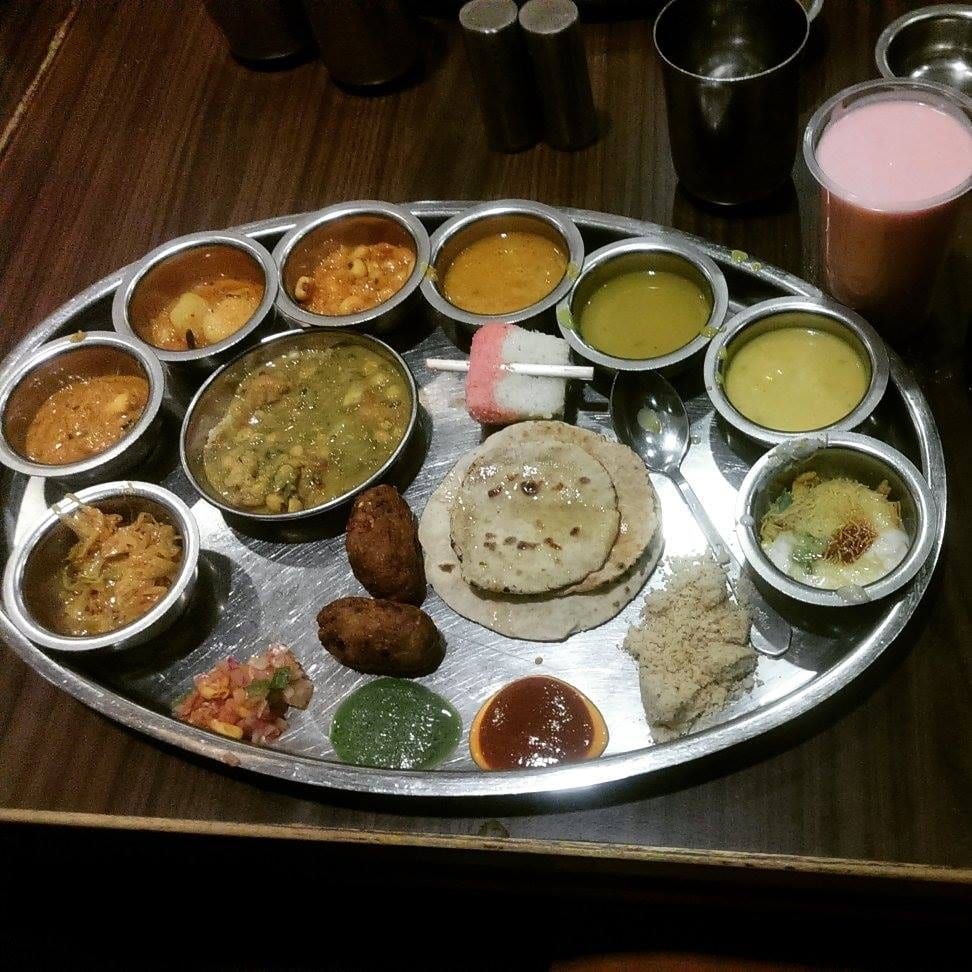
Baati baked on embers, five-lentil dal and churma with ghee and sugar.
TIMES of RAJASTHAN · DARSHAN
Dal-Baati-Churma — Rajasthan on a plate
Baati baked on embers, five-lentil dal and churma with ghee and sugar.
In detail
Dal‑bati is a traditional Indian dish consisting of lentil stew (dal) and hard wheat rolls (bati), widely enjoyed across Rajasthan and neighboring states. It is typically served with sweet churma, forming the complete meal known as dal‑bati‑churma.
Overview
Dal bati is an Indian dish that combines lentils (dal) with hard wheat rolls (bati). It is popular in Rajasthan, Madhya Pradesh—particularly in the Braj, Nimar and Malwa regions—Maharashtra’s Khandesh and Vidarbha areas, Gujarat, and Uttar Pradesh.
In Rajasthan and nearby areas, the dish is often served together with churma, forming the complete meal known as dal bati churma. The dal is prepared from various pulses such as tuvaar dal, chana daal (which is split chickpeas with the skin removed), mung dal, moth dal, or urad dal. After soaking the lentils for a few hours, they are cooked with a seasoning of mustard and cumin seeds added to hot vegetable oil. Green chilli, garlic, asafoetida, red chilli, turmeric, coriander, and ginger are then incorporated, and the boiled dal is finished in the pan. Some regions offer a sweet and sour variation of the dal.
The bati is a hard bread made from wheat flour, commonly called aata. The dough is kneaded with salt, yogurt (dahi), and water, then shaped into tennis ball‑sized round balls. These balls are cooked in a well‑heated traditional oven or an earthen stove until they turn golden brown. Once cooked, the baati is greased with ghee.
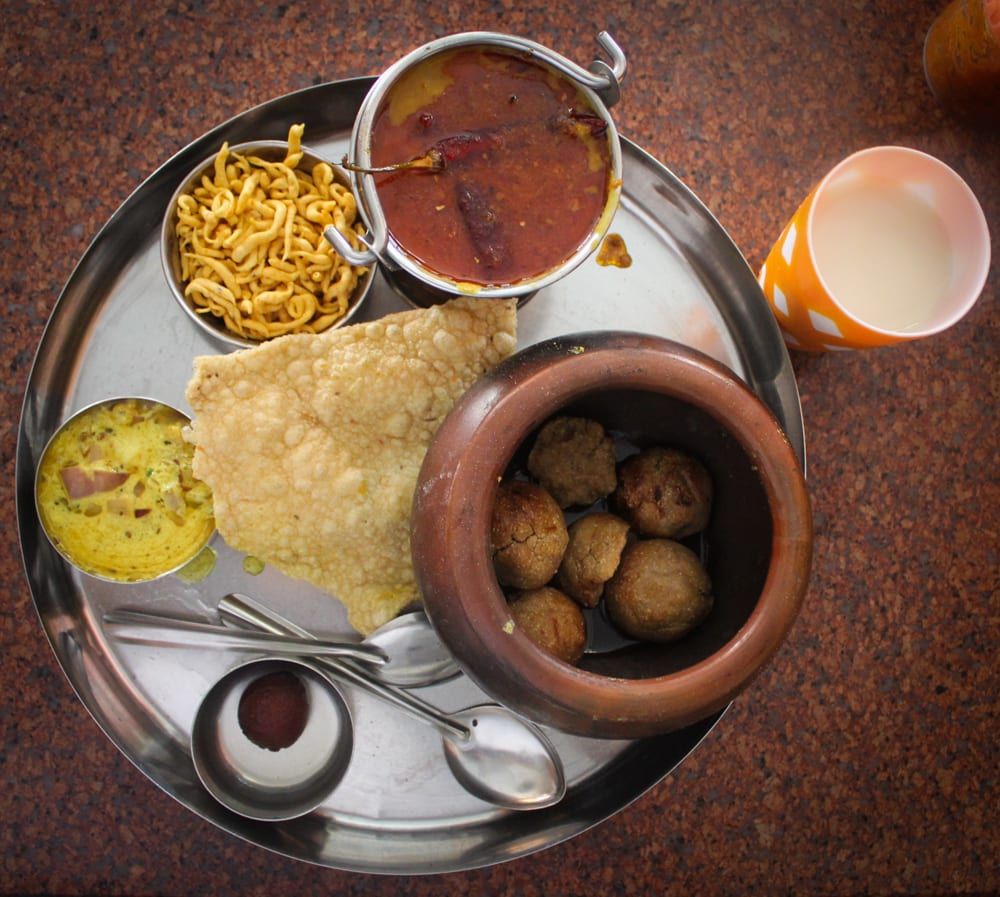
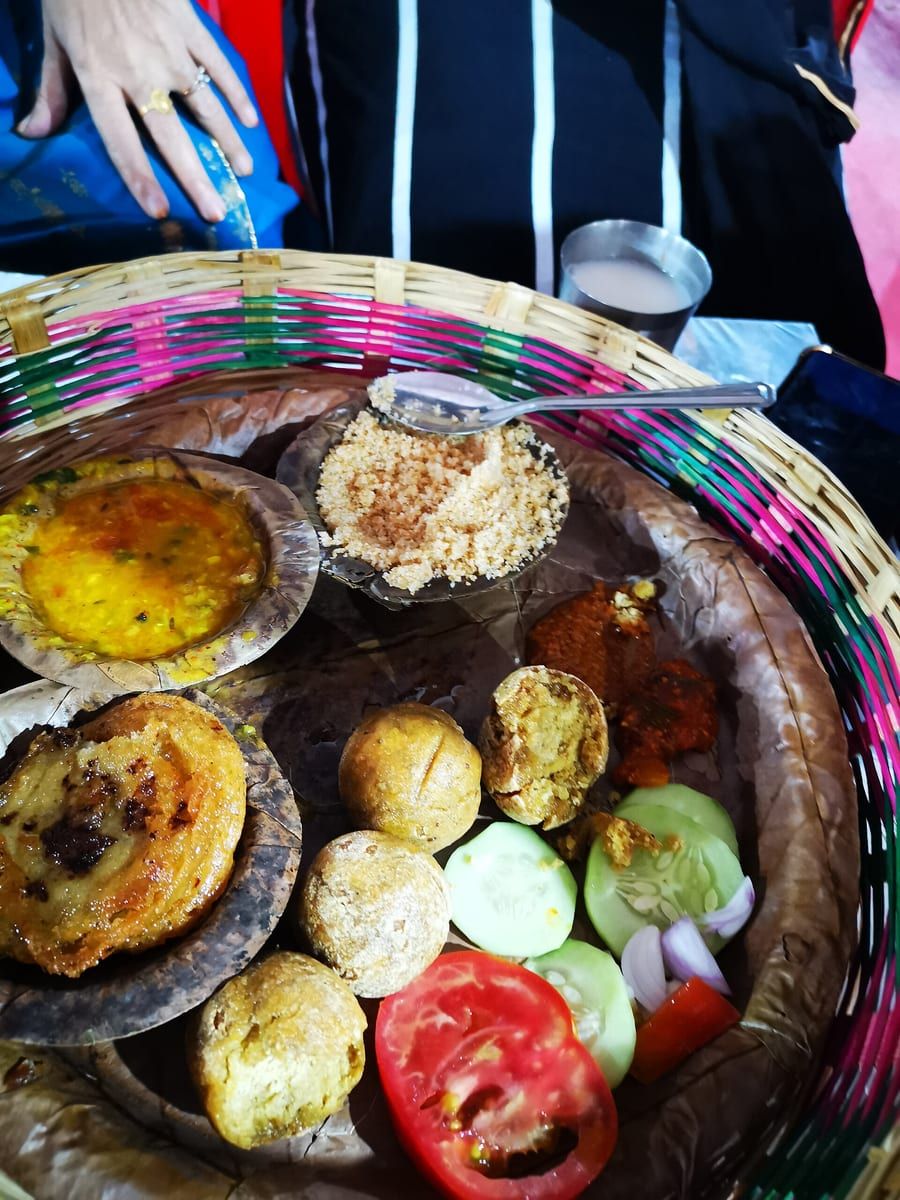
After preparation, the dish is served with the dal and can be accompanied by rava laddoo, rice, pudina chutney, kairi (raw mango) chutney, garlic chutney, a green salad with much onion, and fresh buttermilk. The combination of the spicy lentil soup and the crispy, ghee‑rich bati creates a distinctive culinary experience characteristic of the region.
History and origins
The dish has long been associated with the western region of India, especially Rajasthan, Haryana and parts of Gujarat, though precise origins are unclear. Early references describe baati made of unsalted wheat, ghee and camel milk during the era of Bappa Rawal, the founder of the Mewar kingdom, when it served as the Guhilot’s official wartime meal.
According to anecdotal accounts, soldiers would break dough into chunks, bury them under thin layers of sand and bake them in the sun. Upon returning they found round, perfectly baked baatis, which they dunked in ghee and sometimes added curd or buttermilk. Initially baati was paired only with ghee and curd; the later addition of dal and churma created the complete dal‑bati‑churma meal.
Anthropologists note that at a grassroots level baati continued to be served with ghee and buttermilk or curd made from camel or goat milk, while the combination with dal became more common among upper‑caste groups, possibly influenced by traders in Mewar or culinary practices from the Gupta period when Panchmael Dal was a delicacy. These connections remain speculative.
The inclusion of churma as an integral part of the meal is often linked to the House of Mewar. Folklore recounts that a cook accidentally poured sugarcane juice into baati during wartime, or that homemakers soaked baatis in sugar or jaggery water to preserve them for their husbands, leading to the development of churma. These stories are anecdotal and lack definitive evidence.
Based on: the Wikipedia article (CC BY-SA 4.0) — facts from that source; edited and translated by Times of Rajasthan.
More visual stories
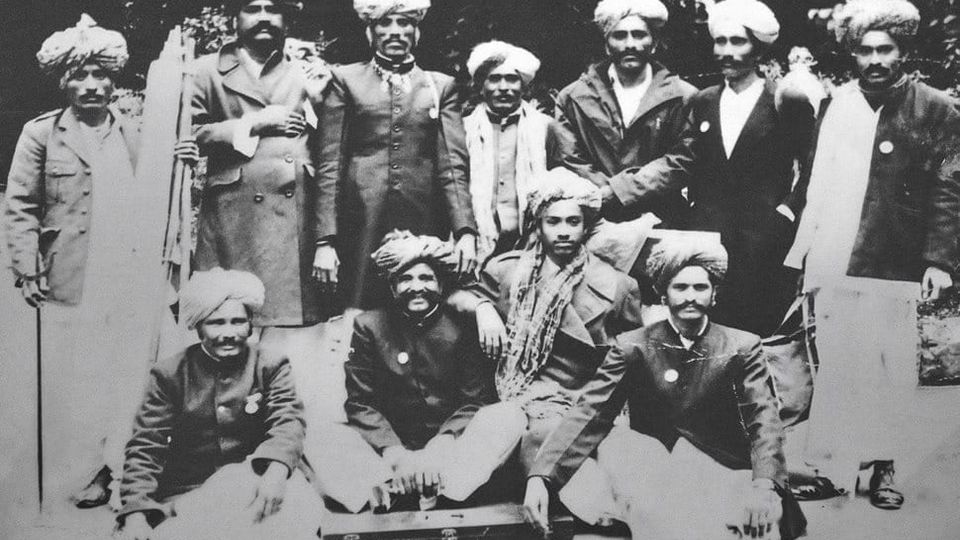 Folk musicKesariya Balam — the songs of the ManganiyarsMaand singing from the Thar, the hum of the kamaicha and the clack of the khartal.5 scenes · with music · ♥ 11
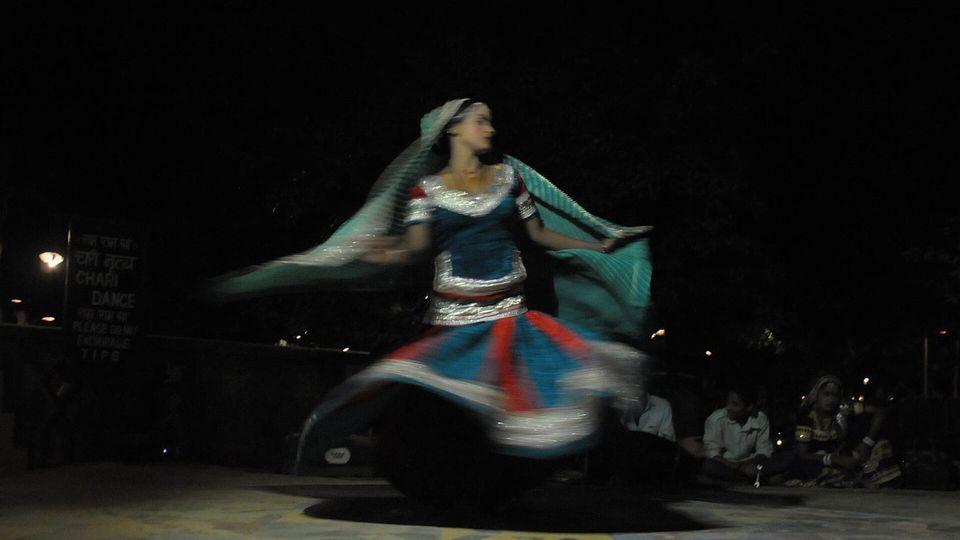 Folk danceGhoomar — the dance of the swirling skirtSwirling ghagras, flowing veils and clapping rhythms at Gangaur, Teej and weddings.3 scenes · with music · ♥ 13
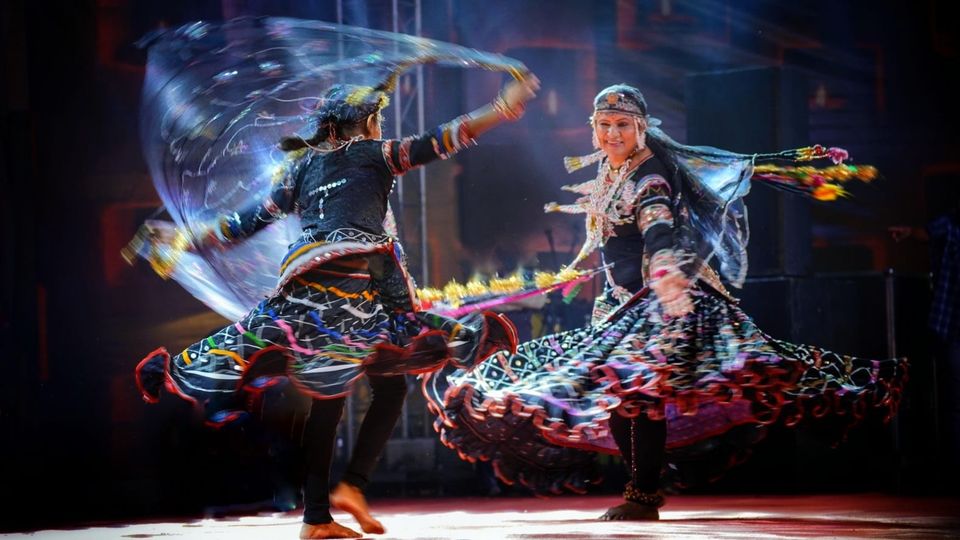 Folk danceKalbeliya — the serpent dance, a UNESCO heritageBodies sway like serpents to the pungi; on UNESCO’s intangible heritage list since 2010.4 scenes · with music · ♥ 1
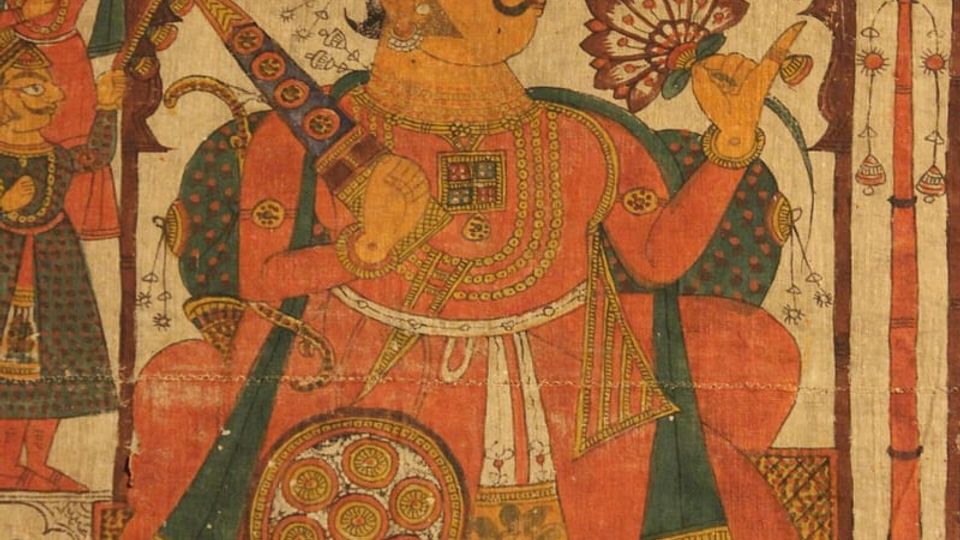 PaintingPhad and Ravanahatha — a story that travelsThrough the night, the bhopa and bhopi sing the epic of folk deities before the phad, to the ravanahatha.4 scenes · with music · ♥ 5
Photos: Mahi Tatavarty / Wikimedia Commons (CC BY-SA 4.0) · RohitValecha / Wikimedia Commons (CC BY-SA 4.0) · Farosid / Wikimedia Commons (CC BY-SA 4.0) · Manasi nafde / Wikimedia Commons (CC BY-SA 4.0)