City Palace, Udaipur
A visual story of Udaipur's main attractions.
TIMES of RAJASTHAN · DARSHAN
City Palace, Udaipur
A visual story of Udaipur's main attractions.
In detail
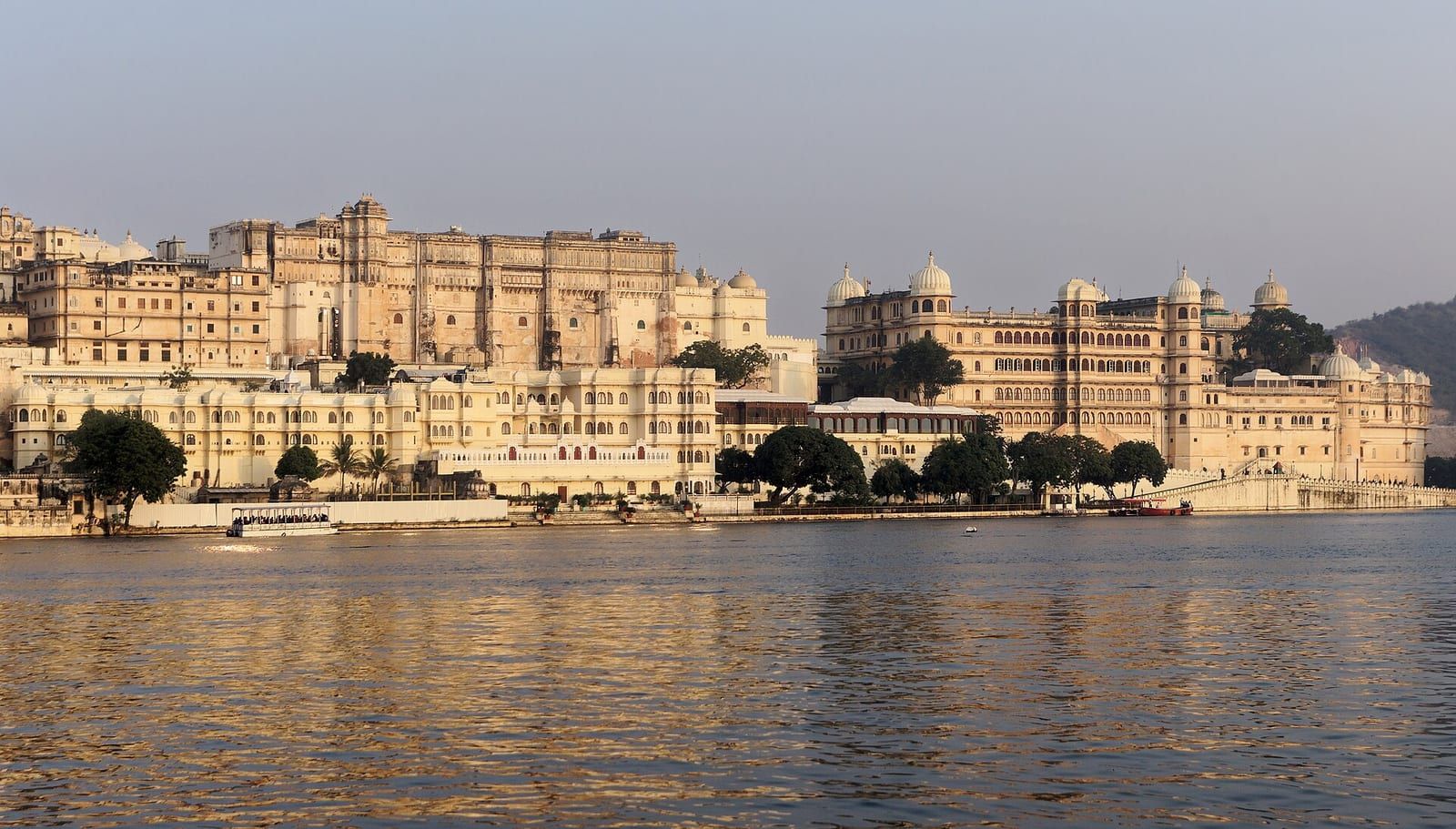
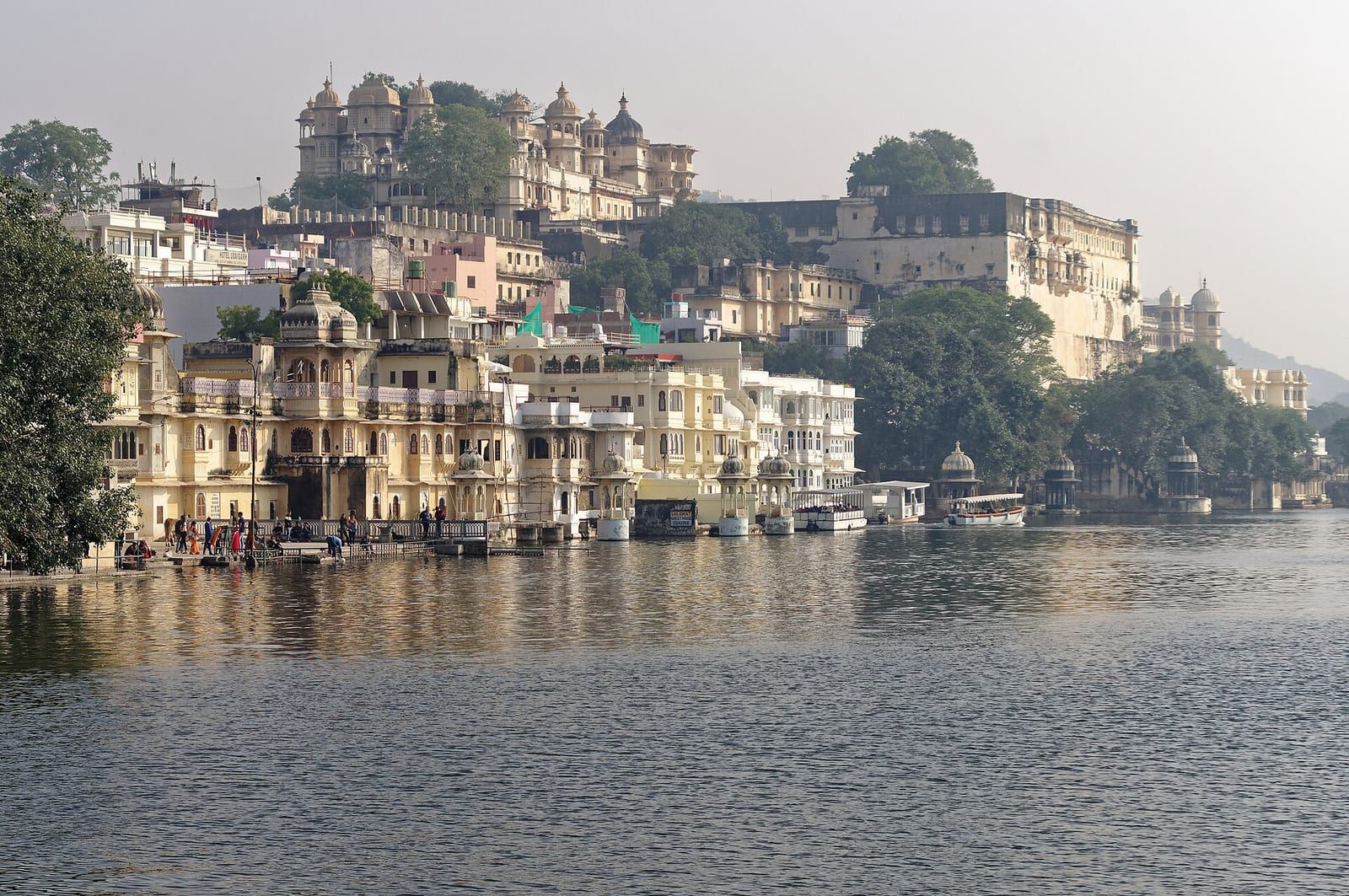
City Palace in Udaipur is a sprawling palace complex that was constructed over nearly 400 years, beginning in 1553 by Maharana Udai Singh II of the Sisodia Rajput family as he moved the capital from Chittor to Udaipur. It stands on the east bank of Lake Pichola, atop a hill, and is renowned for its flamboyant Rajasthani Rajput architecture, panoramic city views, and proximity to historic monuments such as the Lake Palace, Jag Mandir, Jagdish Temple, Monsoon Palace, and Neemach Mata temple.
Overview
The City Palace, also known as Raj Mahal, is a sprawling palace complex located in Udaipur, Rajasthan, India. It occupies the east bank of Lake Pichola and is situated on a hill within the Aravali mountain range. The palace was constructed over a period of nearly 400 years, beginning in 1553 under the direction of Maharana Udai Singh II of the Sisodia Rajput family. His decision to shift the capital from Chittor to Udaipur prompted the initiation of this grand architectural project.
The complex is renowned for its flamboyant style and is considered the largest of its type in Rajasthan. It showcases a fusion of Rajasthani Rajput architecture, offering a panoramic view of the city and its surroundings. The palace complex incorporates several palaces built within its boundaries, each contributing to the overall grandeur of the site.
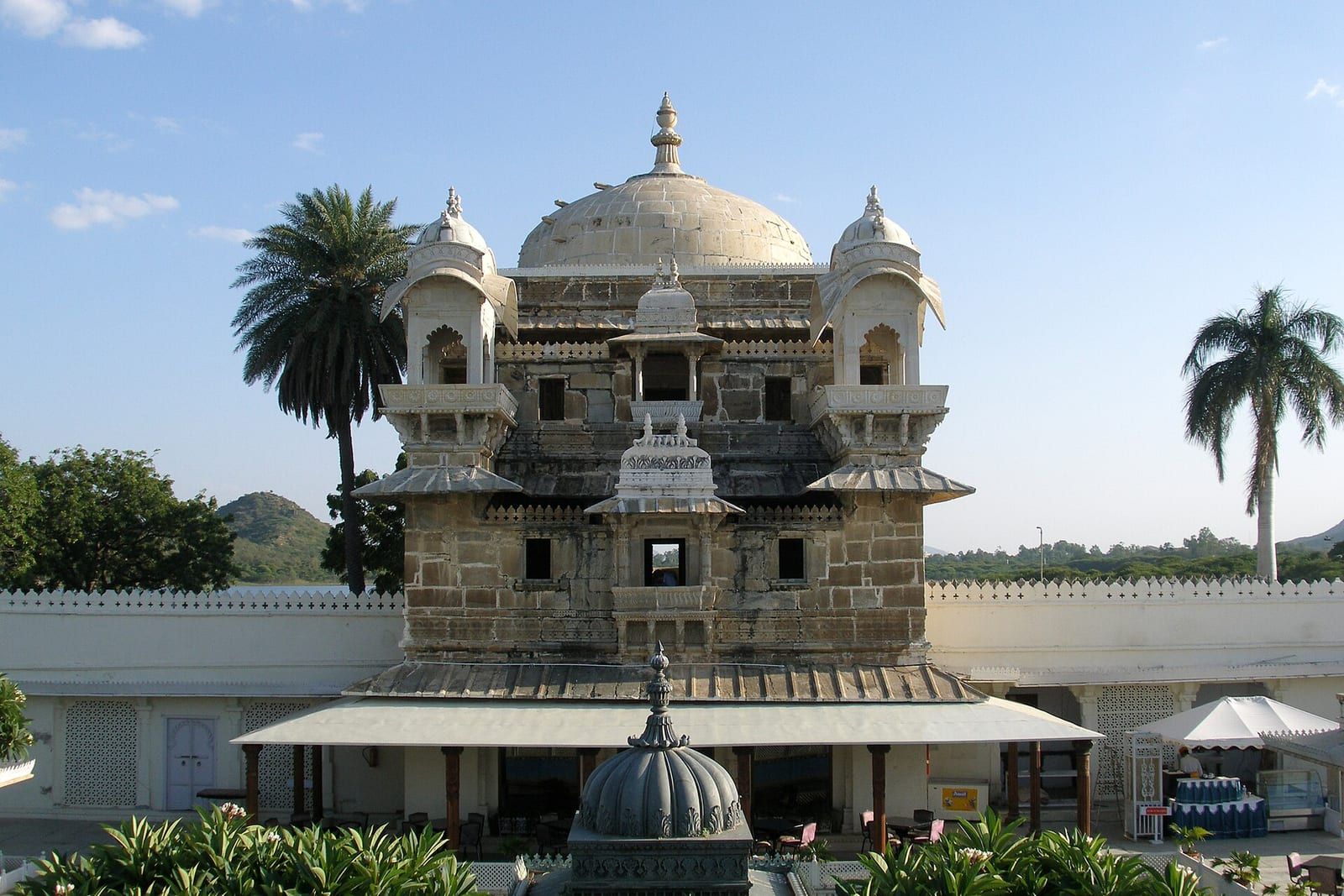
The City Palace overlooks Lake Pichola and is surrounded by several historic monuments, including the Lake Palace, Jag Mandir, Jagdish Temple, Monsoon Palace, and Neemach Mata temple. These landmarks, situated in the vicinity of the palace complex, are also associated with popular culture and add to the historical significance of the area.
The palace’s construction involved contributions from multiple rulers of the Mewar dynasty, reflecting a collaborative effort over centuries. The result is a complex that not only serves as a testament to the architectural prowess of the Rajput era but also stands as a cultural and historical landmark in Udaipur.
History and origins
The City Palace was constructed concurrently with the founding of Udaipur by Maharana Udai Singh II and continued to be expanded by his successors over the next four centuries. The palace served as the residence and administrative center for the Maharanas, making it a key historic landmark in the region.
The Mewar kingdom had originally flourished in Nagda, founded in 568 AD by Guhil, the first Maharana of Mewar. In the eighth century the capital was moved to Chittor, a hilltop fort from which the Sisodias ruled for eight hundred years. By 1537 Maharana Udai Singh II inherited the kingdom at Chittor, but the fort was increasingly vulnerable to Mughal attacks. He therefore chose a new site near Lake Pichola, a location protected by forests, lakes and the Aravalli hills, and built the Royal courtyard or ‘Rai Angan’ as the first structure of the City Palace complex.
After Udai Singh’s death in 1572, his son Maharana Pratap assumed power in Udaipur. The famous Battle of Haldighati in 1576 ended in a stalemate against Mughal Emperor Akbar. Following Pratap’s death, Amar Singh I became ruler.
By 1761 the Mewar state faced increasing Maratha attacks and was in a state of ruin. In 1818 Maharana Bhim Singh signed a treaty with the British, accepting their protection. After India’s independence in 1947, the Mewar Kingdom merged with democratic India in 1949, and the Maharanas lost their special royal privileges and titles. Nevertheless, they retained ownership of the palaces in Udaipur and converted parts of the complex into heritage hotels.
In November 2024 clashes erupted outside the palace when Vishvaraj Singh Mewar, the ceremonially anointed 77th Maharana of Mewar, was prevented from entering the complex by his estranged uncle Arvind Singh Mewar, who manages the trust running the estate.
What it is like
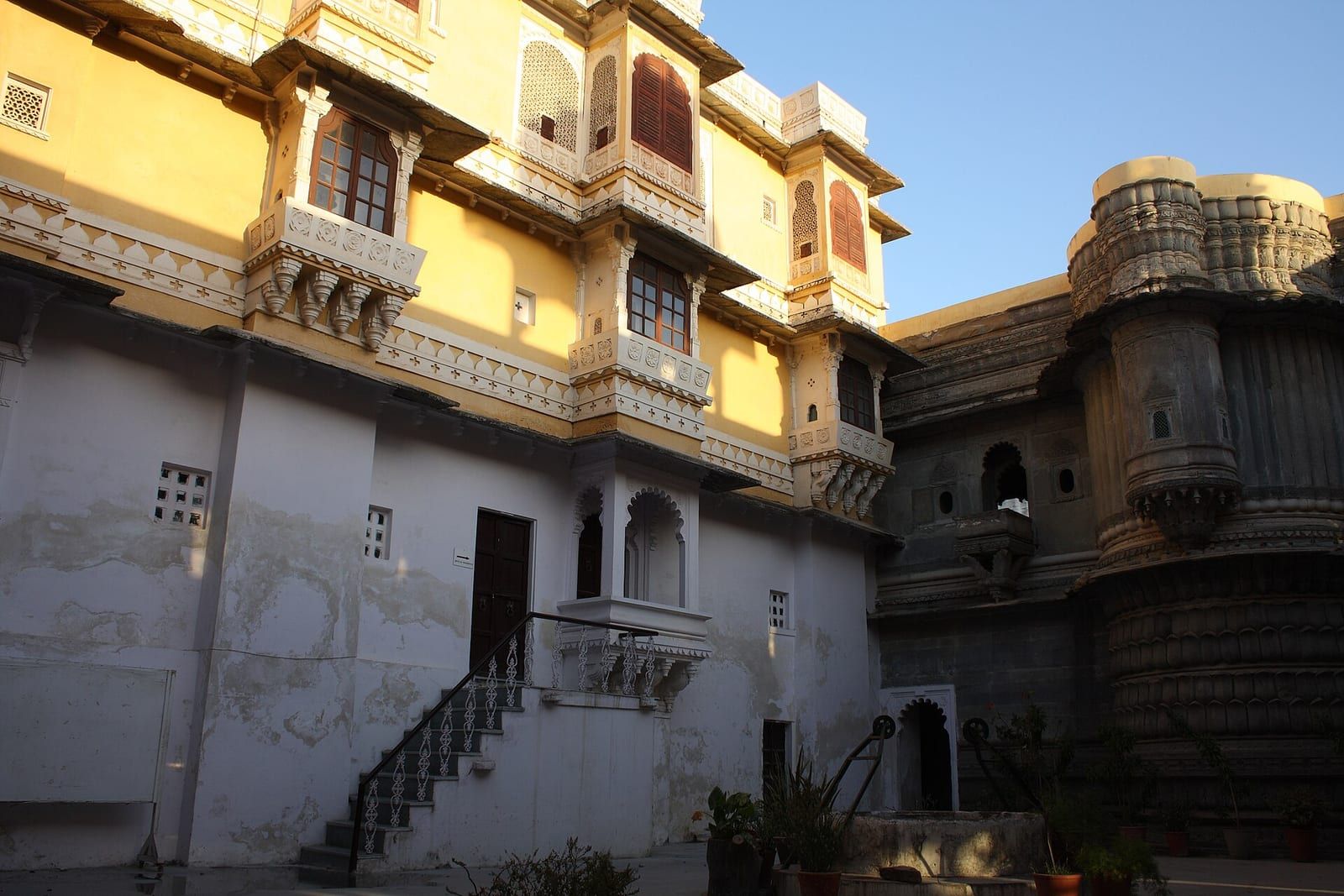
The City Palace complex in Udaipur stretches across a 244‑metre façade and rises 30.4 metres high, set on a ridge east of Lake Pichola. Built over a long period from 1559 onward by 22 generations of Sisodia Rajputs, the palace is a homogeneous conglomeration of granite and marble structures, including eleven small separate palaces. Its balconies, towers and cupolas showcase delicate mirror‑work, marble‑work, murals, wall paintings, silver‑work, inlay‑work and remnants of coloured glass, while the upper terraces offer views of the lake and the city.
Entry to the palace is through the main Tripolia gate, a triple‑arched gateway built in 1725. From there visitors pass through the Suraj Gokhda façade, the Mor‑chowk courtyard, the Dilkhush Mahal, the Surya Chopar, the Sheesh Mahal, the Moti Mahal, the Krishna Vilas, the Shambu Niwas, the Bhim Vilas, the Amar Vilas with its raised garden, the Badi Mahal, the Fateprakash Palace and the Shiv Niwas Palace. The complex also houses a post office, a bank, a travel agency, craft shops and an Indian boutique belonging to the World Wildlife Fund.
The Amar Vilas, the uppermost court, is a Mughal‑style pleasure pavilion with cusped arcades and a square marble tub, and it features hanging gardens, fountains, towers and terraces. The Badi Mahal, or Garden Palace, sits on a 27‑metre high natural rock formation; its ground‑floor rooms appear at the level of the fourth floor due to the height difference. Inside the Badi Mahal is a swimming pool that was used for Holi celebrations and a hall displaying miniature paintings from the 18th and 19th centuries, as well as wall paintings of Jag Mandir, Vishnu of Jagdish temple, the courtyard and an elephant‑fight scene.
The Bhim Vilas houses a gallery of miniature paintings depicting the real‑life stories of Radha‑Krishna, while the Chini Chitrashala displays Chinese and Dutch ornamental tiles. The Choti Chitrashali, built in the early 19th century, contains pictures of peacocks. The Dilkhusha Mahal, built in 1620, and the Durbar Hall, constructed in 1909 within the Fatehpraksh Palace, serve as venues for official functions and display royal weapons and portraits.
The Fateprakash Palace, now a luxury hotel, contains a crystal gallery with crystal chairs, dressing tables, sofas, tables, chairs and beds, crockery, table fountains and a jewel‑studded carpet. These items were ordered by Maharana Sajjan Singh in 1877 from F & C Osler & Co of London but remained unopened for 110 years. The Krishna Vilas holds miniature paintings of royal processions, festivals and games, and the Laxmi Vilas Chowk is an art gallery with a distinctive collection of Mewar paintings. The Manak Mahal, approached from the Manak Chowk, is an enclosure for formal audiences, featuring a raised alcove inlaid with mirror glass and Sun‑face emblems in gleaming brass, a recurring display of the Sisodia dynasty’s insignia throughout the palace.
Importance today
The City Palace continues to be a prominent cultural landmark in contemporary India. Its striking architecture and historic ambience have made it a sought‑after location for film productions. In 1983, the palace was featured as a hotel in the James Bond film Octopussy, where the protagonist stayed while pursuing the antagonist. The palace’s grandeur also attracted filmmakers in the 21st century; it served as a backdrop for the 2013 film Goliyon Ki Raasleela Ram‑Leela, directed by Sanjay Leela Bhansali.
Beyond cinema, the palace’s significance is recognized by national institutions. In 2018, India Post released a commemorative stamp that depicted the City Palace, underscoring its iconic status within the country’s heritage portfolio.
The palace’s grounds also host important cultural events. The area of Manak Chowk, within the palace complex, is the venue for the annual Maharana Mewar Foundation Awards. This ceremony honors students and national and international personalities, further cementing the palace’s role as a center for contemporary cultural recognition.
These contemporary uses—filming, philatelic commemoration, and award ceremonies—highlight how the City Palace remains a living symbol of Rajasthan’s history while actively engaging with modern cultural and artistic expressions.
Based on: the Wikipedia article (CC BY-SA 4.0) — facts from that source; edited and translated by Times of Rajasthan.
More visual stories
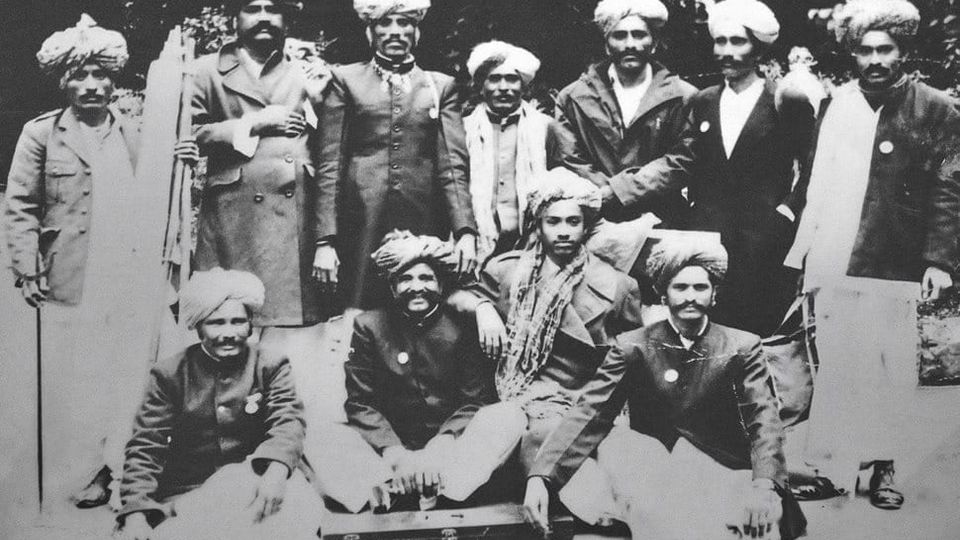 Folk musicKesariya Balam — the songs of the ManganiyarsMaand singing from the Thar, the hum of the kamaicha and the clack of the khartal.5 scenes · with music · ♥ 11
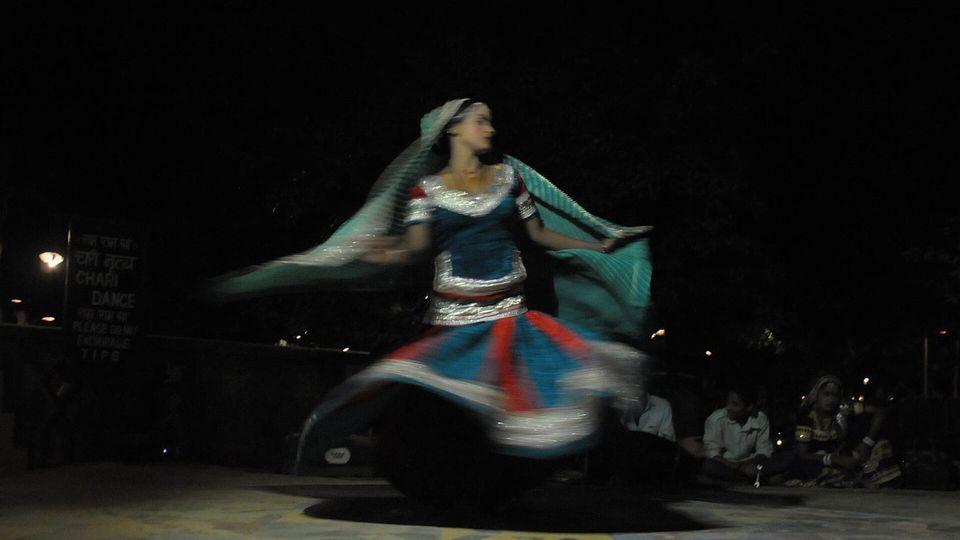 Folk danceGhoomar — the dance of the swirling skirtSwirling ghagras, flowing veils and clapping rhythms at Gangaur, Teej and weddings.3 scenes · with music · ♥ 13
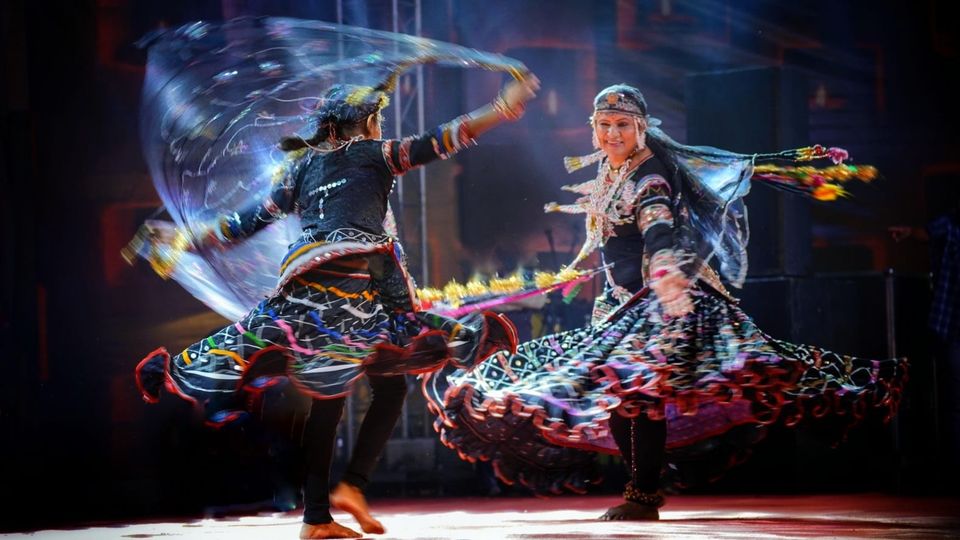 Folk danceKalbeliya — the serpent dance, a UNESCO heritageBodies sway like serpents to the pungi; on UNESCO’s intangible heritage list since 2010.4 scenes · with music · ♥ 1
 PaintingPhad and Ravanahatha — a story that travelsThrough the night, the bhopa and bhopi sing the epic of folk deities before the phad, to the ravanahatha.4 scenes · with music · ♥ 5
Photos: Jakub Hałun / Wikimedia Commons (CC BY-SA 4.0) · Jakub Hałun / Wikimedia Commons (CC BY-SA 4.0) · Vyacheslav Argenberg / Wikimedia Commons (CC BY 4.0) · Pallav.journo / Wikimedia Commons (CC BY-SA 4.0)