Chittorgarh Fort
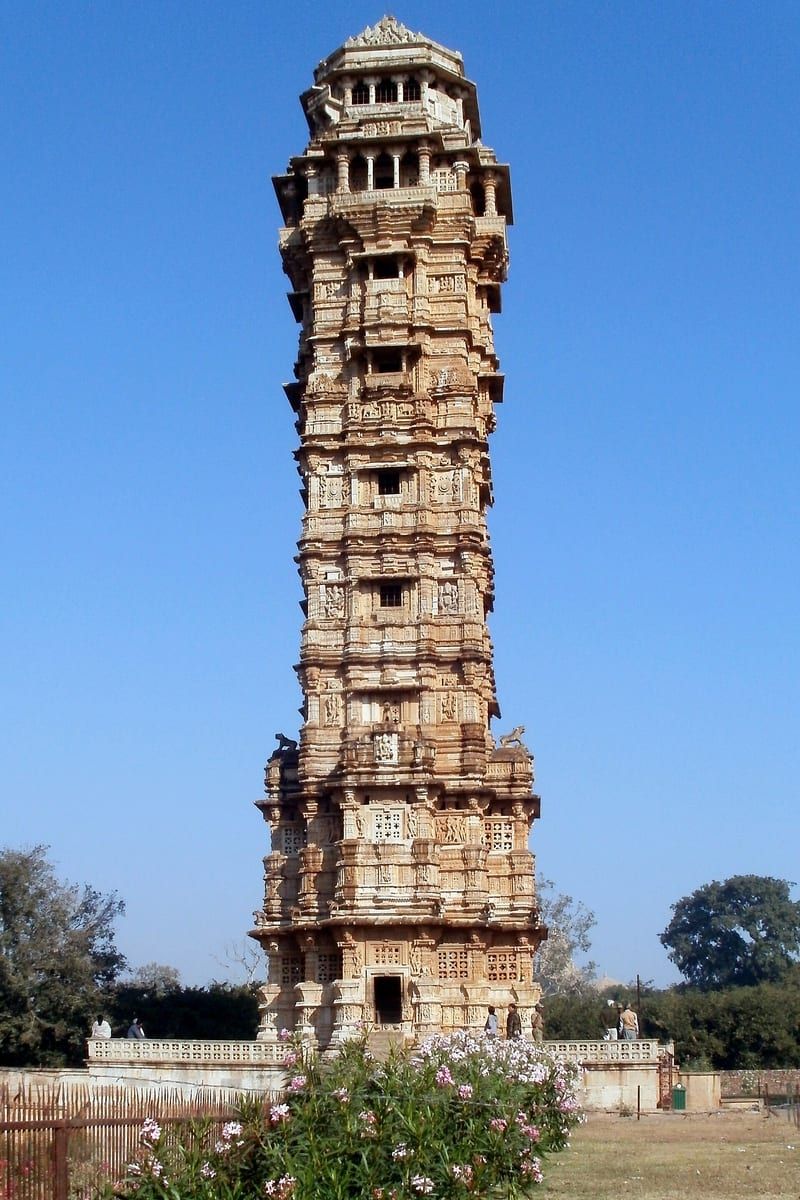
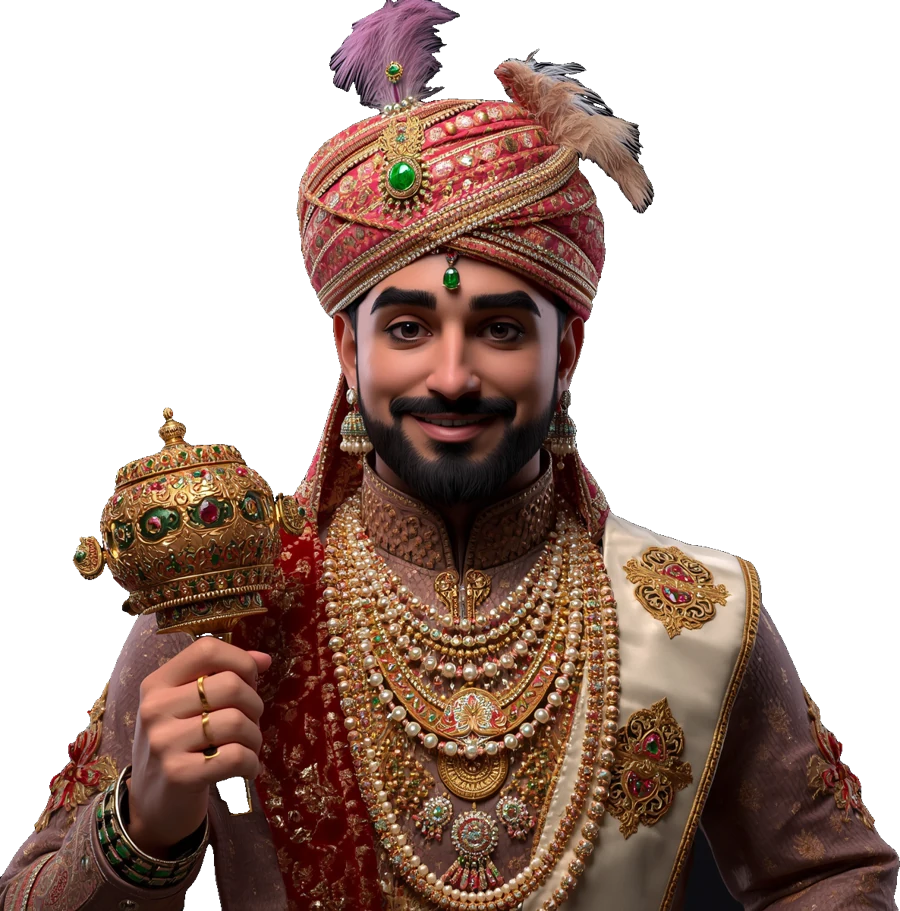
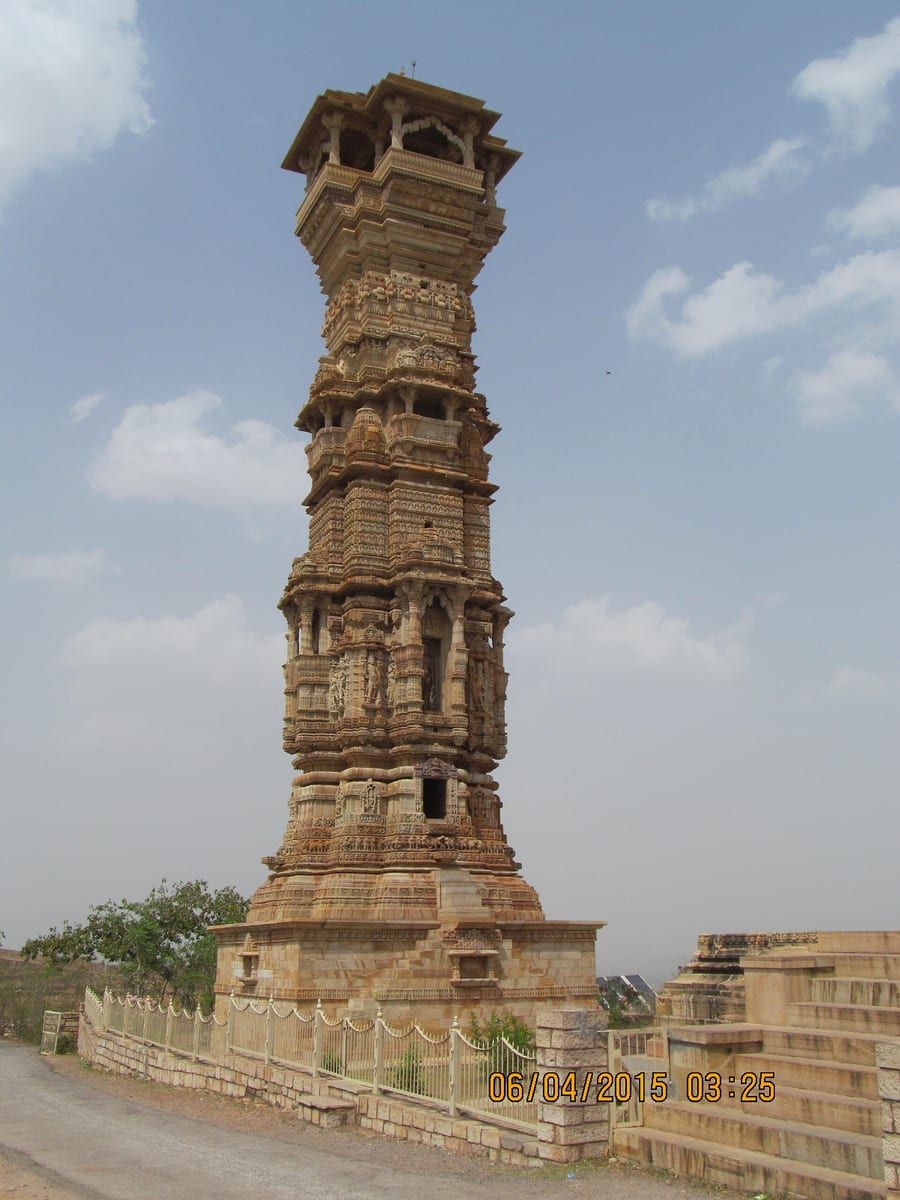
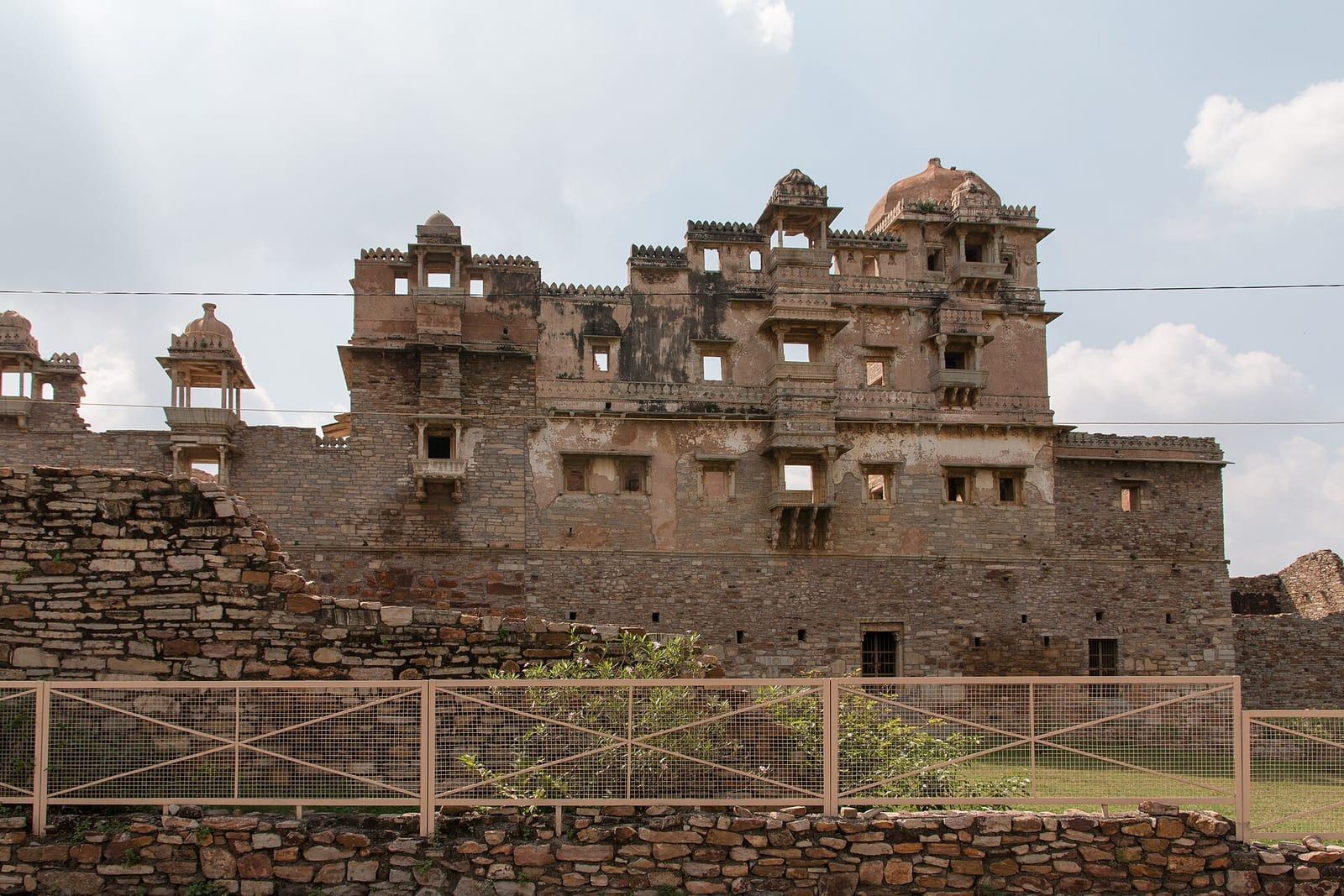
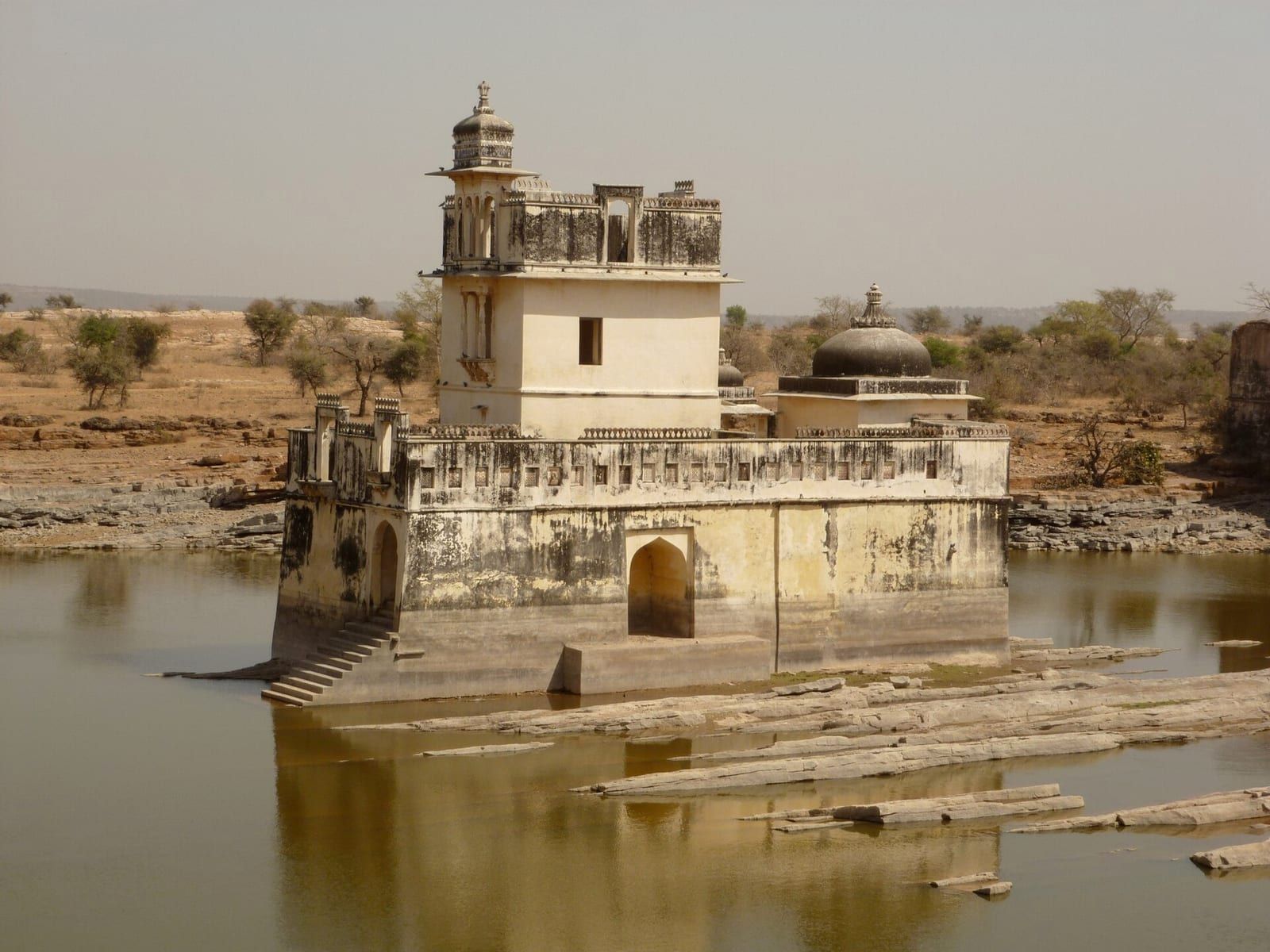
Here is a visual description of four iconic sights of Chittorgarh Fort.
TIMES of RAJASTHAN · DARSHAN
Chittorgarh Fort
Here is a visual description of four iconic sights of Chittorgarh Fort.
In detail
Chittorgarh Fort is one of the largest forts in India and a UNESCO World Heritage Site, historically serving as the capital of Mewar and located in present-day Chittorgarh city. The fort spans a hill 180 m high, covers 280 ha, and contains 65 historic structures including palaces, temples, water bodies, memorials, and victory towers, and was declared a World Heritage Site in 2013 as part of the Hill Forts of Rajasthan.
Overview
Chittor Fort, whose name literally translates from Hindi as Chittorgarh, is one of the largest forts in India and is recognized as a UNESCO World Heritage Site. The fort served historically as the capital of the Mewar region and is situated in the present‑day city of Chittorgarh.
The fort is built on a hill that rises 180 metres (590.6 feet) above the surrounding plains. It covers an area of 280 hectares (691.9 acres) and overlooks the valley drained by the Berach River.
Within its walls are 65 historic structures. These include four palaces, 19 large temples, 20 large water bodies, four memorials, and several victory towers, each contributing to the fort’s architectural and cultural significance.
In 2013, during the 37th session of the World Heritage Committee held in Phnom Penh, Cambodia, Chittor Fort was grouped with five other hill forts of Rajasthan and declared a World Heritage Site as part of the six Hill Forts of Rajasthan collection.
History and origins
Chittorgarh, meaning fort, was originally called Chitrakut and was constructed by the Mori ruler Chitrangada Mori. The name of the fort is said to be derived from its builder, according to one legend. At the edge of Jaimal Patta lake, several small Buddhist stupas dated to the 9th century were found, based on the script.
The Guhila ruler Bappa Rawal is said to have captured the fort in either 728 CE or 734 CE. One account states that he received the fort in dowry, while other versions of the legend claim that Bappa Rawal captured the fort either from the Moris. Historian R. C. Majumdar theorizes that the Moris were ruling at Chittor when the Arabs invaded north‑western India around 725 CE. The Arabs defeated the Moris, and in turn were defeated by a confederacy that included Bappa Rawal. R. V. Somani theorized that Bappa Rawal was a part of the army of Nagabhata I.
Some historians doubt the historicity of this legend, arguing that the Guhilas did not control Chittor before the reign of the later ruler Allata. The earliest Guhila inscription discovered at Chittor is from the reign of Tejasimha (mid‑13th century); it mentions "Chitrakuta‑maha‑durga" (the great fort of Chittor).
Under the orders of Alauddin Khilji, between 1251 and 1258, Balban repeatedly led armies to attack and lay siege to Chittor fort, as well as Ranthambore and Bundi forts.
Based on: the Wikipedia article (CC BY-SA 4.0) — facts from that source; edited and translated by Times of Rajasthan.
More visual stories
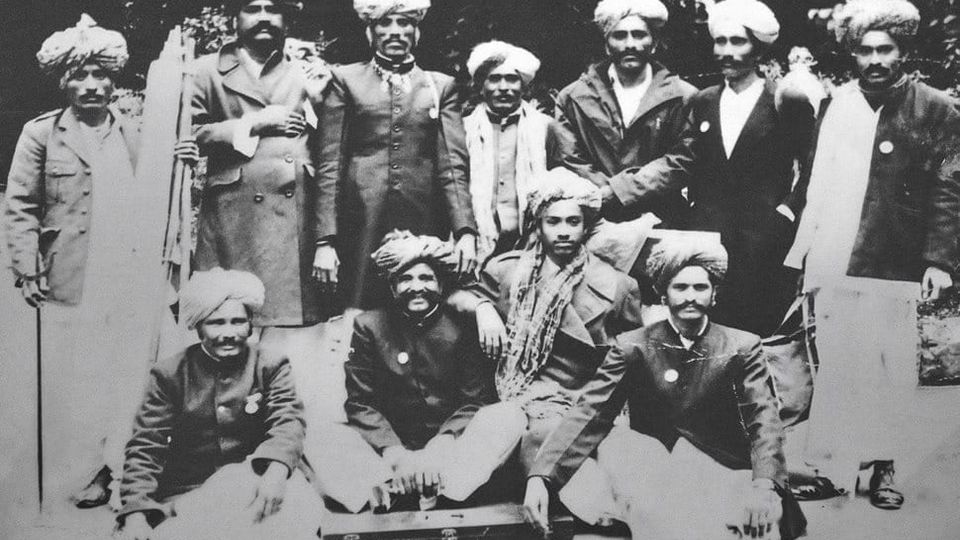 Folk musicKesariya Balam — the songs of the ManganiyarsMaand singing from the Thar, the hum of the kamaicha and the clack of the khartal.5 scenes · with music · ♥ 11
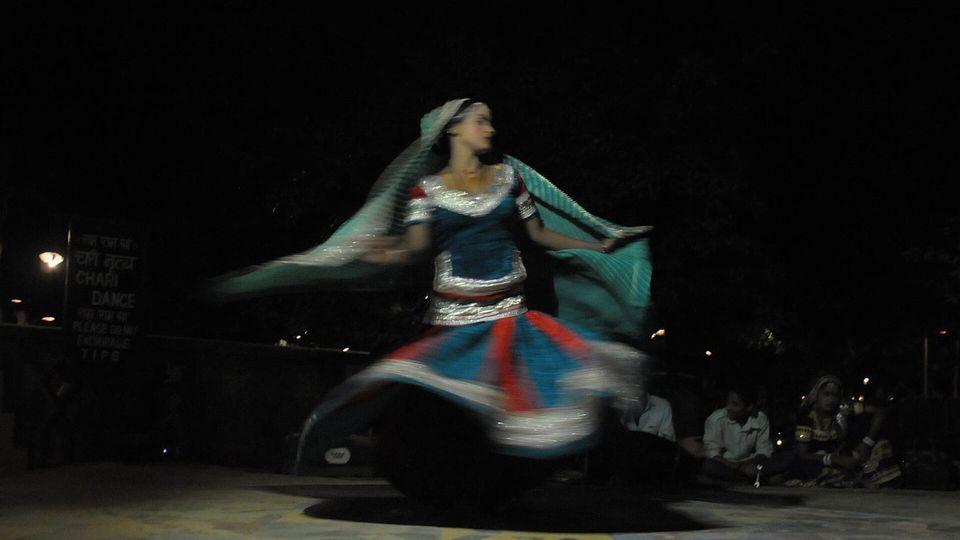 Folk danceGhoomar — the dance of the swirling skirtSwirling ghagras, flowing veils and clapping rhythms at Gangaur, Teej and weddings.3 scenes · with music · ♥ 13
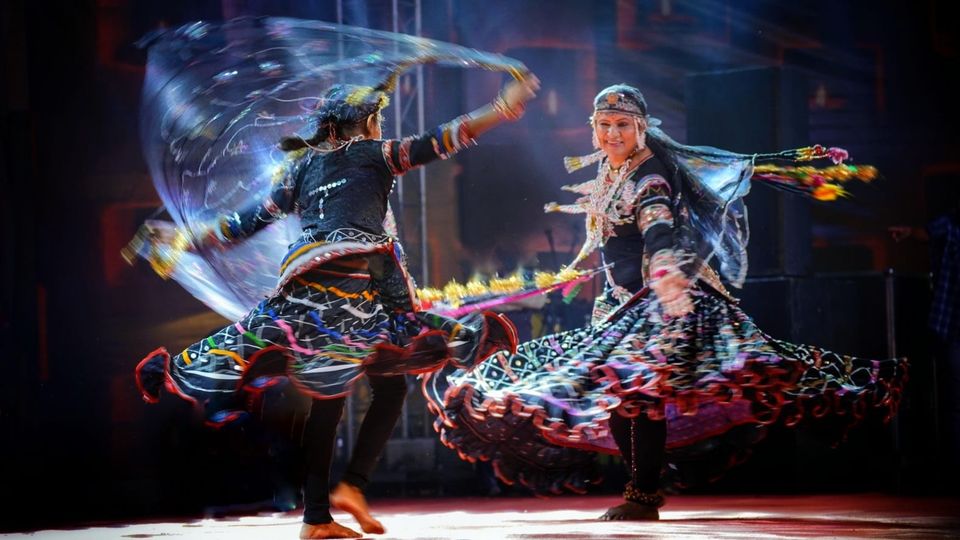 Folk danceKalbeliya — the serpent dance, a UNESCO heritageBodies sway like serpents to the pungi; on UNESCO’s intangible heritage list since 2010.4 scenes · with music · ♥ 1
 PaintingPhad and Ravanahatha — a story that travelsThrough the night, the bhopa and bhopi sing the epic of folk deities before the phad, to the ravanahatha.4 scenes · with music · ♥ 5
Photos: Ratnesh1948 / Wikimedia Commons (CC BY-SA 4.0) · Anil methwani / Wikimedia Commons (CC BY-SA 4.0) · Daniel VILLAFRUELA / Wikimedia Commons (CC BY-SA 3.0) · Jonathan Freundlich / Wikimedia Commons (CC BY-SA 3.0)