Amer Fort
Welcome to the visual journey through Amer Fort.
TIMES of RAJASTHAN · DARSHAN
Amer Fort
Welcome to the visual journey through Amer Fort.
In detail
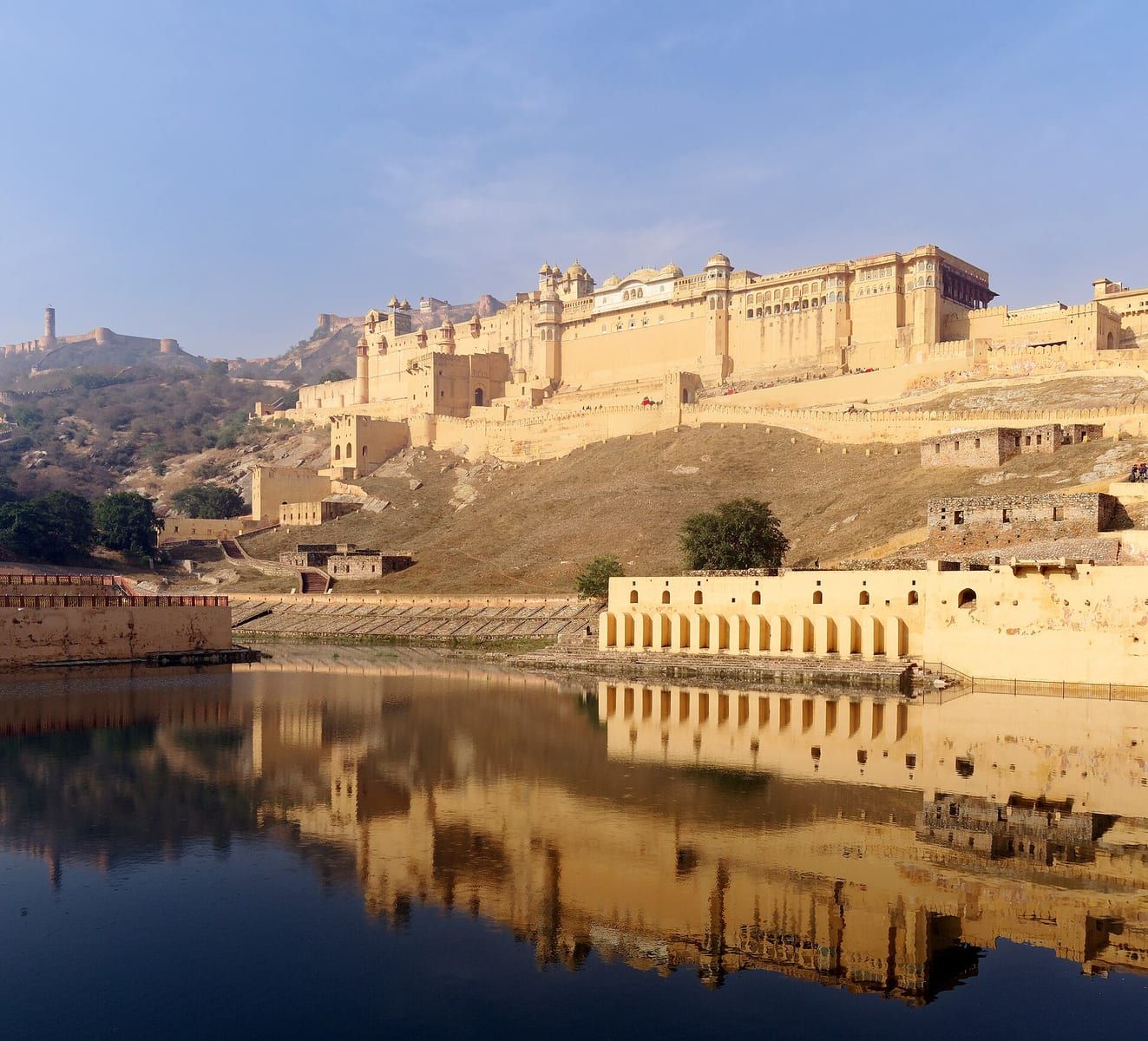
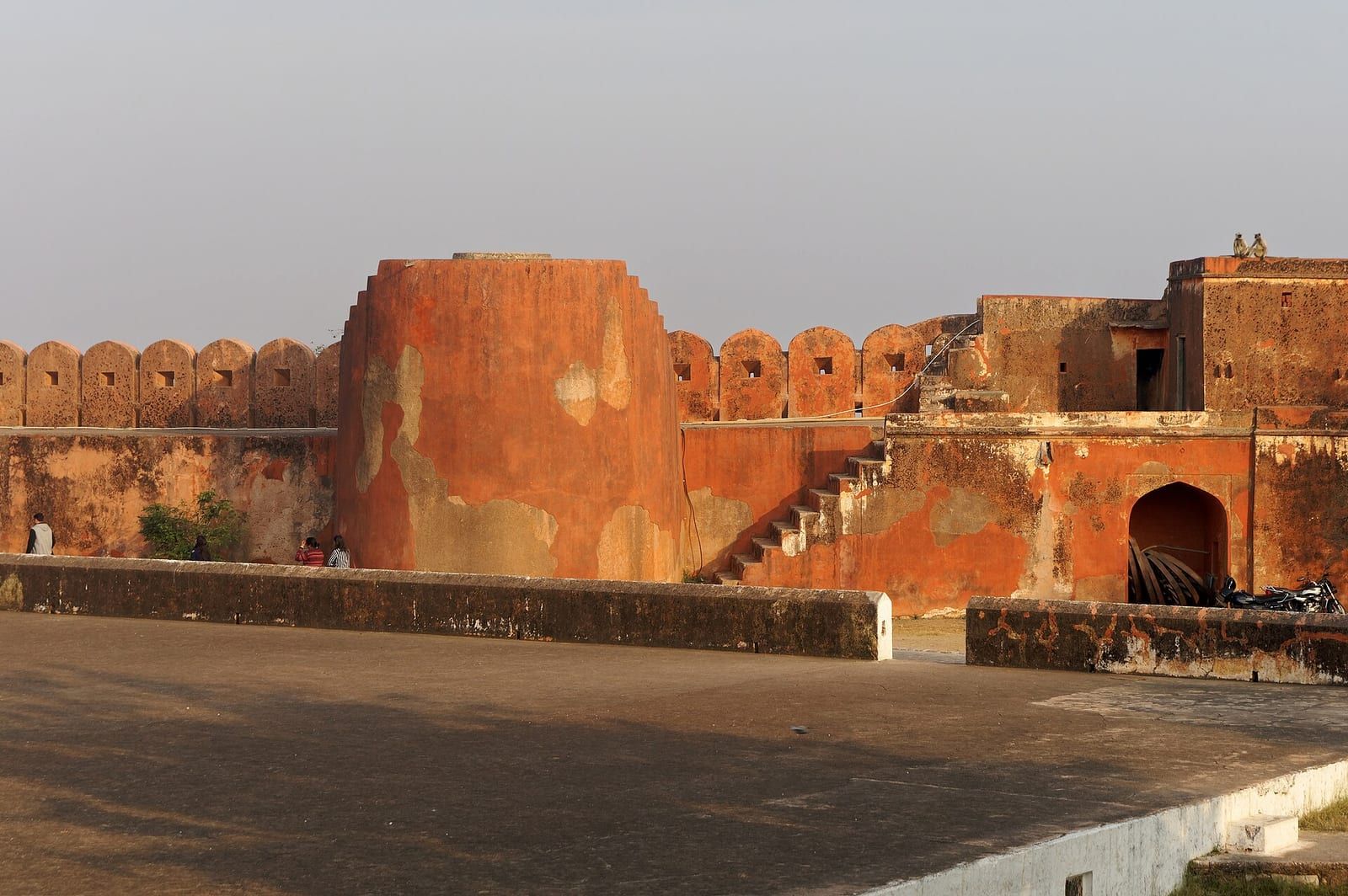
Amer Fort, located in Amer, Rajasthan, is a majestic hill fort renowned for its artistic architecture and panoramic views of Maota Lake. The fort, built with red sandstone and marble, houses grand halls such as Diwan-e-Aam, Diwan-e-Khas, Sheesh Mahal, and Sukh Niwas, and is part of a complex that includes Jaigarh Fort connected by a subterranean passage.
Overview
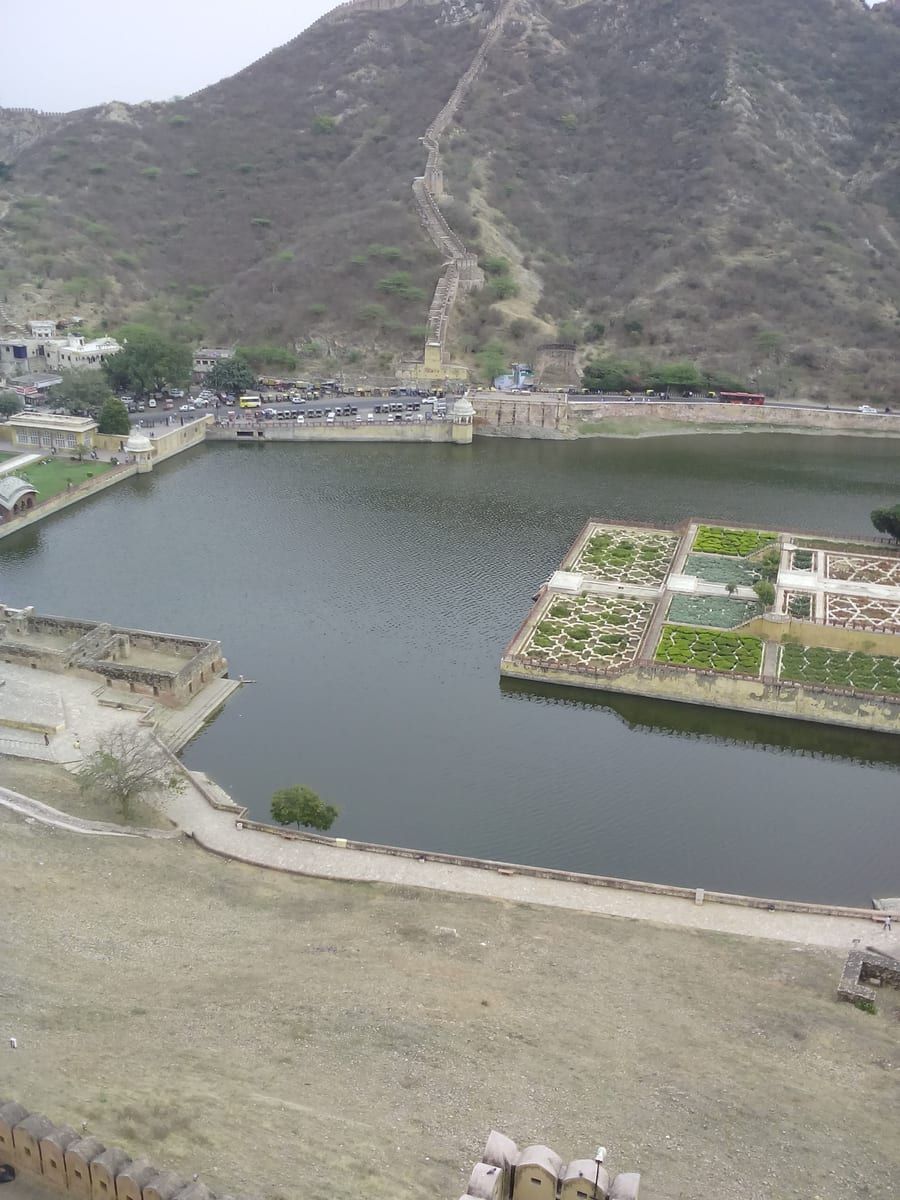
Amer Fort, also known as the Amer Palace, is a fort located in Amer, a town in Rajasthan, India. Amer covers an area of 4 square kilometres and lies 11 kilometres from Jaipur, the state capital. The fort sits high on a hill and is the principal tourist attraction in Jaipur, overlooking Maota Lake, the main source of water for the Amer Palace.
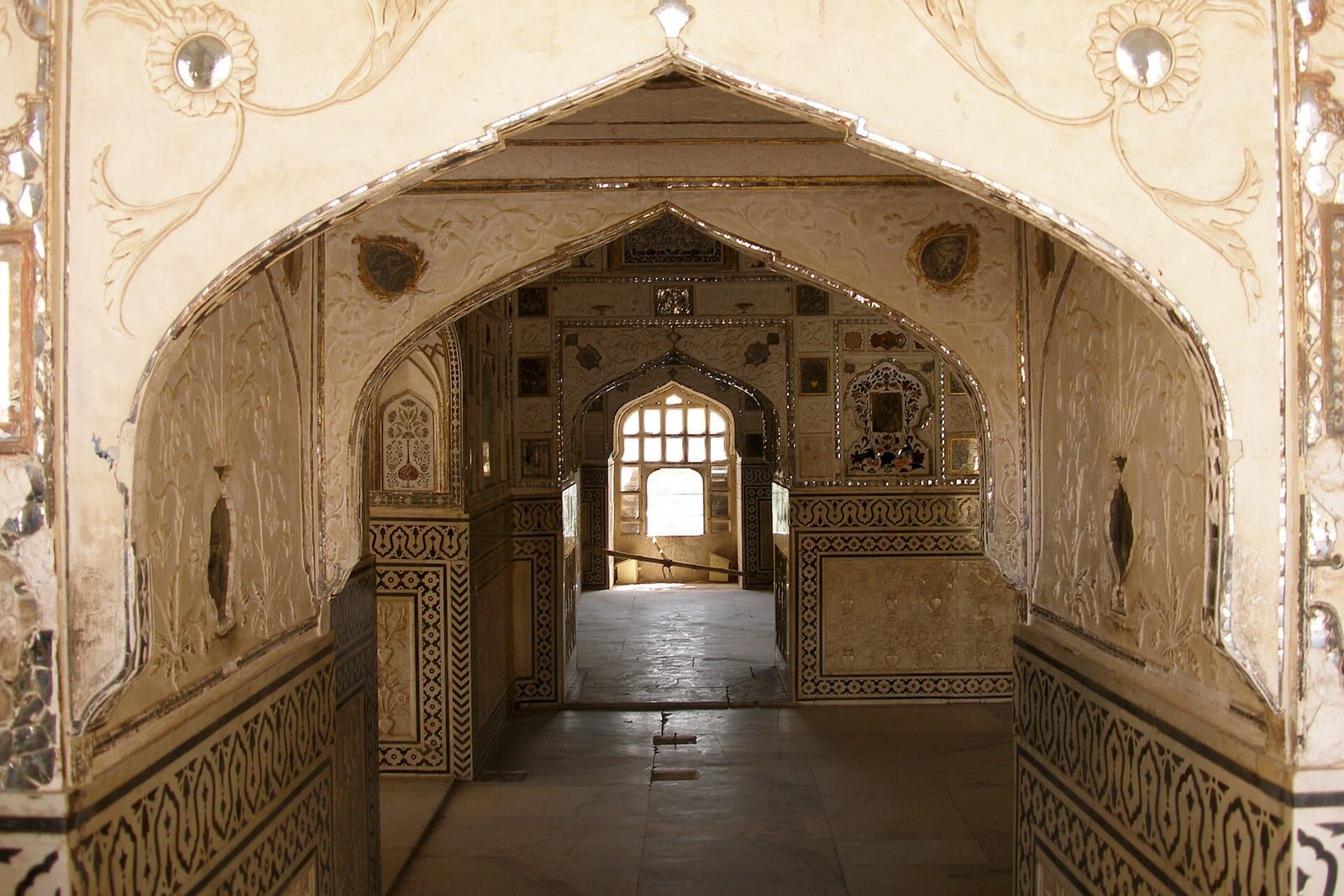
The palace is a prime example of Rajput architecture, with some elements influenced by Mughal design. It is constructed of red sandstone and marble and is laid out on four levels, each featuring a courtyard. The complex includes the Diwan-e-Aam, or Hall of Public Audience, the Diwan-e-Khas, or Hall of Private Audience, the Sheesh Mahal (mirror palace), also known as Jai Mandir, and the Sukh Niwas, where a cool climate is artificially created by winds that blow over a water cascade within the palace.
The entrance to the palace near the fort’s Ganesh Gate houses a temple dedicated to Shila Devi, a Goddess of the Chaitanya cult. This temple was given to Raja Man Singh when he defeated the Raja of Jessore in 1604. Raja Man Singh had twelve queens, so he built twelve rooms, one for each queen, each with a staircase connected to the king’s room, though the queens were not allowed to go upstairs. Raja Jai Singh, who had only one queen, built one room equal to three of the old queen’s rooms.
The Amer Palace and Jaigarh Fort are situated immediately above each other on the Cheel ka Teela (Hill of Eagles) of the Aravalli range. The two forts form a single complex, connected by a subterranean passage that served as an escape route during times of war, allowing the royal family and others in the Amer Fort to move to the more defensible Jaigarh Fort.
Annual tourist visitation to the Amer Palace was reported by the Superintendent of the Department of Archaeology and Museums as 5,000 visitors a day, with 1.4 million visitors during 2007. In 2013, at the 37th session of the World Heritage Committee held in Phnom Penh, Cambodia, Amer Fort, along with five other forts of Rajasthan, was declared a UNESCO World Heritage Site as part of the group Hill Forts of Rajasthan.
History and origins
Amer, or Amber, derives its name from the Ambikeshwar Temple, built atop the Cheel ka Teela. Ambikashwara is a local name for the god Shiva. However, local folklore suggests that the fort derives its name from Amba, the Mother Goddess Durga.
Amber was a Meena state, ruled by a Susawat clan. After Kakil Deo defeated the Susawats he made Amber the capital of Dhundhar after Khoh. Kakil Deo was a son of Dulherai.
In early times, the state of Jaipur was known as Amber or Dhundhar and was controlled by Meena chiefs of five different tribes. They were under suzerainty of the Bargurjar Rajput Raja of Deoti. Later a Kachhwaha prince, Dulha Rai, destroyed the sovereignty of Meenas and also defeated Bargurjars of Deoli and took Dhundhar fully under Kachwaha rule.
The Amber Fort was originally built by Raja Man Singh. Jai Singh I expanded it in the early 1600's. Improvements and additions were made by successive rulers over the next 150 years, until the Kachwahas shifted their capital to Jaipur during the time of Sawai Jai Singh II, in 1727.
In the medieval period, Amer was known as Dhundar (meaning attributed to a sacrificial mount in the western frontiers) and ruled by the Kachwahas from the 11th century onwards – between 1037 and 1727 AD, until the capital was moved from Amer to Jaipur. The history of Amer is indelibly linked to these rulers as they founded their empire at Amer.
Importance today
Amber Fort, a key example of Rajput military hill architecture, was recognized as part of a UNESCO World Heritage serial cultural property in June 2013, alongside five other Rajasthan forts. This designation highlights its significance as a heritage site and underscores the importance of its preservation.
The surrounding town of Amer, which serves as the main gateway to the fort, has evolved into a heritage town whose economy relies heavily on tourism. During peak season, the town attracts between four and five thousand visitors daily, a figure that reflects the fort’s ongoing relevance as a cultural attraction.
Conservation efforts have been substantial, with the Amer Development and Management Authority investing Rs 40 crores (US$8.88 million) in renovation works. However, these projects have sparked debate over their impact on the historicity and architectural integrity of the fort, as well as concerns about commercialization.
The fort has also faced damage from film productions, including the destruction of a 500‑year‑old canopy, removal of the old limestone roof of Chand Mahal, drilling for set installation, and the spread of sand in Jaleb Chowk. These actions were deemed violations of the Rajasthan Monuments, Archaeological Sites and Antique Act of 1961.
In response, the Jaipur Bench of the Rajasthan High Court halted further film shooting, criticizing the prioritization of profit over preservation and noting that both the public and authorities have become insensitive to the monument’s historical value.
Based on: the Wikipedia article (CC BY-SA 4.0) — facts from that source; edited and translated by Times of Rajasthan.
More visual stories
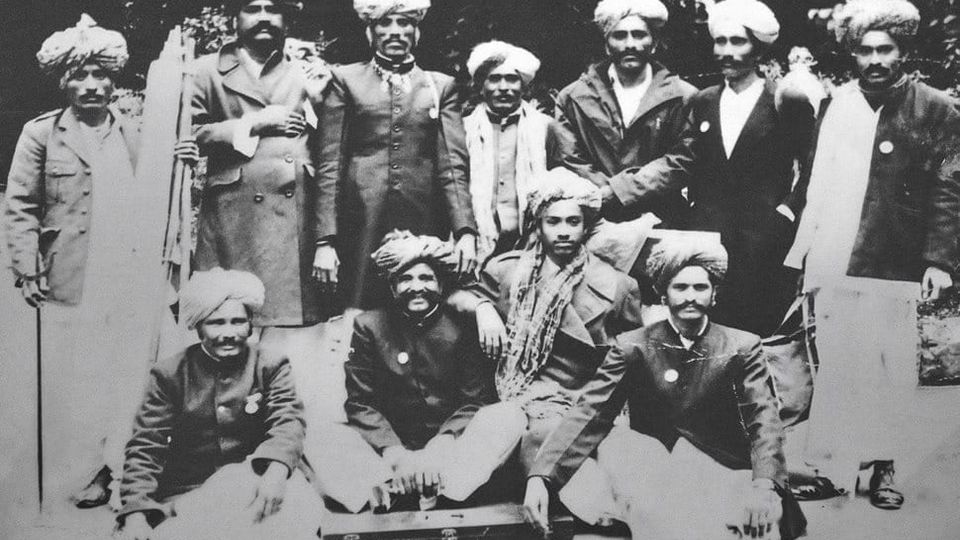 Folk musicKesariya Balam — the songs of the ManganiyarsMaand singing from the Thar, the hum of the kamaicha and the clack of the khartal.5 scenes · with music · ♥ 11
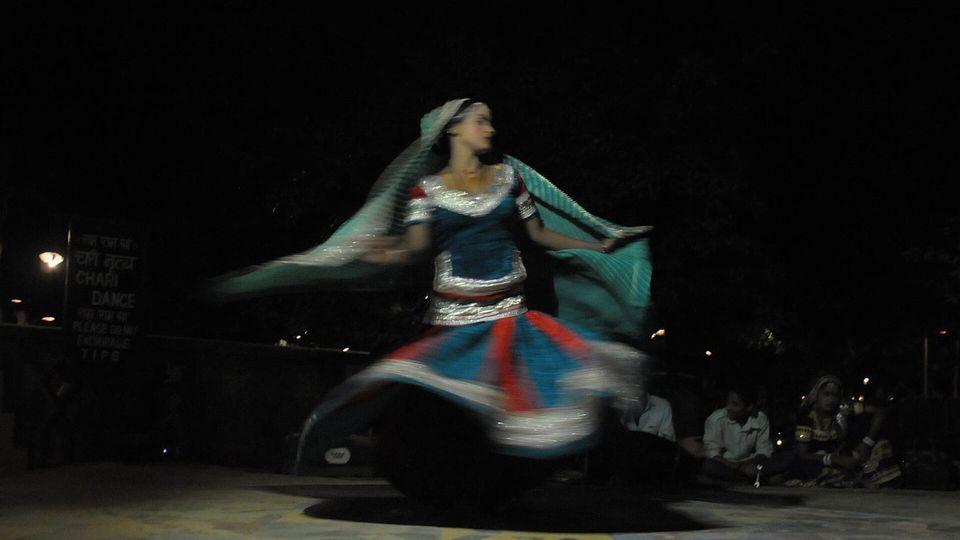 Folk danceGhoomar — the dance of the swirling skirtSwirling ghagras, flowing veils and clapping rhythms at Gangaur, Teej and weddings.3 scenes · with music · ♥ 13
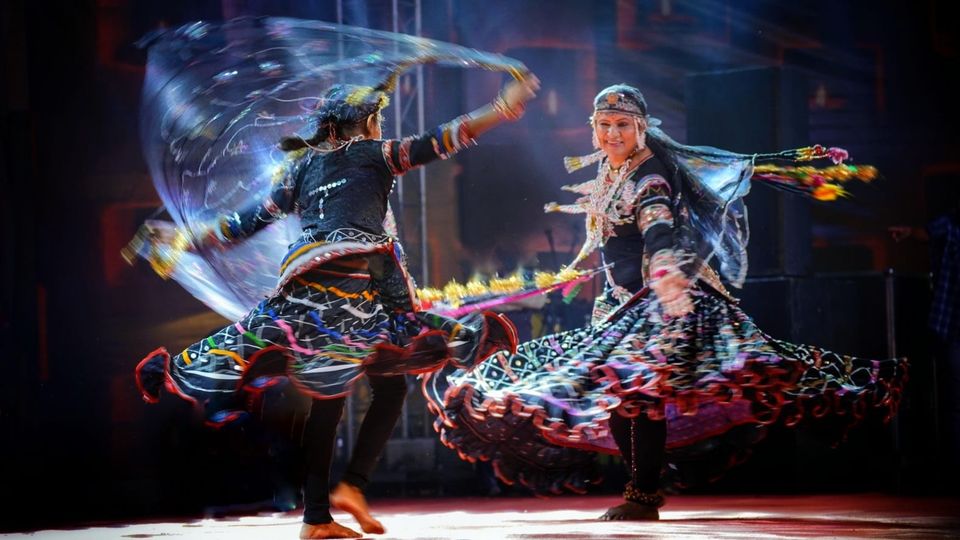 Folk danceKalbeliya — the serpent dance, a UNESCO heritageBodies sway like serpents to the pungi; on UNESCO’s intangible heritage list since 2010.4 scenes · with music · ♥ 1
 PaintingPhad and Ravanahatha — a story that travelsThrough the night, the bhopa and bhopi sing the epic of folk deities before the phad, to the ravanahatha.4 scenes · with music · ♥ 5
Photos: Jakub Hałun / Wikimedia Commons (CC BY-SA 4.0) · Vyacheslav Argenberg / Wikimedia Commons (CC BY 4.0) · Dr.Rohit Bhamoura / Wikimedia Commons (CC BY-SA 4.0) · Jakub Hałun / Wikimedia Commons (CC BY-SA 4.0)